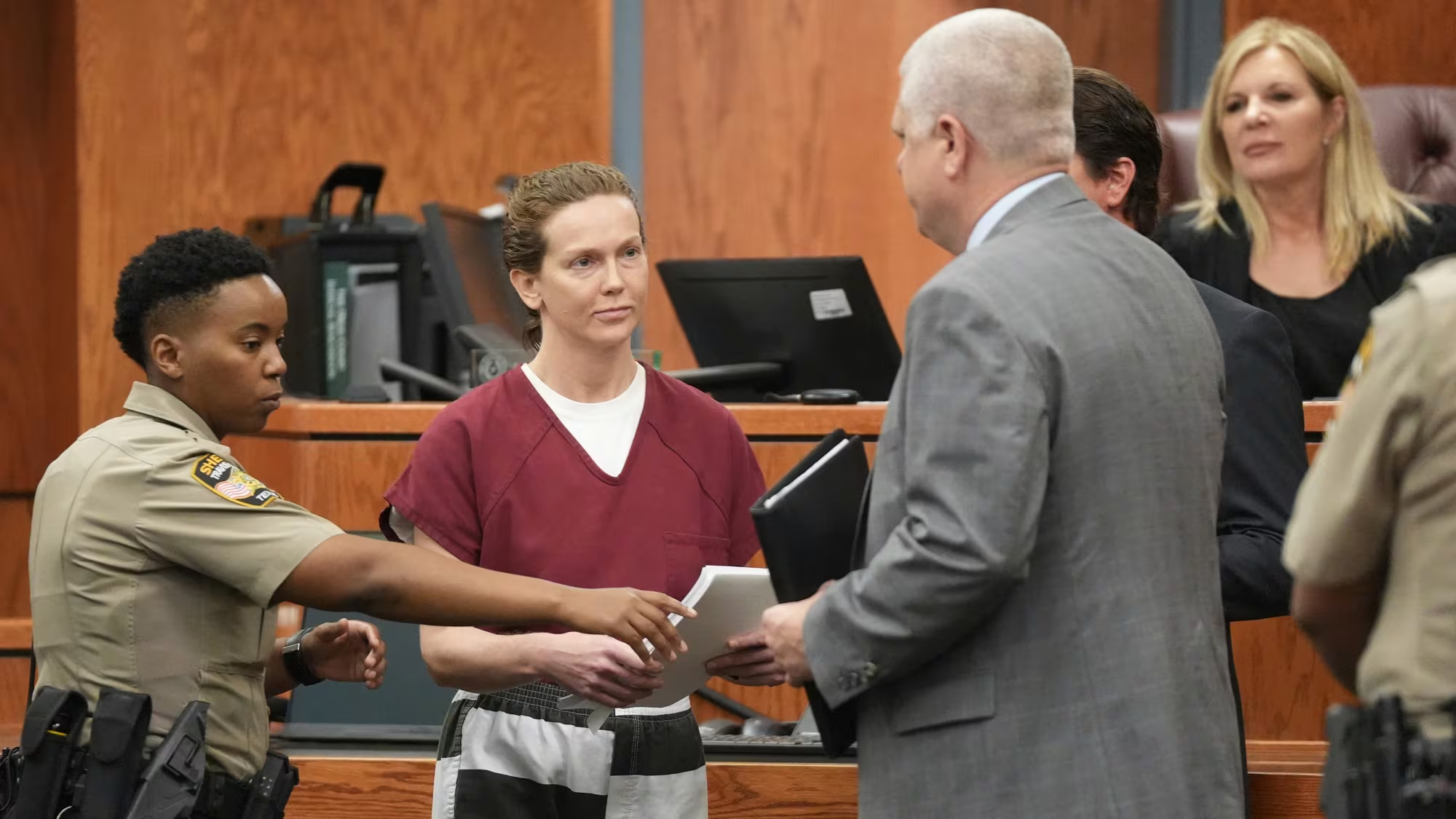
Kaitlin Armstrong makes a pre-trial appearance at the Blackwell-Thurman Criminal Justice Center in Austin, Texas, on Thursday, April 20, 2023. The murder trial for the woman charged in the shooting death of pro cyclist Anna Moriah Wilson is starting Wednesday, Nov. 1, 2023. (Jay Janner/Austin American-Statesman via AP, File)/Austin American-Statesman via AP, File)
By Jim Vertuno
The murder trial of a woman accused of gunning down rising pro cyclist Anna Moriah Wilson and fleeing the country began Wednesday with Texas prosecutors telling jurors they would hear Wilson's final screams and the shots that killed her.
Kaitlin Armstrong, 35, has pleaded not guilty to murder and faces up to 99 years in prison in the May 2022 slaying of Wilson, a competitive gravel and mountain bike racer. Wilson had been shot several times when she was found at a friend's home before a race that she was among the favorites to win.
“The last thing Mo did on this earth was scream in terror," Travis County prosecutor Rickey Jones told jurors in opening statements.
He said nearby surveillance equipment captured the screams.
“Those screams are followed by ‘Pop! Pop!’” Jones said, punching his fist into his hand for emphasis. “You won’t hear any more screams after that.”
Seconds after those shots, Jones said, “Kaitlin Armstrong stood over Mo Wilson and put a third shot right into Mo Wilson’s heart."
In a short opening statement, defense attorney Geoffrey Puryear said Armstrong was caught in a “web of circumstantial evidence.”
No video evidence or witnesses can put Armstrong at the scene of the shooting, Puryear said.
Police have said Wilson, a 25-year-old Vermont native, had previously dated Armstrong’s boyfriend, Colin Strickland, who also was a competitive gravel racer, and had gone swimming with him earlier in the day. The trial began three weeks after authorities said Armstrong tried to escape from custody.
Prosecutors said they will show that Armstrong tracked Strickland’s communications with Wilson — as well as Wilson’s whereabouts — in the weeks and days before the shooting. Armstrong was able to track Wilson’s location because Wilson had not turned on a safety feature on a phone app.
Armstrong's SUV was seen at the apartment where Wilson was staying the night she was killed. Police also said shell casings found at the scene matched a gun found at Armstrong's home.
Investigators quickly cleared Strickland. Prosecutors said Wednesday that video and cellphone calls, texting, and location data will confirm that he was nowhere near the shooting.
The case drew international headlines when Armstrong fled the country after her initial meeting with police, leading to a 43-day search. Investigators said she sold her vehicle for $12,000 and fled the country using her sister's name, email, credit card and passport.
Federal authorities tracked Armstrong to Costa Rica, where prosecutors said she spent $6,425 for surgery to change her appearance and used several aliases while attempting to establish herself as a yoga instructor. She also had cut and darkened her hair, and had a bandage on her nose and discoloration under her eyes when arrested at a beachside hostel.
Armstrong told police when she was arrested that she was injured in a surfing accident.
Armstrong's attorney suggested the sudden flight out of the country was not an attempt to escape justice.
“She would have no reason to know about any (arrest) warrant, You will hear Kaitlin is passionate about travelling and passionate about yoga,” Puryear said.
The case took another turn when authorities said Armstrong tried to escape from two officers who escorted her to a medical appointment outside of the jail on Oct. 11.
Cellphone video recorded in the parking lot showed Armstrong, handcuffed and in striped jail clothes, running from an officer and trying to climb a fence. Authorities have said Armstrong appeared to plan her escape by complaining of an injury to get the outside medical appointment and have her leg restraints removed.
She faces an additional felony escape charge punishable by up to 20 years in prison.
Fintech startup Milo has launched what it says to be the world's first crypto mortgage. As part of the offering, clients will be able to use Bitcoin as collateral to purchase property and qualify for a 30-year loan. Josip Rupena, CEO and Founder of Milo, joins Cheddar News' Closing Bell, where he explains how this offering is a winning solution for crypto investors who want to invest in real estate.
Software company BigPanda recently raised $190 million in Series D funding, led by Advent International and Insight Partners. The funding round gives the company unicorn status with a $1.2 billion valuation. BigPanda develops A.I. software that detects and analyzes problems in I.T. systems. The company says it aims to be the solution for other companies that do not have enough manpower to manage their data, as more and more industries continue to build a broader digital presence. BigPanda co-founder and CEO Assaf Resnick joined Cheddar News' Closing Bell to discuss.
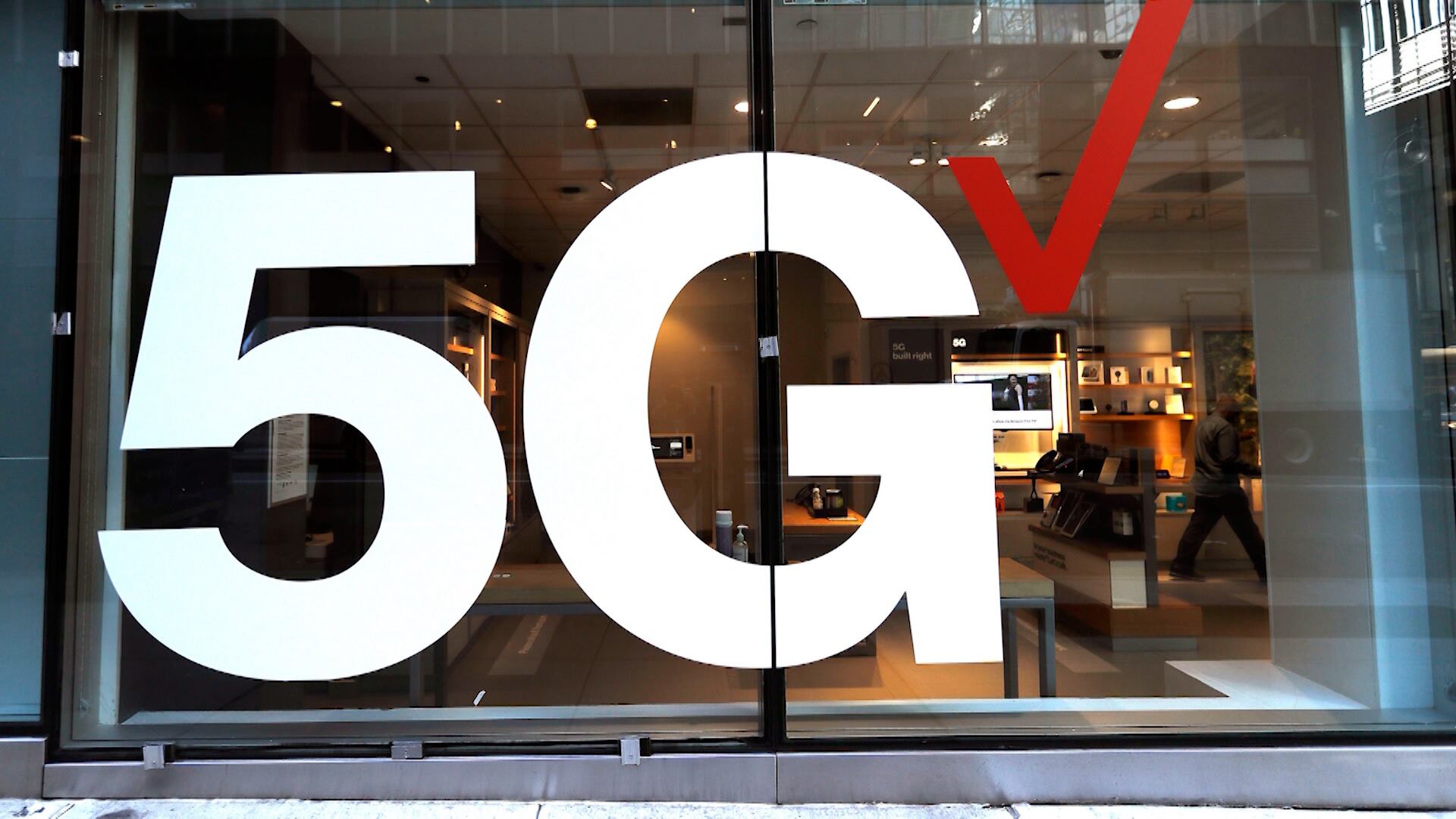
AT&T and Verizon have agreed to delay activating their 5G services around airports due to safety concerns. This comes after major U.S. airlines voiced their concern over the rollout of 5G technology, warning of an impending "catastrophic" aviation crisis. Hugh Odom, founder and president of Vertical Consultants, telecom expert, and former AT&T attorney, joined Cheddar Movers to discuss.
Tech giants Meta, Amazon, Alphabet, and Apple are faced with a bipartisan antitrust legislation effort underway in the Senate Judiciary Committee. The companies stand accused of promoting their own goods and services over smaller competitors on their platforms, holding too much monopolistic power via their app stores and services. Adam Kovacevich, founder and CEO of Chamber of Progress, a technology industry trade group, joined Cheddar to argue that the bills that are being debated currently could end up hurting consumers, rather than helping.
A saving grace for offices during pandemic lockdowns, video communication platform Zoom announced its own plans for doors to reopen from its Work Transformation Summit 2022. Dubbed Workstyles, CFO Kelly Steckelberg joined Cheddar to discuss the self-reported, tiered levels for how employees will be reporting going forward, from the majority of workers going hybrid to personnel who will work fully from home or the office where it makes sense. Steckelberg also talked about the company's plans for the future, stating “what we can control is our own execution," as Zoom's stock hit a 52-week low.
Sebastien Lagree, creator and founder of Lagree Fitness, joins Cheddar News to talk about the growth of Lagree Fitness and industry trends to watch in 2022.
Nikhilesh De, managing editor of global regulation and policy at CoinDesk, joins Cheddar News to discuss Bitcoin's slump and corporations' growing interest in NFTs.
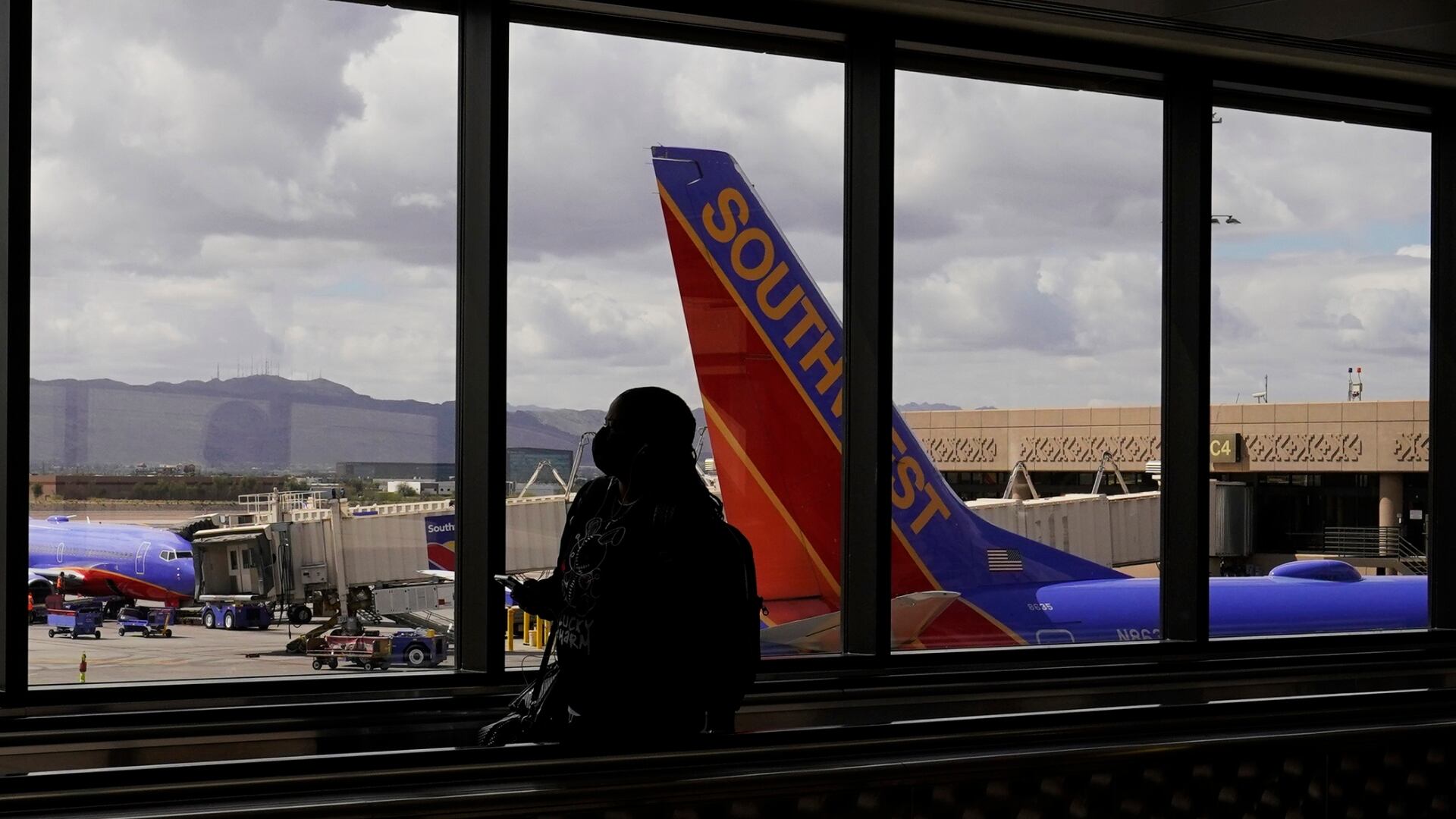
Airlines around the world cancel or change flights ahead of Verizon and AT&T's 5G rollout. The two wireless companies agreed to temporarily delay the launch of the new service near some key airports, after airlines warned the 5G signals could interfere with certain aviation equipment. Jonathan Adelstein, president and CEO of the Wireless Infrastructure Association, joined Cheddar News to discuss.
Thrive Market is a health-first membership for conscious living, with a mission to make healthy and sustainable living easy and accessible. Nick Green, CEO and co-founder, chatted with Cheddar's Baker Machado about the company's approach and new ventures in 2022. "I grew up outside of Minneapolis, middle class, middle America, and really saw firsthand how hard my mom had to work to put healthy food on the table, on a budget, without a health food store nearby," he said. "Twenty-some years later we looked around and just thought it was crazy that millions of Americans are still struggling with the same thing, and we decided to change it." Recently the brand released a line of organic frozen products and will be introducing new beauty and home brands.
In the ongoing saga of AT&T and Verizon versus airlines over the U.S. rollout of 5G near airports, the telecom giants have agreed to delay some deployments. The decision came after arguments that the technology could pose a threat to the safety and security of flights. However, AT&T countered that airlines had two years to prepare for this rollout date.