With Trump Consumed by Shutdown, Brazilian President Makes Inroads at Davos
*By Carlo Versano*
He's known as the "Trump of the Tropics." Brazil's new president, Jair Bolsonaro, may grab headlines for his far-right, populist rhetoric and positions ー he's staunchly anti-gay, anti-abortion, anti-affirmative action, and anti-drug decriminalization ーbut he differs from President Trump in one major respect, which is currently on display at the World Economic Forum in Davos, Switzerland.
Bolsonaro wants to form closer economic ties with the developed world, as he made clear in a speech to the global elite gathered in the snowy Swiss enclave.
“We represent a turning point in the eyes of the Brazilian people — a turning point in which ideological bias will no longer take place,” he told attendees on Tuesday.
Vanessa Neumann, the founder of the risk consultancy firm Asymmetrica and author of the book "Blood Profits," told Cheddar that Bolsonaro is at Davos in an attempt to shed his global image as a populist bomb thrower by making clear that the Brazilian economy, the world's ninth largest, is open for business and investment from the outside world.
"He's talking that talk to investors," Neumann said.
Bolsonaro is "the unintended winner" in the ongoing U.S.-China trade war, she noted, as Brazil is a major producer of consumer staples that range from soybeans to beef to oil ー commodities that the Chinese are now importing from Latin America rather than the U.S.
But Bolsonaro is also cognizant that he needs to forge an alliance with the White House. "He wants to increase trade with the U.S.," Neumann said.
Luckily for him, Trump sees in Bolsonaro a kindred spirit, evidenced by his New Year's Day tweet as Bolsonaro took office:
"Congratulations to President @JairBolsonaro who just made a great inauguration speech — the U.S.A. is with you!”
Meanwhile, conservationists and climate change activists worry that part of that openness will come at the expense of Brazil's vast natural beauty ー particularly its protected rainforests. On his first day in office, Bolsonaro transferred rainforest protections to a ministry that is heavily influenced by the agribusiness lobby. He pulled out of hosting a UN climate change conference and is expected by some to follow the U.S. by canceling Brazil's participation in the Paris climate accord, though he has not done so yet.
Bolsonaro's appearance at Davos suggests he is focused on re-engaging with the world economically, even if his domestic policies are far less liberal.
Neumann noted a famous saying about Brazil: It's a country of the future ... and it always will be.
For full interview [click here](https://cheddar.com/videos/far-right-brazilian-president-speaks-of-new-brazil-in-davos).
During the pandemic, student loan debt repayment was put on pause amid an unprecedented crisis. However, on February 1, 2022, the schedule is set to resume, and currently it looks as though the Biden administration has no plans to extend it. Cody Hounanian, the executive director of the Student Debt Crisis Center, spoke to Cheddar about why he believes the loan collection pause needs to at least be extended as borrowers are still struggling with the resurgent pandemic and inflation. "There's really no good economic or policy or political reason as far as why they're focused on getting payments started now," Hounanian said. "We surveyed 33,000 people with student loans last month. Nine out of 10 told us that they are not ready to resume payments."
As the 2022 midterm elections fast approach, here are some politicians Americans should be on the lookout for. Democratic Massachusetts state senator Sonia Chang-Diaz, who was the first Latina and Asian American woman to be elected to the state's senate, now has her eye on the governorship with Republican Charlie Baker leaving. New Jersey GOP candidate for Congress, Billy Prempeh also bears watching, and while Boston's newest mayor, Democrat Michelle Wu, was already sworn in last month, all eyes will be on Beantown as the first woman and first person of color to hold the office tries to usher in a new era for the city.
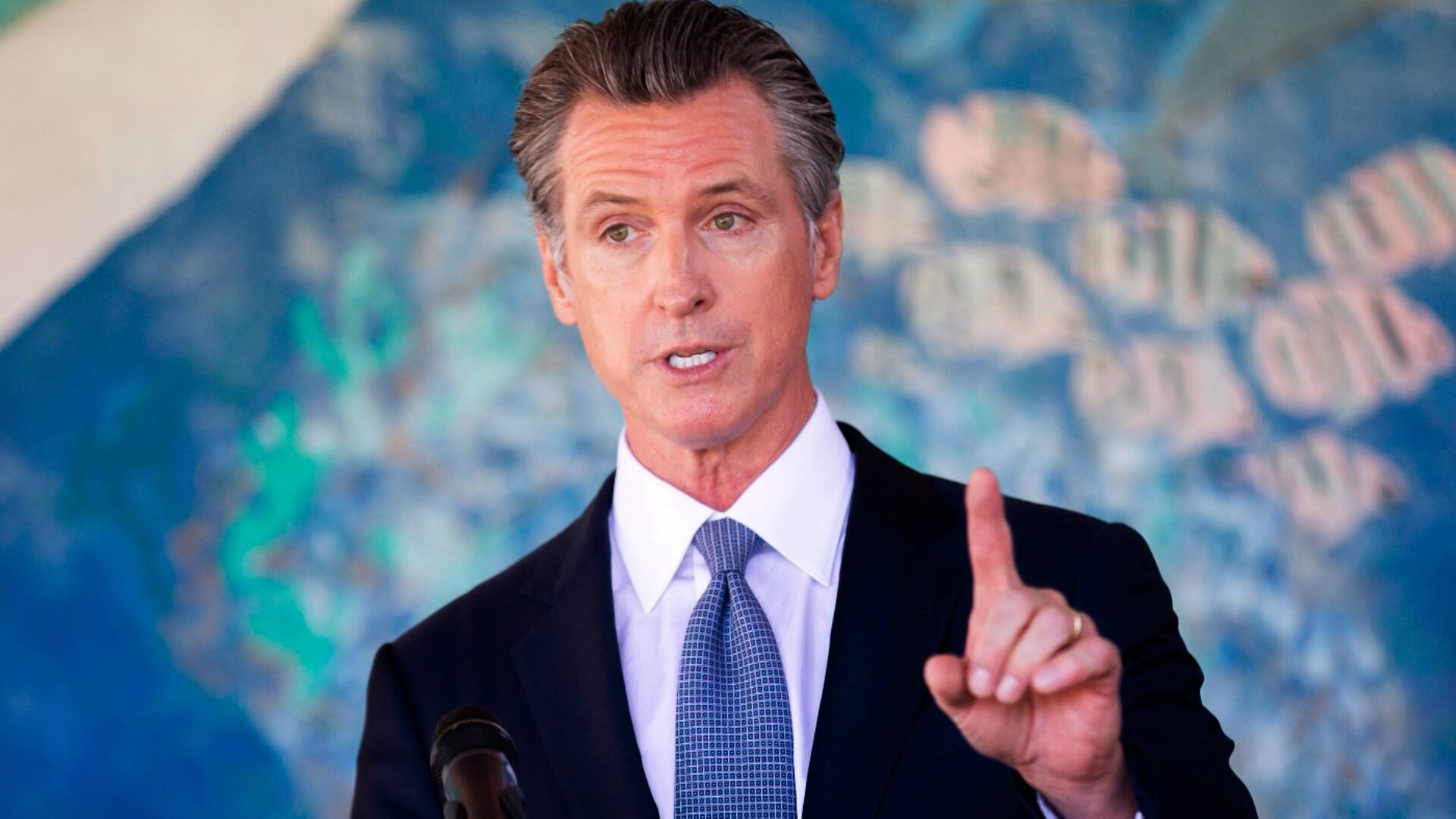
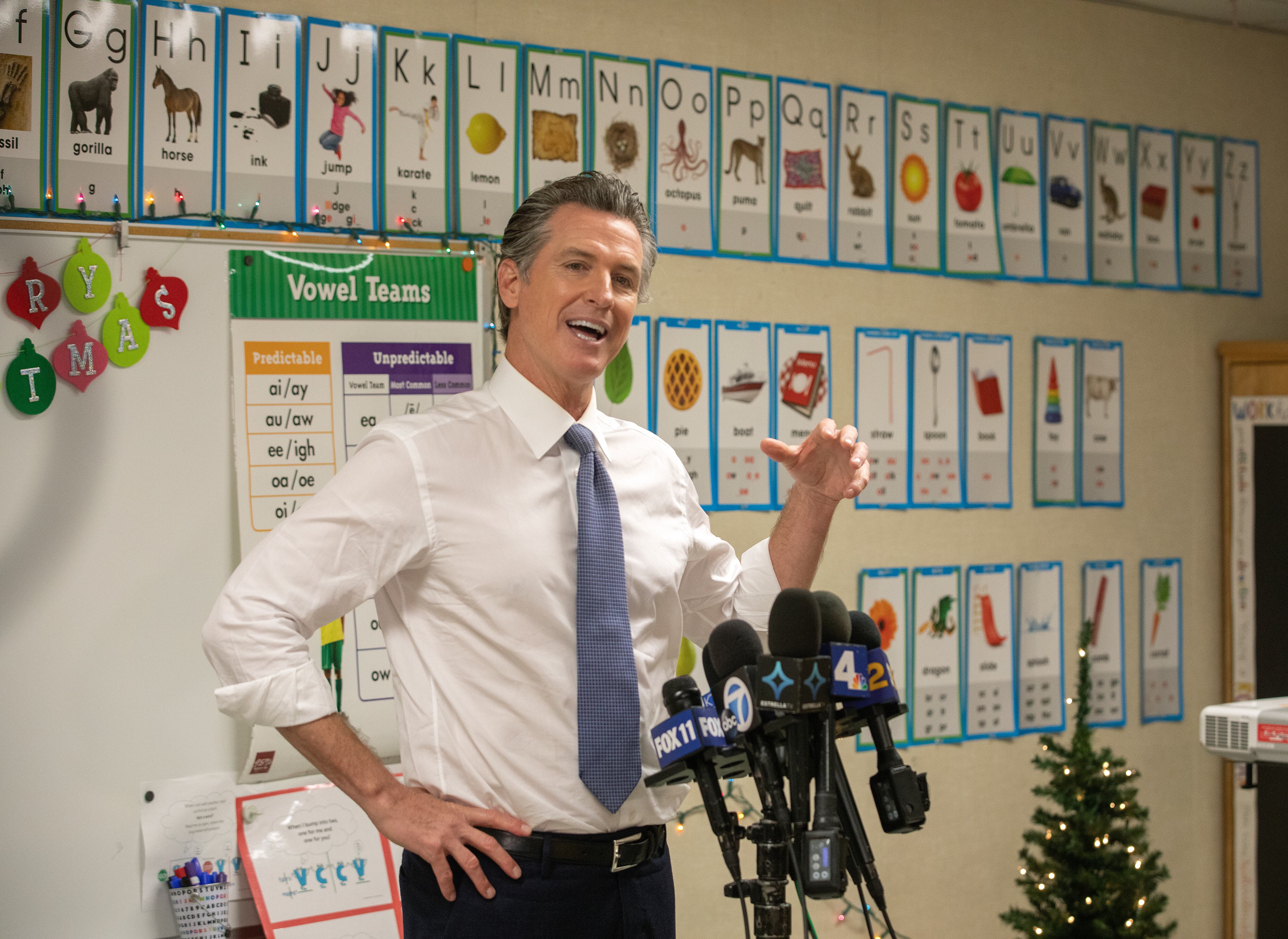
Emily Hoeven, newsletter editor at CalMatters, joins Cheddar News to discuss California Governor Gavin Newsom's gun law modeled after Texas's abortion law.
Chuck Rocha, host of 'Nuestro' podcast and opinion contributor at The New York Times, joins Cheddar News to discuss why Democrats are losing Hispanic voters.
More businesses are requiring workers to return to the office, but there is concern that many employees in the middle class, especially women and people of color, need remote work options for reasons including childcare and financial security. Joan Williams, director of the Center for WorkLife Law at the University of California, joined Cheddar to discuss why office mandates could be detrimental to the middle class. She noted that while companies claim a return to offices would help foster more collaboration and efficiency, reports show that they are successfully able to do their jobs from home.
The U.S. postal service has confirmed that it secretly developed and tested a blockchain-based mobile voting system ahead of the 2020 election. Susan Greenhalgh, senior advisor on election security, Free Speech for People, joins Cheddar News to discuss the cybersecurity complications of a mobile voting system.
The U.S. Supreme Court ruled to allow the controversial Texas abortion law to remain in effect, banning abortion at six weeks and allowing any private citizen to sue a person or doctor aiding or abetting someone seeking an abortion. Outraged at this decision, California Governor Gavin Newsom is working to draft a proposal in line with the law as it relates to guns. Shawn Hubler, California correspondent at the New York Times, joins Cheddar News to discuss.