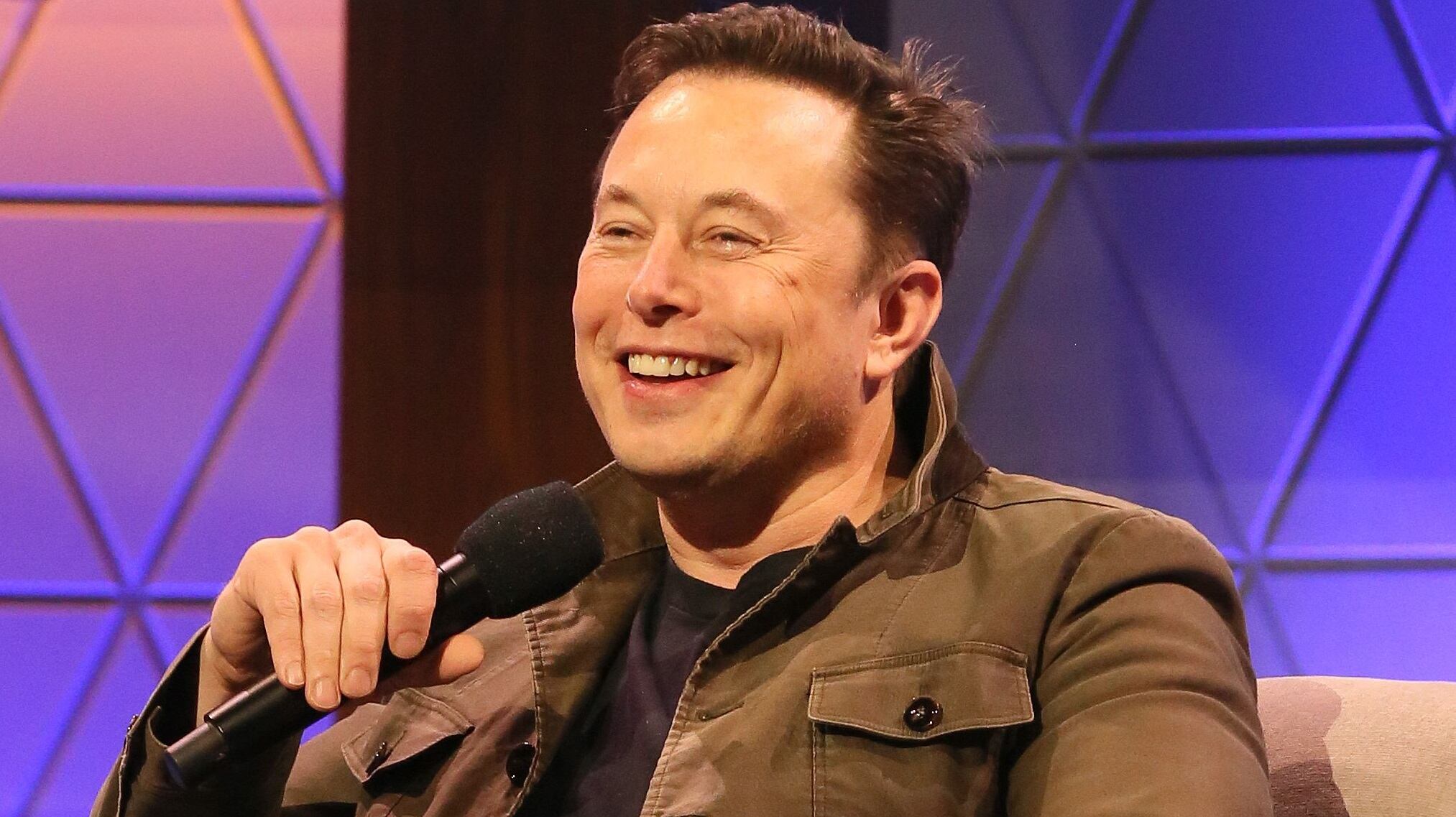
Elon Musk just bought himself some time.
With Tesla ($TSLA) shares surging higher in light pre-holiday trading Wednesday, thanks to reports that the electric carmaker blew past expectations for the all-important deliveries metric, investors now look ahead to July 30. That's when the company will report quarterly earnings, and give a more detailed look into its production arm, a year after Musk ordered all hands on deck to ramp up delivery of the Model 3.
Tesla delivered 95,200 vehicles in the second quarter ー nearly double what it delivered in the second quarter of 2018. It was also a record, besting the previous record from the fourth quarter of 2018 by 1,500. It was the first full quarter that Tesla delivered the Model 3 in China and Europe. Deliveries are a critical indicator for Tesla because that's the point at which customers pay the full sticker price of the vehicle they've ordered.
Notably, Tesla received more orders than they had vehicles delivered, said Cheddar's Tim Stenovec.
"The concern for many analysts had been that demand hadn't been there," he said. "This news dampens those concerns."
The production beat was a sliver of good news in an otherwise bad first half of the year for the company. Shares are still down more than 30 percent from their January high of $347. Musk spent months as the target of an SEC investigation over his tweeting, all while several high-profile executive departures added to a sense of the corporate governance being in disrepair. And then tariffs upended Tesla's China strategy. Not to mention a federal tax credit that had a been a boon to Tesla was just halved again, to $1,875, after starting at $7,500. That credit will be eliminated entirely next year, which is part of why Tesla has cut prices.
"Investors are going to want to hear how efficient Tesla has become," said Stenovec. "Is it dropping prices at a rate that matches the economies of scale generated from making more cars?"
Musk has set those aggressive production and delivery targets with the knowledge that other legacy luxury automakers like BMW and Audi ー with their more robust supply chains and manufacturing abilities ー are racing to build fully-electric competitors to Tesla's lineup.
"The work has just begun for the company," Stenovec said. "They still need to show sustained profitability."
But at least for the month of July, Musk has some room to breathe.