The House of Representatives overwhelmingly passed the $2.2 trillion coronavirus aid package Friday afternoon, but what was expected to be a smooth confirmation process devolved into a mad dash in the Capitol after one of the House’s own threatened to derail the vote with a procedural objection.
Rep. Thomas Massie (R-Ky. 4th Dist.) announced he would call for a recorded vote, which requires quorum — 216 members — to pass the relief bill. Lawmakers who had left Washington rushed back to make sure there were enough representatives to make a quorum, many of them furious about the health risk of traveling and meeting in a large group.
When Massie stood up to request the recorded vote during Friday’s session, he was the only member to do so. With quorum met, the bill was permitted to pass by voice vote, which it did to cheers from the socially-distanced House members. The bill will now go to the president’s desk for his signature.
In the absence of remote voting, House Speaker Nancy Pelosi had tried to give members the option to stay home by calling for a voice vote. That plan would have allowed most members, many in the high-risk category for coronavirus complications, to stay home while still providing a forum for members who wanted to speak on the floor. C-SPAN had even agreed to provide air time for members to broadcast short video statements if they did not wish to return to Washington D.C.
House members, instead, debated while staying as far from each other as possible, with members standing in doorways, stairwells and even on the upper floor.
Two RollColl reporters compiled a spreadsheet to keep track of which members had returned, and how they arrived in D.C. As of 1 pm ET Friday, it had been noted that at least 11 members had driven, some of whom said they had been on the road all night.
One of those members, Rep. Haley Stevens (D-Mich.11th Dist.) made a nearly nine-hour drive overnight and said “I rise for every American who is scared now,” raising her voice on the floor as a gavel signaled her time was over. Stevens, showing the latex gloves on her hands, said she wore them “not for personal attention, but to encourage you to take this disease seriously.” Her district is just outside Detroit, one of the regions dealing with an outbreak.
“You will see darkness. You will be pushed. And our society needs you to stand together at this time,” she said.
Massie did seem to bring together politicians across the aisle in their anger. President Trump called Massie a “third rate Grandstander” and former Secretary of State John Kerry said “congressman Massie has tested positive for being an asshole.”
Cheddar's CannaBiz explores the latest trends, politics, and market opportunity in this space. Cheddar Anchor's Brad Smith, Hope King and Alyssa Julya Smith speak with legislators and start-up founders in this emerging market.
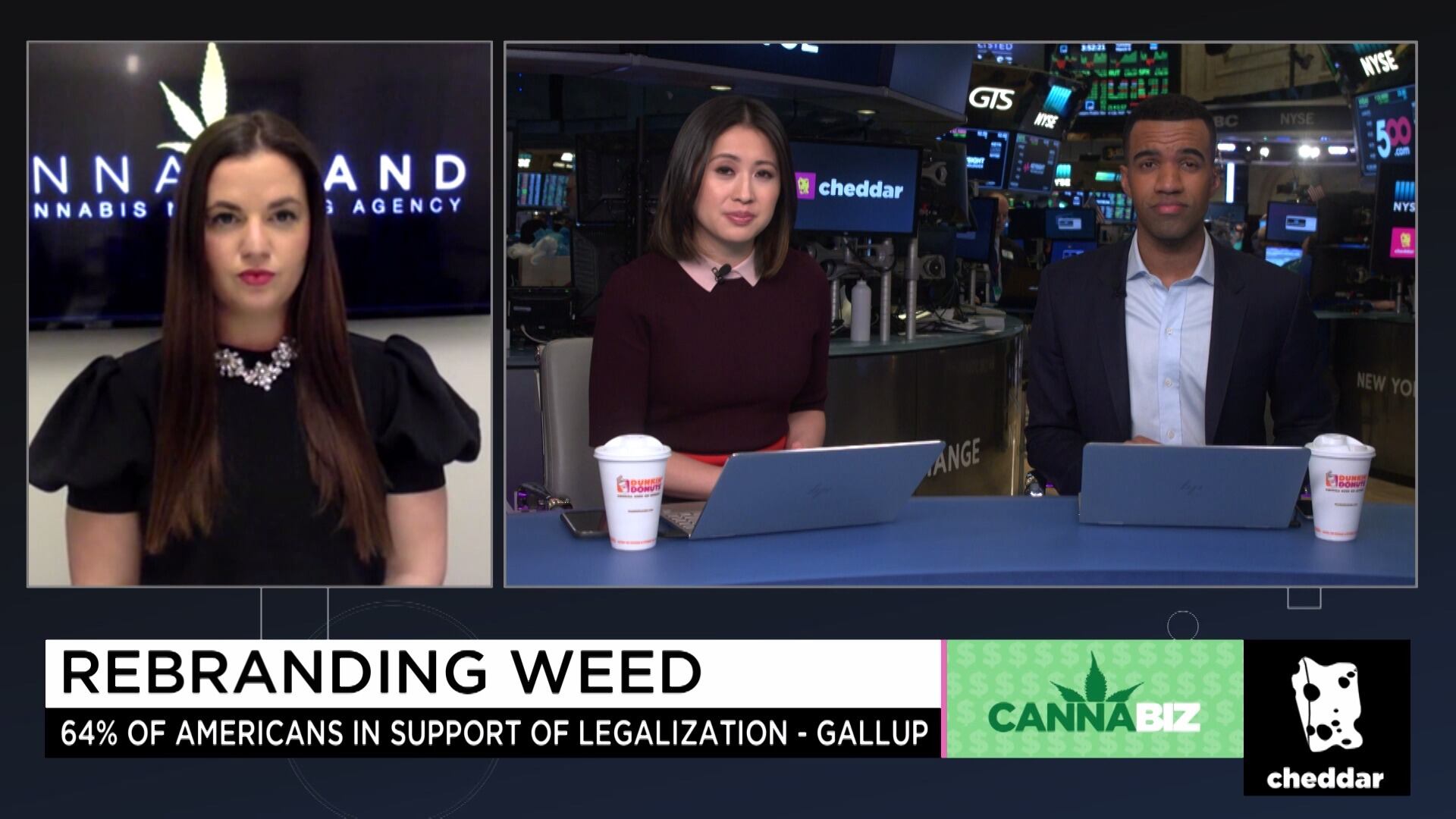
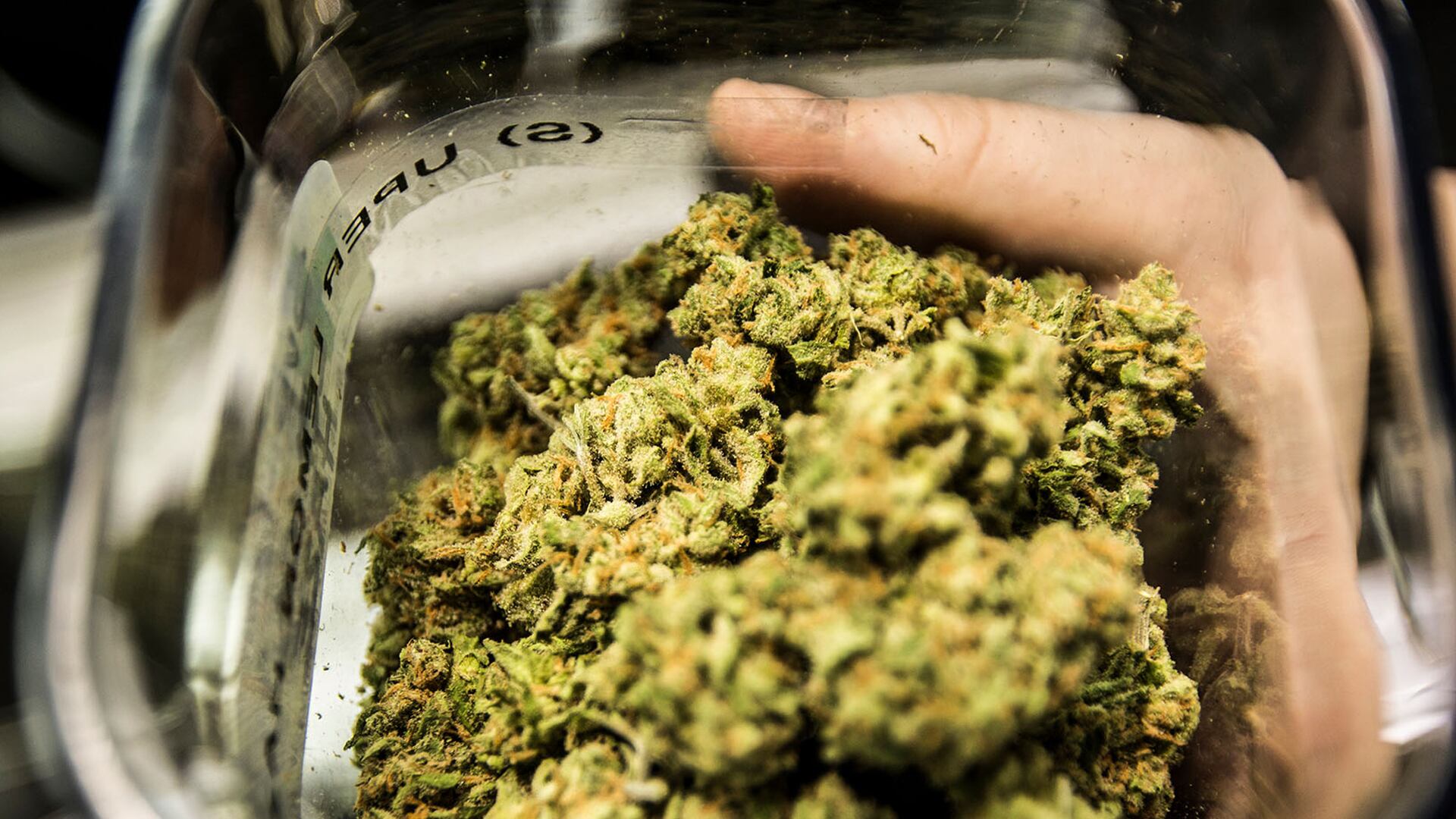
Marijuana businesses have undergone quite a makeover as more states adopt laws to allow medicinal and recreational use. Support to legalize marijuana is at record highs with 64 percent of Americans in support of legalization according to a Gallup poll. Cannabrand's Founder and CEO Olivia Mannix explains how the perception of this market has evolved.
Berkeley is the first city in the nation to become a sanctuary city for cannabis. Through a city council vote in February the group unanimously voted to prohibit any city agencies to use its resources to assist in enforcing federal marijuana laws. Berkeley Mayor Jesse Arreguín explains how this legislation is impacting his city.
This Changes Things hosts Baker Machado and Brad Smith explain how small businesses will be impacted by Trump's proposed tariffs. Plus, why Nordstrom rejected a bid from the company's founding family.
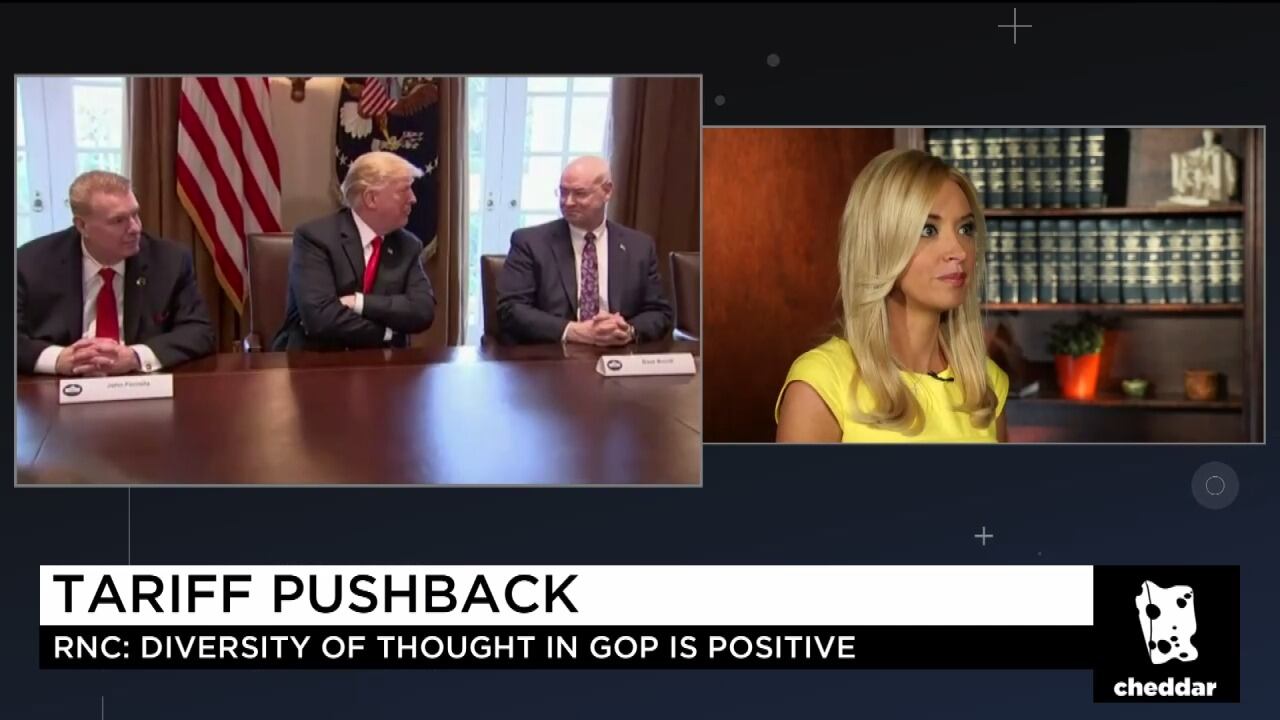
Cheddar spoke with RNC spokesperson Kayleigh McEnany who said, before the news broke, that it's important for Republicans get behind the president's trade policies.
Jesse Arreguín, mayor of Berkeley, Calif., says that local police officers will not collaborate with the DEA to enforce federal drug laws. Arreguín shared advice for cities and states considering becoming "sanctuaries" for cannabis.
ESPN has a new president, following the abrupt resignation of its former president in December. The popular trivia app HQ has received an additional $15 million in funding. In other funding news, the insurance app Lemonade recently secured $120 million in Series C funding. And we're joined by iconic travel writer Rick Steves to hear about his new book, "Travel as a Political Act."
President Trump is doubling down on his plan to place tariffs on steel and aluminum imports despite facing backlash from his own party. Michael Knowles, host of "The Michael Knowles Show" podcast on conservative site The Daily Wire, shares his take on trade wars and the 2018 midterm elections.
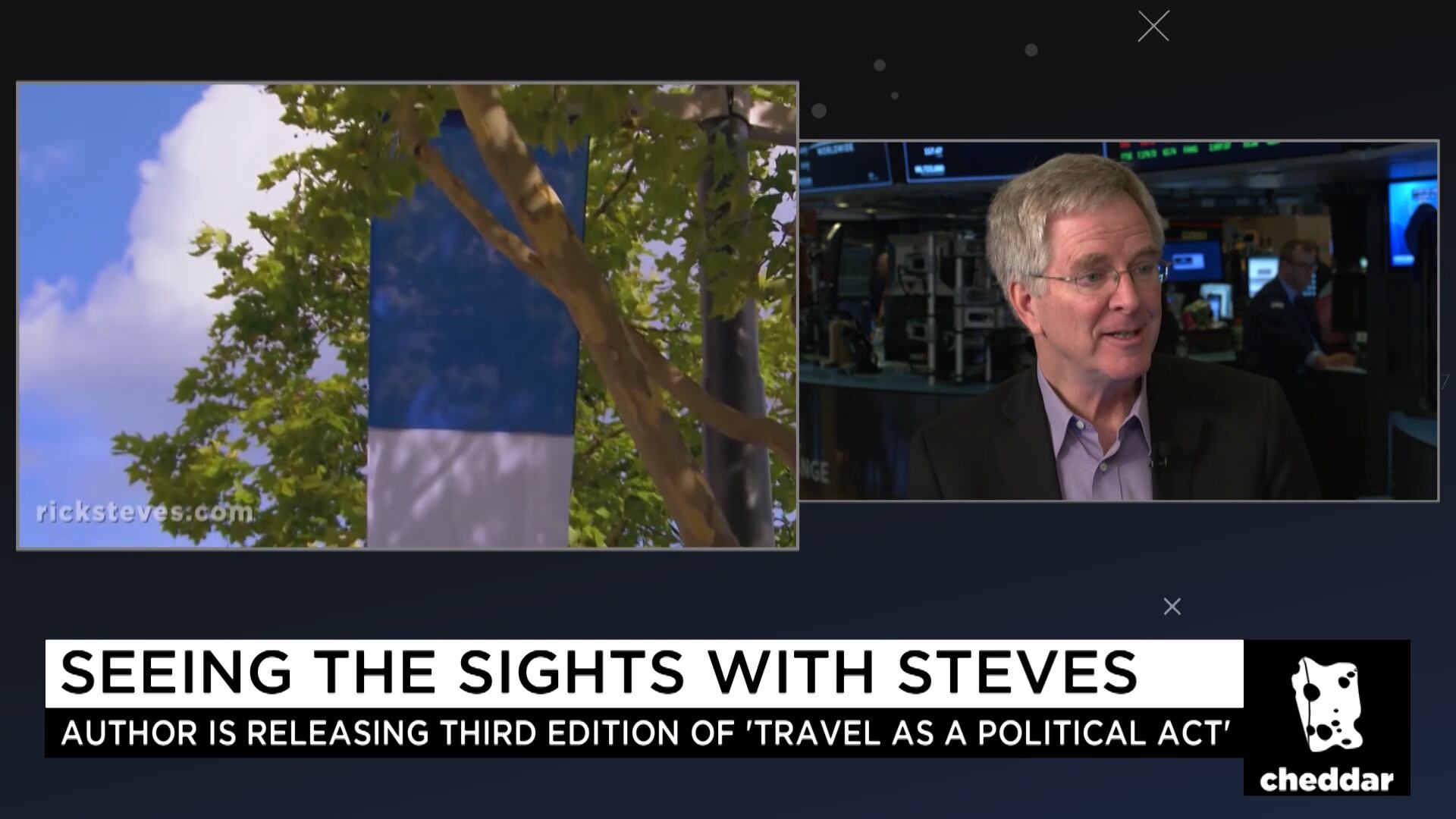
Rick Steves, author of "Travel As A Political Act," discusses why it's more important than ever for people to travel. This is the third edition of Steves' book.
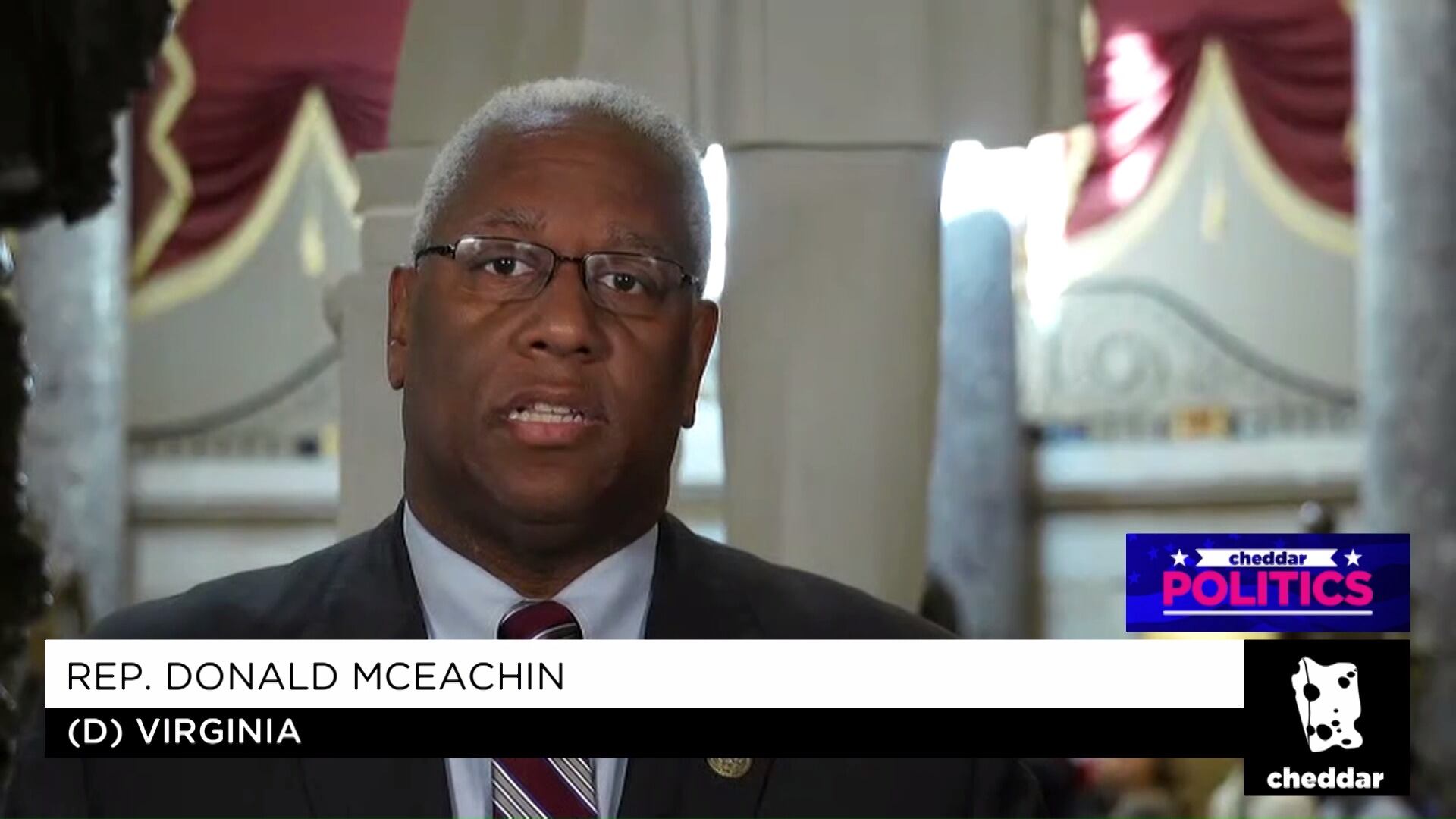
The Department of the Interior announced plans to expand offshore drilling, upsetting environmentalists and members of Congress alike. Congressman Donald McEachin, a democrat representing Virginia's fourth district, serves on the Natural Resources Committee. He believes the move shows the Trump Administration is "tone deaf" on the issue of offshore drilling.