The House of Representatives overwhelmingly passed the $2.2 trillion coronavirus aid package Friday afternoon, but what was expected to be a smooth confirmation process devolved into a mad dash in the Capitol after one of the House’s own threatened to derail the vote with a procedural objection. 

Rep. Thomas Massie (R-Ky. 4th Dist.) announced he would call for a recorded vote, which requires quorum — 216 members — to pass the relief bill. Lawmakers who had left Washington rushed back to make sure there were enough representatives to make a quorum, many of them furious about the health risk of traveling and meeting in a large group. 

When Massie stood up to request the recorded vote during Friday’s session, he was the only member to do so. With quorum met, the bill was permitted to pass by voice vote, which it did to cheers from the socially-distanced House members. The bill will now go to the president’s desk for his signature. 

In the absence of remote voting, House Speaker Nancy Pelosi had tried to give members the option to stay home by calling for a voice vote. That plan would have allowed most members, many in the high-risk category for coronavirus complications, to stay home while still providing a forum for members who wanted to speak on the floor. C-SPAN had even agreed to provide air time for members to broadcast short video statements if they did not wish to return to Washington D.C. 

House members, instead, debated while staying as far from each other as possible, with members standing in doorways, stairwells and even on the upper floor

Two RollColl reporters compiled a spreadsheet to keep track of which members had returned, and how they arrived in D.C. As of 1 pm ET Friday, it had been noted that at least 11 members had driven, some of whom said they had been on the road all night.

One of those members, Rep. Haley Stevens (D-Mich.11th Dist.) made a nearly nine-hour drive overnight and said “I rise for every American who is scared now,” raising her voice on the floor as a gavel signaled her time was over. Stevens, showing the latex gloves on her hands, said she wore them “not for personal attention, but to encourage you to take this disease seriously.” Her district is just outside Detroit, one of the regions dealing with an outbreak. 

“You will see darkness. You will be pushed. And our society needs you to stand together at this time,” she said. 

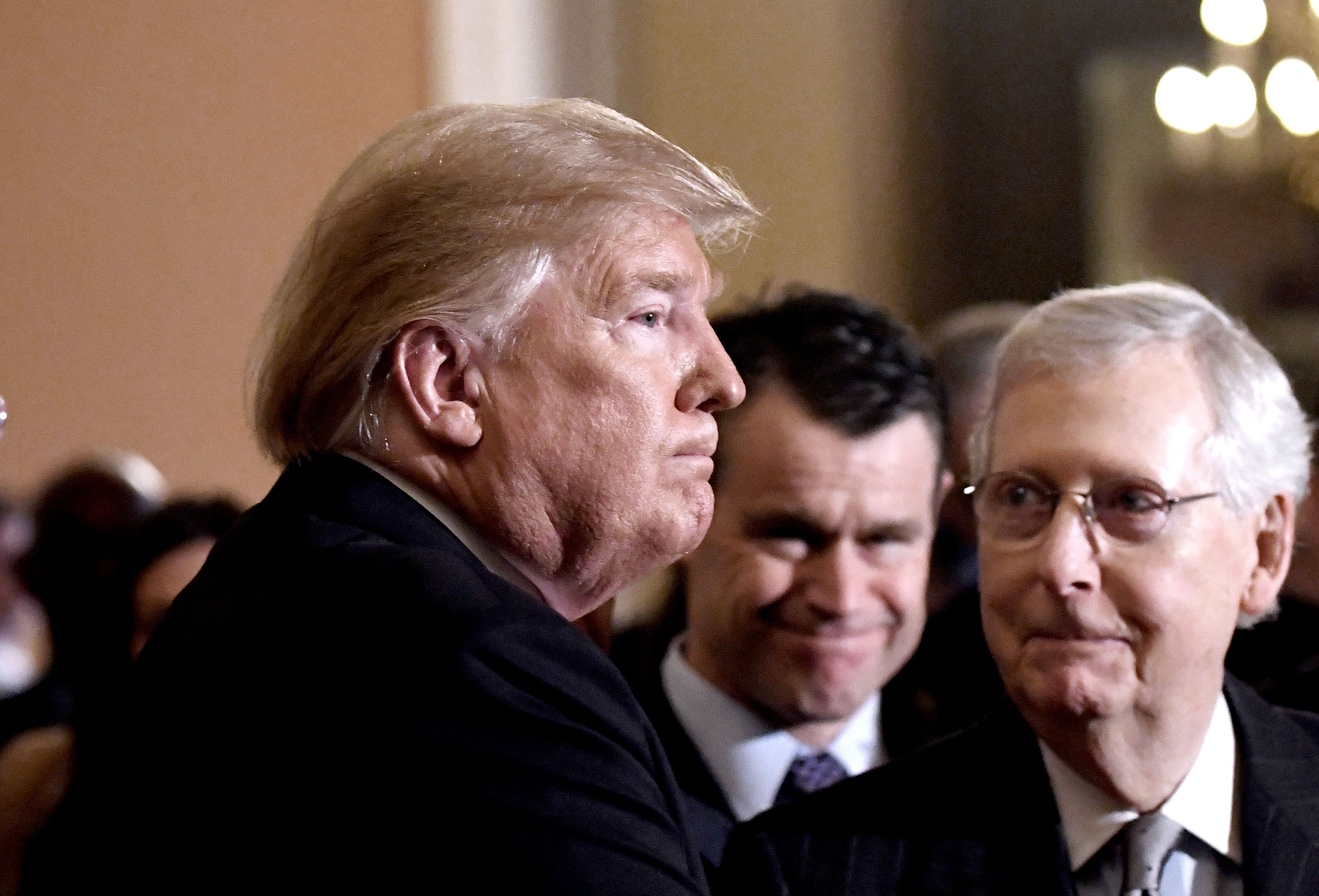
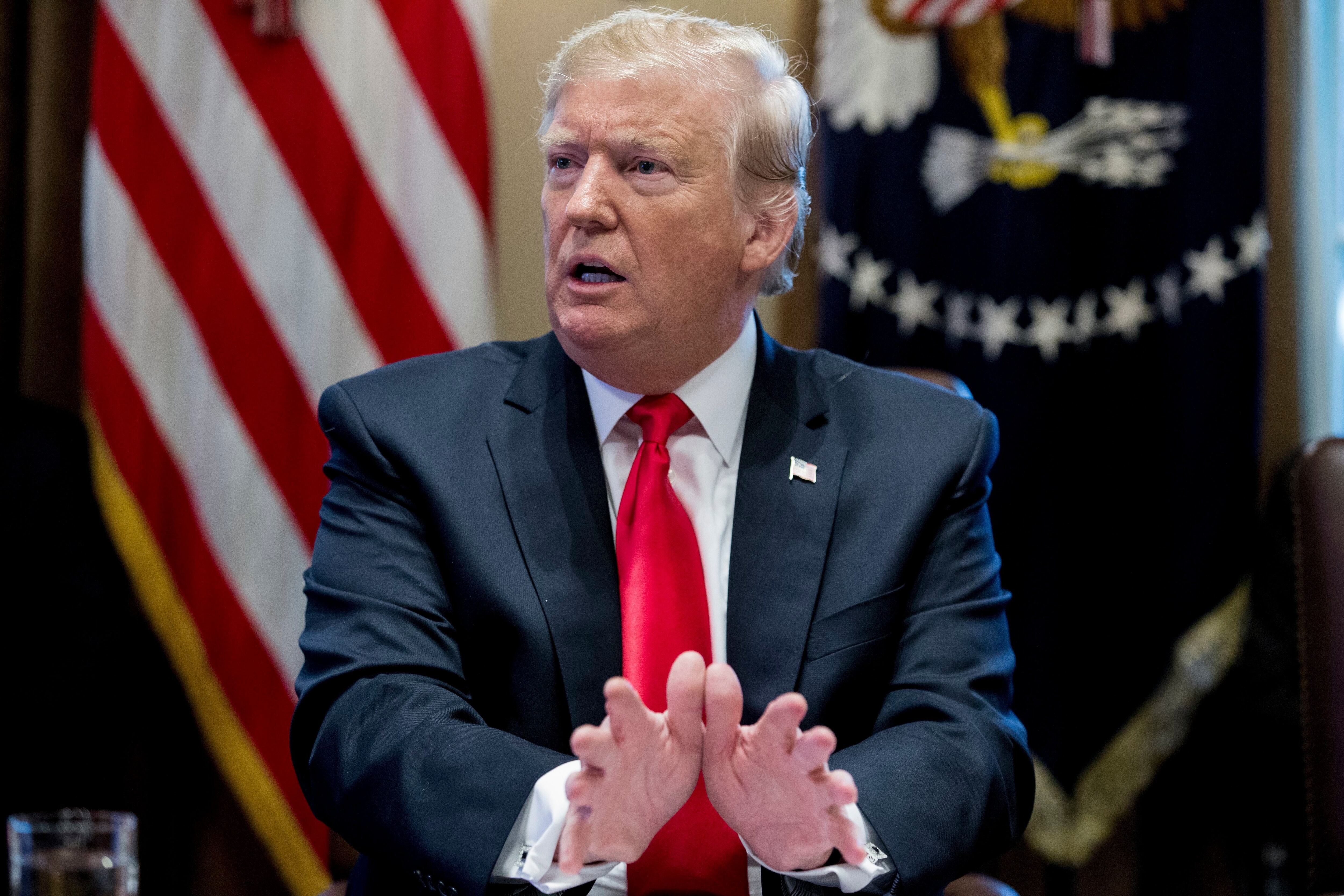
Massie did seem to bring together politicians across the aisle in their anger. President Trump called Massie a “third rate Grandstander” and former Secretary of State John Kerry said “congressman Massie has tested positive for being an asshole.” 

Share:
More In Politics
Cryptocurrencies Don't Belong Under SEC's Authority: Rep Soto
Cryptocurrencies and digital assets are ideally left to the jurisdiction of the U.S. Commodity Futures Trading Commission, rather than the Securities and Exchange Commission, according to Congressman Darren Soto (D-Fla.). "Securities laws can be very intense and hurt the market unless it’s truly a security,” Soto told Cheddar Thursday.
Dr. Phil Says Oprah Is Presidential Material
Television psychologist Phil McGraw, better known as Dr. Phil, praised his "best friend" and colleague in entertainment Oprah Winfrey in an almost-endorsement for a presidential run on Wednesday when he joined Cheddar to discuss his new podcast, "Phil in the Blanks."
Opening Bell: January 9, 2019
Apple is planning to slash production for its newer iPhone models by 10 percent this quarter, according to a report in the Nikkei. However, CEO Tim Cook continues to say that the iPhone XR is the best-selling phone in company history. Trade talks between China and the U.S. wrapped up Wednesday after an unscheduled third day of negotiations. Both sides expressed optimism over the progress made during these talks. Plus, Hope King sits down with Bridget Karlin, chief technology officer for IBM Global Technology Services, to talk about the future of blockchain and much more.
IRS Says Shutdown Will Not Impact Tax Refunds
The Internal Revenue Service says it will process tax returns at the end of the month, even though the government is shut down. Scott Hodge, president of the Tax Foundation, talked to Cheddar about how the agency is moving forward.
Should Networks Broadcast President Trump's Address to the Nation?
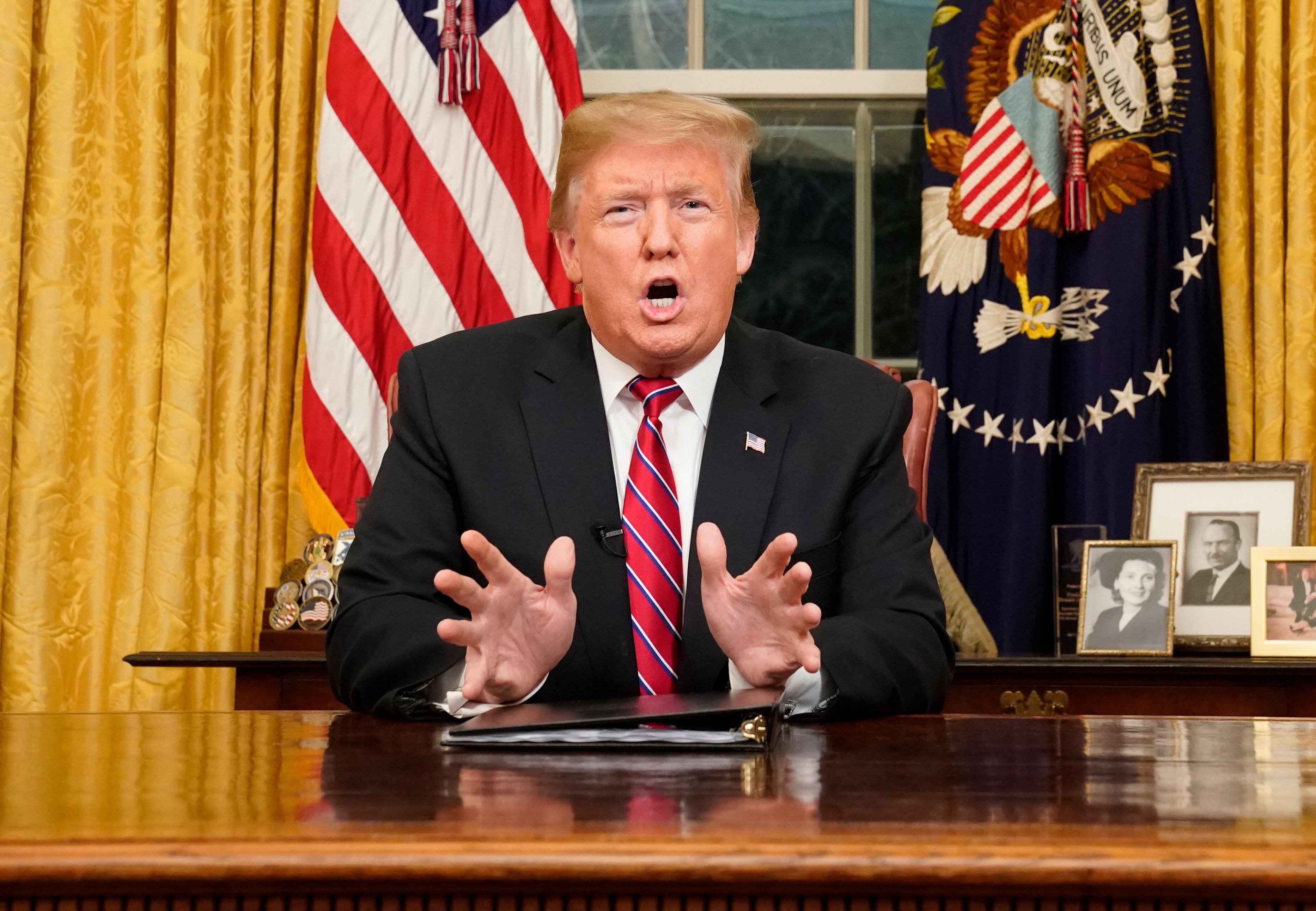
After a period of serious flip-flopping, major U.S. television networks have agreed to broadcast President Trump's Tuesday night Oval Office address on immigration to the nation, but according to Christine Emba of the Washington Post, the decision may not be sensical ー largely because it marks a significant departure.
One Government Worker's Furlough Struggle: 'We Don't Know When It's Going to End'
As the partial government shutdown spans its 18th day, furloughed federal workers like Sam Shirazi who have been placed on unpaid leave are struggling with both an immediate financial reality and a more amorphous sense of uncertainty. "We don't know when it's going to end, and it doesn't seem like it's going to end anytime soon," Shirazi told Cheddar's J.D. Durkin on Tuesday.
Are Alexandria Ocasio-Cortez's Tax Views That Far Out of the Mainstream?
When freshman Democratic Rep. Alexandria Ocasio-Cortez floated the idea to Anderson Cooper on "60 Minutes" Sunday that the very wealthy pay a marginal tax rate as high as 70 percent, it got pundits and politicians all worked up. What exactly was the newly-elected, self-proclaimed radical proposing?
Load More