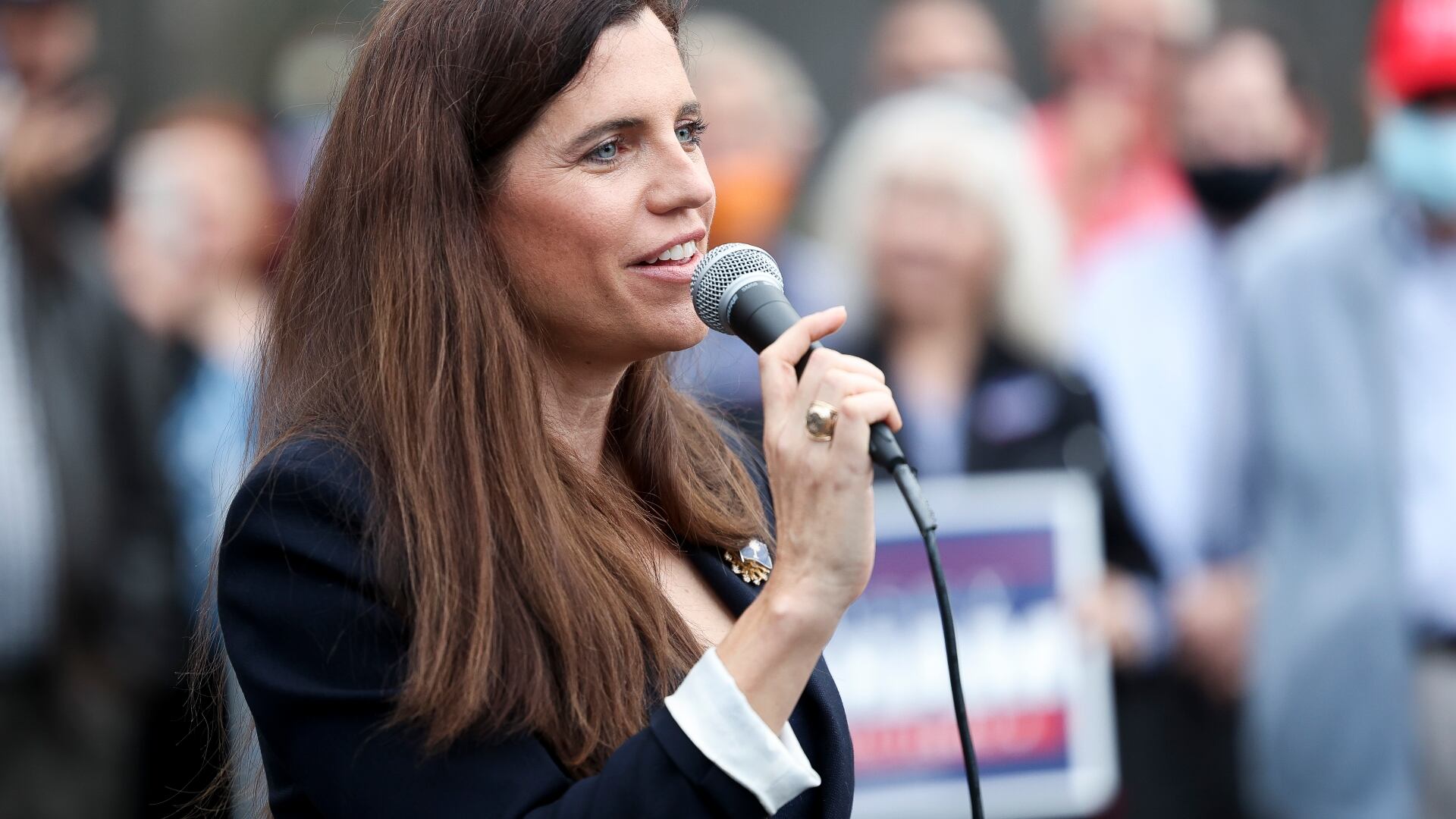
The House of Representatives overwhelmingly passed the $2.2 trillion coronavirus aid package Friday afternoon, but what was expected to be a smooth confirmation process devolved into a mad dash in the Capitol after one of the House’s own threatened to derail the vote with a procedural objection.
Rep. Thomas Massie (R-Ky. 4th Dist.) announced he would call for a recorded vote, which requires quorum — 216 members — to pass the relief bill. Lawmakers who had left Washington rushed back to make sure there were enough representatives to make a quorum, many of them furious about the health risk of traveling and meeting in a large group.
When Massie stood up to request the recorded vote during Friday’s session, he was the only member to do so. With quorum met, the bill was permitted to pass by voice vote, which it did to cheers from the socially-distanced House members. The bill will now go to the president’s desk for his signature.
In the absence of remote voting, House Speaker Nancy Pelosi had tried to give members the option to stay home by calling for a voice vote. That plan would have allowed most members, many in the high-risk category for coronavirus complications, to stay home while still providing a forum for members who wanted to speak on the floor. C-SPAN had even agreed to provide air time for members to broadcast short video statements if they did not wish to return to Washington D.C.
House members, instead, debated while staying as far from each other as possible, with members standing in doorways, stairwells and even on the upper floor.
Two RollColl reporters compiled a spreadsheet to keep track of which members had returned, and how they arrived in D.C. As of 1 pm ET Friday, it had been noted that at least 11 members had driven, some of whom said they had been on the road all night.
One of those members, Rep. Haley Stevens (D-Mich.11th Dist.) made a nearly nine-hour drive overnight and said “I rise for every American who is scared now,” raising her voice on the floor as a gavel signaled her time was over. Stevens, showing the latex gloves on her hands, said she wore them “not for personal attention, but to encourage you to take this disease seriously.” Her district is just outside Detroit, one of the regions dealing with an outbreak.
“You will see darkness. You will be pushed. And our society needs you to stand together at this time,” she said.
Massie did seem to bring together politicians across the aisle in their anger. President Trump called Massie a “third rate Grandstander” and former Secretary of State John Kerry said “congressman Massie has tested positive for being an asshole.”
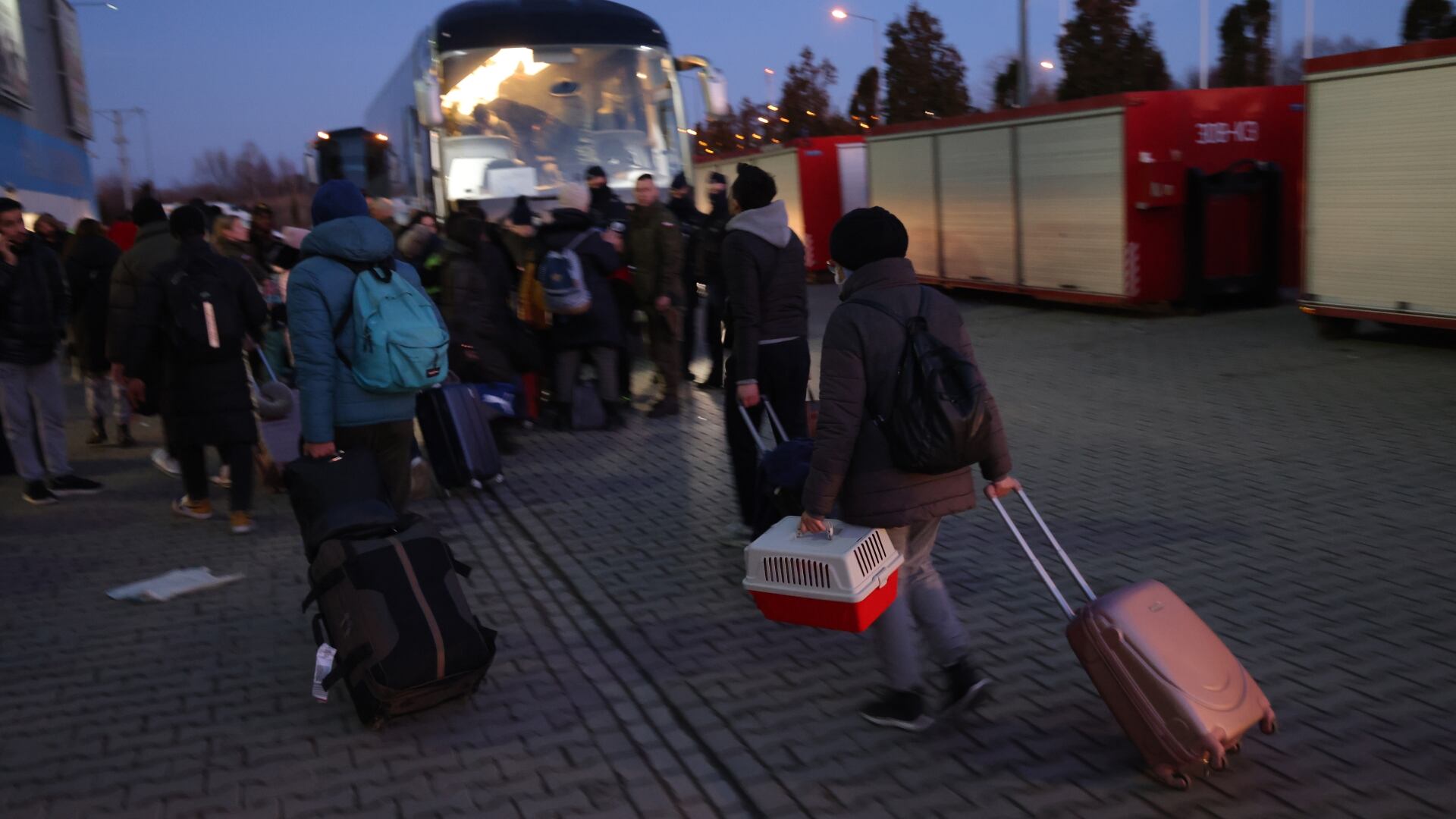
The United Nations High Commissioner for Refugees (UNHCR) has reported that an estimated one million people have fled from Ukraine since Russia invaded. Christopher Boian, senior communications officer at UNHCR, joined Cheddar News to report on the current refugee crisis and what the world might expect if conditions continue to worsen. "We have planning figures that forecast as many as four million people could be forced to flee Ukraine," he said. "But that very much depends on how the conflict underway in that country at the moment unfolds in the days and possibly weeks ahead."
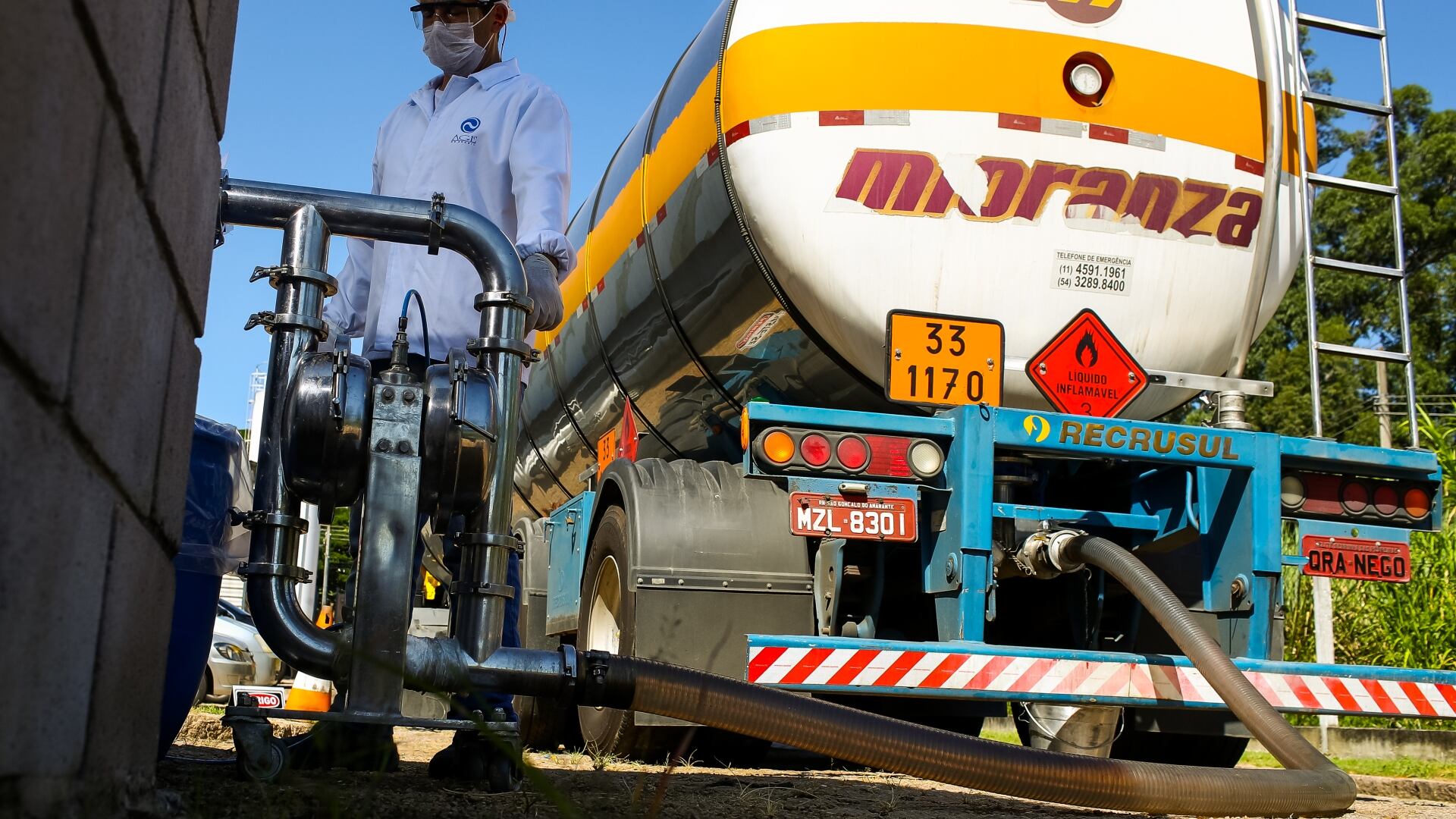
Under the U.S. Renewable Fuel Standard (RFS), corn-based ethanol has been mixed into gasoline sold at pumps in the U.S. since 2005, when a policy was enacted aimed at reducing emissions. Corn-based ethanol had been thought to be a relatively greener energy source compared to other biofuels, but now, a new study published in the Proceedings of the National Academy of Sciences reports it may be actually worse for the climate than straight gasoline. Tyler Lark, an assistant scientist at the University of Wisconsin-Madison's Center for Sustainability, joined Cheddar News' Closing Bell and discussed the pushback against the study. "Essentially when you need to produce more corn to meet the demand for use as ethanol as fuel, farmers respond and they switch more crops like soybeans and wheat into corn," Lark said. "They also bring more land into production, so things that used to be pasture grassland, and both those activities are associated with increased greenhouse gas emissions."
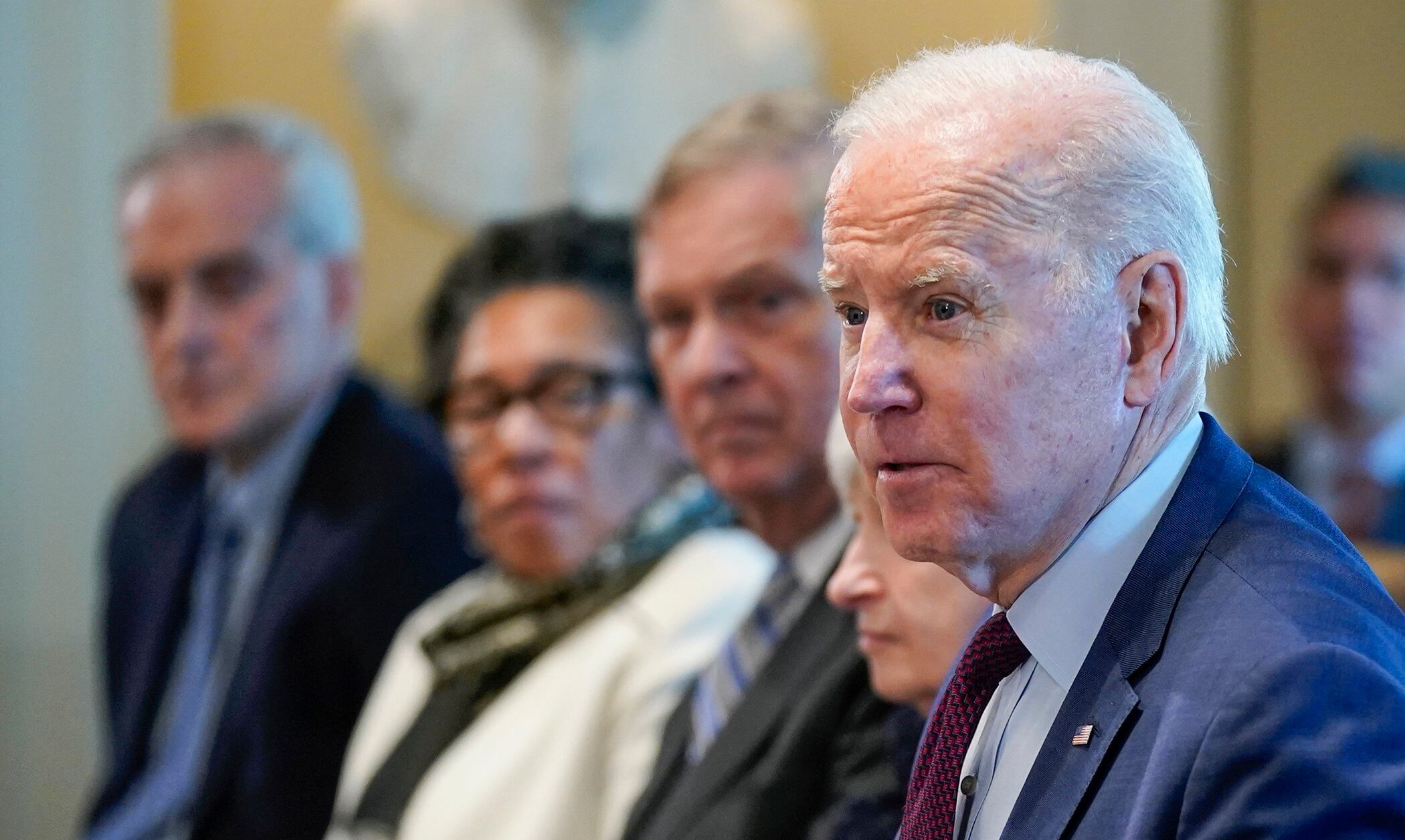
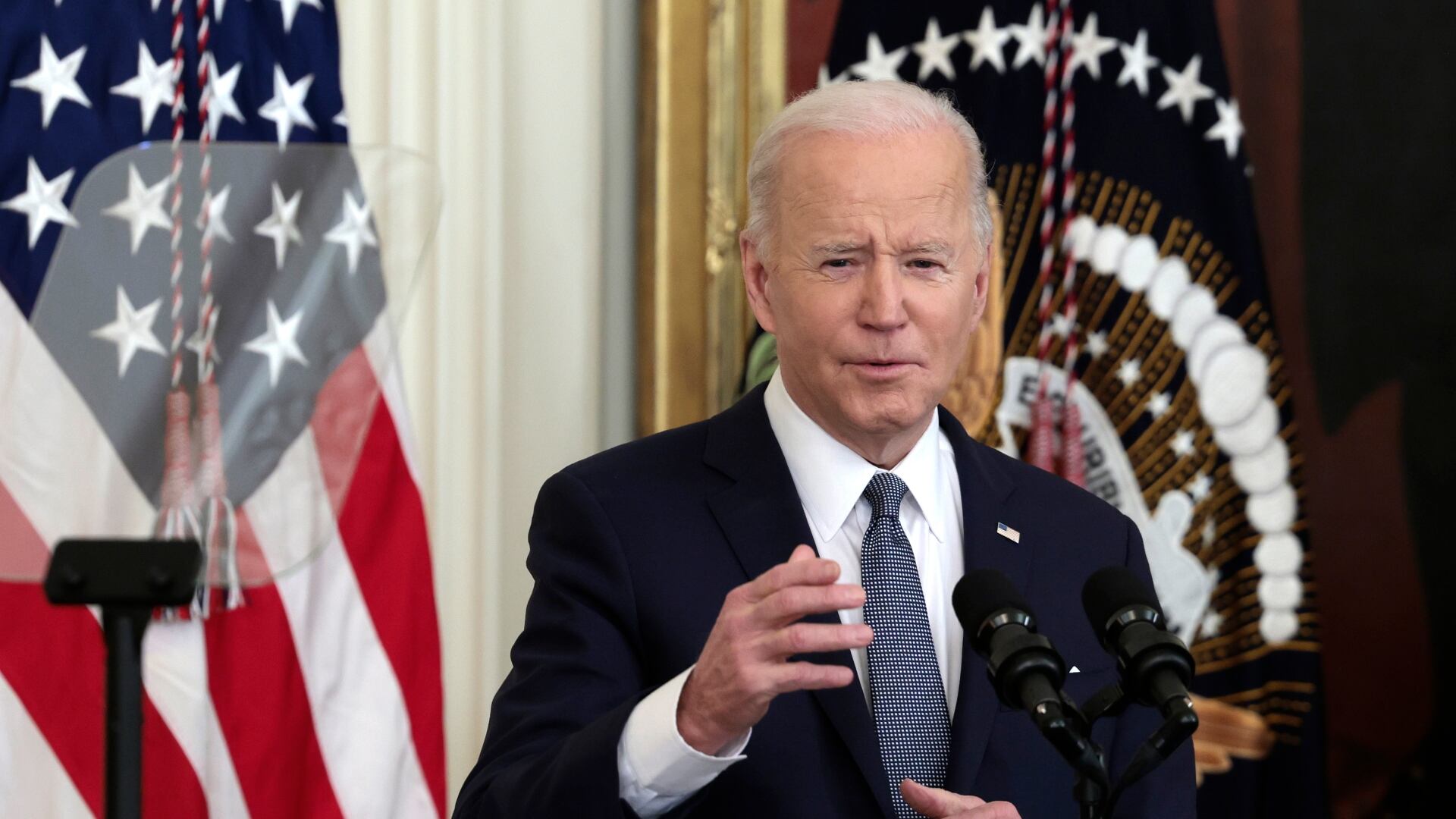
U.S. President Joe Biden’s administration on Thursday announced new sanctions against Russian oligarchs and others in President Vladimir Putin’s inner circle.
Christian Blauvelt, executive managing editor at IndieWire, joins Cheddar News to discuss the growing number of studios pulling content from Russia over Ukraine invasion.
Russian forces are battling for control of a crucial energy-producing city in Ukraine’s south and gaining ground in their bid to cut off the country from the sea.
In the past few years, Betthany Frankel has made a major name for herself as a philanthropist after founding the
BStrong initiative, which has provided relief to people impacted by natural disasters as well as the COVID-19 pandemic. Now, BStrong is shifting its focus to Ukraine, raising millions of dollars in donations for those impacted by Russia's invasion. Bethenny Frankel, the founder of BStrong, joins Cheddar News' Closing Bell to discuss.
Bryan Lee, Chief Investment Officer at Blue Zone Wealth Advisors, joins Cheddar News' Closing Bell, where he elaborates on the volatility we've seen in the markets this week fueled by rising oil prices and the ongoing Russian invasion of Ukraine.
Francesca Chambers, White House correspondent for McClatchy, joins Cheddar News to discuss all the topics President Biden has to juggle in his State of the Union address.