With a major question mark still hanging over the possibility of meaningful gun reform, President Donald Trump may be turning his attention to regulating video game makers instead.
The commander-in-chief will [reportedly](http://thehill.com/policy/technology/376836-white-house-to-hold-meeting-with-video-game-industry-on-thursday) meet with industry executives on Thursday to discuss their role in preventing violent behavior.
But New York Magazine Select All Associate Editor Madison Malone Kircher says game makers are not the problem.
“Studies have shown there really is no connection between violent video games and violent actions,” she told Cheddar Monday. “The American Psychological Association came out a year ago and said to politicians and to the media [to] stop equating the two. There’s a link to a rise in slight aggression, but there’s insufficient evidence to say that these games lead to violent gun deaths.”
In a meeting with survivors of last month’s Parkland, Fla., shooting and other attacks, Trump suggested first-person shooter games and other seemingly violent content should be subject to a ratings system. One does already exist.
And Malone Kircher says Thursday’s confab is unlikely to result in more constraints on a system that’s already so highly regulated.
“It’s a pretty stringent system as it is now,” she said. “This has been through the Supreme Court. California in 2011 ruled that you can continue to sell these games to kids, and that was fine.”
For the full interview, [click here](https://cheddar.com/videos/inside-trumps-flip-flop-on-gun-reform).
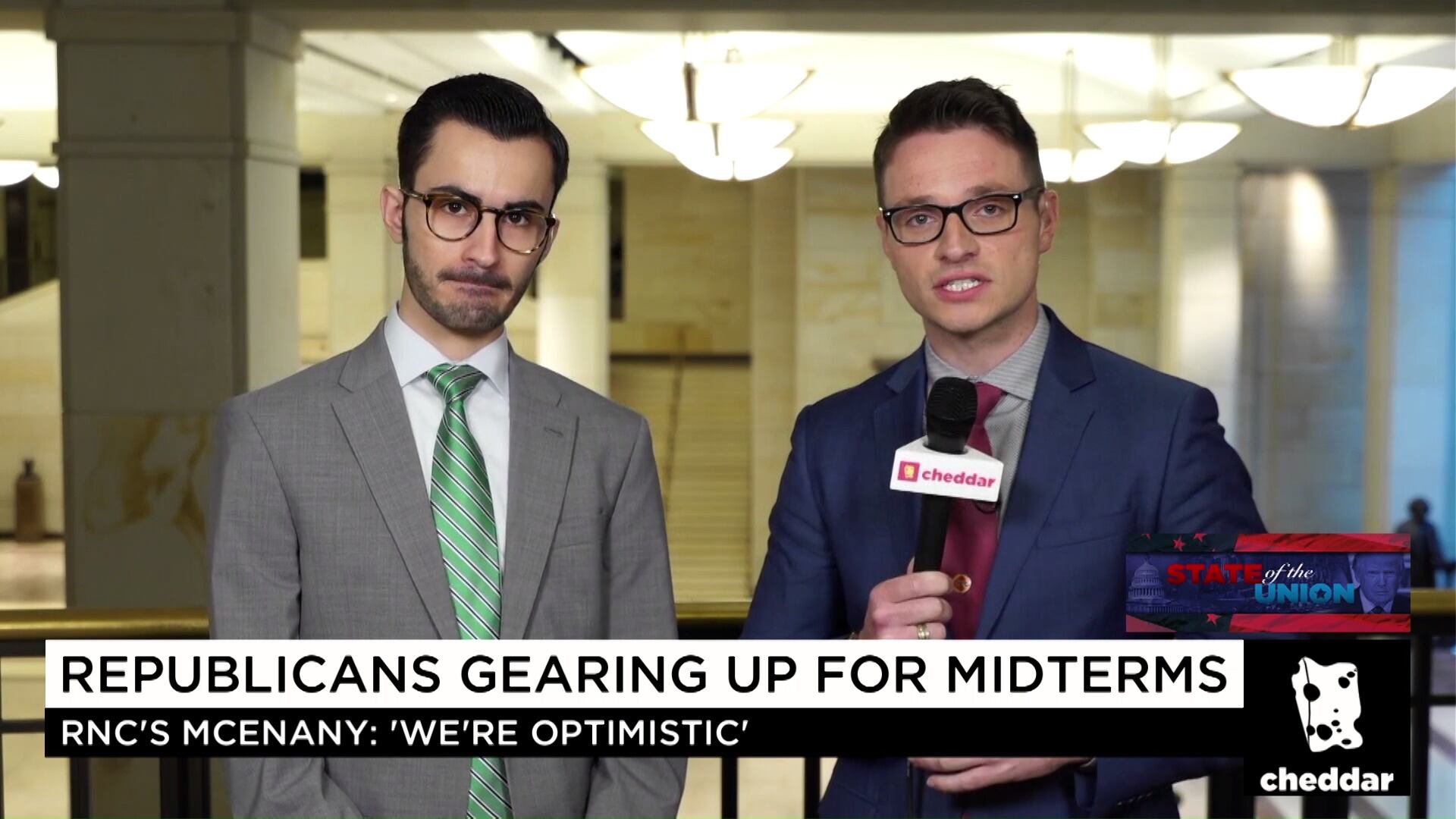
In a Cheddar Special Report, anchors Baker Machado and J.D. Durkin bring you all the latest ahead of President Trump’s first State of the Union address.
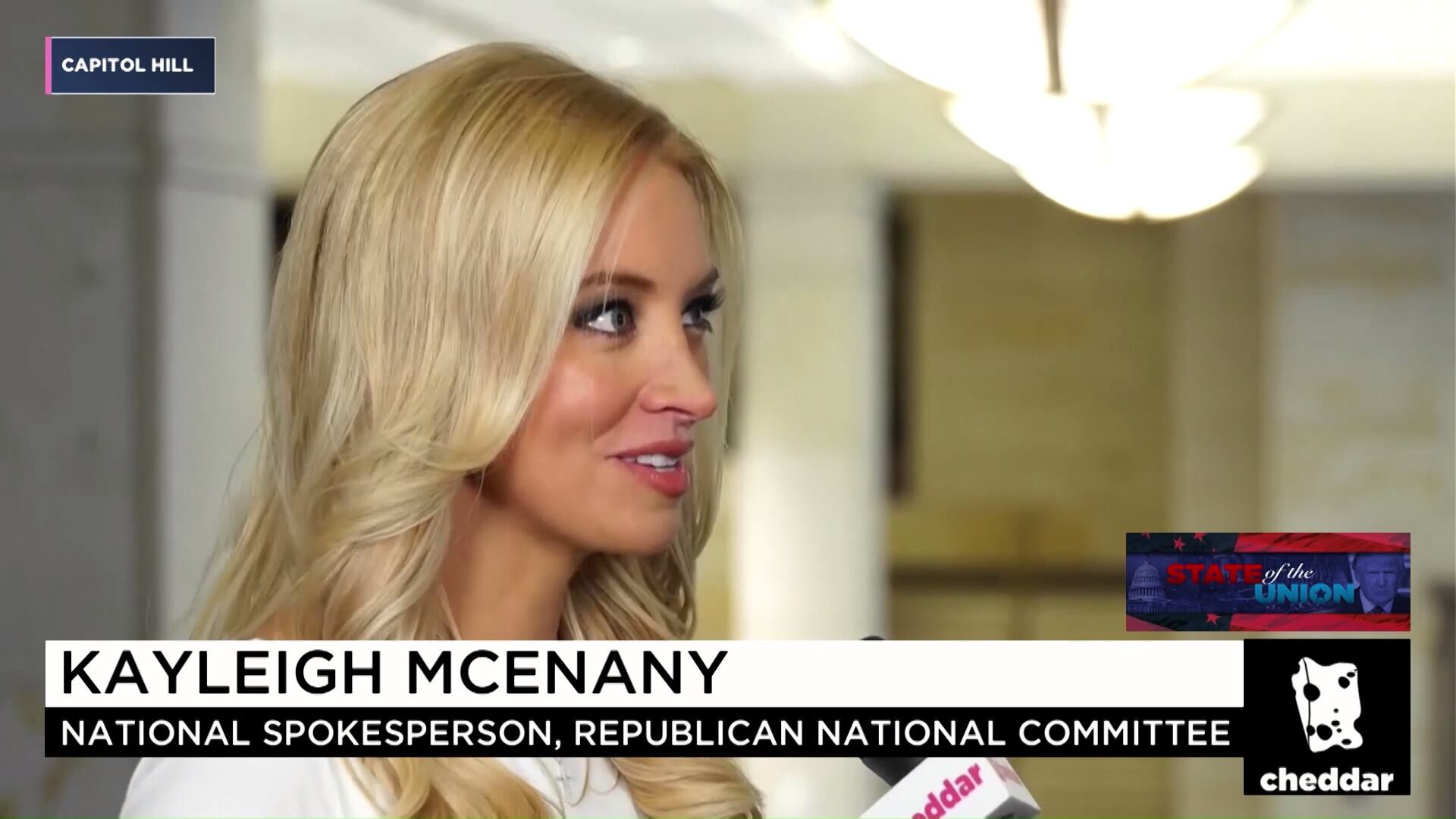
RNC National Spokesperson Kayleigh McEnany says that the media leans left and isn't giving President Trump a fair shot. The Daily Beast's Andrew Desiderio discusses McEnany's claims and takes a look at what he expects from President Trump's first State of the Union address.
After one year in office, President Trump will deliver his first State of the Union address. Immigration and the economy are expected to take center stage during the night. RNC National Spokesperson Kayleigh McEnany previews what she expects to hear from the president.
Congresswoman Maxine Waters (D-CA) is one of a group of Democrats who will be boycotting President Trump's State of the Union address. She talks to Cheddar about the reasons why.
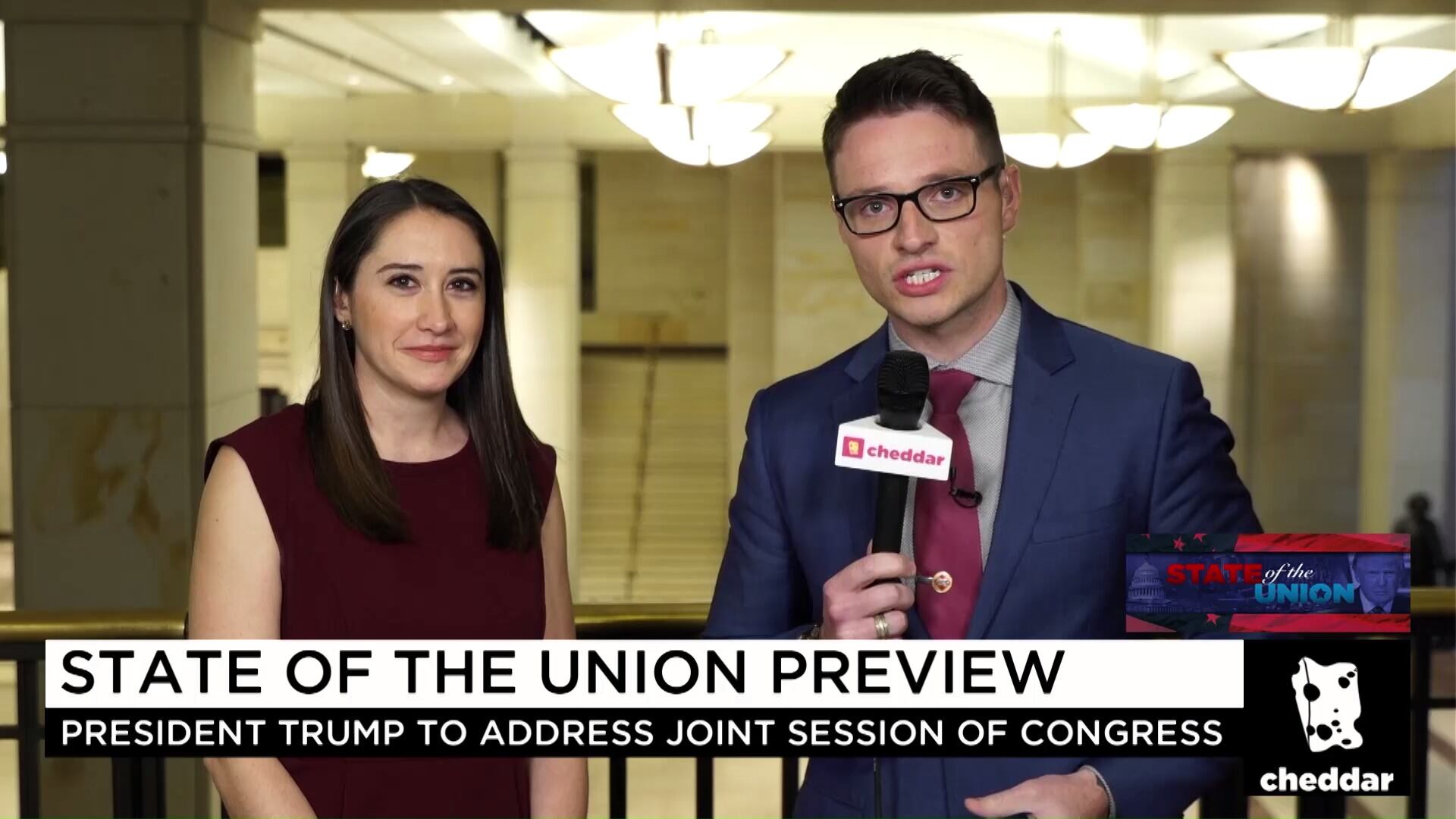
President Trump is one year into his term. The stock markets are at historically high levels, and unemployment at the lowest levels in years. Washington Examiner's Breaking News Reporter Melissa Quinn gives her take on what we can expect to hear from President Trump during the State of the Union.
Vimeo coming off a big year of changes in 2017. The company's CEO Anjali Sud explains how these changes are driving growth for the company. A look at the business of marijuana on Cheddar's Cannabiz. The New York Times released an investigative piece on the dark world of buying followers and bots for social media fame and recognition. Facebook faces calls to remove its messenger app for kids. The Dow closed today down more than 300 points. The major dip occurred on the same day as President Trump's first State of the Union address.
Amazon is joining forces with Berkshire Hathaway and JPMorgan Chase to bring their employees better and cheaper healthcare. EasyJet's CEO is giving himself a pay cut to match the salary of his female predecessor. Actor Jeff Hiller joins us to discuss stepping into a critically-acclaimed off-Broadway solo show already in progress. Plus, we talk to Chat Sports about the Cleveland Indians' decision to do away with their controversial logo.
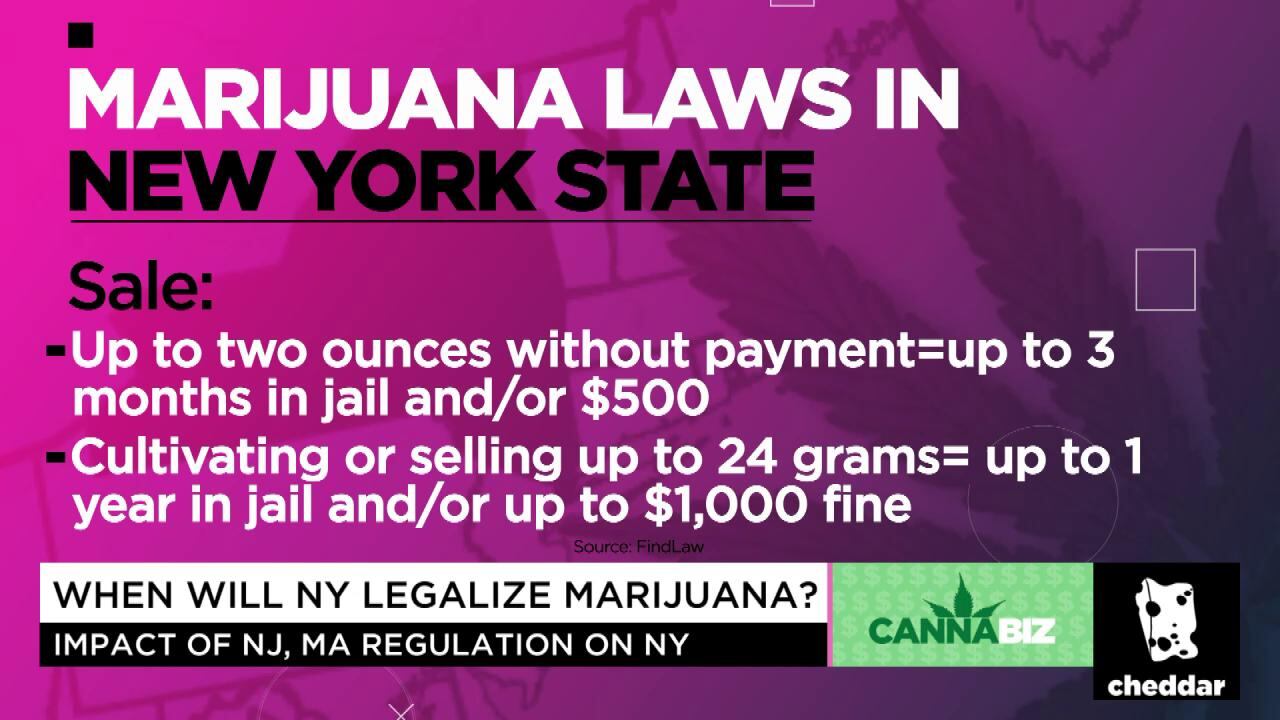
New York State Senator Gustavo Rivera points out that having nearby states change taxation and other laws around marijuana could help convince lawmakers in his own state to legalize recreational use as well.
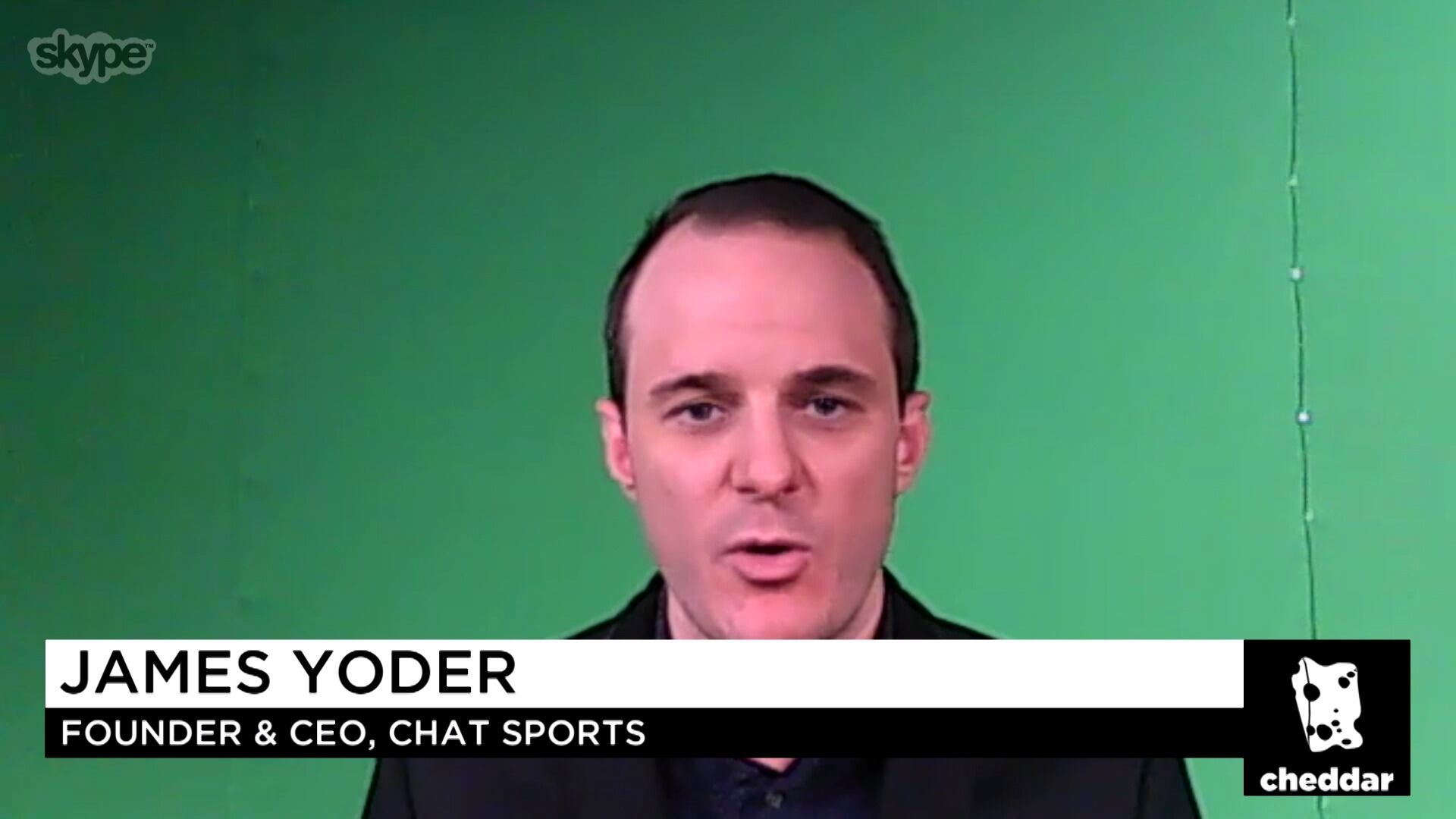
After years of protest, the Cleveland Indians will remove Chief Wahoo from their uniforms starting in 2019. Chat Sports Founder and CEO James Yoder explains the timing behind the team's decision.
President Trump has five days to decide whether to release a classified memo to the public that alleges abuses of power by the Justice Department and FBI in the Russia investigation.