With a major question mark still hanging over the possibility of meaningful gun reform, President Donald Trump may be turning his attention to regulating video game makers instead.
The commander-in-chief will [reportedly](http://thehill.com/policy/technology/376836-white-house-to-hold-meeting-with-video-game-industry-on-thursday) meet with industry executives on Thursday to discuss their role in preventing violent behavior.
But New York Magazine Select All Associate Editor Madison Malone Kircher says game makers are not the problem.
“Studies have shown there really is no connection between violent video games and violent actions,” she told Cheddar Monday. “The American Psychological Association came out a year ago and said to politicians and to the media [to] stop equating the two. There’s a link to a rise in slight aggression, but there’s insufficient evidence to say that these games lead to violent gun deaths.”
In a meeting with survivors of last month’s Parkland, Fla., shooting and other attacks, Trump suggested first-person shooter games and other seemingly violent content should be subject to a ratings system. One does already exist.
And Malone Kircher says Thursday’s confab is unlikely to result in more constraints on a system that’s already so highly regulated.
“It’s a pretty stringent system as it is now,” she said. “This has been through the Supreme Court. California in 2011 ruled that you can continue to sell these games to kids, and that was fine.”
For the full interview, [click here](https://cheddar.com/videos/inside-trumps-flip-flop-on-gun-reform).
Cheddar's CannaBiz explores the latest trends, politics, and market opportunity in this space. Cheddar Anchor's Brad Smith, Hope King and Alyssa Julya Smith speak with legislators and start-up founders in this emerging market.
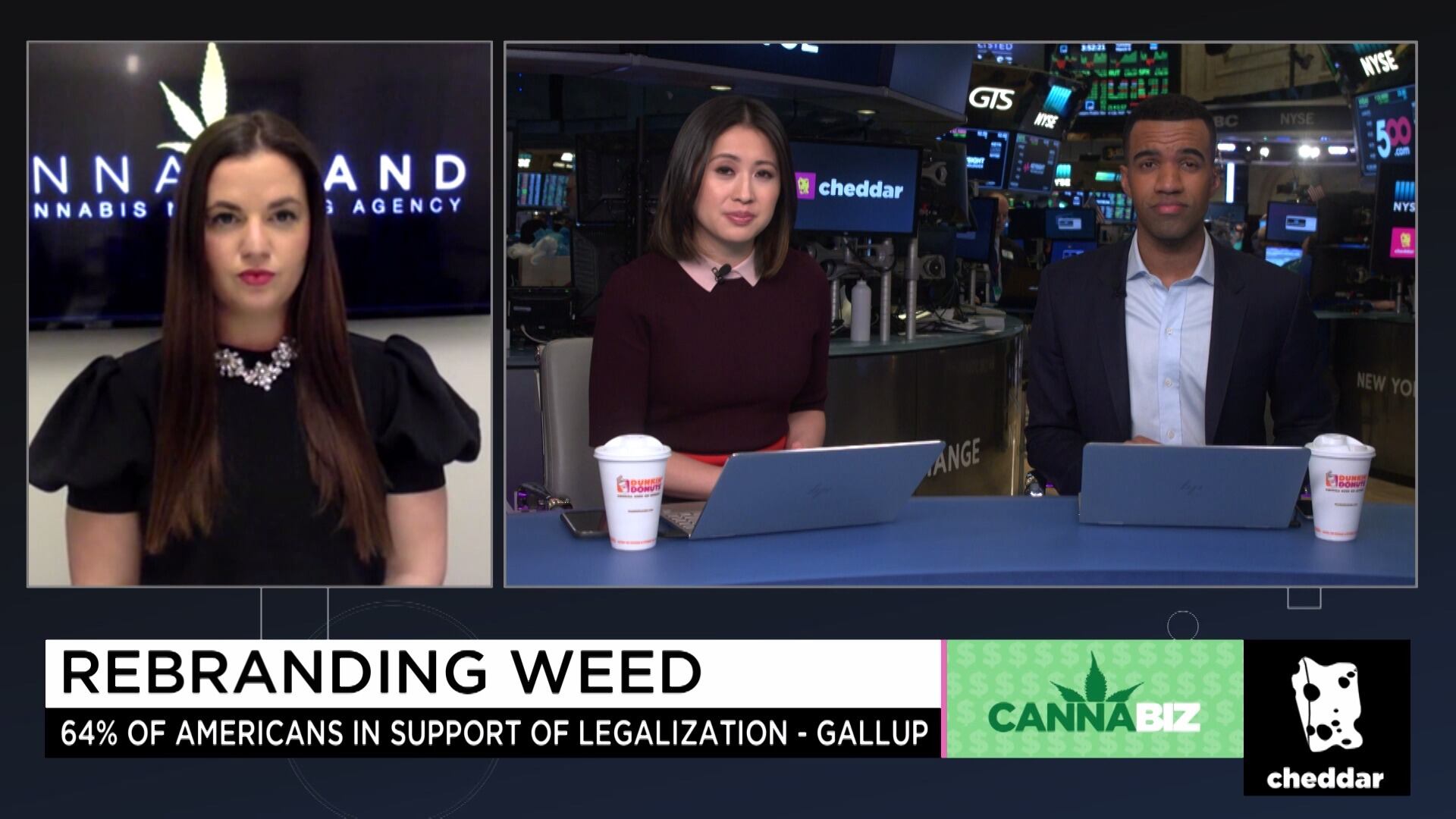
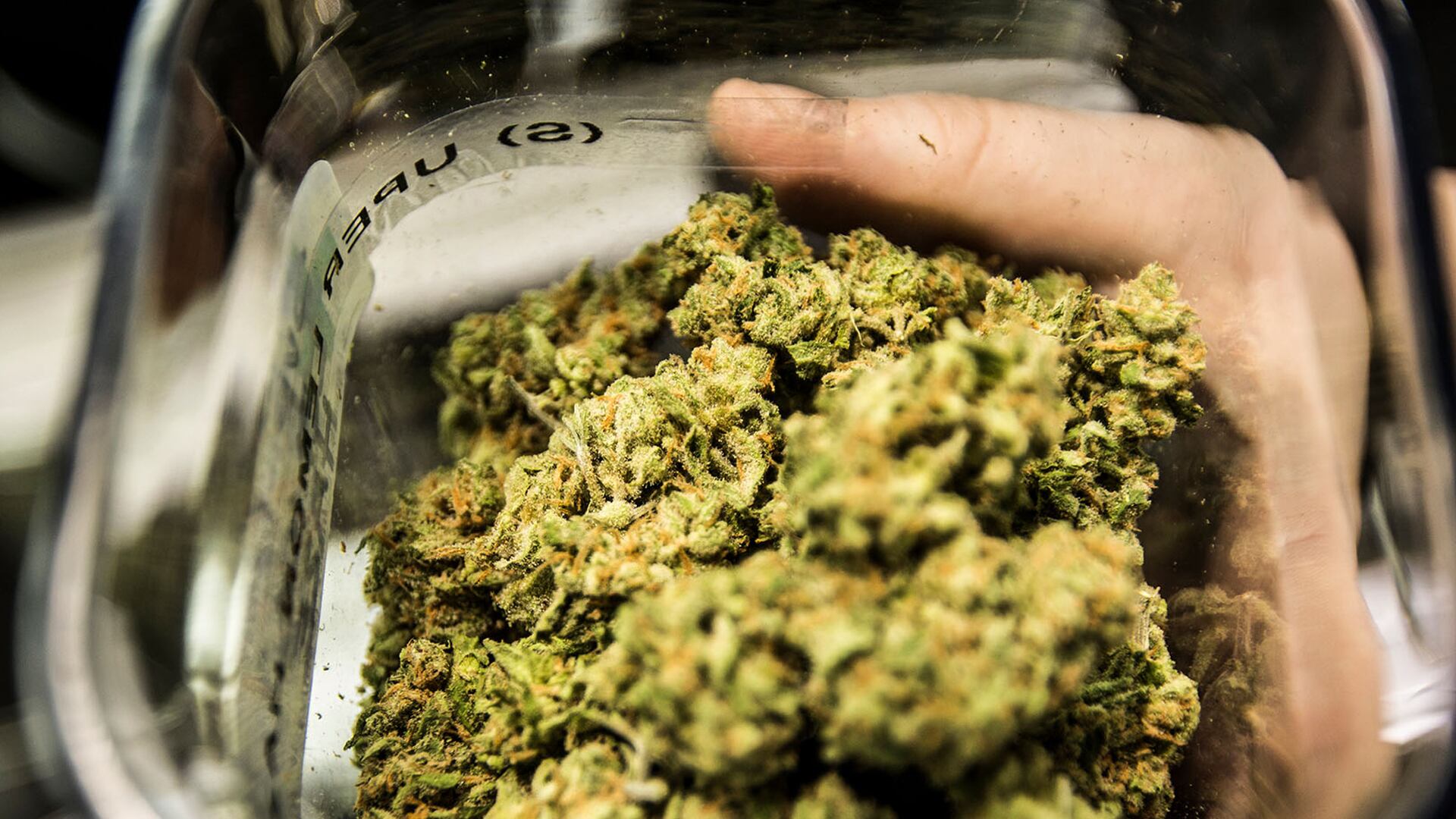
Marijuana businesses have undergone quite a makeover as more states adopt laws to allow medicinal and recreational use. Support to legalize marijuana is at record highs with 64 percent of Americans in support of legalization according to a Gallup poll. Cannabrand's Founder and CEO Olivia Mannix explains how the perception of this market has evolved.
Berkeley is the first city in the nation to become a sanctuary city for cannabis. Through a city council vote in February the group unanimously voted to prohibit any city agencies to use its resources to assist in enforcing federal marijuana laws. Berkeley Mayor Jesse Arreguín explains how this legislation is impacting his city.
This Changes Things hosts Baker Machado and Brad Smith explain how small businesses will be impacted by Trump's proposed tariffs. Plus, why Nordstrom rejected a bid from the company's founding family.
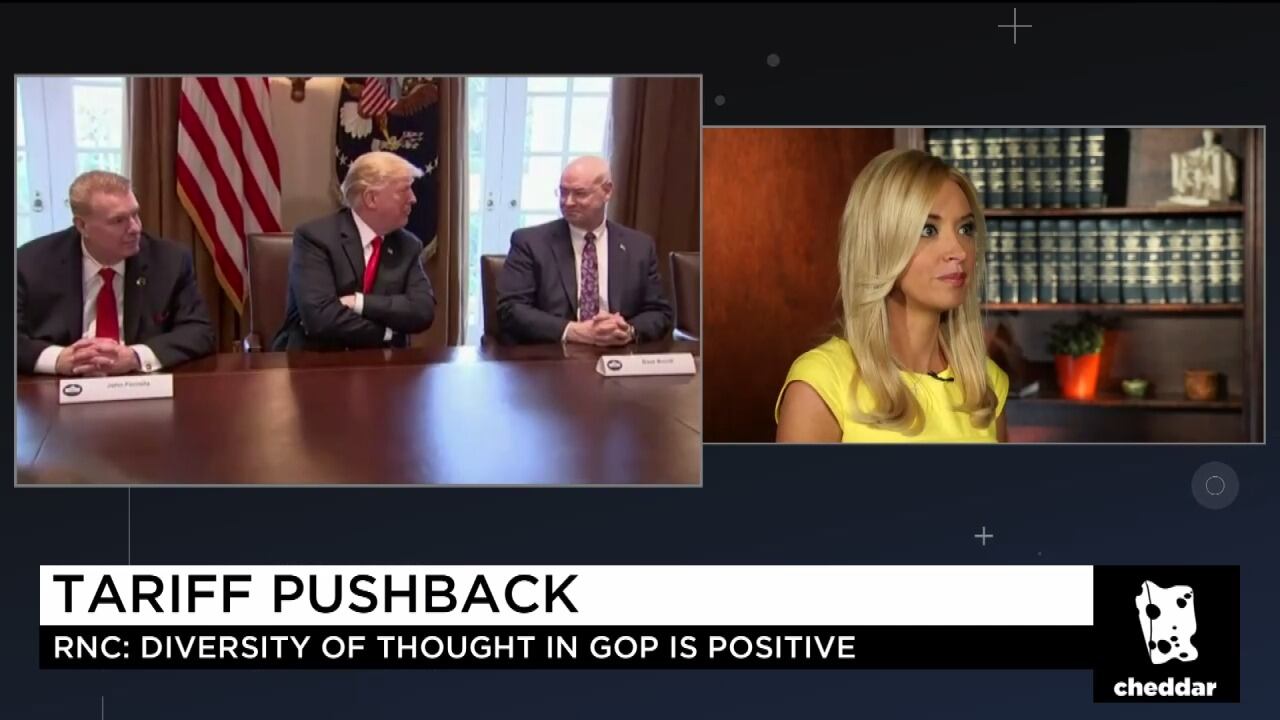
Cheddar spoke with RNC spokesperson Kayleigh McEnany who said, before the news broke, that it's important for Republicans get behind the president's trade policies.
Jesse Arreguín, mayor of Berkeley, Calif., says that local police officers will not collaborate with the DEA to enforce federal drug laws. Arreguín shared advice for cities and states considering becoming "sanctuaries" for cannabis.
ESPN has a new president, following the abrupt resignation of its former president in December. The popular trivia app HQ has received an additional $15 million in funding. In other funding news, the insurance app Lemonade recently secured $120 million in Series C funding. And we're joined by iconic travel writer Rick Steves to hear about his new book, "Travel as a Political Act."
President Trump is doubling down on his plan to place tariffs on steel and aluminum imports despite facing backlash from his own party. Michael Knowles, host of "The Michael Knowles Show" podcast on conservative site The Daily Wire, shares his take on trade wars and the 2018 midterm elections.
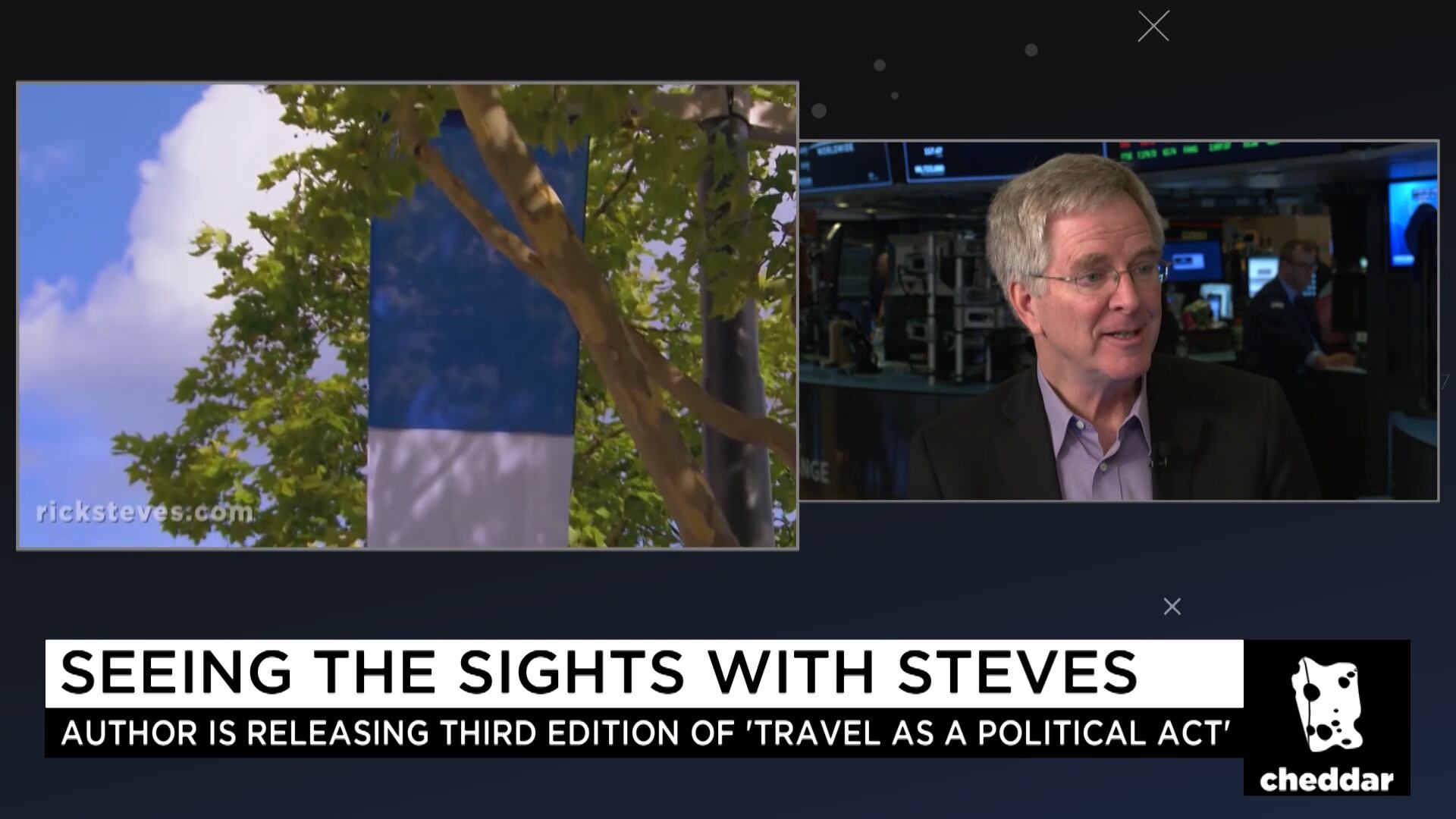
Rick Steves, author of "Travel As A Political Act," discusses why it's more important than ever for people to travel. This is the third edition of Steves' book.
The Department of the Interior announced plans to expand offshore drilling, upsetting environmentalists and members of Congress alike. Congressman Donald McEachin, a democrat representing Virginia's fourth district, serves on the Natural Resources Committee. He believes the move shows the Trump Administration is "tone deaf" on the issue of offshore drilling.