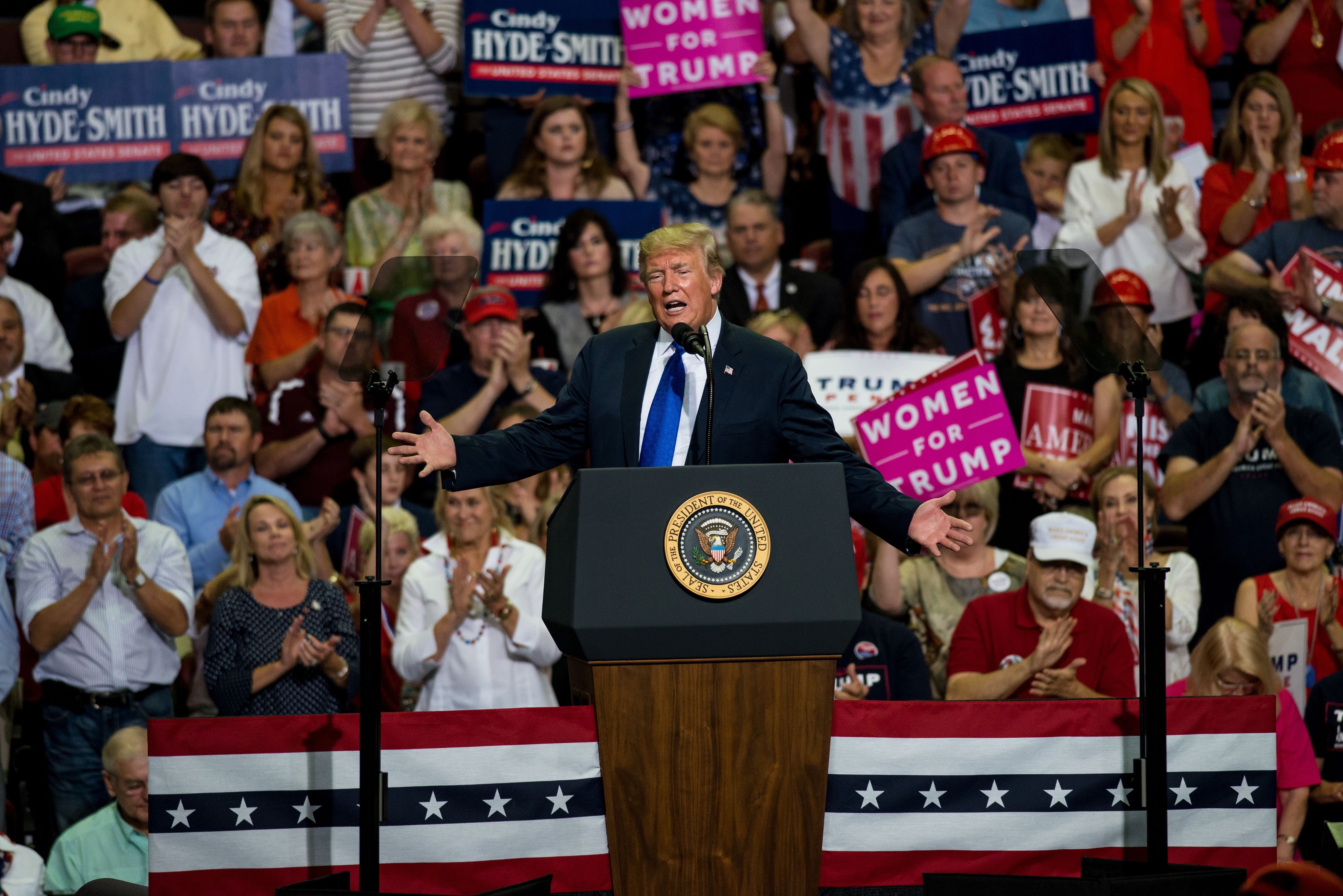
With a major question mark still hanging over the possibility of meaningful gun reform, President Donald Trump may be turning his attention to regulating video game makers instead.
The commander-in-chief will [reportedly](http://thehill.com/policy/technology/376836-white-house-to-hold-meeting-with-video-game-industry-on-thursday) meet with industry executives on Thursday to discuss their role in preventing violent behavior.
But New York Magazine Select All Associate Editor Madison Malone Kircher says game makers are not the problem.
“Studies have shown there really is no connection between violent video games and violent actions,” she told Cheddar Monday. “The American Psychological Association came out a year ago and said to politicians and to the media [to] stop equating the two. There’s a link to a rise in slight aggression, but there’s insufficient evidence to say that these games lead to violent gun deaths.”
In a meeting with survivors of last month’s Parkland, Fla., shooting and other attacks, Trump suggested first-person shooter games and other seemingly violent content should be subject to a ratings system. One does already exist.
And Malone Kircher says Thursday’s confab is unlikely to result in more constraints on a system that’s already so highly regulated.
“It’s a pretty stringent system as it is now,” she said. “This has been through the Supreme Court. California in 2011 ruled that you can continue to sell these games to kids, and that was fine.”
For the full interview, [click here](https://cheddar.com/videos/inside-trumps-flip-flop-on-gun-reform).
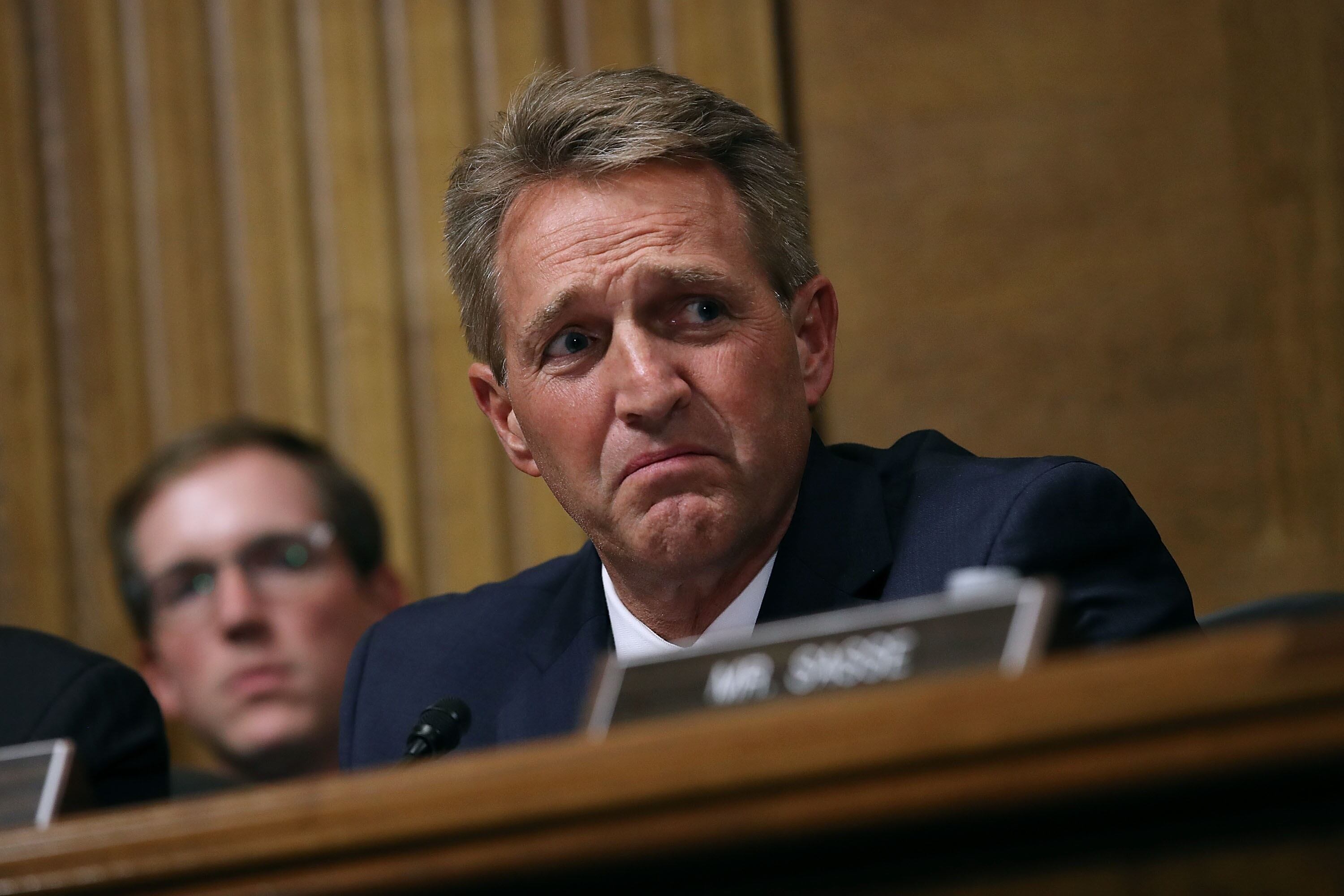
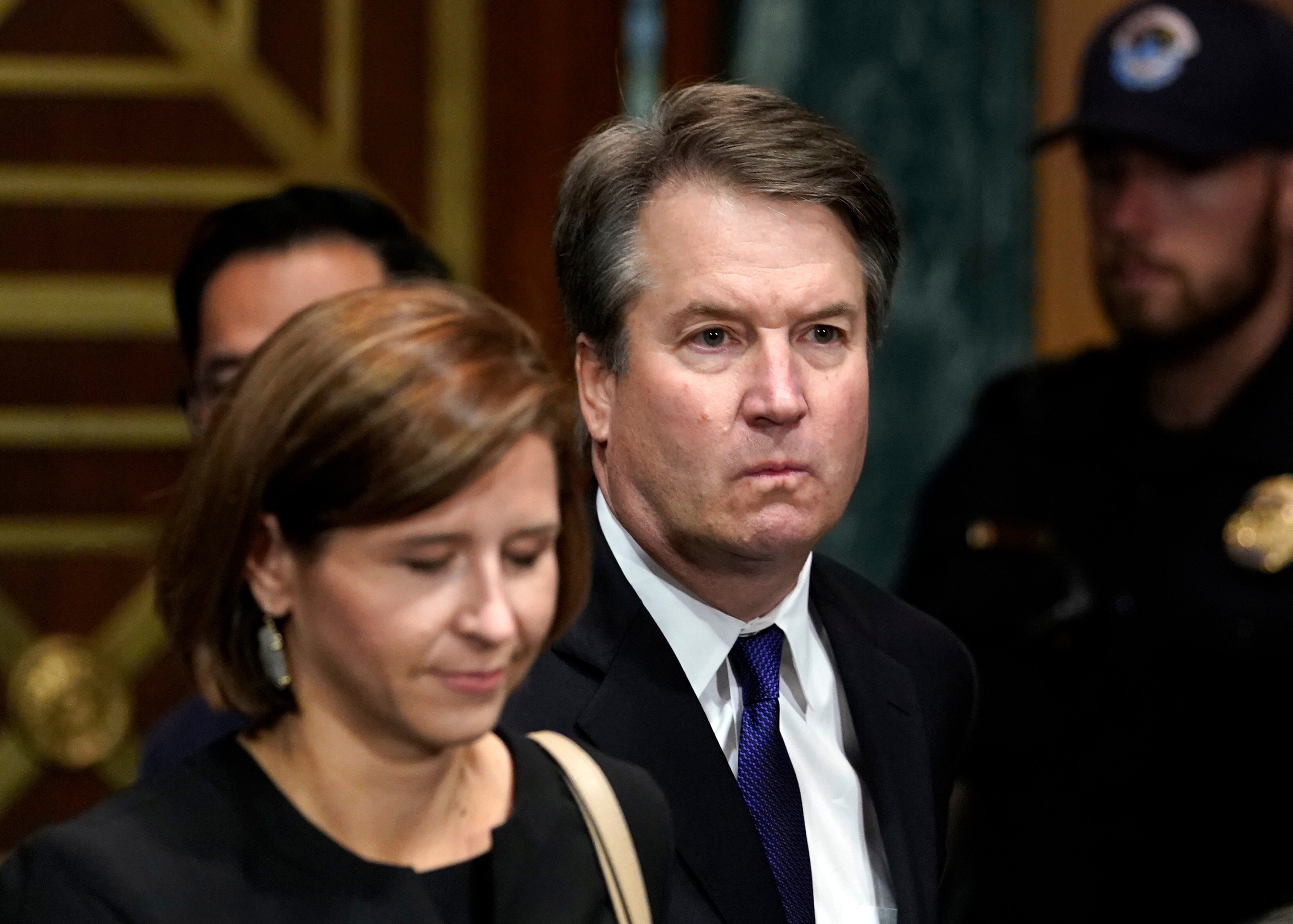
Sens. Jeff Flake (R-AZ), Susan Collins (R-ME), and Lisa Murkowski (R-AK) are central to whether Judge Brett Kavanaugh is confirmed to the Supreme Court. On Wednesday, all three reacted with indignation to Pres. Trump's mocking of Prof. Christine Blasey Ford, who's accused Kavanaugh of sexual assault.
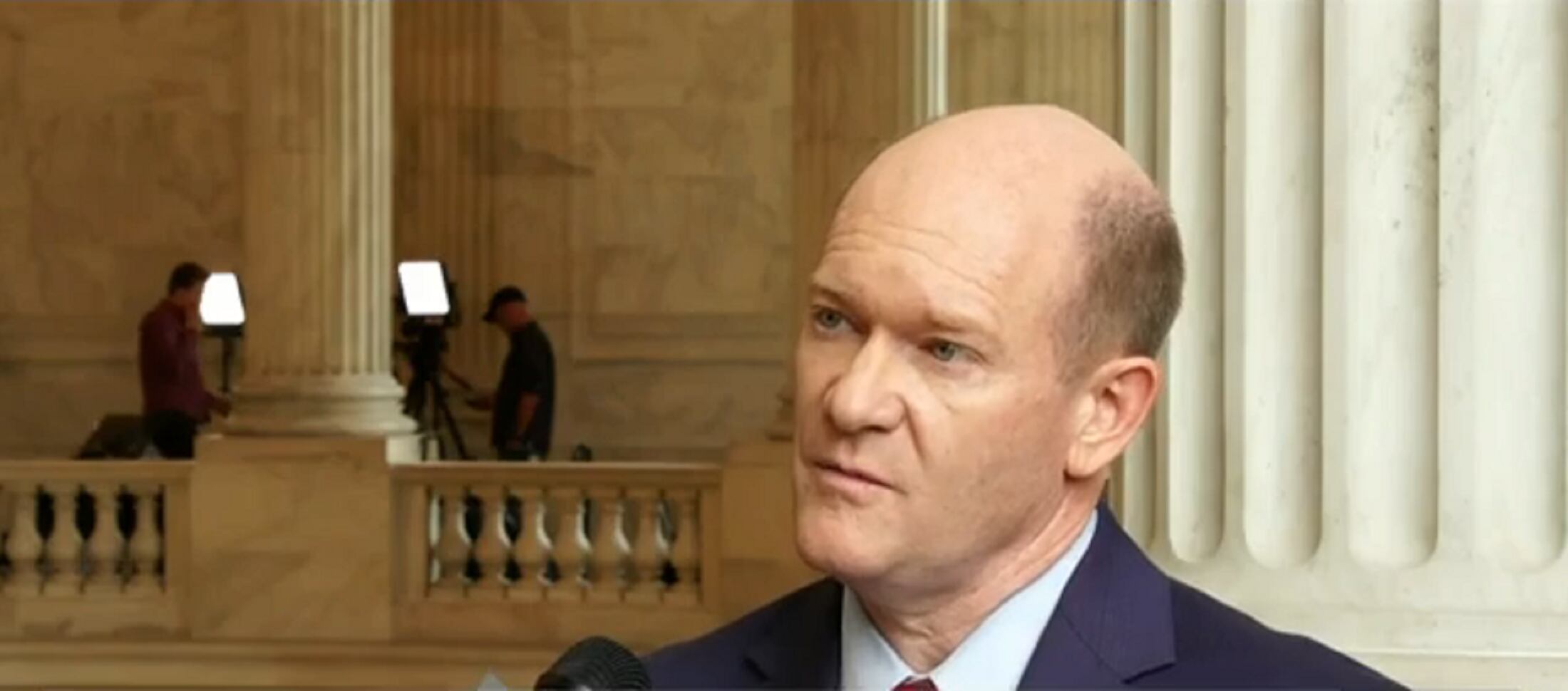
The FBI's investigation into Prof. Christine Blasey Ford's allegations against Brett Kavanaugh is likely to be wrapping up soon. As we await those findings, Sen. Chris Coons (D-DE), who serves on the judiciary committee, said the judge's anger at the accusations may be understandable, but his making a direct, partisan attack against Democrats is "not what we expect from our federal judges."
These are the headlines you Need 2 Know.
The FBI's investigation into Prof. Christine Blasey Ford's allegations against Brett Kavanaugh is likely to be wrapping up soon. Senate Republicans have demanded a report, but the FBI continues to broaden its investigation, specifically to a party that was marked in one of Kavanaugh's calendars.
Dipayan Ghosh, fellow at the Shorenstein Center and a former adviser to both Facebook and the Obama White House, said that big tech has been ignoring "the little guy" for a long time and putting tech users and their privacy at risk.
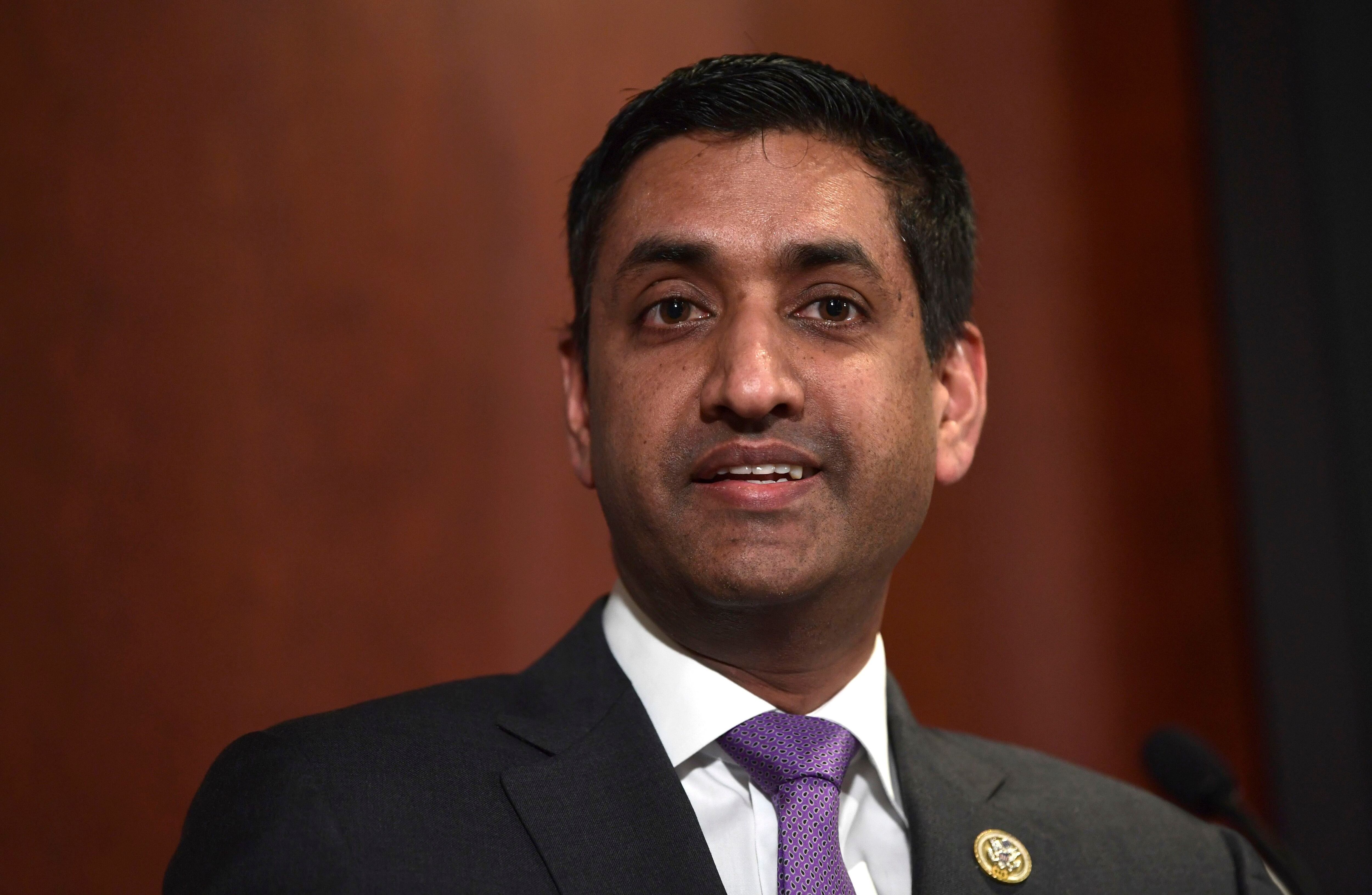
On Tuesday, Amazon announced that it will be raising its minimum wage to $15 an hour. The news comes after months of criticism and even proposed legislation spearheaded by Sen. Bernie Sanders (I-VT) and Rep. Ro Khanna (D-CA). The "Stop BEZOS" Act introduced in the Senate in September would require corporations like Amazon to contribute to the cost of social services for its employees. Khanna was sponsoring a version in the House. He said he commends Amazon CEO Jeff Bezos and believes this move will propel other corporations in the same direction.
These are the headlines you Need 2 Know.
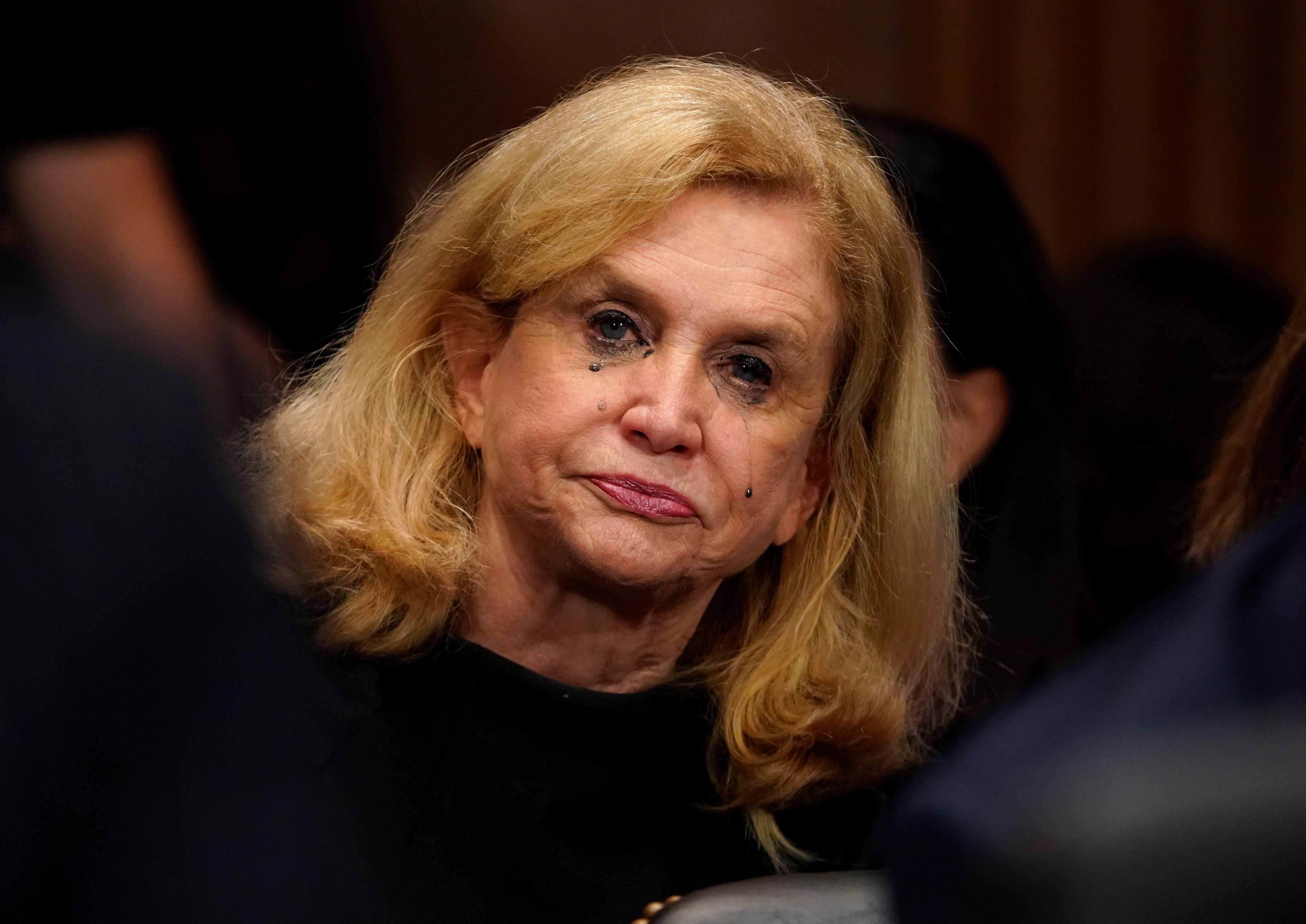
New York Congresswoman Carolyn Maloney was seated behind Prof. Christine Blasey Ford during her Senate testimony last week. The lawmaker, who was seen crying as Ford spoke, said, "It's so sad to me that this is still happening in America...and that in some ways we haven't made that much progress since Ms. Hill testified 26 years ago."
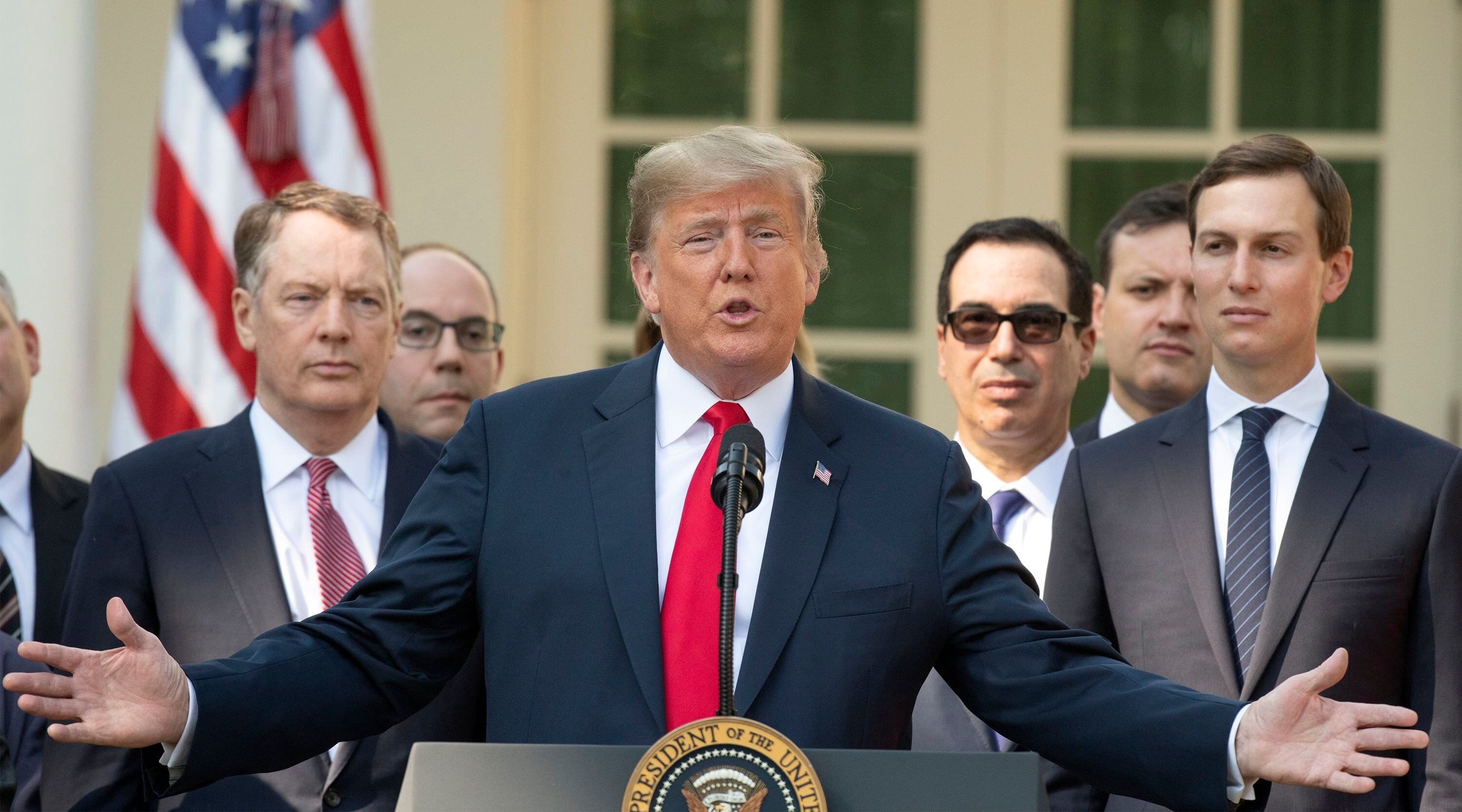
Canada and the U.S. inked a new trade deal late Sunday evening after months of contentious tariff talks between the two allies. Lauren Gardner, reporter for POLITICO Pro Canada, said the trade agreement will benefit dairy farmers and automakers in the U.S.
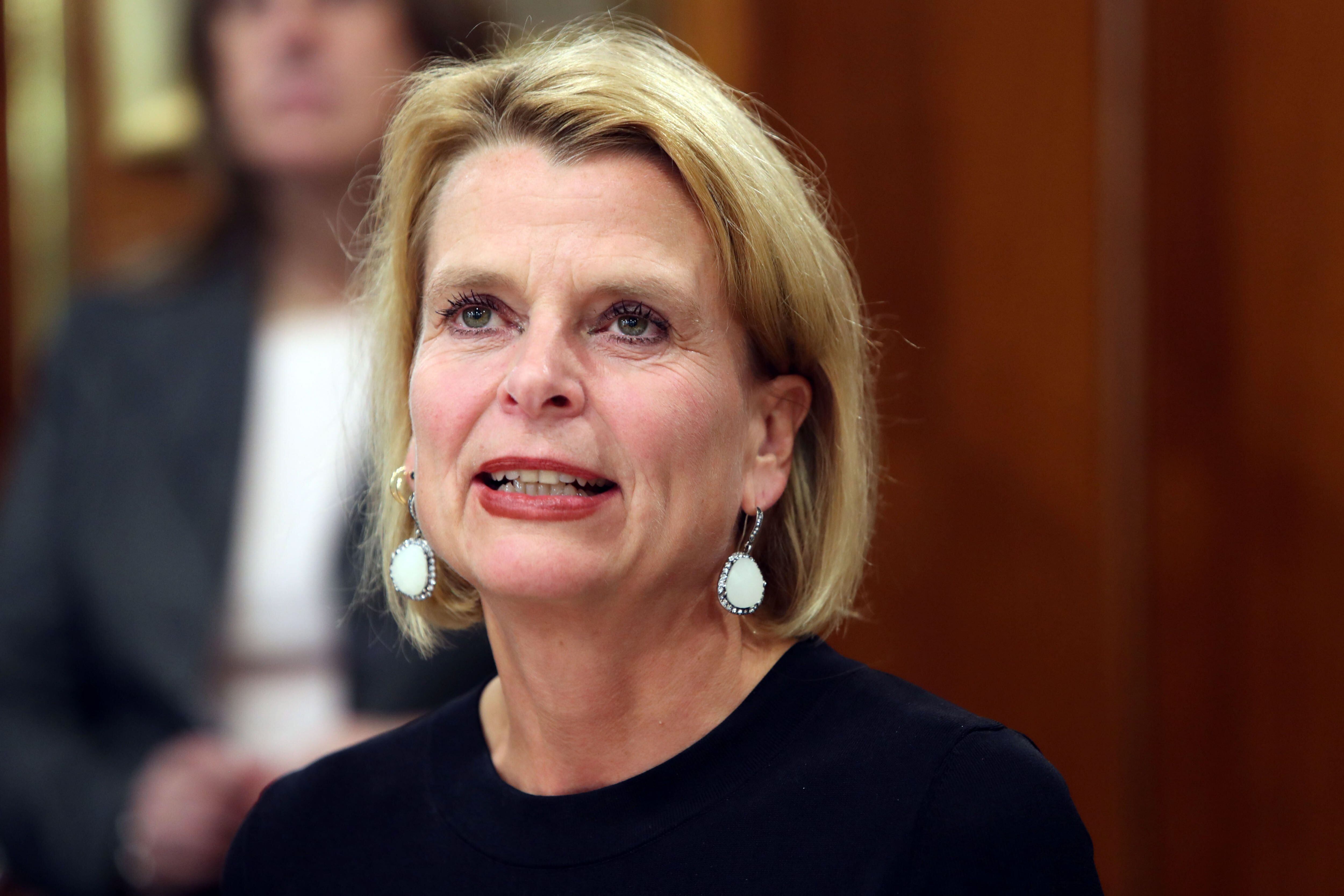
California became the first state to mandate that publicly held corporations include women on the board. Some people believe that this will prioritize diversity over merit while others, like Asa Regner, deputy executive director for UN Women, say it's a first step toward gender parity in corporate America.