With a major question mark still hanging over the possibility of meaningful gun reform, President Donald Trump may be turning his attention to regulating video game makers instead.
The commander-in-chief will [reportedly](http://thehill.com/policy/technology/376836-white-house-to-hold-meeting-with-video-game-industry-on-thursday) meet with industry executives on Thursday to discuss their role in preventing violent behavior.
But New York Magazine Select All Associate Editor Madison Malone Kircher says game makers are not the problem.
“Studies have shown there really is no connection between violent video games and violent actions,” she told Cheddar Monday. “The American Psychological Association came out a year ago and said to politicians and to the media [to] stop equating the two. There’s a link to a rise in slight aggression, but there’s insufficient evidence to say that these games lead to violent gun deaths.”
In a meeting with survivors of last month’s Parkland, Fla., shooting and other attacks, Trump suggested first-person shooter games and other seemingly violent content should be subject to a ratings system. One does already exist.
And Malone Kircher says Thursday’s confab is unlikely to result in more constraints on a system that’s already so highly regulated.
“It’s a pretty stringent system as it is now,” she said. “This has been through the Supreme Court. California in 2011 ruled that you can continue to sell these games to kids, and that was fine.”
For the full interview, [click here](https://cheddar.com/videos/inside-trumps-flip-flop-on-gun-reform).
Federal Reserve policymakers face an unusual conundrum as they meet this week: A short-term economic outlook that is worsening while the longer-term picture is brightening thanks to the emergence of coronavirus vaccines.
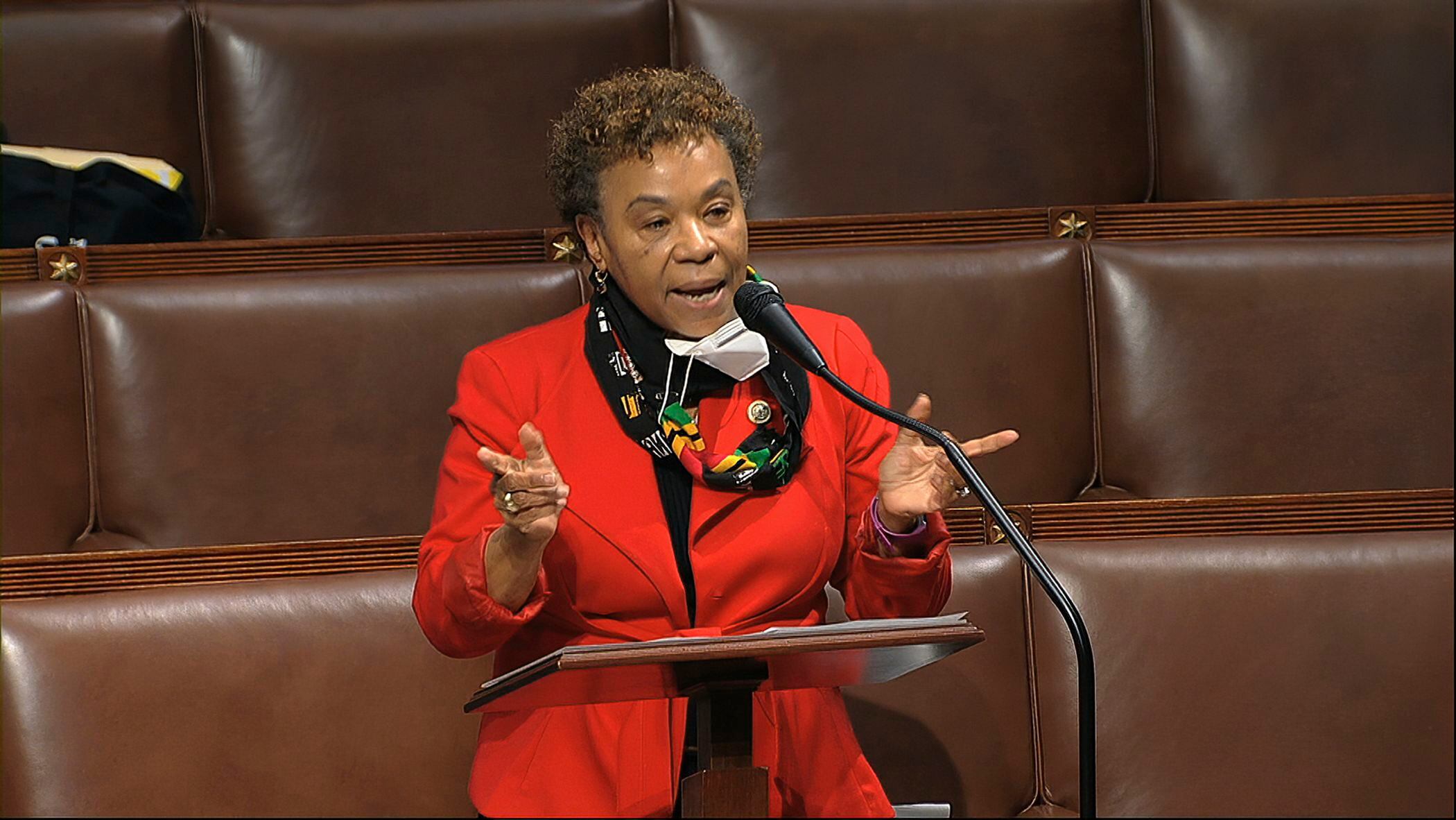
Rep. Barbara Lee (D-Calif. 13th District) talked to Cheddar about her hopes that the American people will join in the push toward an equitable cannabis industry.
As members of the Electoral College meet to cast their votes for the 2020 presidential election, Cheddar explores how the body works and whether it's the best option.
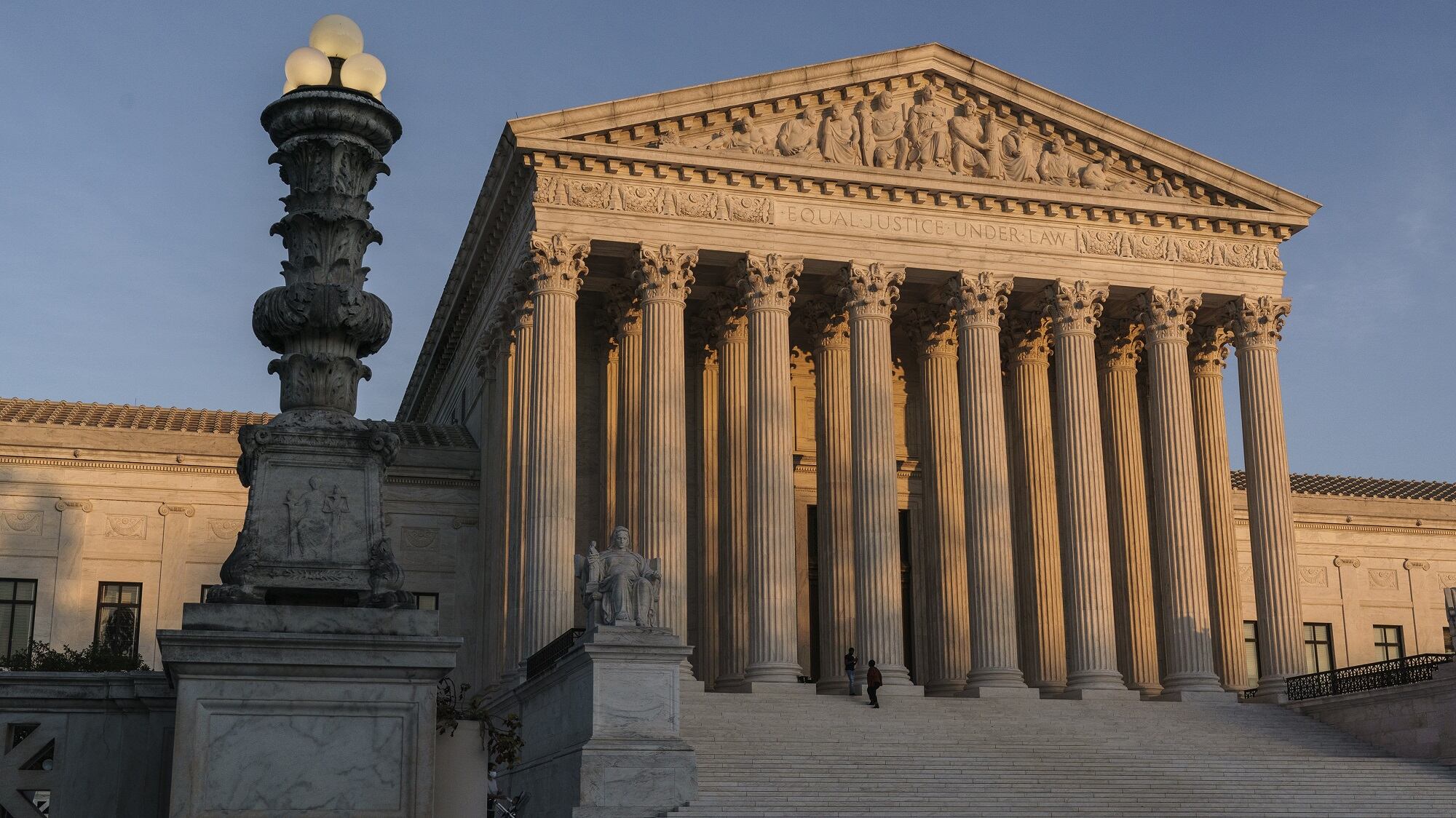
The Supreme Court on Friday rejected a lawsuit backed by President Donald Trump to overturn Joe Biden’s election victory, ending a desperate attempt to get legal issues rejected by state and federal judges before the nation’s highest court and subvert the will of voters.
Sen. Tina Smith (D-Minn.) joined Cheddar to discuss the need for the federal government to provide more help to states in order to effectively distribute the COVID vaccines.
From Wall Street to Silicon Valley, these are the top stories that moved markets and had investors, business leaders, and entrepreneurs talking this week on Cheddar.
Sen. Mike Lee of Utah objected to the creation of the two proposed Smithsonian museums.
Congress has passed a bill to fund the government for another week, giving lawmakers time to reach an agreement on a new coronavirus relief bill.
The final vote was 84-13, mirroring a similarly overwhelming margin in the House that, if maintained in both chambers, would be enough to override a potential veto.
Gun and ammunition sales have surged this year in the U.S. Michelle Castillo investigates.