With a major question mark still hanging over the possibility of meaningful gun reform, President Donald Trump may be turning his attention to regulating video game makers instead.
The commander-in-chief will [reportedly](http://thehill.com/policy/technology/376836-white-house-to-hold-meeting-with-video-game-industry-on-thursday) meet with industry executives on Thursday to discuss their role in preventing violent behavior.
But New York Magazine Select All Associate Editor Madison Malone Kircher says game makers are not the problem.
“Studies have shown there really is no connection between violent video games and violent actions,” she told Cheddar Monday. “The American Psychological Association came out a year ago and said to politicians and to the media [to] stop equating the two. There’s a link to a rise in slight aggression, but there’s insufficient evidence to say that these games lead to violent gun deaths.”
In a meeting with survivors of last month’s Parkland, Fla., shooting and other attacks, Trump suggested first-person shooter games and other seemingly violent content should be subject to a ratings system. One does already exist.
And Malone Kircher says Thursday’s confab is unlikely to result in more constraints on a system that’s already so highly regulated.
“It’s a pretty stringent system as it is now,” she said. “This has been through the Supreme Court. California in 2011 ruled that you can continue to sell these games to kids, and that was fine.”
For the full interview, [click here](https://cheddar.com/videos/inside-trumps-flip-flop-on-gun-reform).
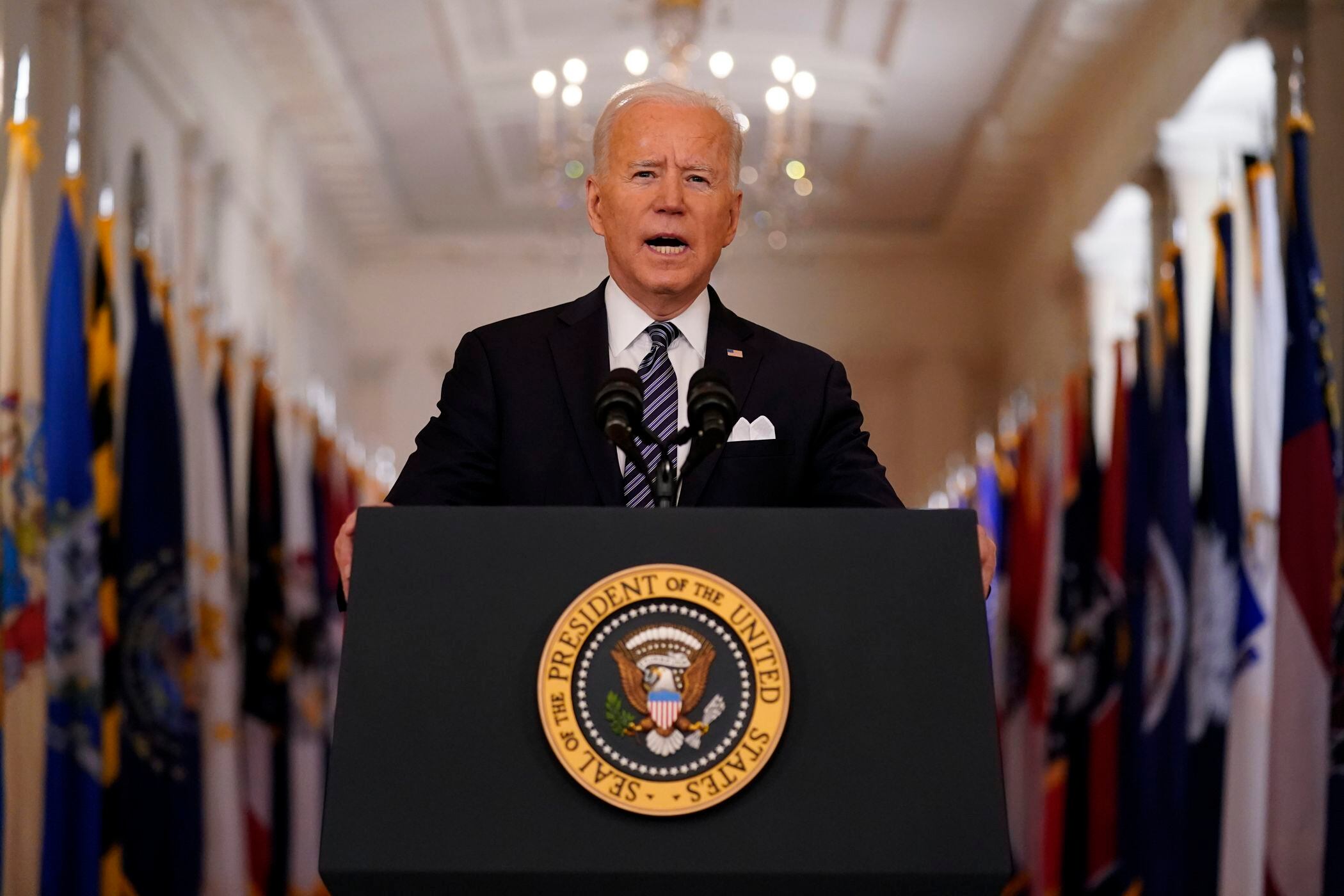
President Joe Biden is outlining his plan to make all adult Americans eligible for vaccination by May 1 and get the nation back “closer to normal” by the Fourth of July.
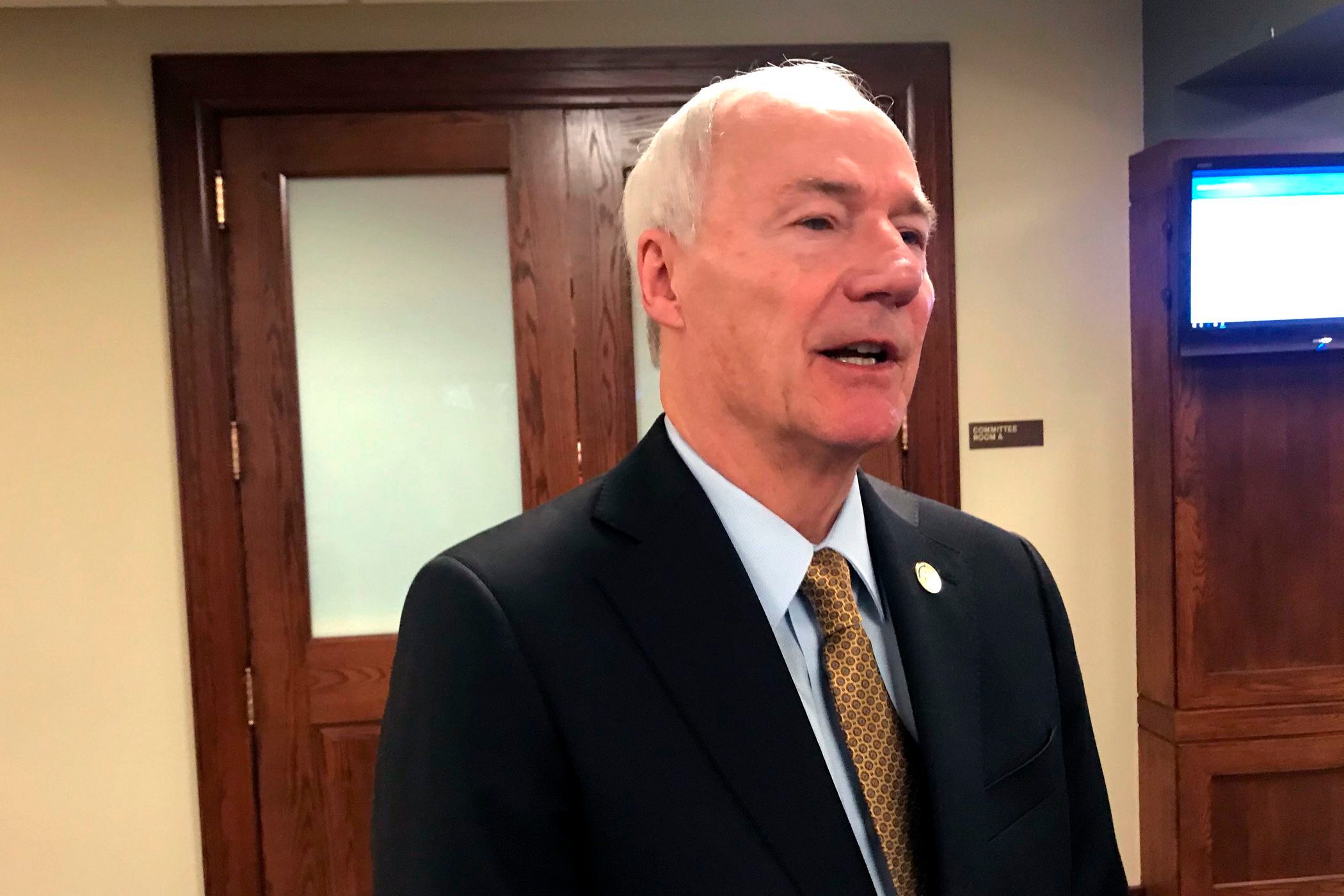
Arkansas Gov. Asa Hutchinson defended his decision to keep much of the economy, including schools, open during the pandemic., as well as signing a near-total abortion ban bill.
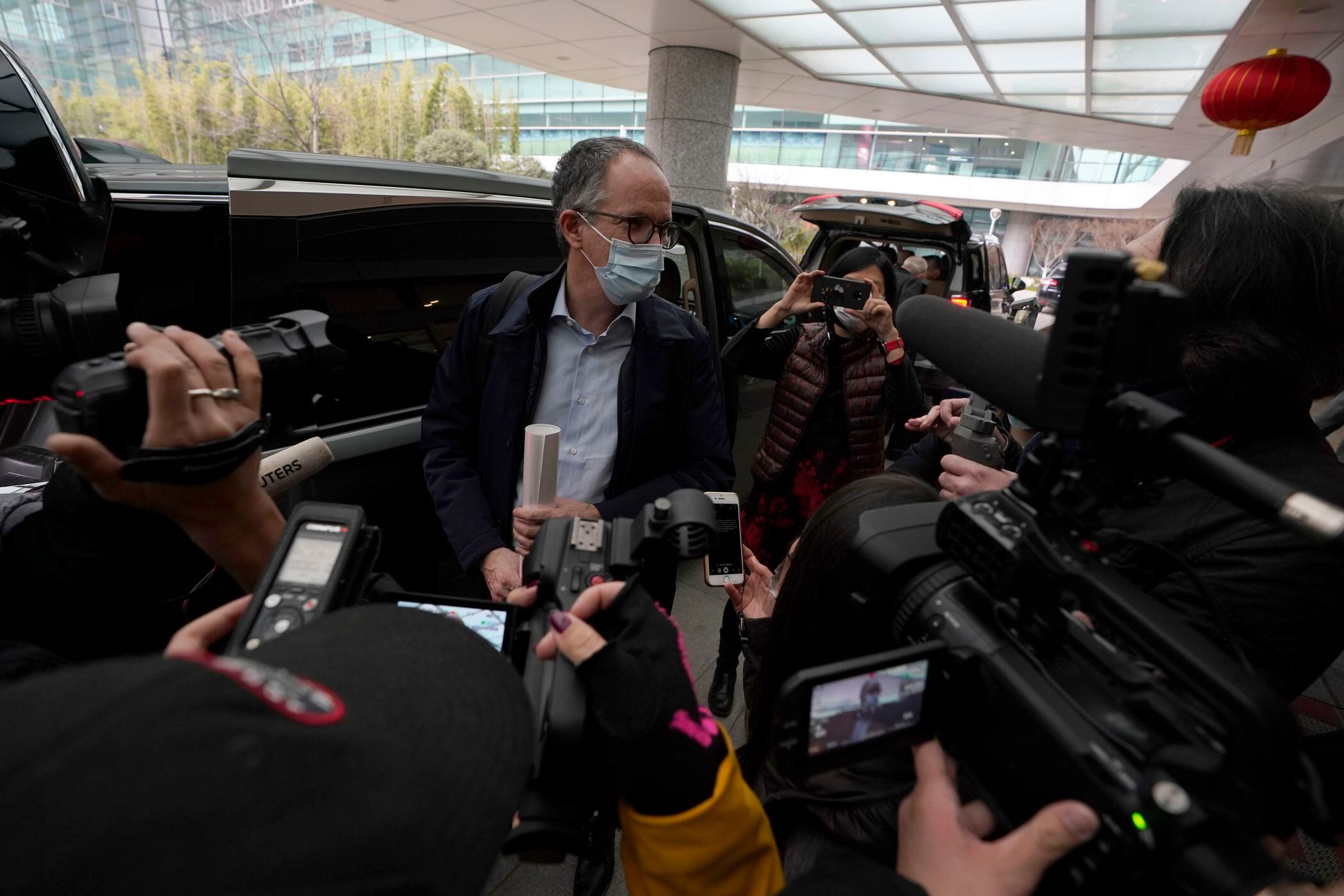
When the World Health Organization declared a pandemic one year ago on Thursday, it did so only after weeks of resisting the term and maintaining the coronavirus could still be stopped.
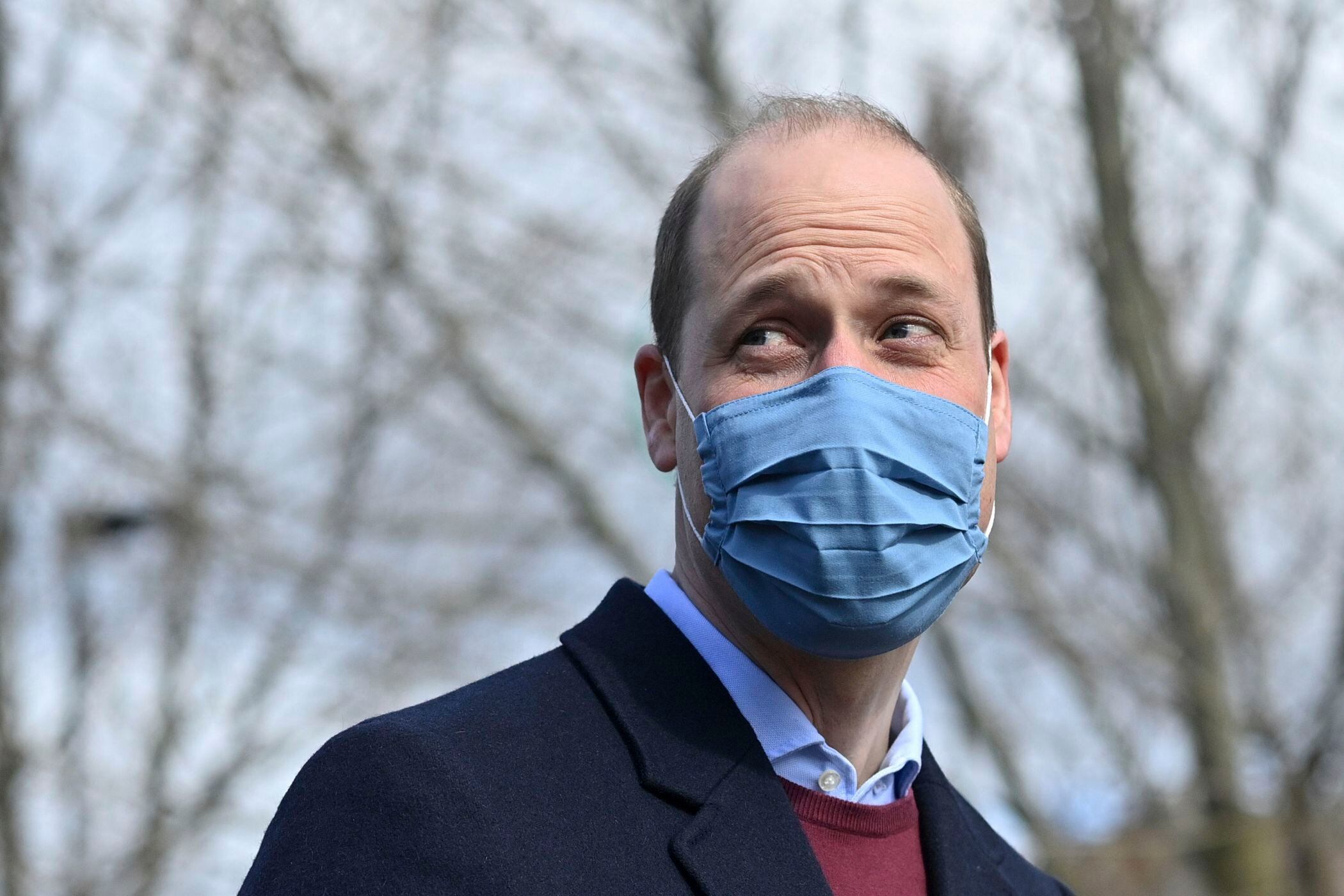
Prince William says that his family is not racist, becoming the first British royal to speak out about accusations of bigotry made by Prince Harry and Meghan, his brother and sister-in-law.
Congress has sent President Joe Biden the landmark $1.9 trillion COVID-19 relief bill.
Eisenhower’s interstate system was the biggest infrastructure project of its time. What justified the cost was its potential to connect all corners of America, but the unforeseen impacts of the highway system seemed to do the opposite of the intention.
Dr. Anne Zink, chief medical officer for the state of Alaska, spoke to Cheddar about Alaska's remarkable task of getting COVID vaccines to a widespread populace even as the state opens up eligibility to nearly everyone.
Gov. Mike Dunleavy says Alaska has become the first state to drop eligibility requirements and allow anyone 16 or older who lives or works in the state to get a COVID-19 vaccination.
Buckingham Palace says allegations of racism made earlier this week by Prince Harry and Meghan were “concerning” and would be addressed privately by the royal family.
COVID infections are on the rise in U.S. prisons and are accounting for some of the largest outbreaks. Cheddar's Michelle Castillo reports.