With a major question mark still hanging over the possibility of meaningful gun reform, President Donald Trump may be turning his attention to regulating video game makers instead.
The commander-in-chief will [reportedly](http://thehill.com/policy/technology/376836-white-house-to-hold-meeting-with-video-game-industry-on-thursday) meet with industry executives on Thursday to discuss their role in preventing violent behavior.
But New York Magazine Select All Associate Editor Madison Malone Kircher says game makers are not the problem.
“Studies have shown there really is no connection between violent video games and violent actions,” she told Cheddar Monday. “The American Psychological Association came out a year ago and said to politicians and to the media [to] stop equating the two. There’s a link to a rise in slight aggression, but there’s insufficient evidence to say that these games lead to violent gun deaths.”
In a meeting with survivors of last month’s Parkland, Fla., shooting and other attacks, Trump suggested first-person shooter games and other seemingly violent content should be subject to a ratings system. One does already exist.
And Malone Kircher says Thursday’s confab is unlikely to result in more constraints on a system that’s already so highly regulated.
“It’s a pretty stringent system as it is now,” she said. “This has been through the Supreme Court. California in 2011 ruled that you can continue to sell these games to kids, and that was fine.”
For the full interview, [click here](https://cheddar.com/videos/inside-trumps-flip-flop-on-gun-reform).
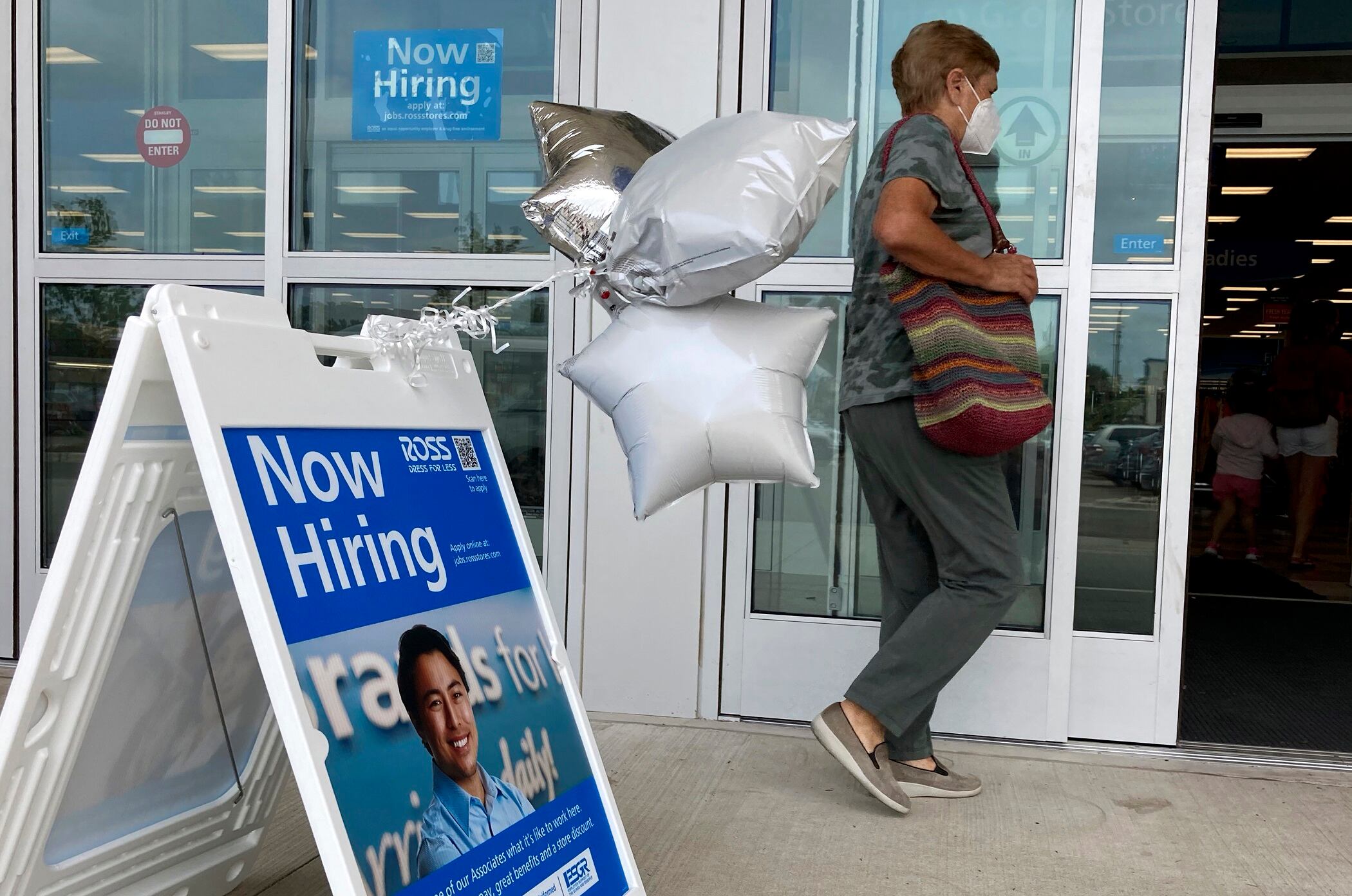
Hiring surged in July as American employers added 943,000 jobs.
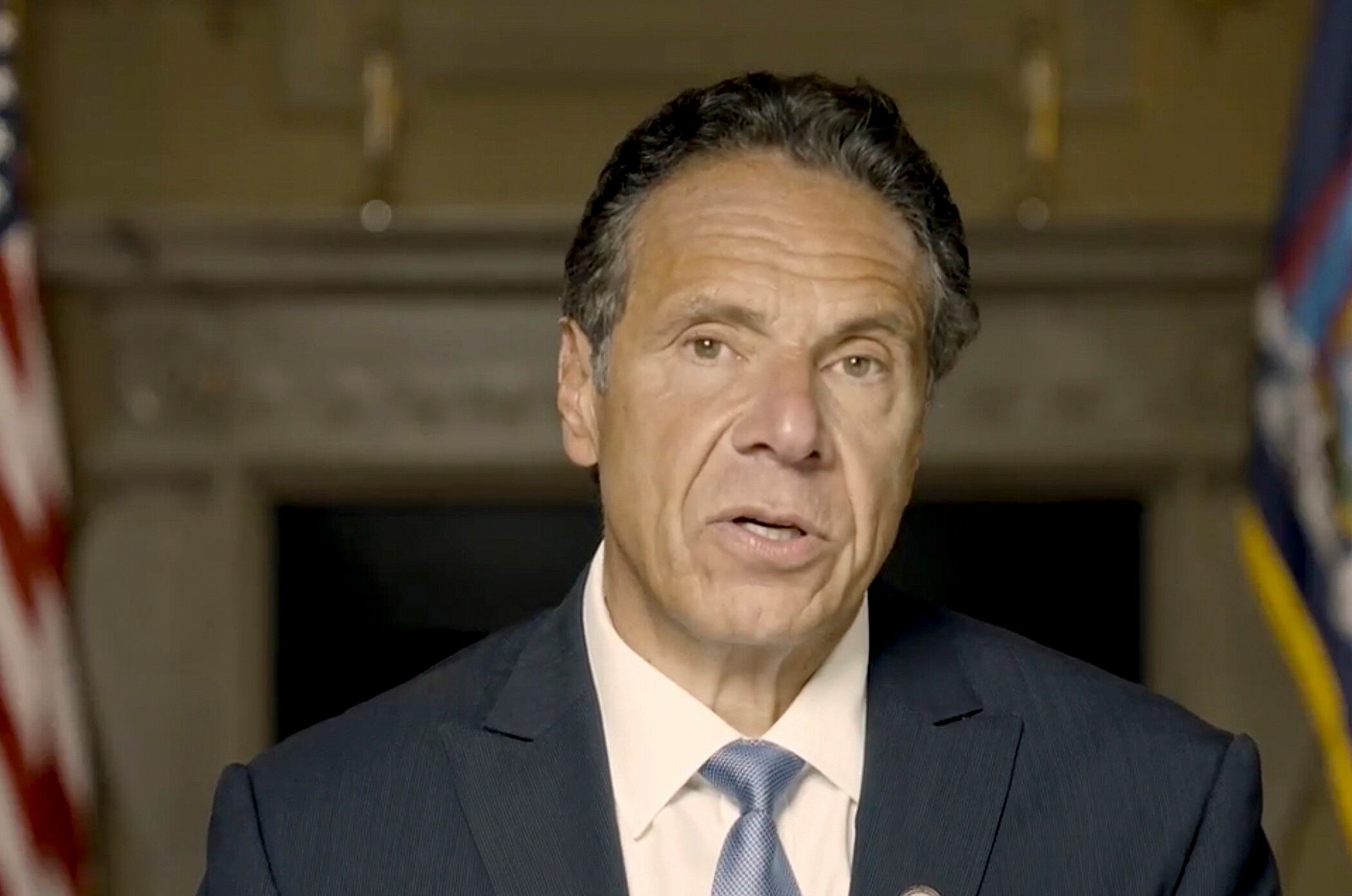
State lawmakers are telling New York Gov. Andrew Cuomo that their ongoing impeachment investigation is “nearing completion” and gave him a deadline of Aug. 13 to provide additional evidence.
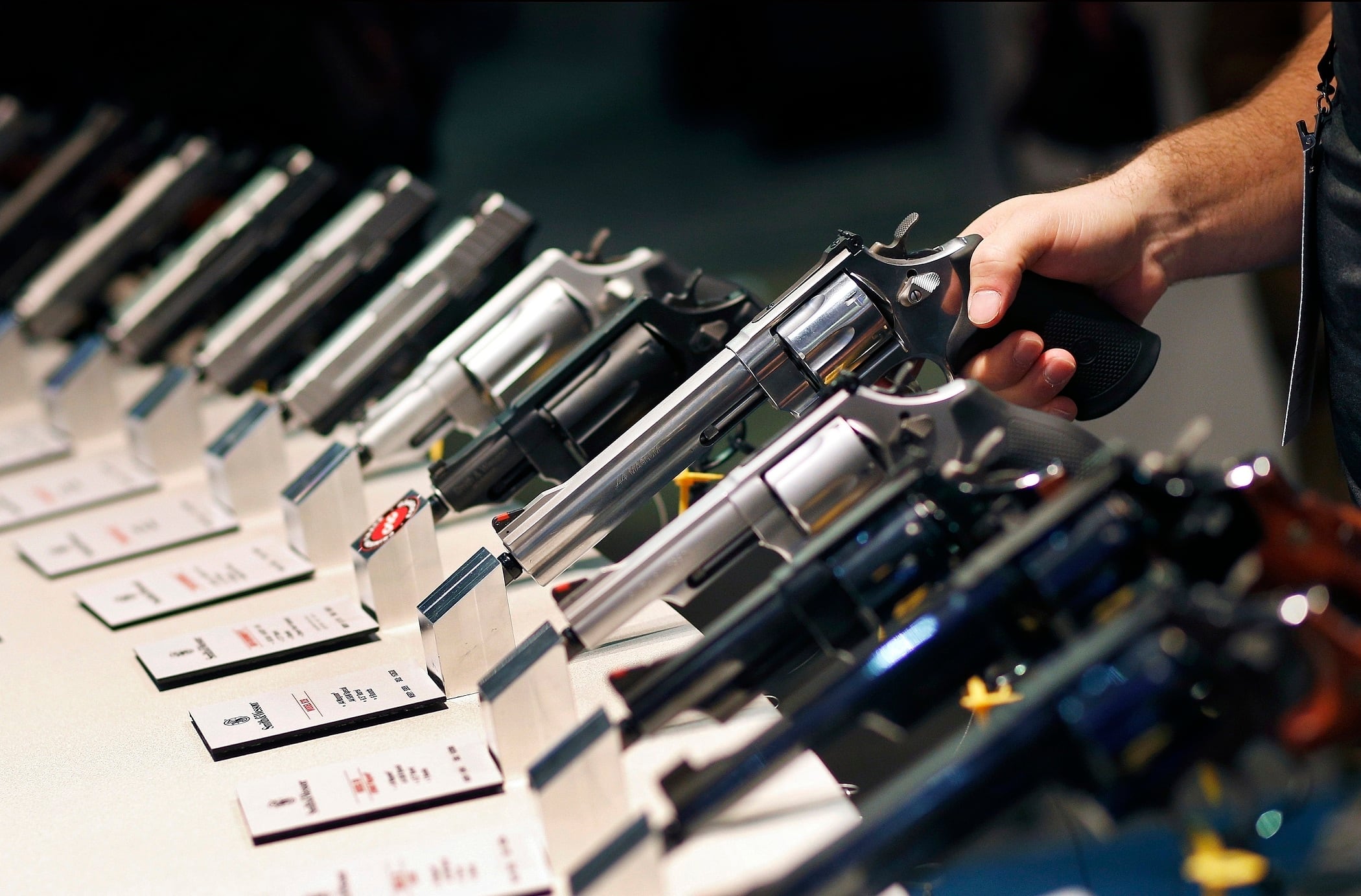
The Mexican government is suing U.S. gun manufacturers and distributors, arguing that their commercial practices have unleashed tremendous bloodshed in Mexico.
The number of Americans applying for unemployment benefits fell last week by 14,000 to 385,000 more evidence that the economy and the job market are rebounding briskly from the coronavirus recession.
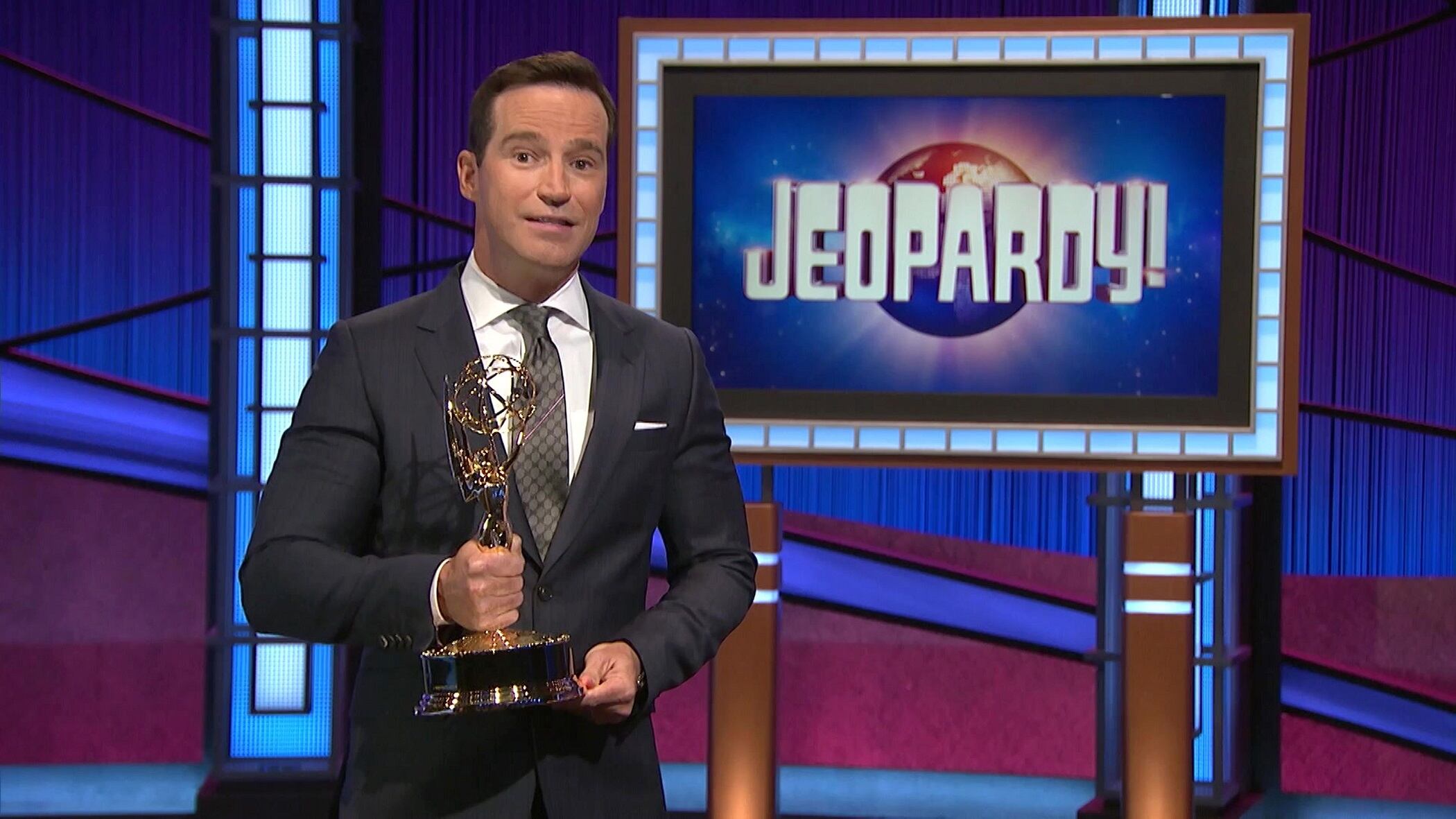
The White House will be requiring incoming travelers to the U.S. to be vaccinated., Gov. Cuomo is potentially looking at criminal charges, and Jeopardy! might be heading in a surprise direction for a new host.
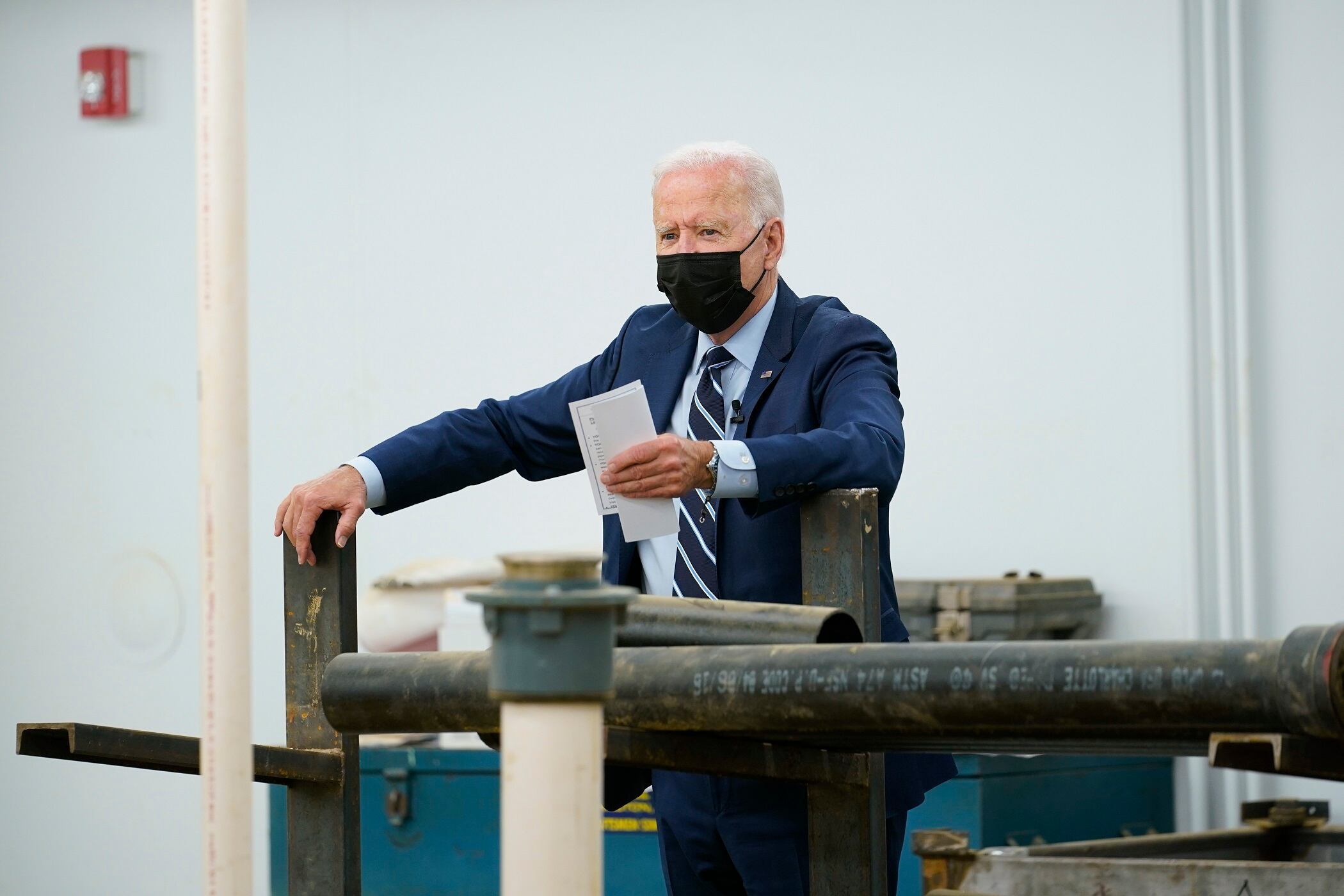
The Biden administration wants automakers to raise gas mileage and cut tailpipe pollution between now and model year 2026. It also has won a voluntary commitment from the industry that electric vehicles would make up roughly half of U.S. sales by 2030.
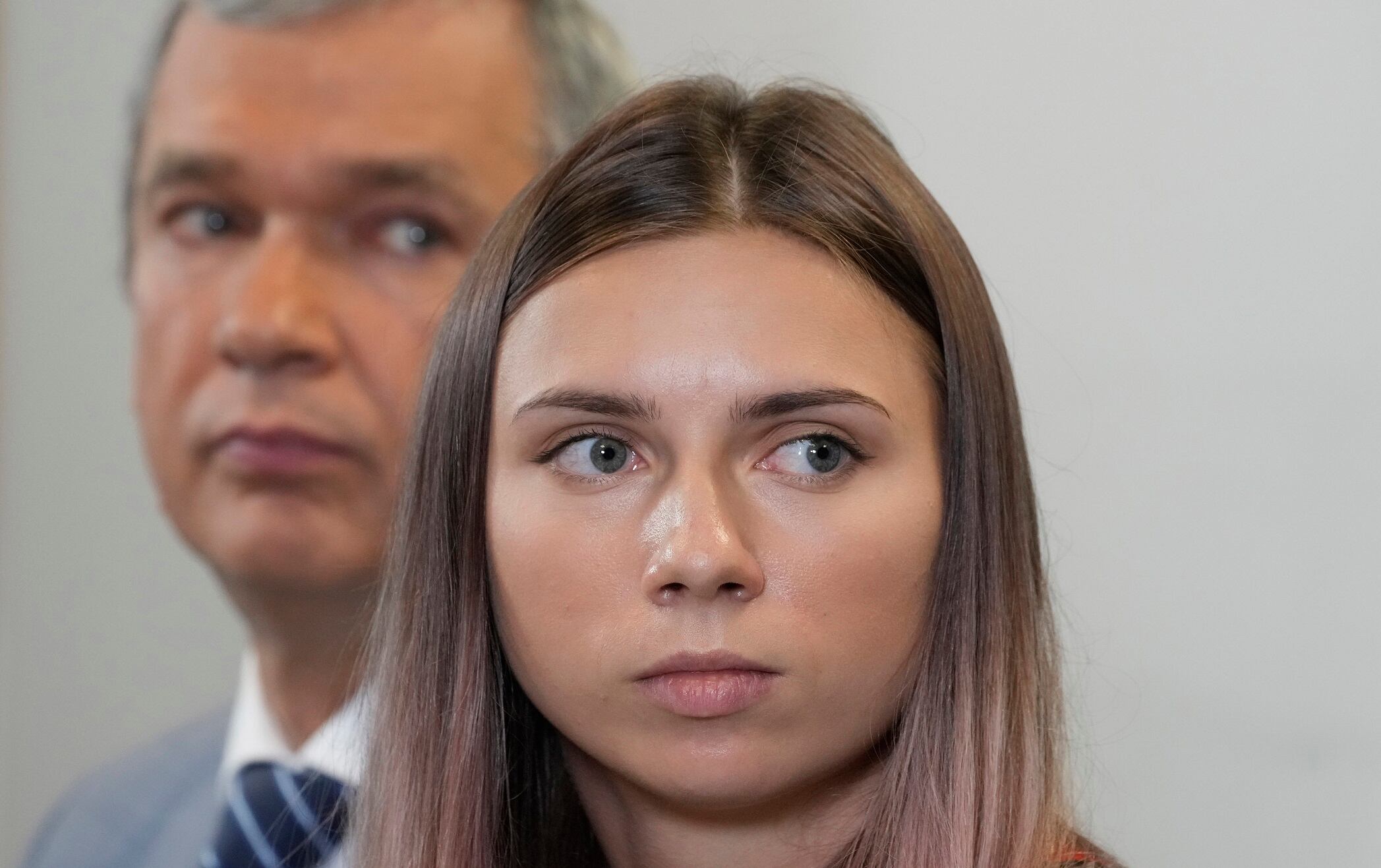
A Belarusian Olympic sprinter who criticized her coaches at the Tokyo Games said Thursday that she showed police at the airport a translated plea for help on her phone as she tried to avoid being put on a plane back home.
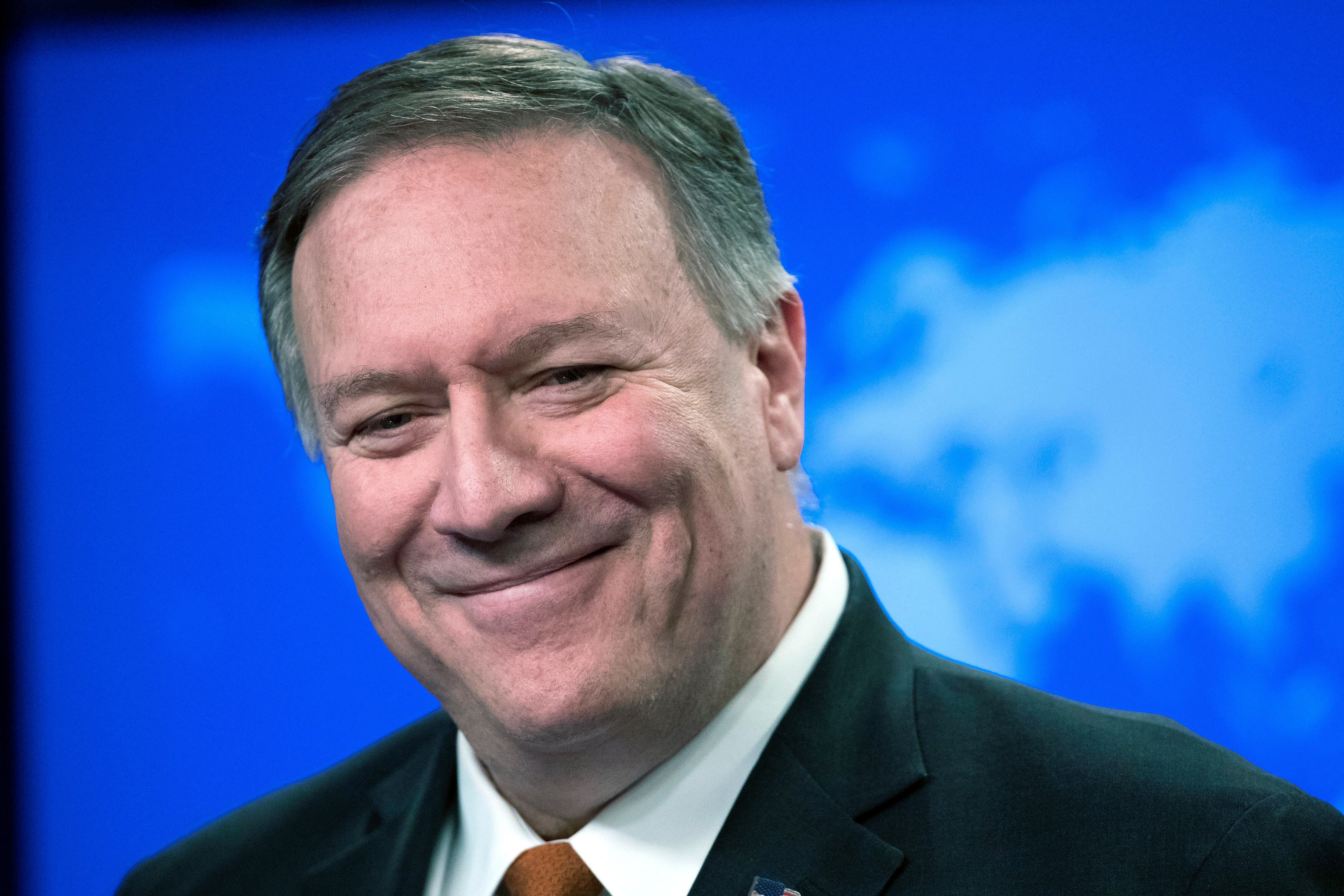
The State Department says it's looking into the apparent disappearance of a nearly $6,000 bottle of whisky given more than two years ago to then-Secretary of State Mike Pompeo by the government of Japan.
A majority of state Assembly members support beginning impeachment proceedings against Gov. Andrew Cuomo if he doesn’t resign over investigative findings that he sexually harassed at least 11 women.
Lobbyists for the crypto industry are calling for last-minute revisions to an infrastructure bill provision that could fundamentally change how the federal government treats holders of digital assets.