Spotify’s opening number seemed to be music to the market’s ears…at least at first.
The streaming company made its debut on the New York Stock Exchange Tuesday afternoon at more than $165 a pop, pegging its valuation at roughly $29.5 billion.
Over the course of the day, though, that price slipped to about $149, down about 12 percent from the highs of the day, but still well above the $132 a share reference price.
Spotify’s unconventional choice of a direct listing, instead of a traditional IPO, had investors and experts bracing for a roller-coaster ride on Tuesday.
“I thought we were going to see a lot of spikes up and down and up and down,” said Dan Primack, business reporter at Axios. But “it hasn’t been all over the place.”
This smoother-than-expected listing raises the question of whether more companies will follow in Spotify’s footsteps in the future.
“It’s not the right path for all,” Stacey Cunningham, COO of the New York Stock Exchange, told Cheddar before the stock started trading. “There are some unique factors for [Spotify].
“They don’t need to raise capital, so going through the IPO process isn’t something that was important to them.”
Spotify was much more interested in “providing that liquidity event for their shareholders...to have a currency...to do additional M&A deals going forward,” explained Cunningham.
So what’s in store for Spotify’s future?
Fam Mirza, one of the company’s earlier investors, told Cheddar he wouldn’t sell his shares in the listing, because he has faith in where the company is headed.
“They’re so amazing at entering new markets...They can still scale it, and then they get to those bottom line revenues.”
Mirza also doesn’t consider Apple, even as it gains ground in the space, as a real threat. After all, he pointed out, the tech giant has had plenty of opportunity to overtake it.
“Everybody has an iPhone. So as soon as Apple launched Apple Music...why hasn’t every single person who has an iPhone signed on to Apple Music?”
For the full interview, [click here](https://cheddar.com/videos/spotifys-unique-relationship-with-wall-street).
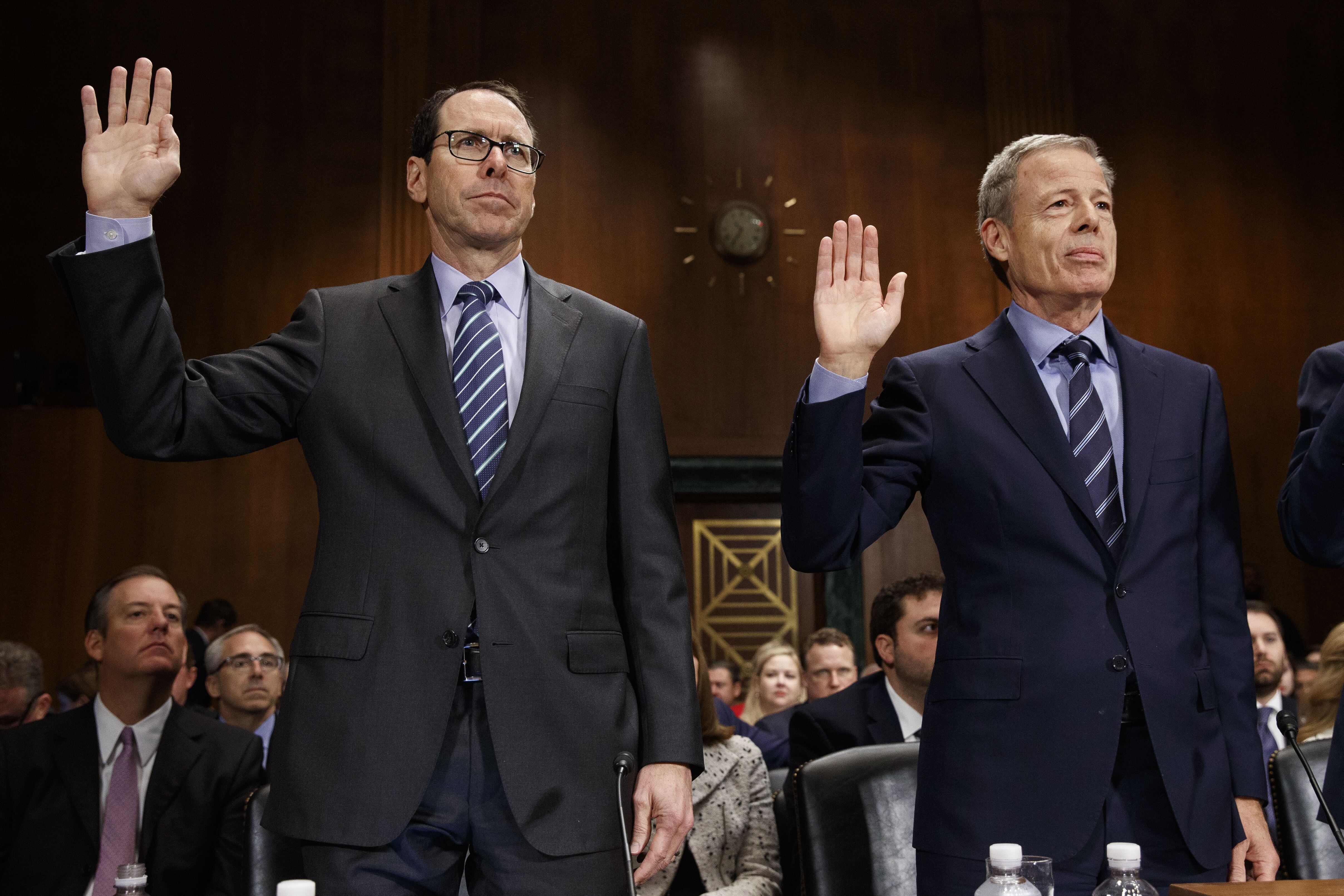
A federal judge heard closing arguments this week about the merger and its potential impact on consumers. If the two companies are given the green light to join forces, it could smooth the way for other mergers, including the Sprint/T-Mobile partnership, said Dan Primack, business editor at Axios.
The VR company's latest mid-range product doesn't need to be tethered to another device, and it can sync up with TV apps or personal photos.
President Trump is delaying a decision on whether to impose tariffs on the EU, Canada, and Mexico by 30 days. The EU slammed this decision, saying "we will not negotiate under threat." Back in March, the Trump administration announced plans to impose tariffs on steel and aluminum imports from other countries.
The co-founder of WhatsApp is leaving the company and the board of Facebook. Jan Koum reportedly clashed with the social media giant over its data privacy policies. Facebook bought WhatsApp in 2014 for roughly $19 billion.
We're joined by James Reinhart, the CEO of thredUP, to discuss the growth potential in the resale retail market. His company thredUP is an online platform where people can buy and sell used clothing. Reinhart tells us how he's looking to expand thredUP into brick and mortar stores.
The former Microsoft CEO and owner of the L.A. Clippers says the sports industry needs to create arenas where video gamers can compete. "A lot of it is virtual but some of it has a physical aspect to it," he told Cheddar's Jon Steinberg. Ballmer is looking to redesign the Clippers arena in a way that integrates concerts and eSports under one roof.
The start-up is trying to be like Stitch Fix for second-hand clothing, offering users a box of consignment shop items they can either keep or return. "There are a lot of women who are looking for stuff that might be less expensive, that are more of a closet staple," says CEO James Reinhart.
The former Microsoft CEO says that regulating how tech companies use data will provide a framework in which to work and actually enable growth. "When you're in a time of uncertainty, and you don't know what the rules are, that's when it's toughest to innovate," Ballmer tells Cheddar's Jon Steinberg.
The social media company announced Monday that it will almost double the amount of video content available on its platform. This will help TV networks "boost the ratings by slowly diversifying," says Kerry Flynn, a media reporter for Digiday.
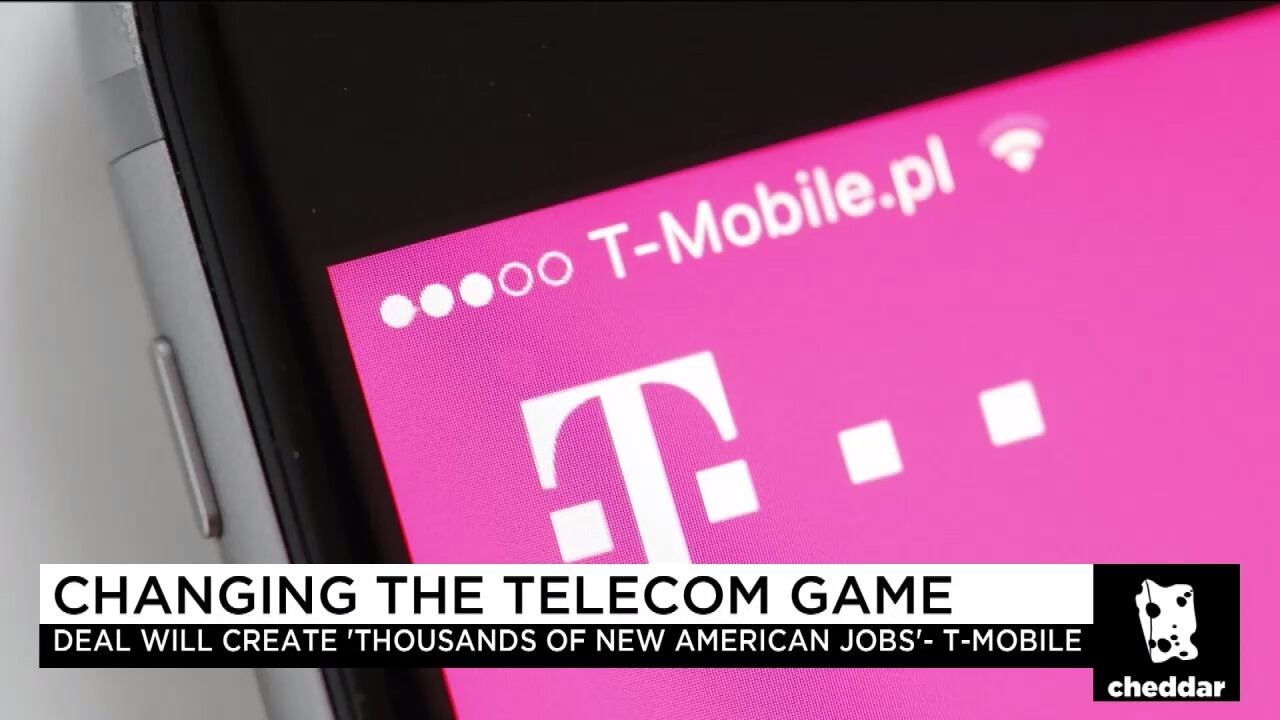
The two companies tout their deal as necessary for innovation and claim that it doesn't decrease competition in the field. Those arguments will be difficult to prove, says Eleanor Fox, an antitrust expert at NYU Law School. The third and fourth largest mobile networks in the U.S. announced a $26.5 billion merger Sunday that they claim will help develop a 5G network and create jobs. The deal still needs approval from regulators, who have expressed antitrust concerns in the past.
Kroger is trying to streamline the grocery shopping experience and plans to hire 11,000 new employees this year. These two pillars are "complementary" with the retailer's efforts to reboot its business and expand, says Jessica Adelman, Chief Communications Officer at Kroger.
New Jersey could become home to more innovation with hands-on support from lawmakers, says Aaron Price, founder and CEO of Propelify, an innovation festival in Hoboken, NJ.