Spotify’s opening number seemed to be music to the market’s ears…at least at first.
The streaming company made its debut on the New York Stock Exchange Tuesday afternoon at more than $165 a pop, pegging its valuation at roughly $29.5 billion.
Over the course of the day, though, that price slipped to about $149, down about 12 percent from the highs of the day, but still well above the $132 a share reference price.
Spotify’s unconventional choice of a direct listing, instead of a traditional IPO, had investors and experts bracing for a roller-coaster ride on Tuesday.
“I thought we were going to see a lot of spikes up and down and up and down,” said Dan Primack, business reporter at Axios. But “it hasn’t been all over the place.”
This smoother-than-expected listing raises the question of whether more companies will follow in Spotify’s footsteps in the future.
“It’s not the right path for all,” Stacey Cunningham, COO of the New York Stock Exchange, told Cheddar before the stock started trading. “There are some unique factors for [Spotify].
“They don’t need to raise capital, so going through the IPO process isn’t something that was important to them.”
Spotify was much more interested in “providing that liquidity event for their shareholders...to have a currency...to do additional M&A deals going forward,” explained Cunningham.
So what’s in store for Spotify’s future?
Fam Mirza, one of the company’s earlier investors, told Cheddar he wouldn’t sell his shares in the listing, because he has faith in where the company is headed.
“They’re so amazing at entering new markets...They can still scale it, and then they get to those bottom line revenues.”
Mirza also doesn’t consider Apple, even as it gains ground in the space, as a real threat. After all, he pointed out, the tech giant has had plenty of opportunity to overtake it.
“Everybody has an iPhone. So as soon as Apple launched Apple Music...why hasn’t every single person who has an iPhone signed on to Apple Music?”
For the full interview, [click here](https://cheddar.com/videos/spotifys-unique-relationship-with-wall-street).
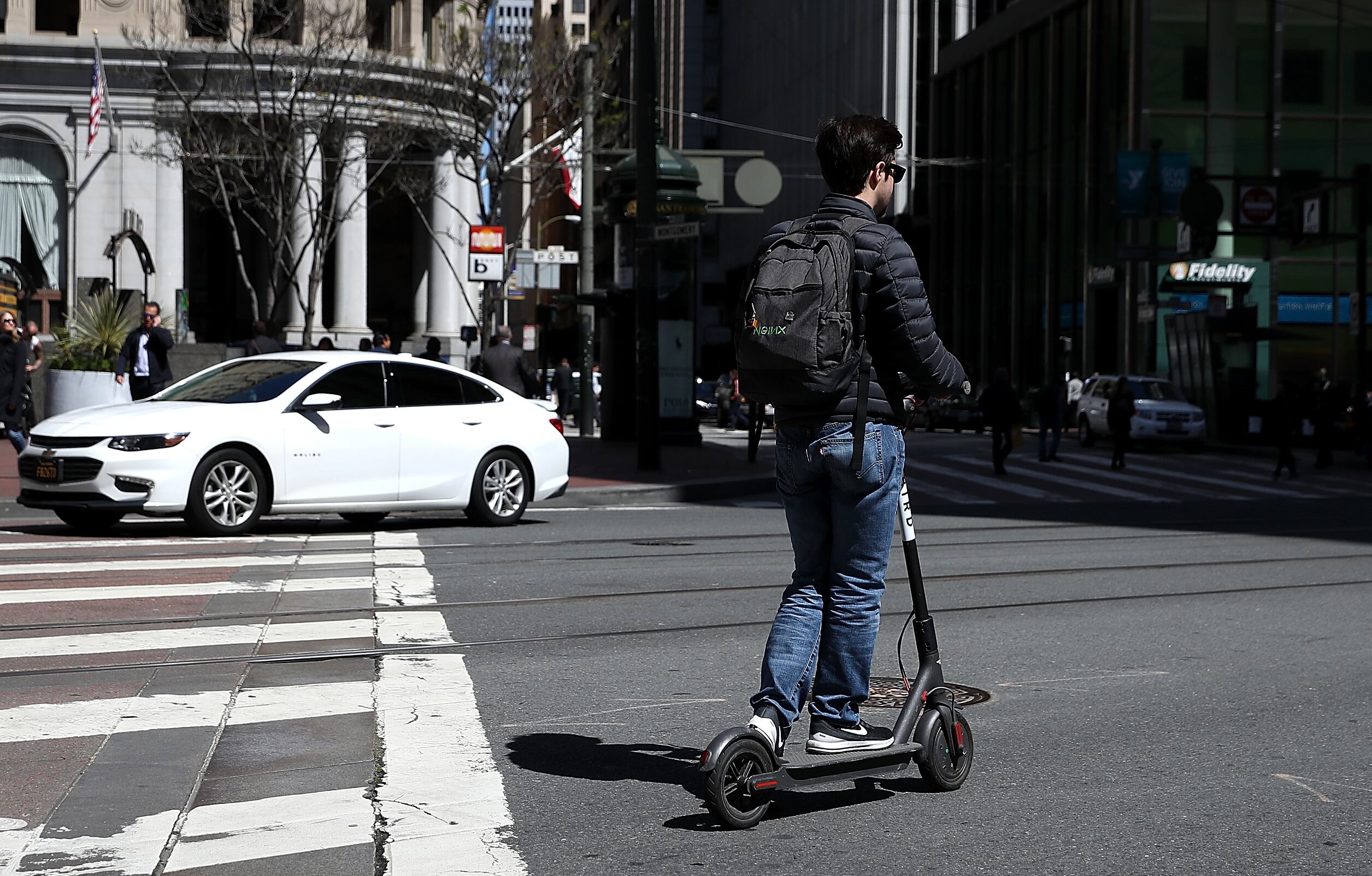
The scooter start-up reported on Thursday that it has raised $300 million. This is Bird's third round of funding this year, valuing the company at an estimated $2 billion. "We've never seen something grow so quickly with such high engagement," Dana Settle, founding partner, tells Cheddar.
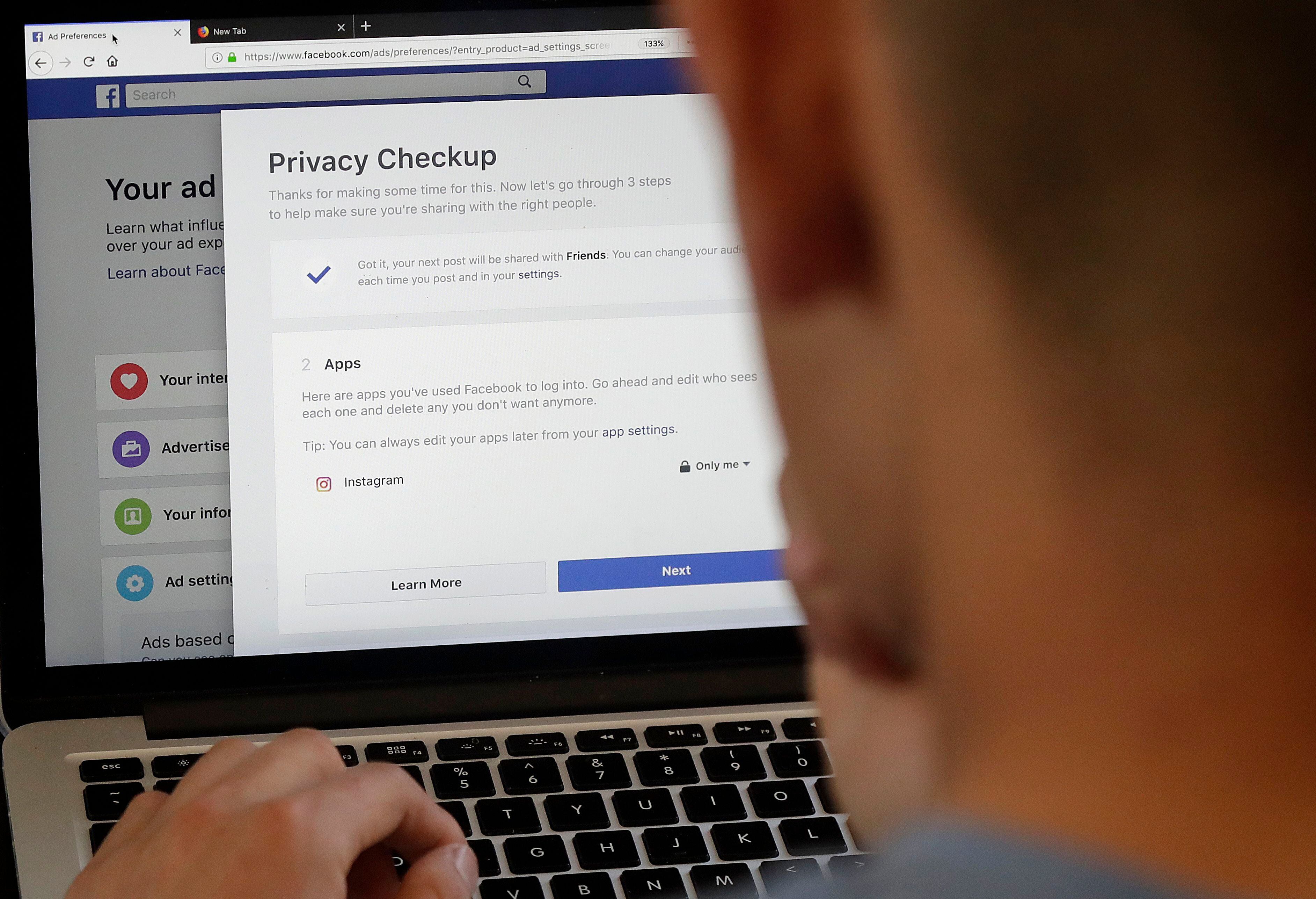
A new California data privacy bill will require companies that store personal information to disclose what types of data they collect. The law also gives users the opportunity to opt out. "There's a certain point where this has maybe gone too far," Dave White, a former national counterterrorism center officer, tells Cheddar about companies collecting data.
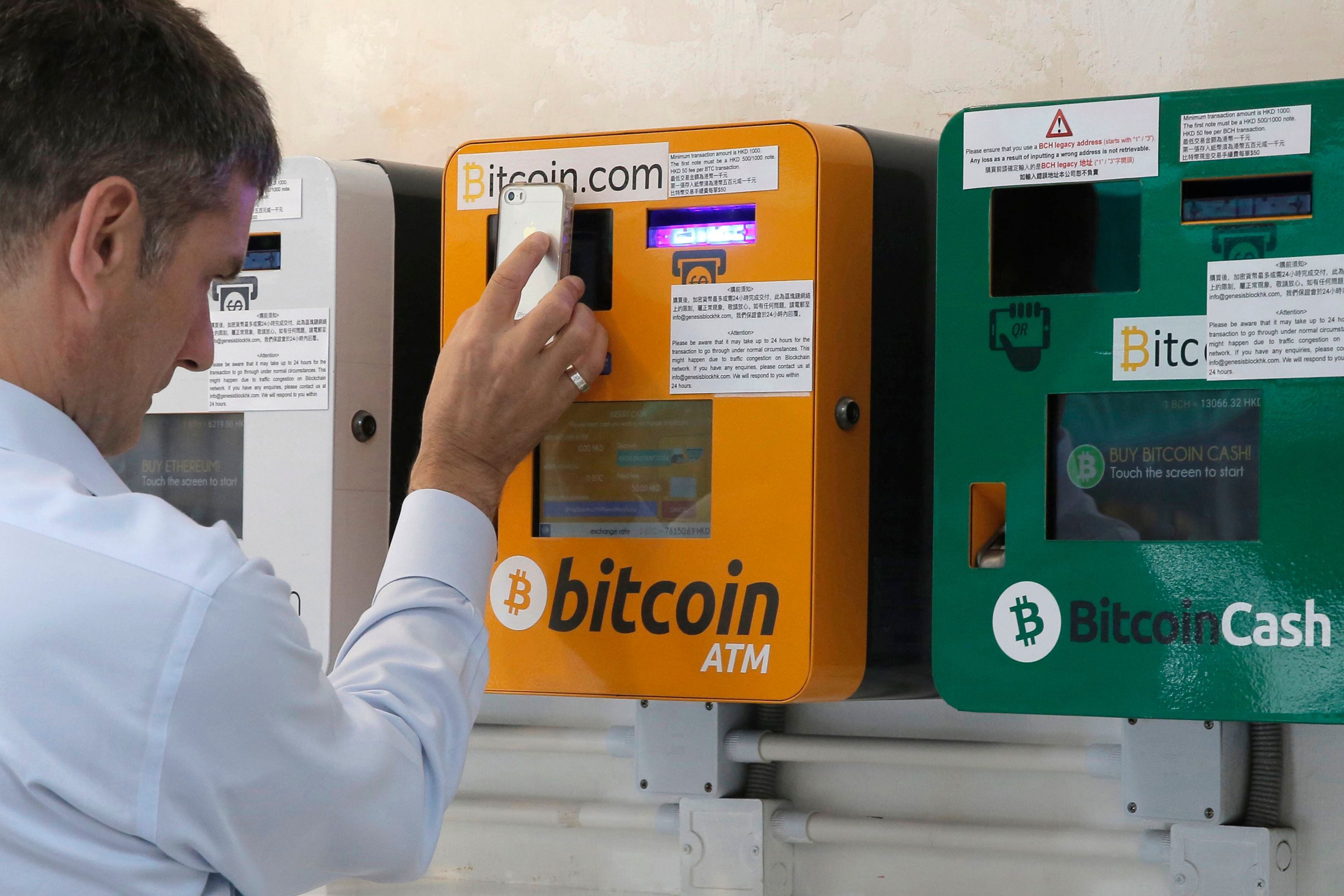
After Bitcoin took some significant blows in the market, some investors wonder how low it could go. "$5,000 was my most optimistic downward target and my most pessimistic downward target is $1,300," says blockchain and Bitcoin consultant Tone Vays.
The cryptocurrency is seeing weakening demand, which is putting pressure on prices. “We’ve slipped back in terms of people that accept it, so the transactional network is smaller today than it was a year ago,” says Paul Johnson, senior adviser at blockchain consulting firm Harbor Peak. “We’ve got this speculative demand that’s gone away because FOMO’s gone.”
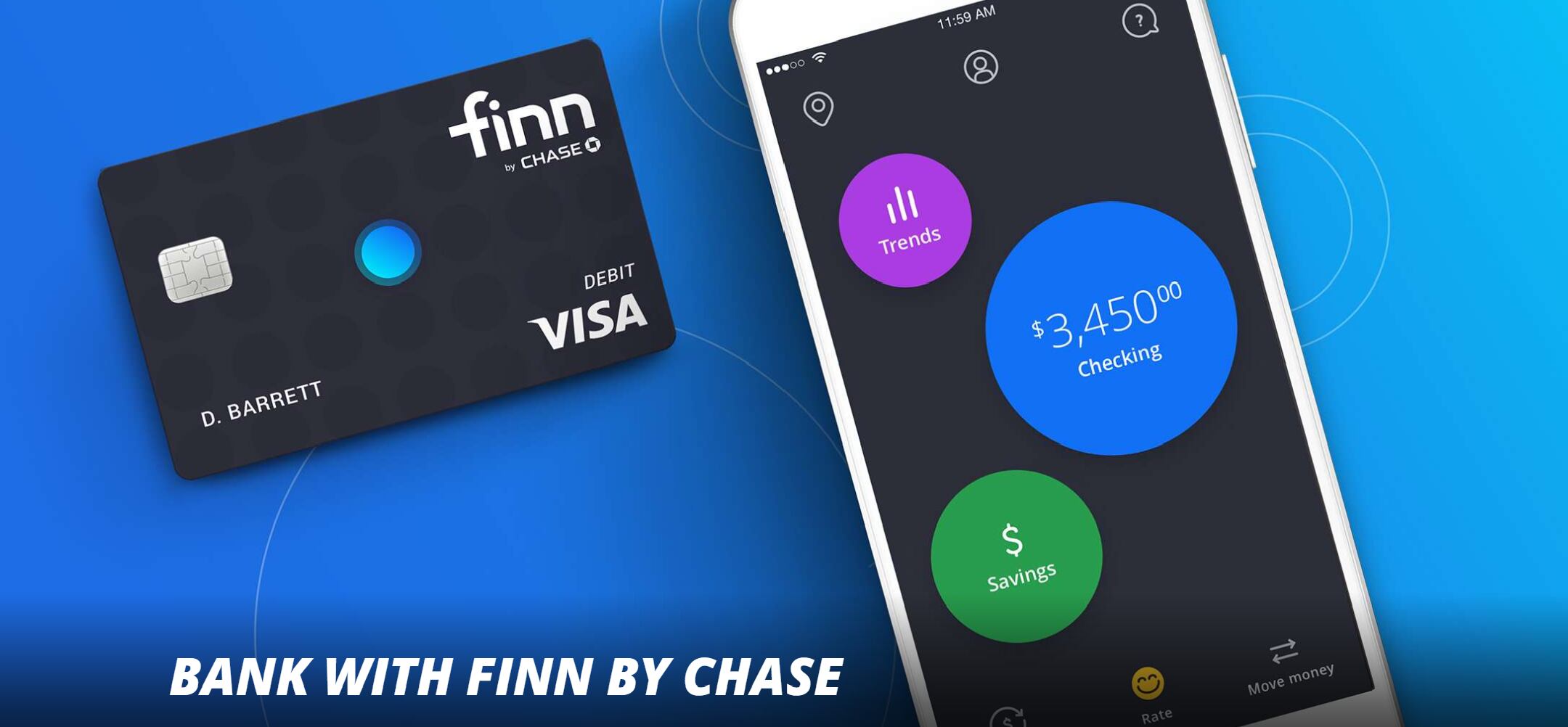
The consumer banking company, which has been testing and refining its Finn app in St. Louis since October, decided to expand its scope nationally. But the platform faces some tough competition, including Goldman Sach's Marcus and even Amazon.
Snap is reportedly looking to get into gaming, a move that other platforms will likely copy because users are starting to "socialize in these games," says Chris Merwin, esports analyst at Goldman Sachs.
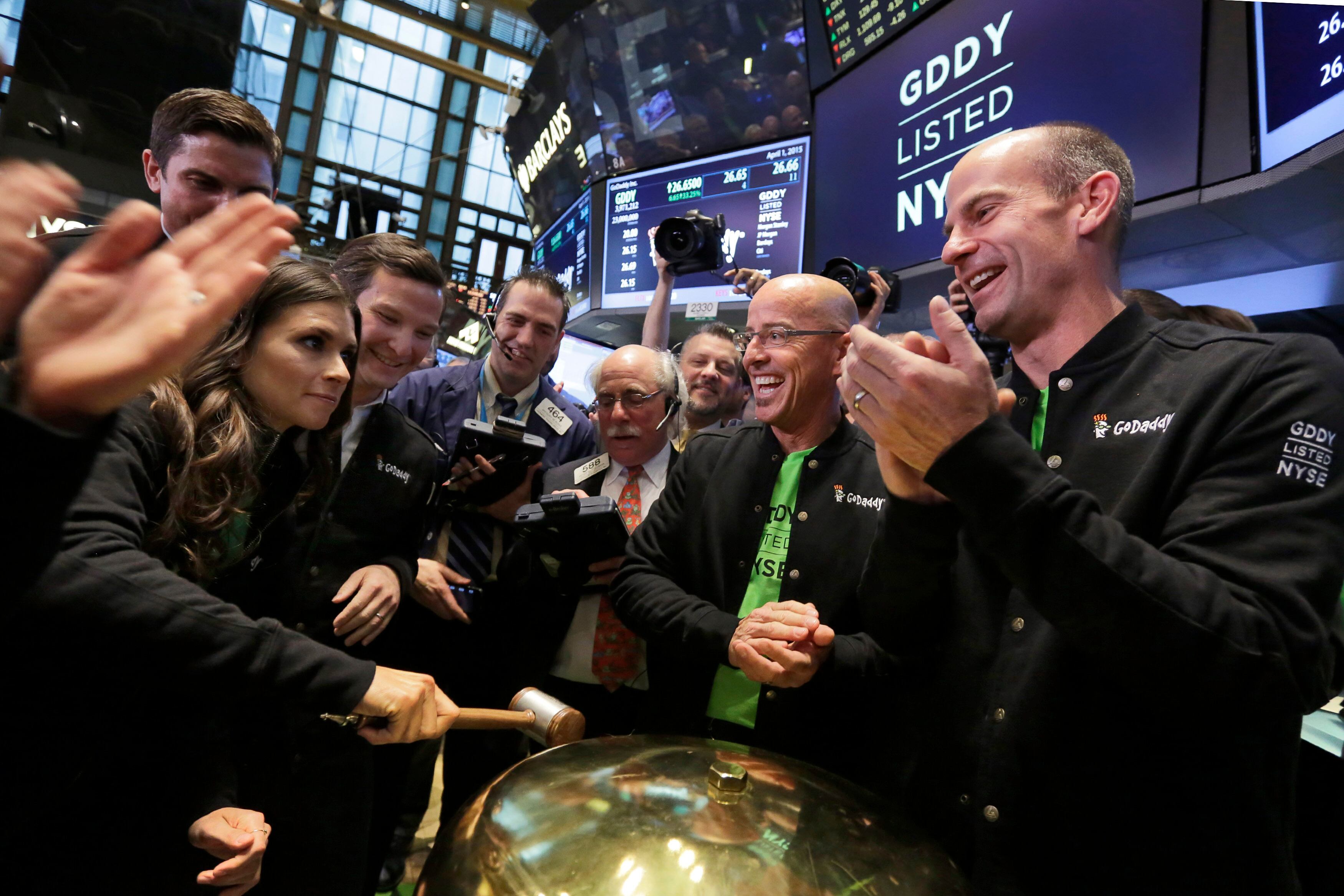
More than a third of GoDaddy's 18 million users are from outside the U.S., a number that will continue to rise, says Wagner. The platform is also adding new services to help it expand beyond hosting websites. "Our goal over the next five years is to really be the place where ideas start, grow, and thrive online."
The messaging tool was down for the better part of Wednesday, affecting workplaces across the country. For its size and how crucial it has become for businesses, an hours-long outage is "really troubling," says Brett Molina, digital editor at USA TODAY.
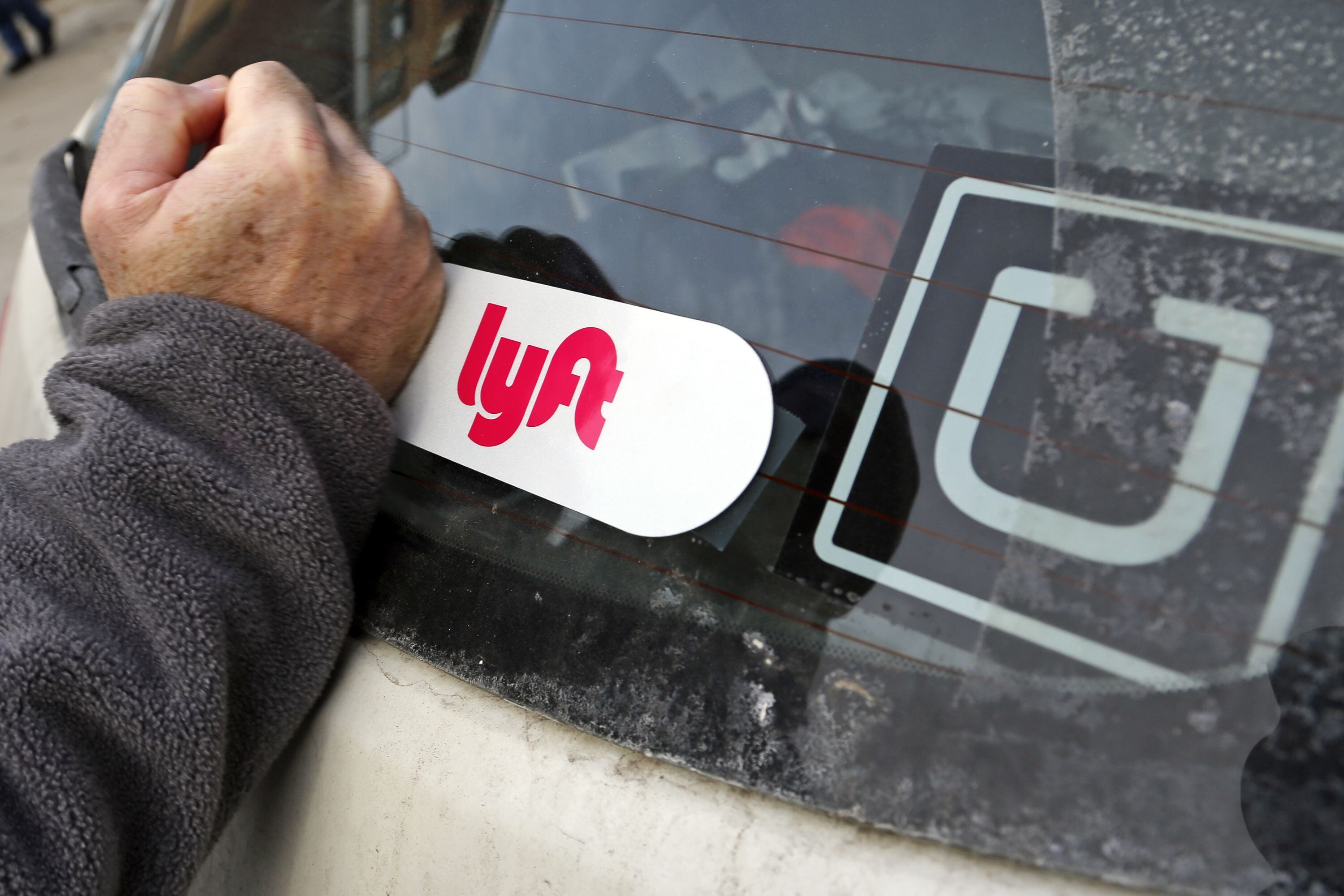
The ride-sharing company got a new $600 million worth of funding, led by investment firm Fidelity. That raises its valuation to $15.1 billion from about $7.5 billion a year ago. But even with the fresh money, Andrew Hawkins, senior transportation reporter for the Verge, said the company could still IPO before Uber.
The White House announced plans to ease restrictions on Chinese investment in U.S. technology companies on Wednesday. The Trump administration won't block companies with 25 percent or more of Chinese ownership from buying into the U.S. tech sector. Markets rebounded on the news.
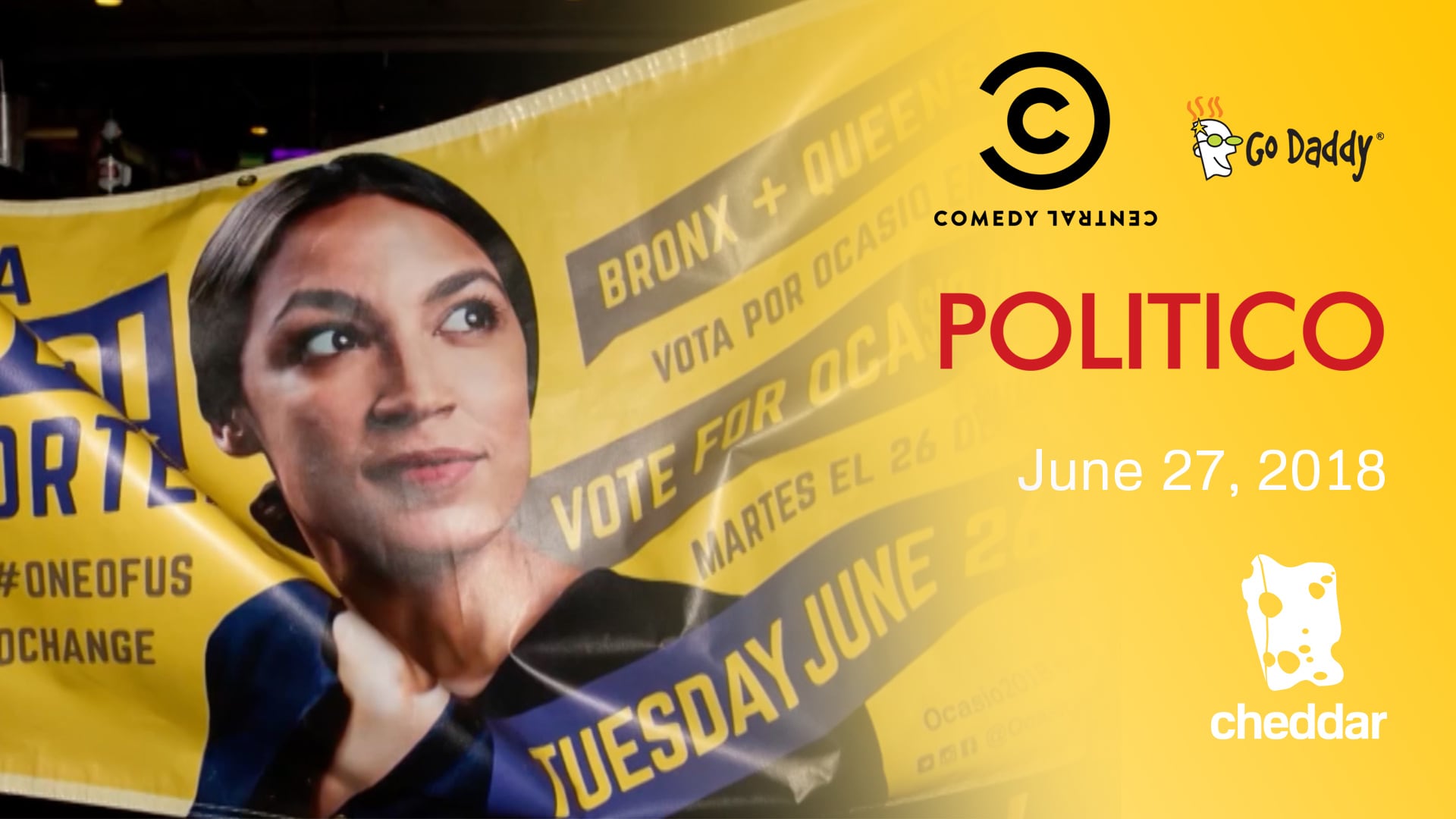
The results are in from Tuesday's primary elections. Zach Montellaro, campaign reporter at Politico, joins Cheddar to weigh in on the shocking political upset in New York's 14th district. Political newcomer Alexandria Ocasio-Cortez defeated Rep. Joe Crowley, the fourth most powerful Democrat in the House.
Plus, Conagra Brands is buying Pinnacle Foods in a cash-and-stock deal worth $10.9 billion. The deal will create the second largest frozen food company in the U.S., just behind Nestle. Conagra owns Healthy Choice and Pinnacle owns Birds Eye.