Spotify’s opening number seemed to be music to the market’s ears…at least at first.
The streaming company made its debut on the New York Stock Exchange Tuesday afternoon at more than $165 a pop, pegging its valuation at roughly $29.5 billion.
Over the course of the day, though, that price slipped to about $149, down about 12 percent from the highs of the day, but still well above the $132 a share reference price.
Spotify’s unconventional choice of a direct listing, instead of a traditional IPO, had investors and experts bracing for a roller-coaster ride on Tuesday.
“I thought we were going to see a lot of spikes up and down and up and down,” said Dan Primack, business reporter at Axios. But “it hasn’t been all over the place.”
This smoother-than-expected listing raises the question of whether more companies will follow in Spotify’s footsteps in the future.
“It’s not the right path for all,” Stacey Cunningham, COO of the New York Stock Exchange, told Cheddar before the stock started trading. “There are some unique factors for [Spotify].
“They don’t need to raise capital, so going through the IPO process isn’t something that was important to them.”
Spotify was much more interested in “providing that liquidity event for their shareholders...to have a currency...to do additional M&A deals going forward,” explained Cunningham.
So what’s in store for Spotify’s future?
Fam Mirza, one of the company’s earlier investors, told Cheddar he wouldn’t sell his shares in the listing, because he has faith in where the company is headed.
“They’re so amazing at entering new markets...They can still scale it, and then they get to those bottom line revenues.”
Mirza also doesn’t consider Apple, even as it gains ground in the space, as a real threat. After all, he pointed out, the tech giant has had plenty of opportunity to overtake it.
“Everybody has an iPhone. So as soon as Apple launched Apple Music...why hasn’t every single person who has an iPhone signed on to Apple Music?”
For the full interview, [click here](https://cheddar.com/videos/spotifys-unique-relationship-with-wall-street).
With Facebook racing to contain the damage from its latest -- and largest ever -- security breach, Michael Nuñez, the deputy tech editor for Mashable, said that users are starting to get smarter about what kind of data they share with the company.
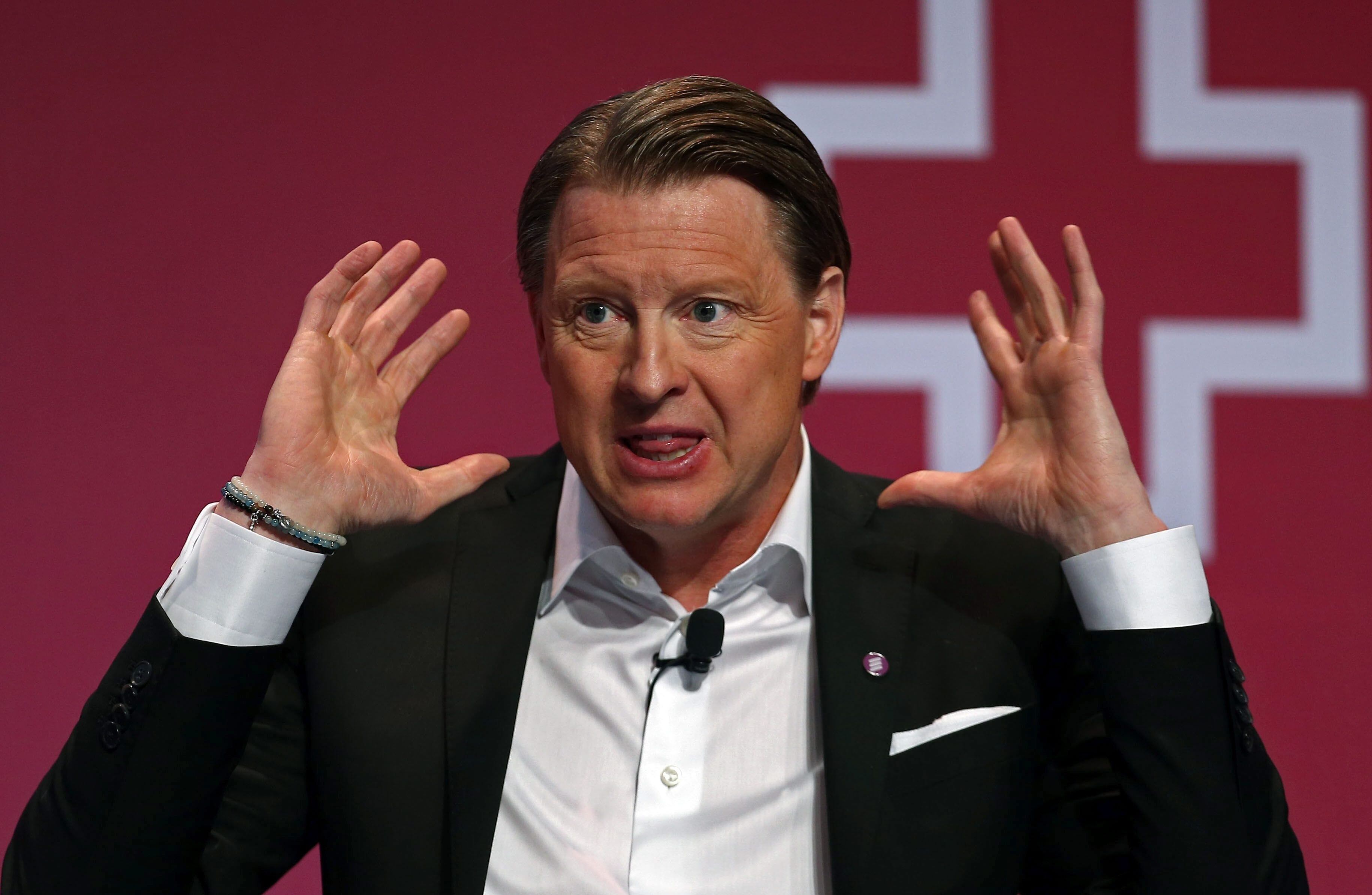
Verizon launched its first 5G network in four U.S. cities Monday. One possible use for the technology will be in rolling out self-driving vehicles. Hans Vestberg, CEO of Verizon Communications, said that while it will take some time for fully-autonomous cars to be deployed, 5G will help in solving connectivity and latency issues.
Hans Vestberg, CEO of Verizon Communications, said that the newest 5G network that Verizon is launching in four new cities, is the answer for cord-cutters. The network is the fastest on the market, and Vestberg said it's "a new way to get TV into your home."
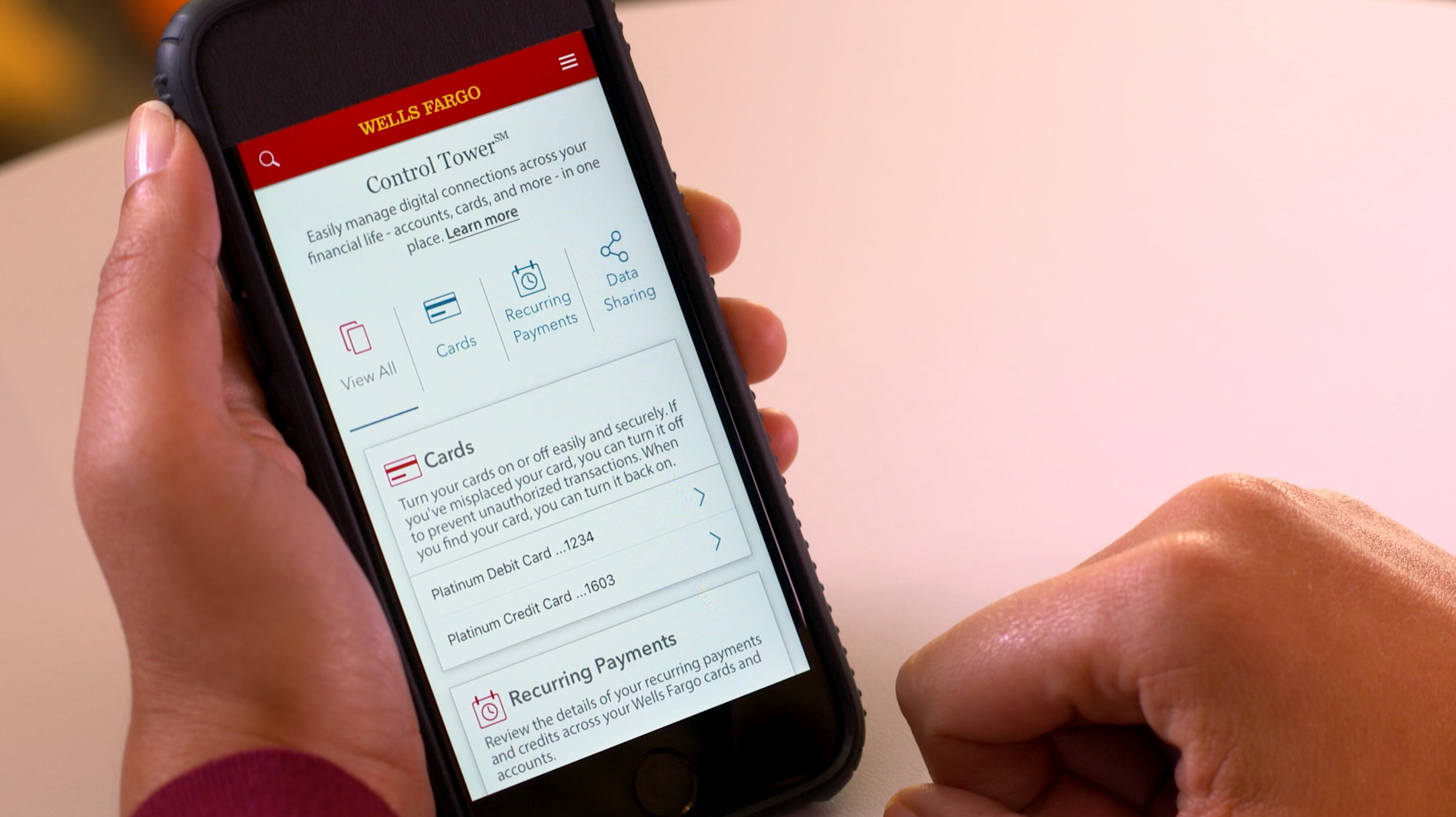
Wells Fargo has officially launched a new digital organizer "Control Tower" within its mobile banking app, so customers nationwide can track their increasingly complex and scattered financial footprints. Ben Soccorsy, head of digital payments for Wells Fargo Virtual Channels, told Cheddar, "Customers want the ability to control their data and share it when and how they want."
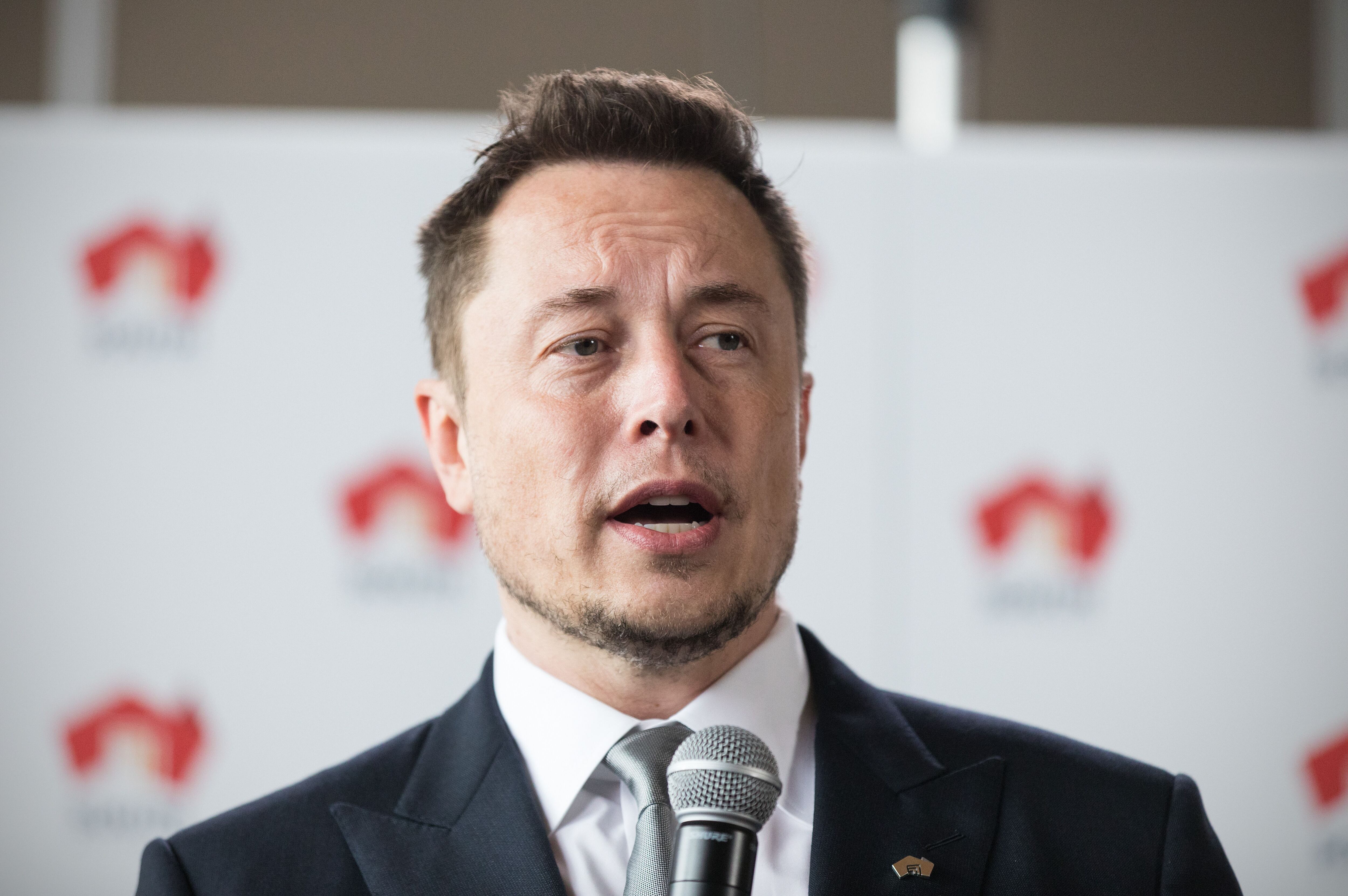
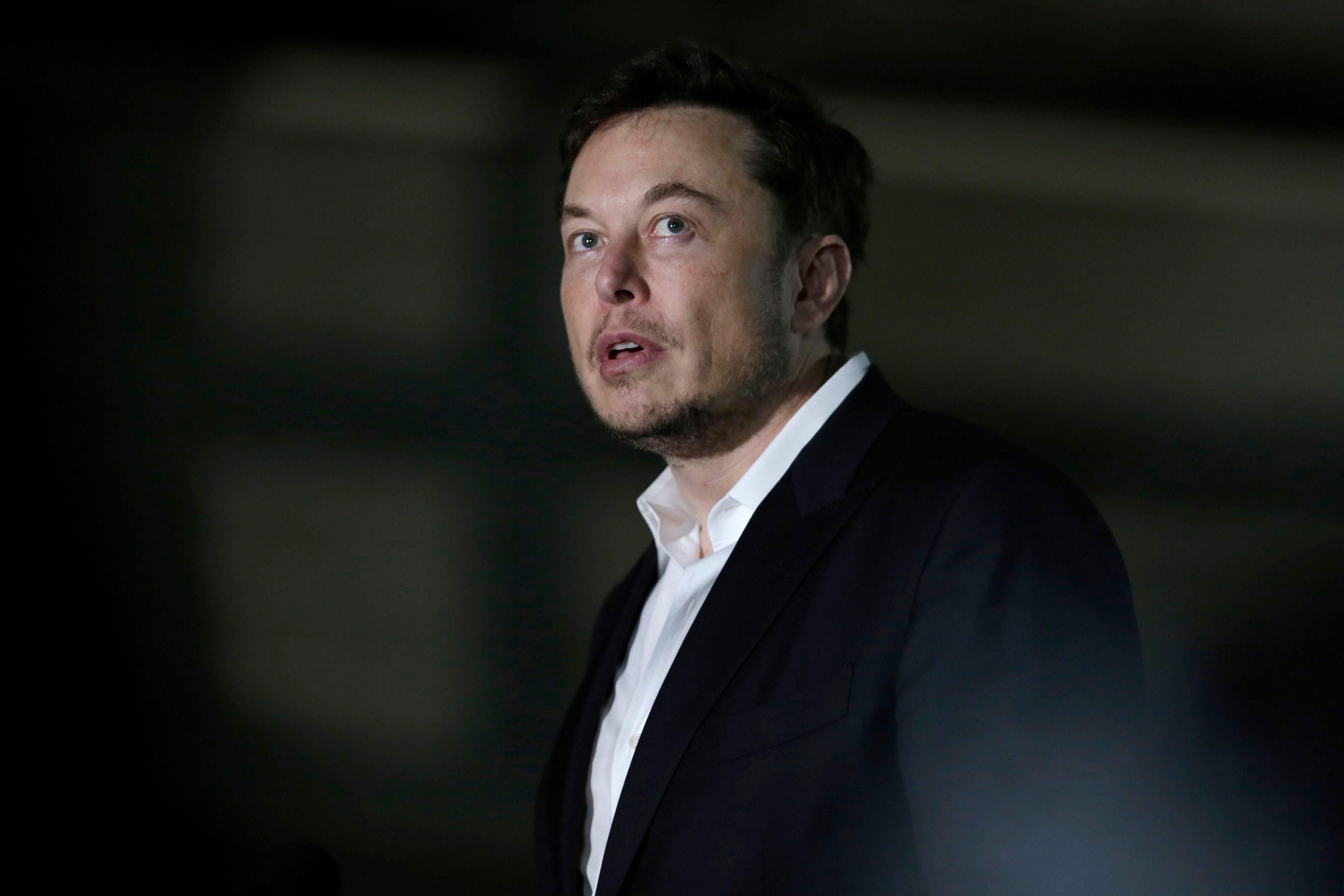
Tesla looked to claw back its losses Monday after Elon Musk settled a lawsuit with the SEC, agreeing to pay a $20 million fine and step down as chairman for at least three years.
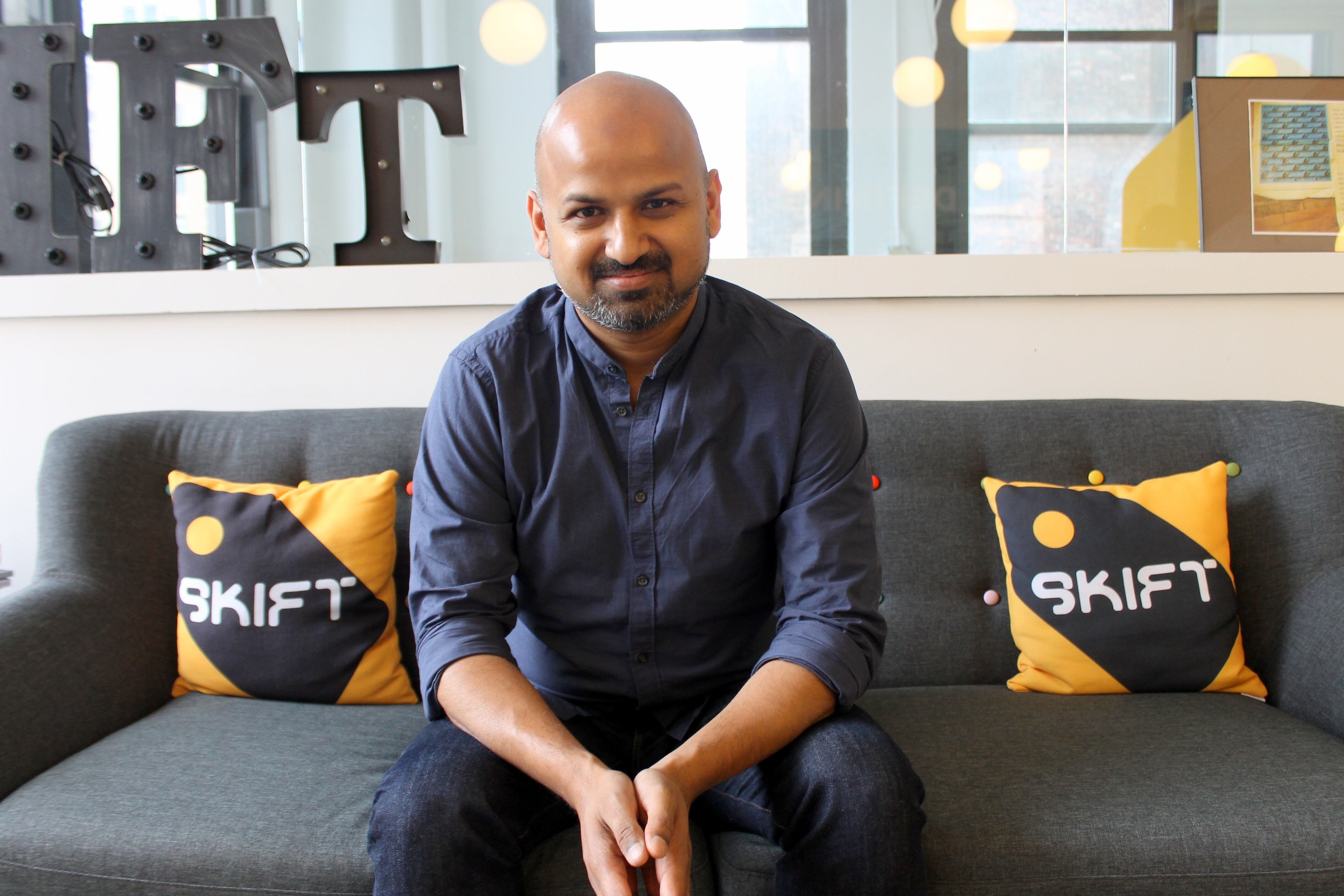
Rafat Ali, the CEO of Skift, took his employees to Puerto Rico to see the destruction from Hurricane Maria firsthand, which became the inspiration for the Skift Foundation. He said the foundation supports destinations and small businesses in the hospitality and travel sector that need additional resources.
Relief for migraine suffers may, at long last, be imminent. With the FDA approving Eli Lilly's Emgality drug, Christi Shaw, president of Lilly Bio-Medicines, expounded on the drug's potential efficacy. The company has said it will offer the treatment to chronic migraine suffers with commercial insurance for free for a year.
Shares of the EV maker fell by more than 14 percent, their biggest one-day drop since January 2012. The sell-off was prompted by Thursday's fraud charges filed by the SEC against CEO Elon Musk.
Shares of Tesla dropped after hours Thursday after the Securities and Exchange Commission filed a [lawsuit] (https://www.scribd.com/document/389617044/SEC-vs-MUSK#from_embed) against CEO Elon Musk in federal court, alleging that the billionaire founder committed securities fraud when he tweeted about taking the company private with "funding secured" on Aug. 7. In the complaint, the SEC seeks to bar Musk from being an officer of a public company.
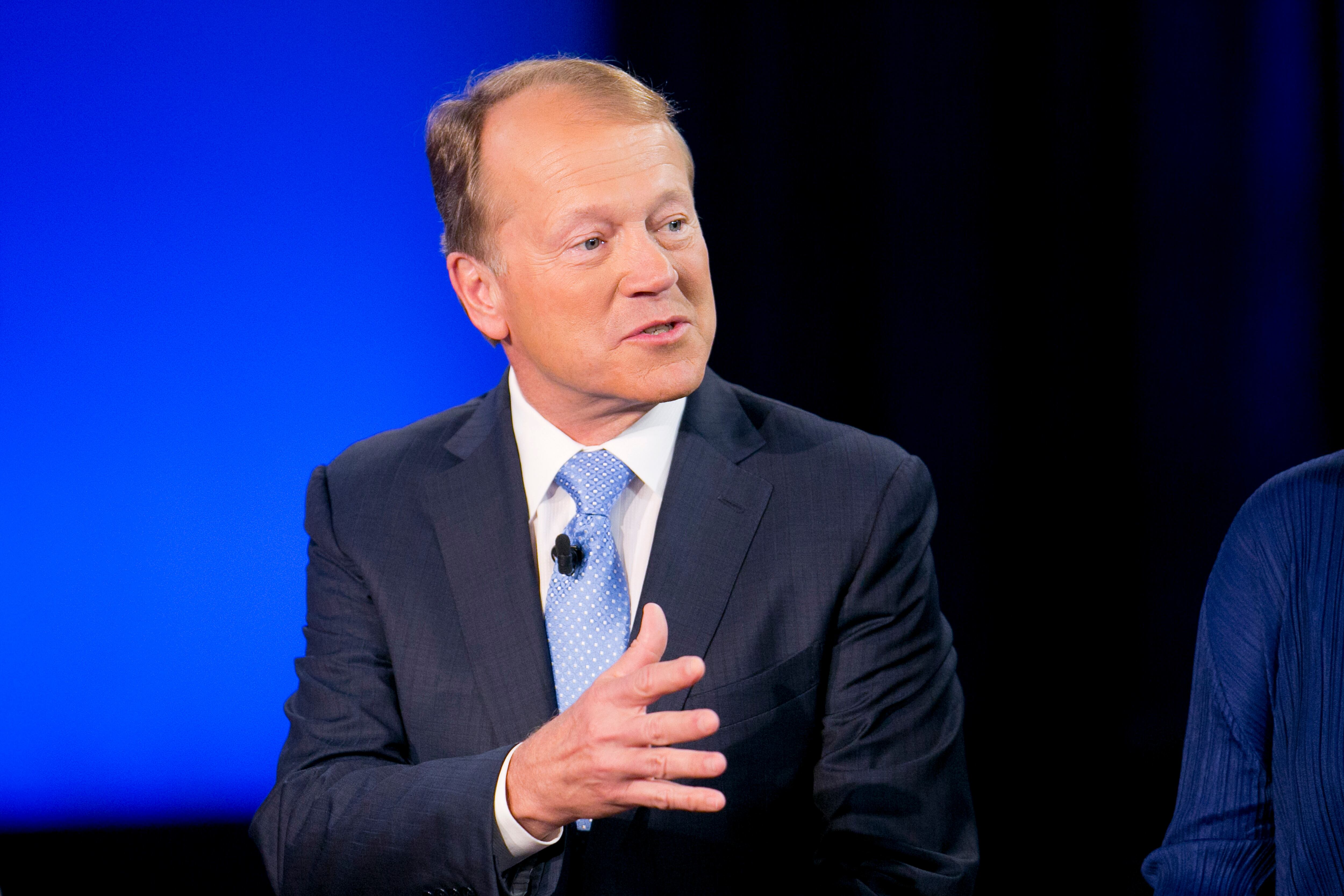
In the age of fake news and privacy concerns, people are asking if Big Tech needs more regulations, specifically from the federal government. John Chambers, former CEO and executive chairman of Cisco, said if Big Tech doesn't implement its own internal regulations, the government can ー and should ー step in.