Spotify’s opening number seemed to be music to the market’s ears…at least at first.
The streaming company made its debut on the New York Stock Exchange Tuesday afternoon at more than $165 a pop, pegging its valuation at roughly $29.5 billion.
Over the course of the day, though, that price slipped to about $149, down about 12 percent from the highs of the day, but still well above the $132 a share reference price.
Spotify’s unconventional choice of a direct listing, instead of a traditional IPO, had investors and experts bracing for a roller-coaster ride on Tuesday.
“I thought we were going to see a lot of spikes up and down and up and down,” said Dan Primack, business reporter at Axios. But “it hasn’t been all over the place.”
This smoother-than-expected listing raises the question of whether more companies will follow in Spotify’s footsteps in the future.
“It’s not the right path for all,” Stacey Cunningham, COO of the New York Stock Exchange, told Cheddar before the stock started trading. “There are some unique factors for [Spotify].
“They don’t need to raise capital, so going through the IPO process isn’t something that was important to them.”
Spotify was much more interested in “providing that liquidity event for their shareholders...to have a currency...to do additional M&A deals going forward,” explained Cunningham.
So what’s in store for Spotify’s future?
Fam Mirza, one of the company’s earlier investors, told Cheddar he wouldn’t sell his shares in the listing, because he has faith in where the company is headed.
“They’re so amazing at entering new markets...They can still scale it, and then they get to those bottom line revenues.”
Mirza also doesn’t consider Apple, even as it gains ground in the space, as a real threat. After all, he pointed out, the tech giant has had plenty of opportunity to overtake it.
“Everybody has an iPhone. So as soon as Apple launched Apple Music...why hasn’t every single person who has an iPhone signed on to Apple Music?”
For the full interview, [click here](https://cheddar.com/videos/spotifys-unique-relationship-with-wall-street).
Fair Financial is riding high on its recent $385 million round of funding. Founder and CEO Scott Painter is even willing to bet the used-car-subscription startup will go public down the line. "In most cases, I think it is really foolish to set a target that says, 'we are going to be a public company,' but in Fair's case, there is quite literally just so much money involved," Painter told Cheddar on Friday. "It will have to be a public company sooner than later."
These are the headlines you Need 2 Know for Friday, Dec. 21, 2018.
AppOnboard is looking to reinvent the app store by letting users instantly experience an app or game without having to download it. The company just raised $15 million in funding, bringing its total to $30 million this year. “We’re really excited to really re-invent the way that users consume apps,” Bryan Buskas, AppOnboard's chief operating officer told Cheddar on Thursday.
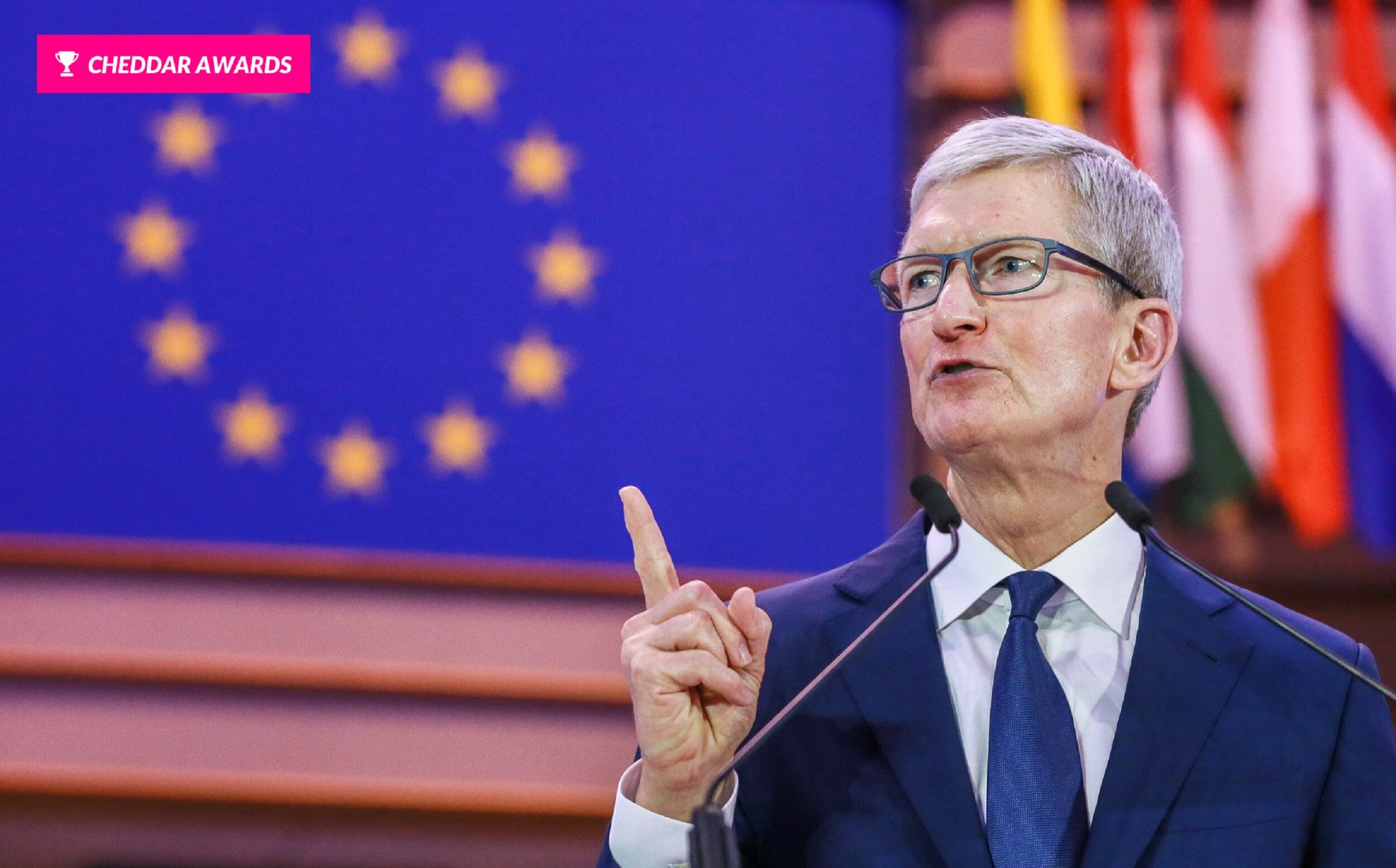
As Cheddar reflects on 2018, we are profiling the most innovative, flamboyant, and often-controversial entrepreneurs and corporate leaders who delivered the year's most memorable moments in business. Of the CEO Class of 2018, who was crowned Biggest Flirt? Class Clown? Cheddar's Most Outspoken Award Goes to Tim Cook.
As we round out 2018, we’re reviewing the year's biggest letdowns for investors. To commemorate all the epic fails, we ranked the biggest flops ー the companies that enjoyed a booming 2017, but fizzled in 2018.
Stocks plunged on Thursday for the second day running, as the renewed threat of a government shutdown over the Christmas holiday weekend contributed to residual market weakness after the Fed's latest rate hike.
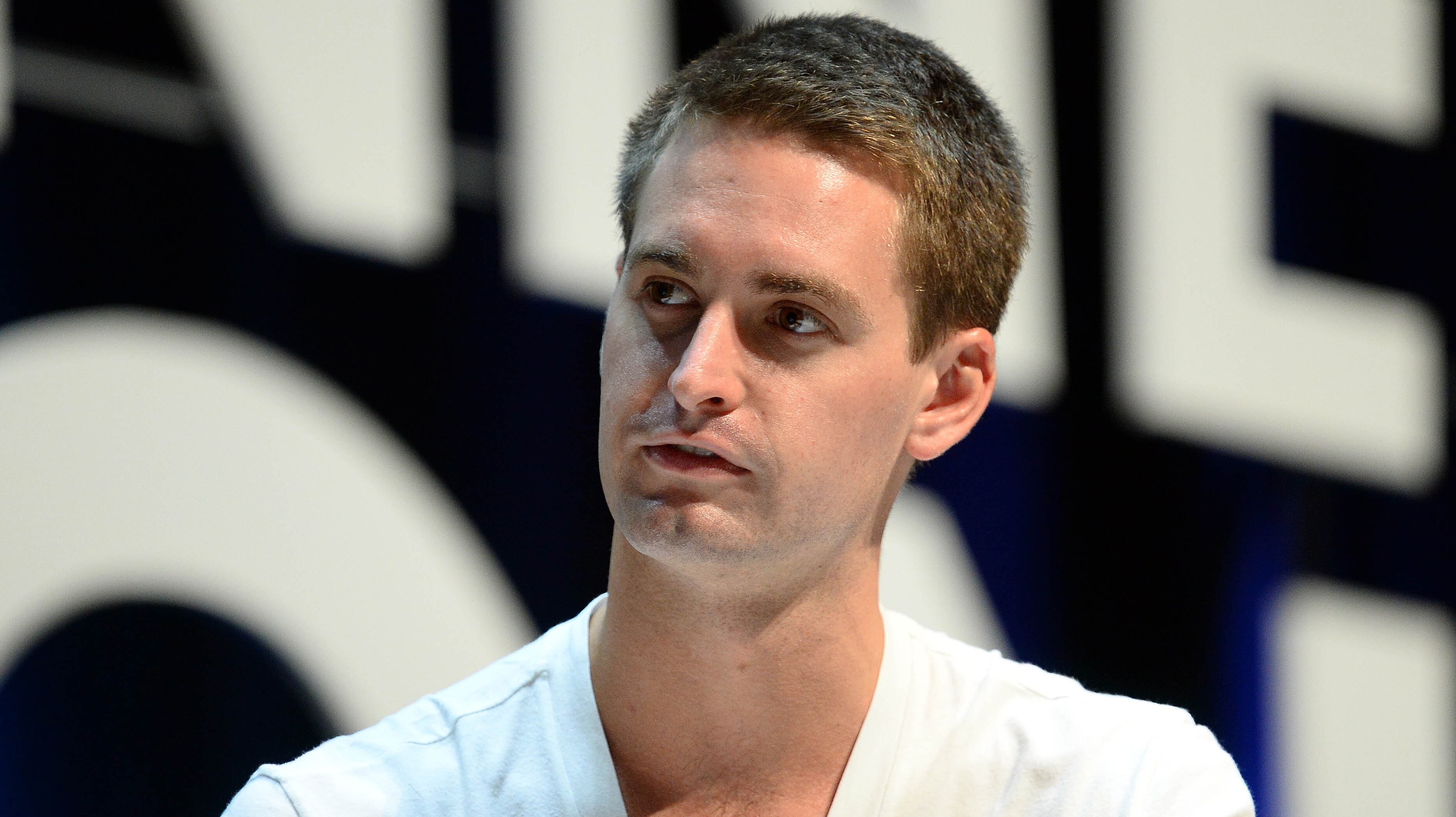
To cap off a rough year for Snap Inc., employees have been told they won’t receive cash bonuses after the company failed to meet its business goals. Instead, top-performing employees are receiving a discretionary incentive bonus in the form of more stock, the people said. Snapchat's stock is trading at all-time lows.
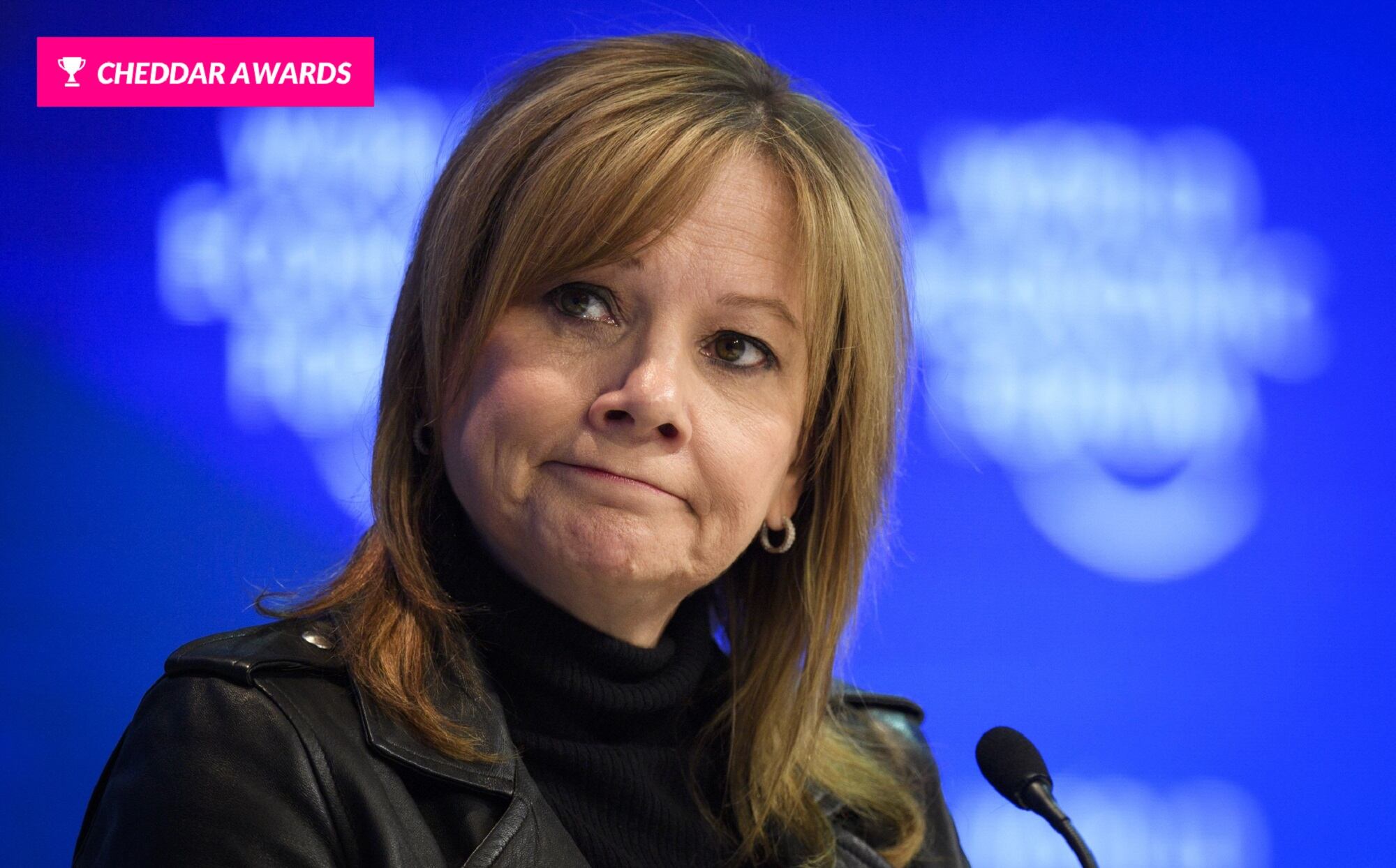
CEO Mary Barra made national headlines when General Motors announced in late November that 14,000 salaried and hourly workers would be cut for the sake of the company's growth. Backlash against Barra was swift; it populated the White House Twitter feed and echoed through the hall of Congress.
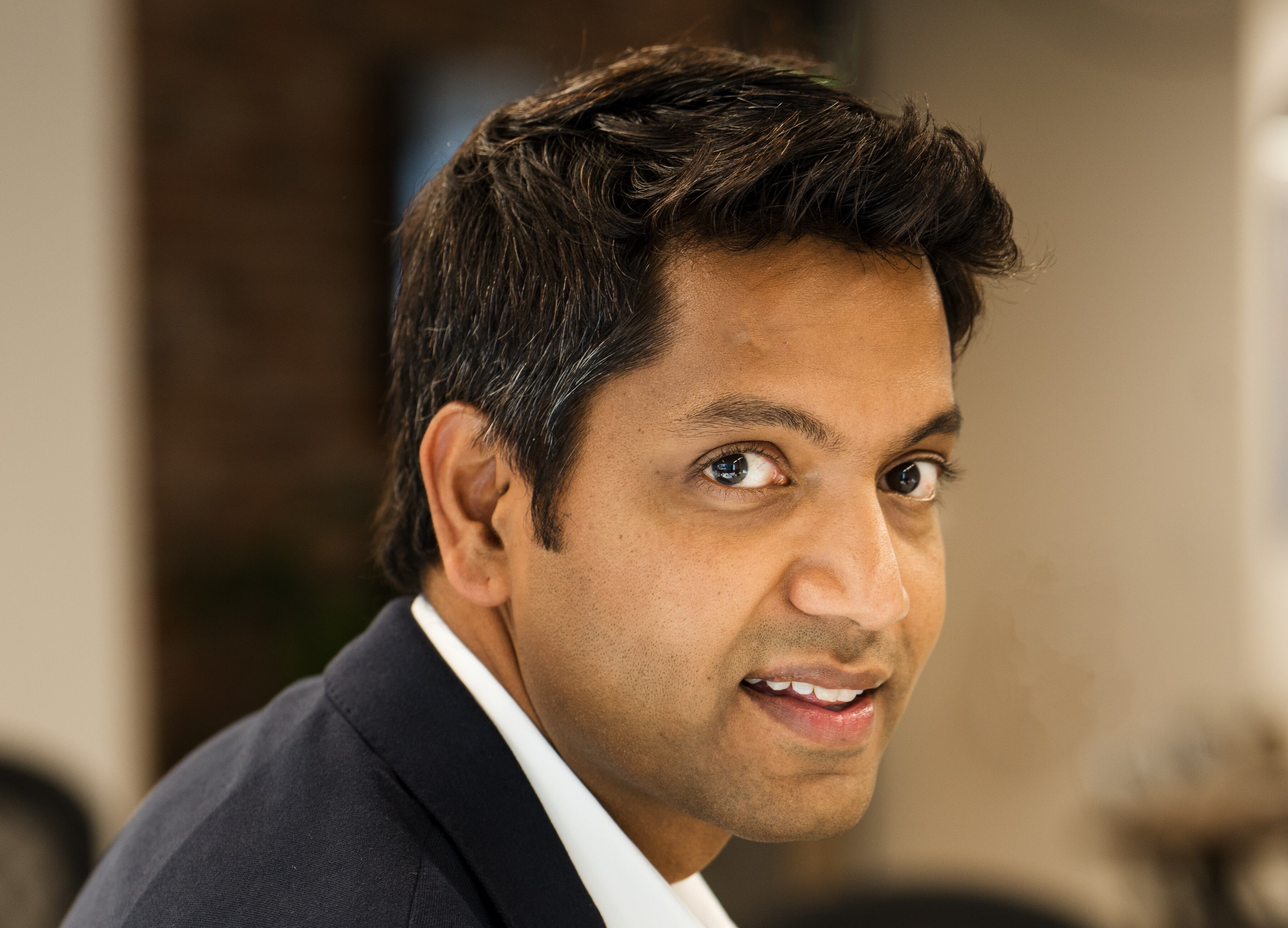
Securly is a start-up with a simple mission: to keep kids safe online. And the artificial intelligence company has just raised $16 million in series B funding to expand the reach of its social media tracking capabilities to more parents and schools. “We are going to take this money and invest in research and development and scaling up sales and distribution across America,” CEO and co-founder Vinay Mahadik told Cheddar.
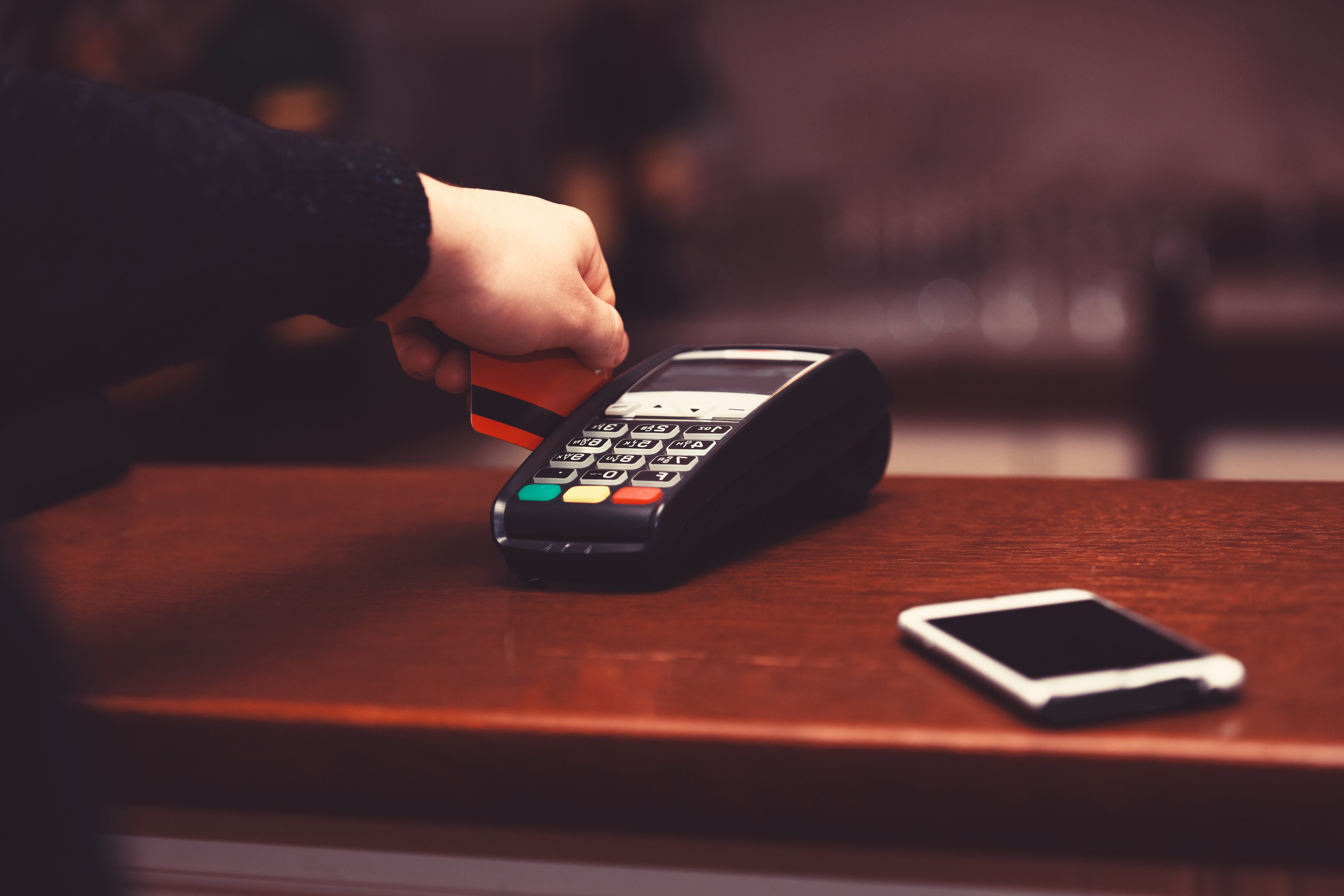
Proposed legislation in New York City would require “cashless" restaurants ー which only accept debit and credit cards and mobile payments ー to give customers the option to pay in cash, and fine any establishment that refuses to accept it. Jason Oxman, CEO of the Electronic Transactions Association, discussed the backlash against cashless retail with Cheddar.