Spotify’s opening number seemed to be music to the market’s ears…at least at first.
The streaming company made its debut on the New York Stock Exchange Tuesday afternoon at more than $165 a pop, pegging its valuation at roughly $29.5 billion.
Over the course of the day, though, that price slipped to about $149, down about 12 percent from the highs of the day, but still well above the $132 a share reference price.
Spotify’s unconventional choice of a direct listing, instead of a traditional IPO, had investors and experts bracing for a roller-coaster ride on Tuesday.
“I thought we were going to see a lot of spikes up and down and up and down,” said Dan Primack, business reporter at Axios. But “it hasn’t been all over the place.”
This smoother-than-expected listing raises the question of whether more companies will follow in Spotify’s footsteps in the future.
“It’s not the right path for all,” Stacey Cunningham, COO of the New York Stock Exchange, told Cheddar before the stock started trading. “There are some unique factors for [Spotify].
“They don’t need to raise capital, so going through the IPO process isn’t something that was important to them.”
Spotify was much more interested in “providing that liquidity event for their shareholders...to have a currency...to do additional M&A deals going forward,” explained Cunningham.
So what’s in store for Spotify’s future?
Fam Mirza, one of the company’s earlier investors, told Cheddar he wouldn’t sell his shares in the listing, because he has faith in where the company is headed.
“They’re so amazing at entering new markets...They can still scale it, and then they get to those bottom line revenues.”
Mirza also doesn’t consider Apple, even as it gains ground in the space, as a real threat. After all, he pointed out, the tech giant has had plenty of opportunity to overtake it.
“Everybody has an iPhone. So as soon as Apple launched Apple Music...why hasn’t every single person who has an iPhone signed on to Apple Music?”
For the full interview, [click here](https://cheddar.com/videos/spotifys-unique-relationship-with-wall-street).
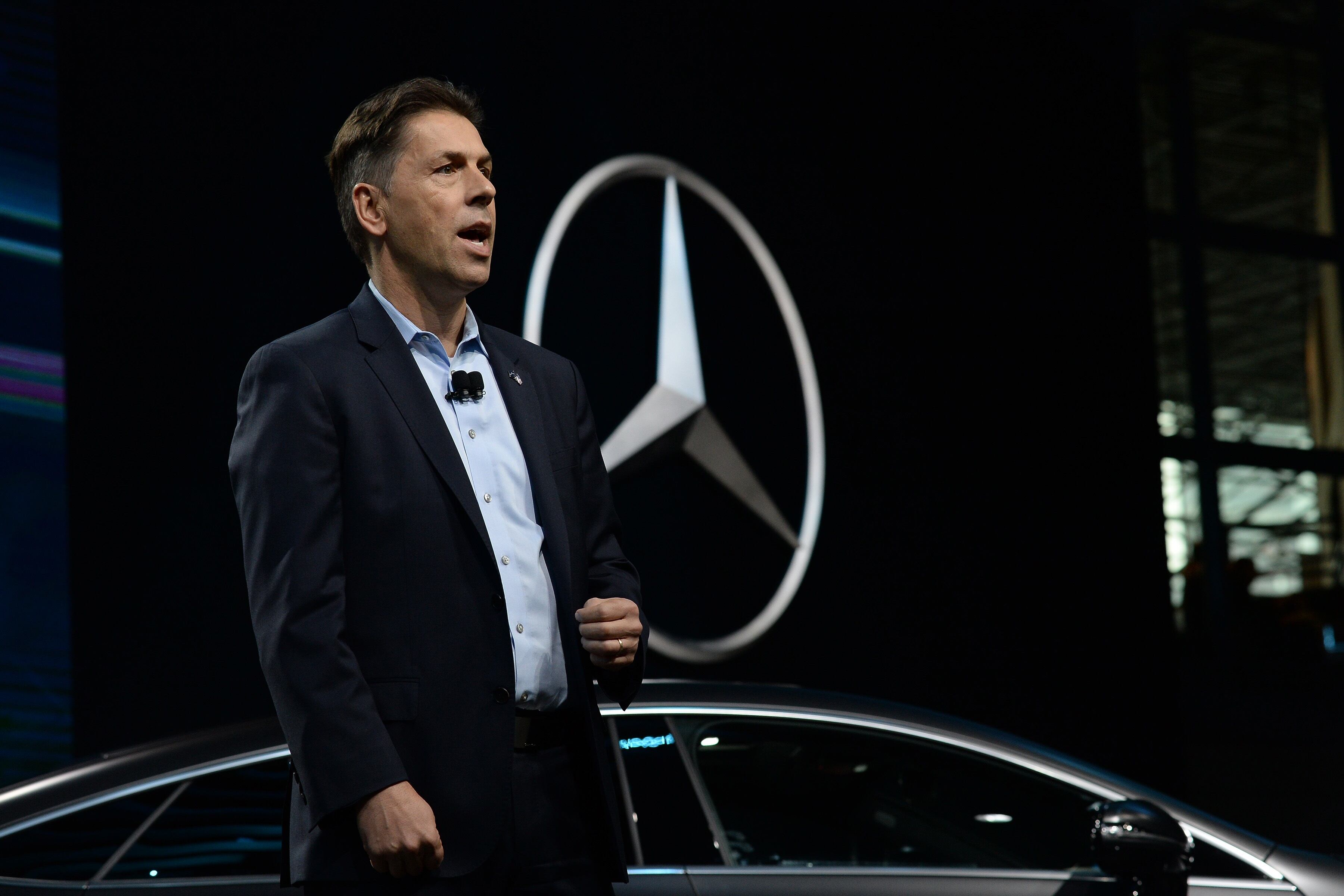
Cars in 2019 are about so much more than transporting passengers from point A to B. That's why luxury carmaker Mercedes-Benz chose to sit out the Detroit Auto Show, and debut its second-generation CLA Coupe at CES instead. "Today's cars aren't just about metal and an engine anymore," Dietmar Exler, president and CEO at Mercedes-Benz USA, told Cheddar from the Las Vegas convention Wednesday.
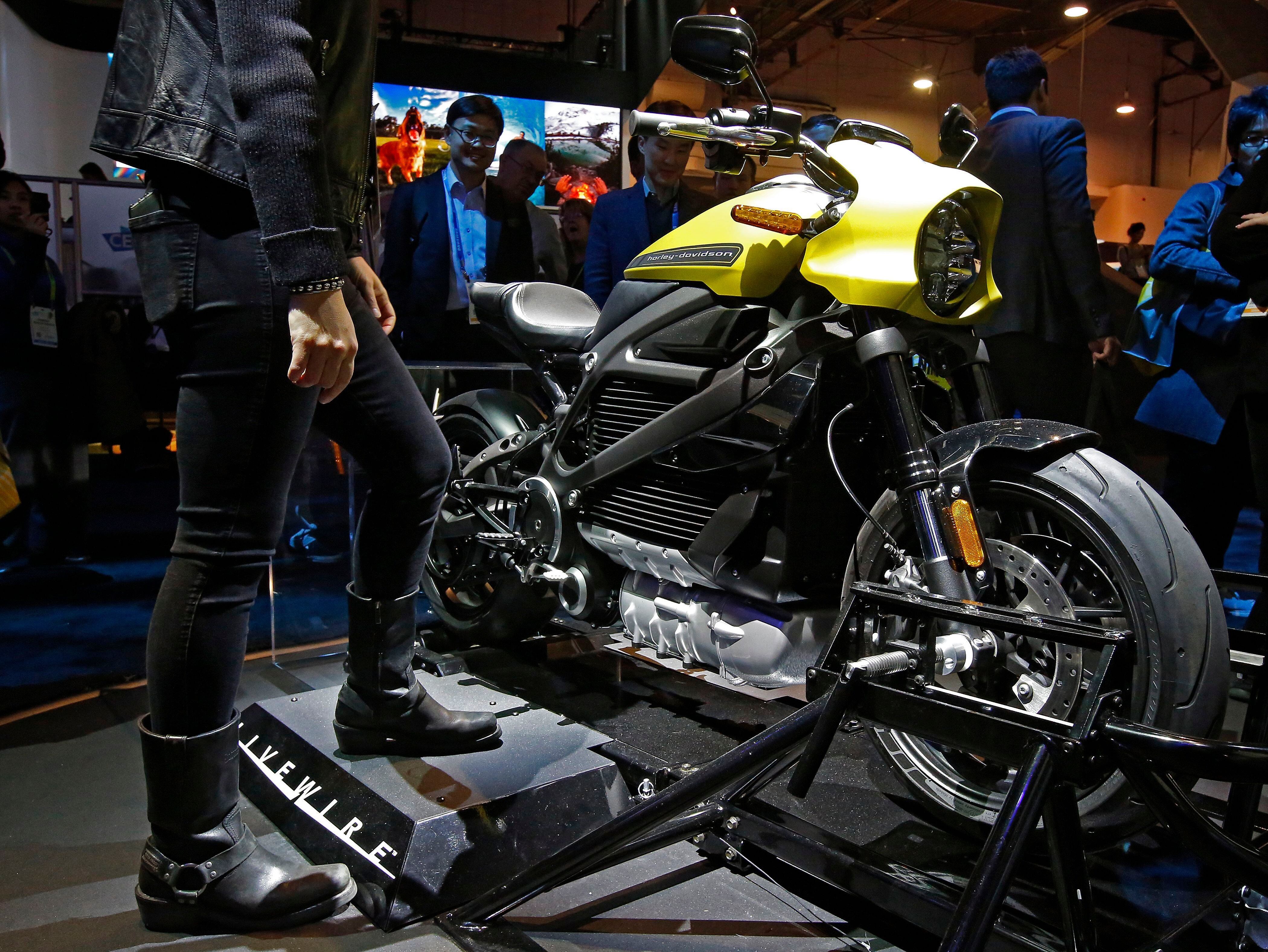
The electric vehicle industry got a jolt this week as Harley-Davidson introduced its new LiveWire electric motorcycle at the 2019 Consumer Electronics Show. "We're the leader in the category, so we're going to lead the electrification of the sport," Heather Malenshek, senior vice president of marketing and brand at Harley-Davidson, told Cheddar at CES.
This year, CES marked a new partnership between gaming hardware maker Alienware and "League of Legends" developer Riot Games, a union that was a year in the making, according to the general manager at Dell's gaming arm, Alienware. "It actually started here a year ago," Azor told Cheddar at the Las Vegas conference on Wednesday. "That's where we first met."
Among the attendees at this year's CES was Aurora, a startup building autonomous driving technology, backed by some of the top talent in the field. Aurora CEO Chris Urmson, who co-founded the company with a former Tesla engineer and robotics expert, told Cheddar's Hope King that Aurora was "building the driver" for driverless cars.
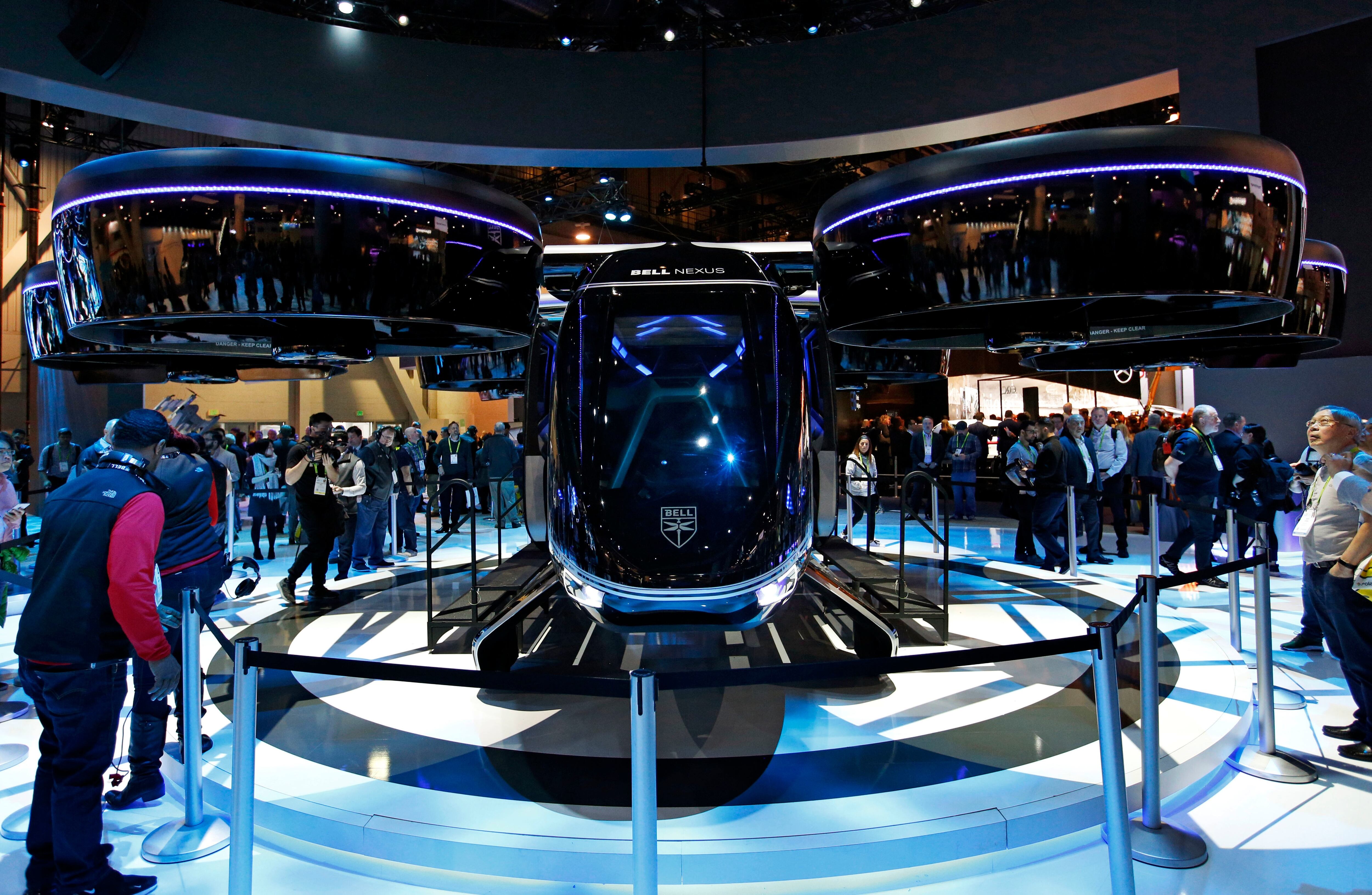
Flying taxis are closer to liftoff than you might think. Dr. Tom Prevot, a former NASA aerospace engineer who now runs the engineering division at Elevate, Uber's airspace unit, told Cheddar's Hope King that the nascent industry is reaching a point at which "a lot of things come together."
Procter & Gamble is the world's biggest advertiser and the company is looking to the future to upgrade common products people use everyday. Cheddar's Hope King talked to Marc Pritchard, the Chief Brand Officer of Procter & Gamble, about how the company is integrating tech into everything from razors to toothbrushes.
Influencer marketing company IZEA Worldwide is expanding into Latin America with the acquisition of FLUVIP. FLUVIP is a Latin American-focused influencer marketing company with more than 100,000 influencers. Companies are projected to spend between $5 billion and $10 billion in influencer marketing by 2022.
Apple is planning to slash production for its newer iPhone models by 10 percent this quarter, according to a report in the Nikkei. However, CEO Tim Cook continues to say that the iPhone XR is the best-selling phone in company history. Trade talks between China and the U.S. wrapped up Wednesday after an unscheduled third day of negotiations. Both sides expressed optimism over the progress made during these talks. Plus, Hope King sits down with Bridget Karlin, chief technology officer for IBM Global Technology Services, to talk about the future of blockchain and much more.
Computing behemoth IBM is using blockchain technology to ensure the food we eat is safe and properly sourced. "We're basically leveraging the blockchain technology to track each item of food as it travels through its trajectory and its transportation from the field all the way to the retailer," Bridget Karlin, chief technology officer for IBM Global Technology Services, told Cheddar's Hope King at CES.
Affirm is making good on its commitment to become a full-service bank. The lending startup led by PayPal co-founder Max Levchin is introducing fee-free savings accounts through a bank partner, initially with a 2 percent annual percentage yield and no minimum balance, Cheddar has learned.