Spotify’s opening number seemed to be music to the market’s ears…at least at first.
The streaming company made its debut on the New York Stock Exchange Tuesday afternoon at more than $165 a pop, pegging its valuation at roughly $29.5 billion.
Over the course of the day, though, that price slipped to about $149, down about 12 percent from the highs of the day, but still well above the $132 a share reference price.
Spotify’s unconventional choice of a direct listing, instead of a traditional IPO, had investors and experts bracing for a roller-coaster ride on Tuesday.
“I thought we were going to see a lot of spikes up and down and up and down,” said Dan Primack, business reporter at Axios. But “it hasn’t been all over the place.”
This smoother-than-expected listing raises the question of whether more companies will follow in Spotify’s footsteps in the future.
“It’s not the right path for all,” Stacey Cunningham, COO of the New York Stock Exchange, told Cheddar before the stock started trading. “There are some unique factors for [Spotify].
“They don’t need to raise capital, so going through the IPO process isn’t something that was important to them.”
Spotify was much more interested in “providing that liquidity event for their shareholders...to have a currency...to do additional M&A deals going forward,” explained Cunningham.
So what’s in store for Spotify’s future?
Fam Mirza, one of the company’s earlier investors, told Cheddar he wouldn’t sell his shares in the listing, because he has faith in where the company is headed.
“They’re so amazing at entering new markets...They can still scale it, and then they get to those bottom line revenues.”
Mirza also doesn’t consider Apple, even as it gains ground in the space, as a real threat. After all, he pointed out, the tech giant has had plenty of opportunity to overtake it.
“Everybody has an iPhone. So as soon as Apple launched Apple Music...why hasn’t every single person who has an iPhone signed on to Apple Music?”
For the full interview, [click here](https://cheddar.com/videos/spotifys-unique-relationship-with-wall-street).
Chicago-based cannabis company Cresco Labs unveiled a new dispensary and retail cannabis shop concept on Monday. Called Sunnyside, the concept emphasizes health and wellness and aims to create an accessible, immersive retail environment that pushes Cresco along on its mission of creating a nationally-recognizable cannabis brand.
Cheddar spoke to Twitter's head of global operations and emerging businesses Yannis Dosios after the social media platform shared strong earnings with the number of monetizable daily active users going up.
From Wall Street to Silicon Valley, these are the top stories that moved markets and had investors, business leaders, and entrepreneurs talking this week on Cheddar.
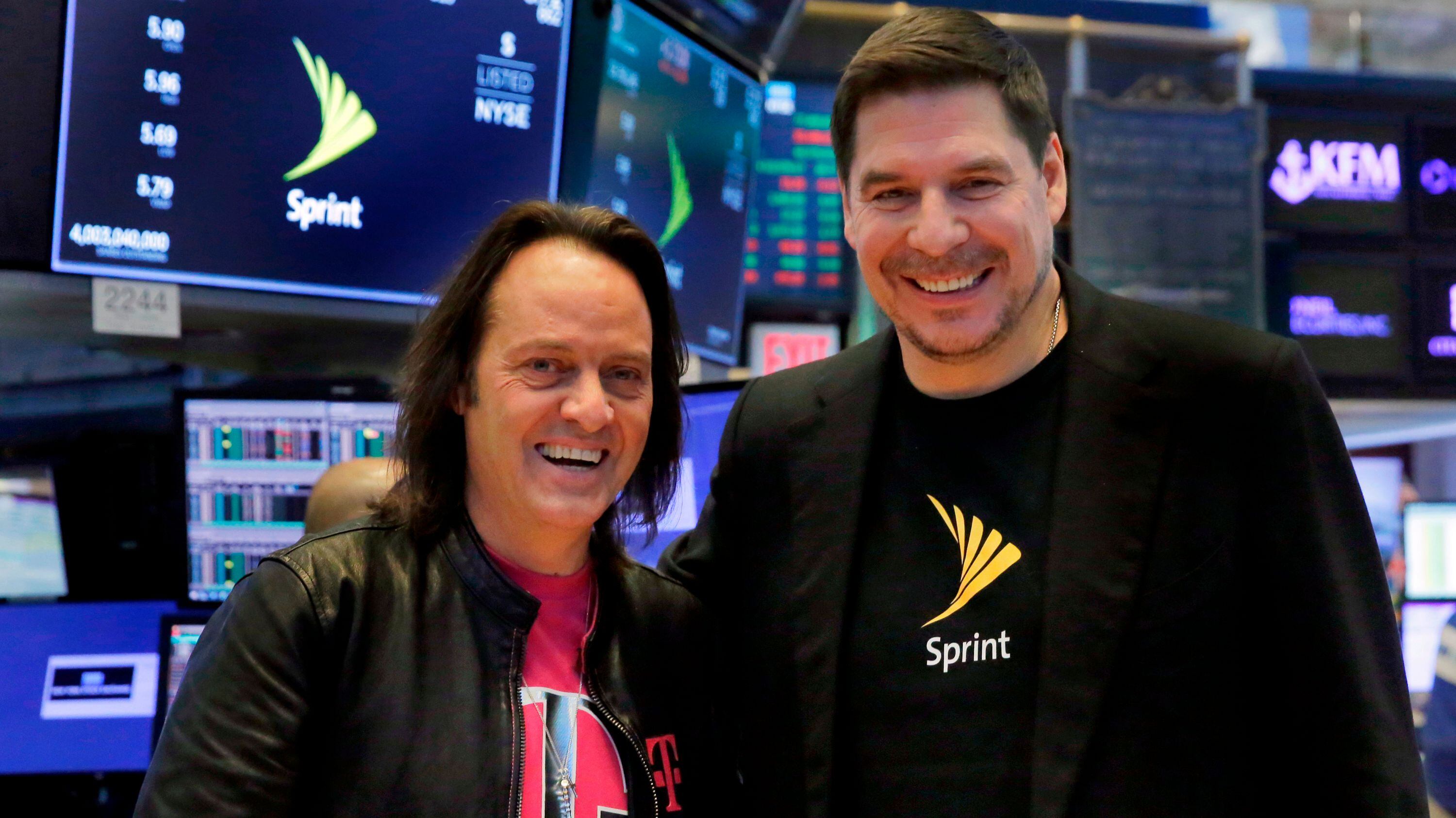
The Department of Justice has required that Sprint divest its prepaid division to Dish in a move worth about $1.4 billion. Sprint and T-Mobile must also make 200,000 cell sites available to that provider as well.
Digital health company Livongo had a successful public debut Thursday on the Nasdaq. It's the latest in a wave of digital health companies entering the public markets. Hemant Taneja, managing director at General Catalyst, joins Cheddar to discuss.
Shares of CannTrust surged 15 percent on Friday after the Canadian cannabis company announced it terminated CEO Peter Aceto in the midst of regulatory drama that has plundered the company's stock value. Jefferies' analyst Ryan Tomkins predicted the management shuffle in a Wednesday note, which called management's positions "untenable."
These are the headlines you Need 2 Know for Friday, July 26, 2019.
E-commerce giant Amazon reported earnings per share of $5.22 on revenue of $63.4 billion. Analysts surveyed by Thomson Reuters had expected EPS of $5.57 on revenue of $62.48 billion.
Smart glass, which comes with its own IP address, is being installed in office buildings around the country. Rao Mulpuri, CEO of View, which makes smart glass, joined Cheddar to discuss how his company’s windows can actually improve worker productivity.
Amid ongoing resistance from employees about Microsoft’s contracts with the U.S. military, CEO Satya Nadella issued a broad defense this week of the company’s work with the U.S government and said America’s democratic process serves as a key check on the deployment of new technology.