Will Spotify Inspire Other Companies to Choose a Direct Listing?
Spotify’s opening number seemed to be music to the market’s ears…at least at first.
The streaming company made its debut on the New York Stock Exchange Tuesday afternoon at more than $165 a pop, pegging its valuation at roughly $29.5 billion.
Over the course of the day, though, that price slipped to about $149, down about 12 percent from the highs of the day, but still well above the $132 a share reference price.
Spotify’s unconventional choice of a direct listing, instead of a traditional IPO, had investors and experts bracing for a roller-coaster ride on Tuesday.
“I thought we were going to see a lot of spikes up and down and up and down,” said Dan Primack, business reporter at Axios. But “it hasn’t been all over the place.”
This smoother-than-expected listing raises the question of whether more companies will follow in Spotify’s footsteps in the future.
“It’s not the right path for all,” Stacey Cunningham, COO of the New York Stock Exchange, told Cheddar before the stock started trading. “There are some unique factors for [Spotify].
“They don’t need to raise capital, so going through the IPO process isn’t something that was important to them.”
Spotify was much more interested in “providing that liquidity event for their shareholders...to have a currency...to do additional M&A deals going forward,” explained Cunningham.
So what’s in store for Spotify’s future?
Fam Mirza, one of the company’s earlier investors, told Cheddar he wouldn’t sell his shares in the listing, because he has faith in where the company is headed.
“They’re so amazing at entering new markets...They can still scale it, and then they get to those bottom line revenues.”
Mirza also doesn’t consider Apple, even as it gains ground in the space, as a real threat. After all, he pointed out, the tech giant has had plenty of opportunity to overtake it.
“Everybody has an iPhone. So as soon as Apple launched Apple Music...why hasn’t every single person who has an iPhone signed on to Apple Music?”
For the full interview, [click here](https://cheddar.com/videos/spotifys-unique-relationship-with-wall-street).
As Russia continues to invade Ukraine, its tech outsourcing sector is at risk. Over the past few years, the country has become a popular outsourcing destination for American and European tech companies, but now the future of that industry is uncertain. Isabelle Bousquette, enterprise technology reporter, for The Wall Street Journal, discusses what repercussions the crisis might have on the industry, and what companies are doing to mitigate possible disruptions.
The Mobile World Congress is underway in Barcelona this week. The annual global trade show is showcasing the latest advancements in mobile and other progressive technologies.
Katie Collins, Senior European Correspondent, CNET joined Cheddar's Opening Bell to break down the latest announcements.
NerdWallet reported strong fiscal Q4 results in its first earnings report as a publicly traded company. The personal finance company saw revenue increase 75 percent year-over-year as the company witnessed a rebound in consumer demand as the pandemic wanes. Tim Chen, Founder & CEO, NerdWallet joined Cheddar's Opening Bell to discuss.
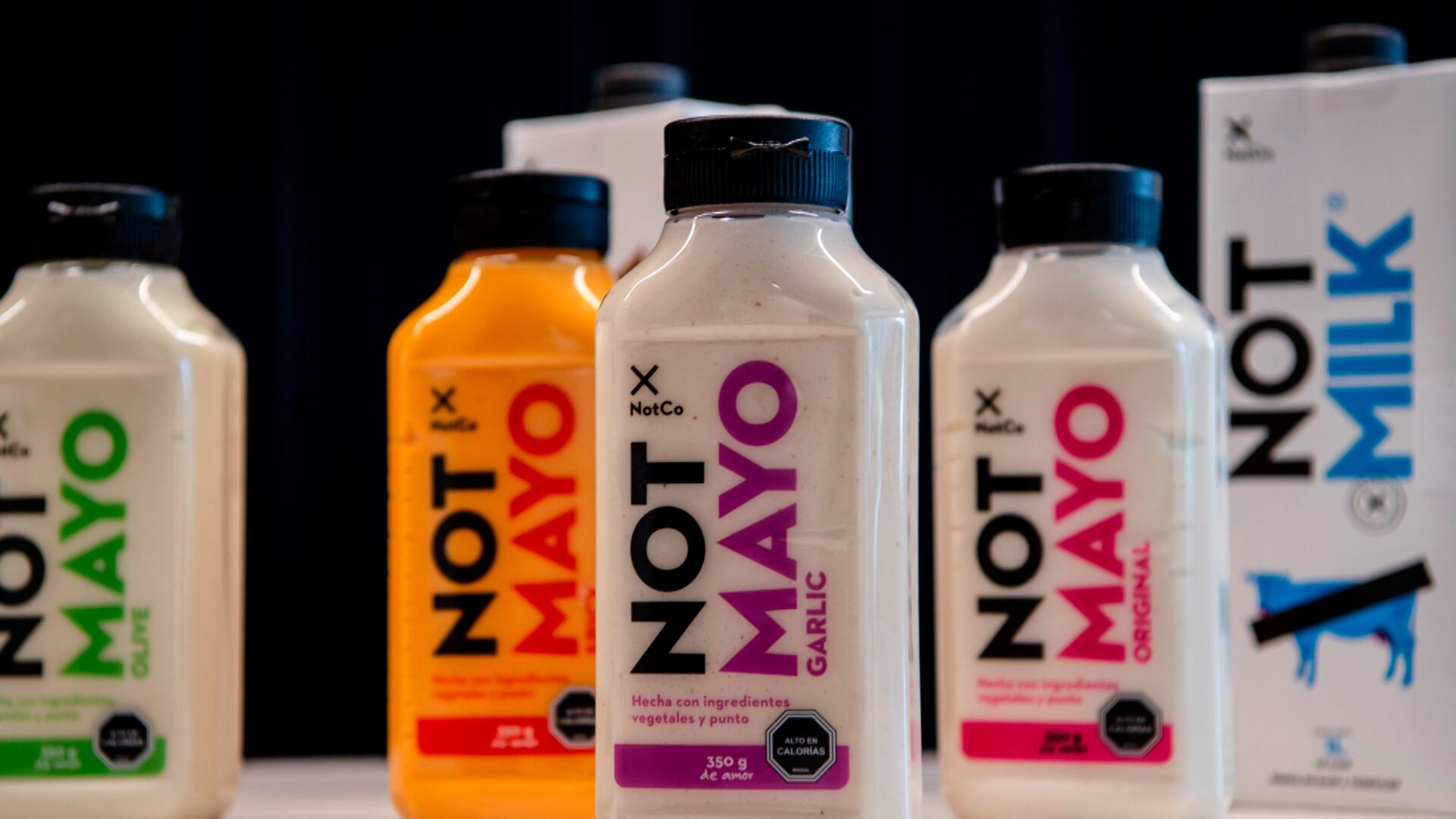
Kraft Heinz is launching a new joint venture with NotCo, a Chilean startup that creates plant-based substitutes using artificial intelligence. The goal is to reimagine global food production and bring plant-based versions of Kraft Heinz products to market at a faster speed, all while driving sustainability. Matias Muchnik, CEO and Co-Founder of NotCo, joined Cheddar's Opening Bell to discuss the partnership, NotCo's technology, and his response to the backlash against the ingredients in meatless meat.
Uber is rolling out a new feature on its app called Explore that will allow users to discover things to do in their area such as dining. The new service is now available in 14 U.S. cities.
Traci Gusher, EY Americas data and analytics leader, joins Cheddar News to discuss how companies have made strides within data and analytics throughout the pandemic and what the chief information officers of today need to focus on and dedicate resources to.