Will Spotify Inspire Other Companies to Choose a Direct Listing?
Spotify’s opening number seemed to be music to the market’s ears…at least at first.
The streaming company made its debut on the New York Stock Exchange Tuesday afternoon at more than $165 a pop, pegging its valuation at roughly $29.5 billion.
Over the course of the day, though, that price slipped to about $149, down about 12 percent from the highs of the day, but still well above the $132 a share reference price.
Spotify’s unconventional choice of a direct listing, instead of a traditional IPO, had investors and experts bracing for a roller-coaster ride on Tuesday.
“I thought we were going to see a lot of spikes up and down and up and down,” said Dan Primack, business reporter at Axios. But “it hasn’t been all over the place.”
This smoother-than-expected listing raises the question of whether more companies will follow in Spotify’s footsteps in the future.
“It’s not the right path for all,” Stacey Cunningham, COO of the New York Stock Exchange, told Cheddar before the stock started trading. “There are some unique factors for [Spotify].
“They don’t need to raise capital, so going through the IPO process isn’t something that was important to them.”
Spotify was much more interested in “providing that liquidity event for their shareholders...to have a currency...to do additional M&A deals going forward,” explained Cunningham.
So what’s in store for Spotify’s future?
Fam Mirza, one of the company’s earlier investors, told Cheddar he wouldn’t sell his shares in the listing, because he has faith in where the company is headed.
“They’re so amazing at entering new markets...They can still scale it, and then they get to those bottom line revenues.”
Mirza also doesn’t consider Apple, even as it gains ground in the space, as a real threat. After all, he pointed out, the tech giant has had plenty of opportunity to overtake it.
“Everybody has an iPhone. So as soon as Apple launched Apple Music...why hasn’t every single person who has an iPhone signed on to Apple Music?”
For the full interview, [click here](https://cheddar.com/videos/spotifys-unique-relationship-with-wall-street).
Catching you up on what you need to know on April 15, 2022, with four of the victims from the Brooklyn subway shooting still hospitalized as the suspect is held without bail, Russia resumes attacks on Kyiv, teachers across the country receive their largest pay raises in decades, and more.
The major U.S. indexes closed Tuesday off of session lows as investors digest the latest read on inflation, showing it remains hot. Wall Street is also preparing for earnings from big banks and monitoring potential policy moves from the Federal Reserve. Peter Tuchman, a stock trader at TradeMas, joins Cheddar News' Closing Bell and highlighted tech stocks in particular. 'The tech sector, which led us to record highs before the 1st of this year, are now the ones that are leading us lower,' he said.
Billionaire Elon Musk made waves after revealing he's making an attempt at a hostile takeover of the social media platform Twitter. The Tesla CEO is offering $43 billion to buy the social media platform outright with "freedom of speech" allegedly at the forefront of his agenda. Dan Ives, managing director of equity research at Wedbush Securities, is taking the tech entrepreneur seriously. "I think through many twists and turns over the coming months, he ultimately ends up owning Twitter because Twitter's board, their back is going to be against the wall," he said.
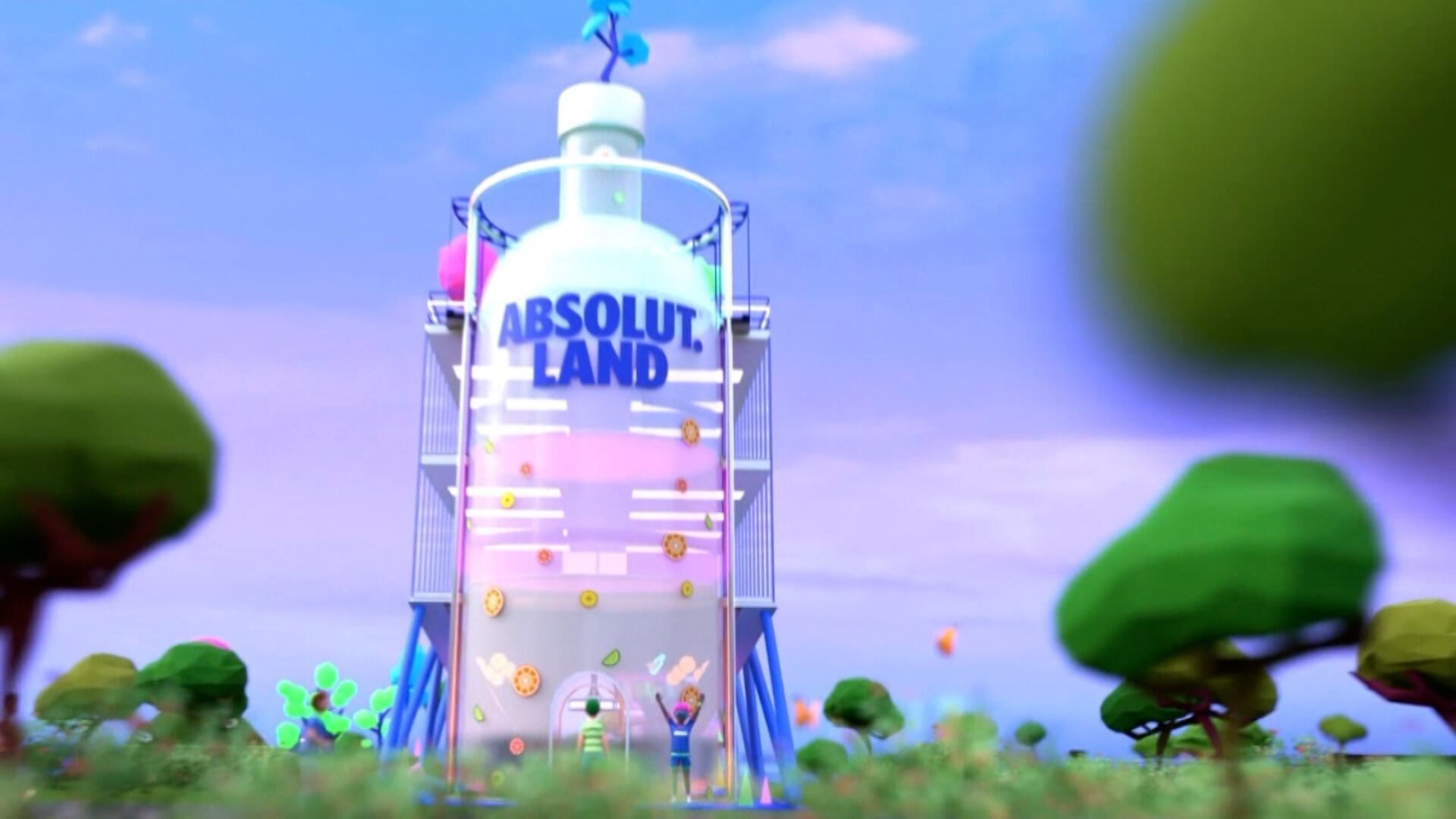
Ann Mukherjee, the chairman and CEO of Pernod Ricard North America, joined Cheddar News to talk about Absolut Vodka’s decade-long partnership with the music festival Coachella. Perno Ricard's vodka brand has built the virtual world Absolutland in the Decentraland metaverse for users to explore. "We actually have a vending machine where you can actually purchase the cocktails that will be delivered right to your home," she said. The brand will also be featuring festival headliner Swedish House Mafia.
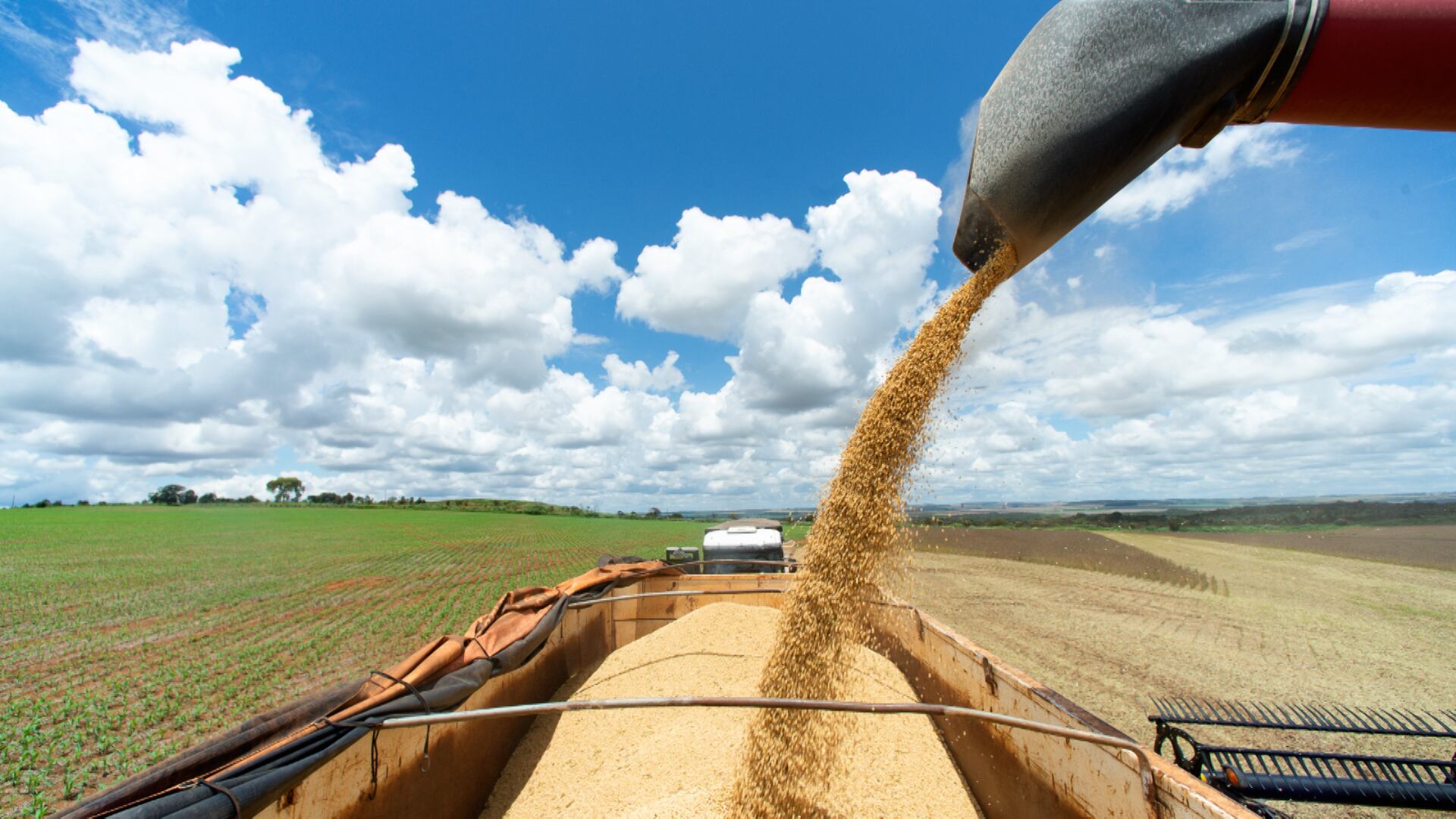
A fertilizer shortage made worse from the Russia-Ukraine war is reigniting the conversation over sustainable agriculture. With the costs of fertilizer rising, weaning off of synthetic fertilizer may be a good option for farmers trying to keep costs low, while keeping crop margins high. But, Damian Mason, farm owner, agricultural economist and author of "Food Fear," says it's not that simple. Mason joined Cheddar's Opening Bell to explain the challenges of greener practices.