Will Spotify Inspire Other Companies to Choose a Direct Listing?
Spotify’s opening number seemed to be music to the market’s ears…at least at first.
The streaming company made its debut on the New York Stock Exchange Tuesday afternoon at more than $165 a pop, pegging its valuation at roughly $29.5 billion.
Over the course of the day, though, that price slipped to about $149, down about 12 percent from the highs of the day, but still well above the $132 a share reference price.
Spotify’s unconventional choice of a direct listing, instead of a traditional IPO, had investors and experts bracing for a roller-coaster ride on Tuesday.
“I thought we were going to see a lot of spikes up and down and up and down,” said Dan Primack, business reporter at Axios. But “it hasn’t been all over the place.”
This smoother-than-expected listing raises the question of whether more companies will follow in Spotify’s footsteps in the future.
“It’s not the right path for all,” Stacey Cunningham, COO of the New York Stock Exchange, told Cheddar before the stock started trading. “There are some unique factors for [Spotify].
“They don’t need to raise capital, so going through the IPO process isn’t something that was important to them.”
Spotify was much more interested in “providing that liquidity event for their shareholders...to have a currency...to do additional M&A deals going forward,” explained Cunningham.
So what’s in store for Spotify’s future?
Fam Mirza, one of the company’s earlier investors, told Cheddar he wouldn’t sell his shares in the listing, because he has faith in where the company is headed.
“They’re so amazing at entering new markets...They can still scale it, and then they get to those bottom line revenues.”
Mirza also doesn’t consider Apple, even as it gains ground in the space, as a real threat. After all, he pointed out, the tech giant has had plenty of opportunity to overtake it.
“Everybody has an iPhone. So as soon as Apple launched Apple Music...why hasn’t every single person who has an iPhone signed on to Apple Music?”
For the full interview, [click here](https://cheddar.com/videos/spotifys-unique-relationship-with-wall-street).
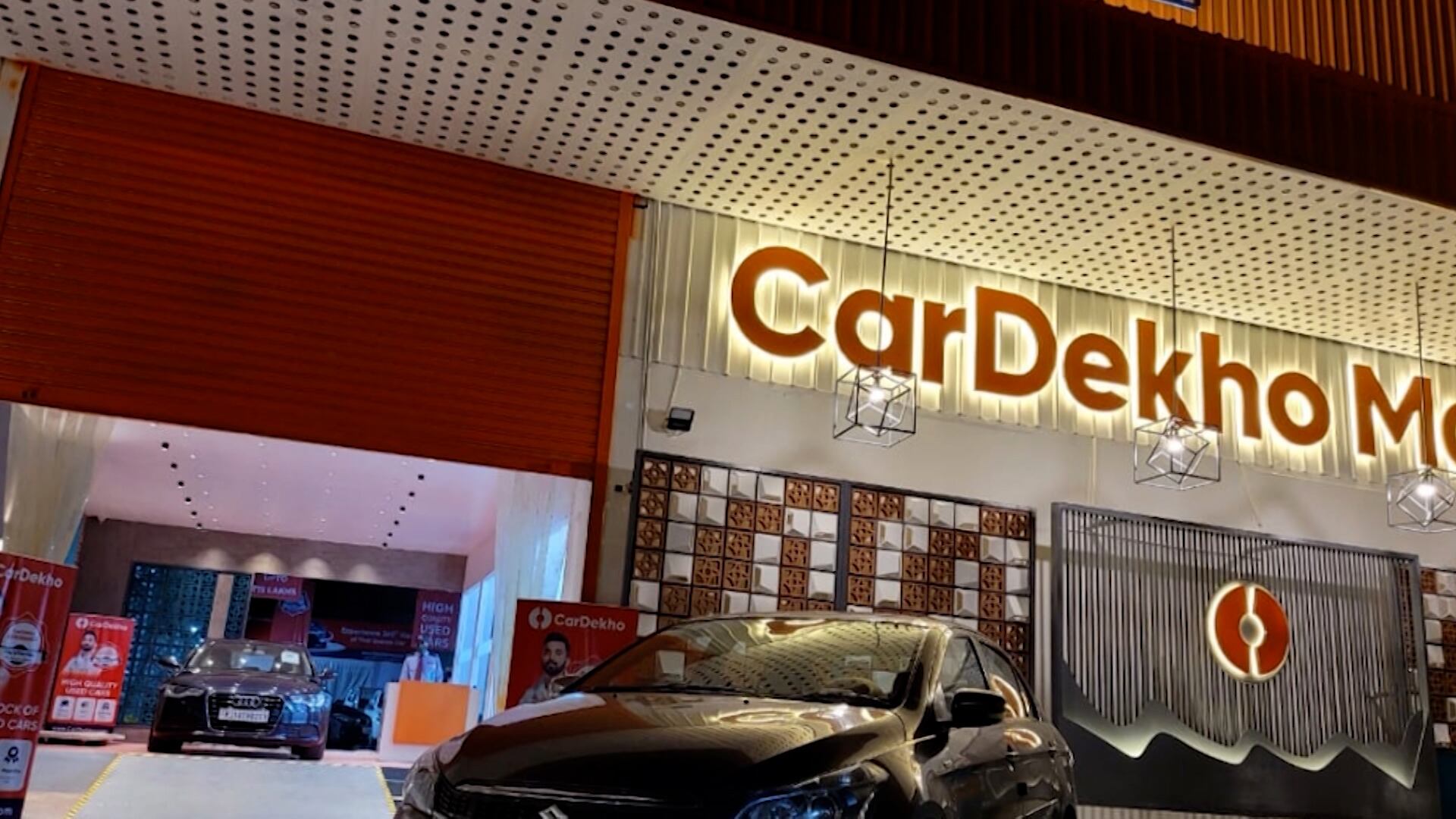
The largest car search platform in India, Cardekho, recently raised $250 million in what the company calls a pre-IPO round led by leapfrog investments. The funding bumps CarDekho above unicorn status with a $1.2 billion valuation. The company currently has a catalogue of more than 3,000 pre-owned cars for online purchases and hopes to expand with the new funding. Partner and co-head of South Asian investment for LeapFrog Stewart Langdon joins Cheddar News' Closing Bell to discuss.
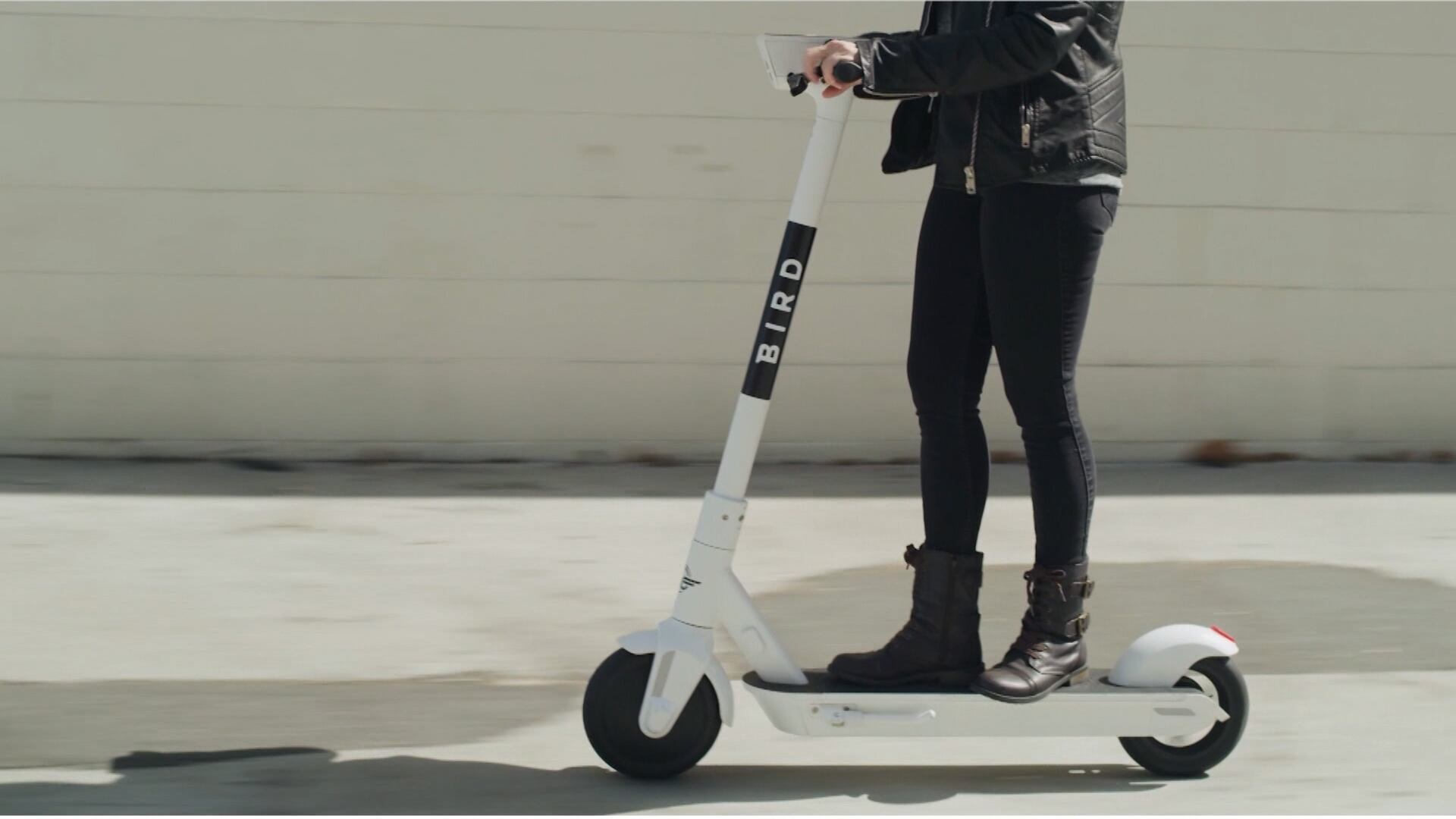
E-scooter company Bird made its public debut on the New York Stock Exchange on Thursday. CFO Yibo Ling joined Cheddar to discuss what made the company launch a SPAC IPO now. Ling noted one of the deciding factors was the need to scale the business to help take "gas-guzzling cars off the road" by growing into more locations. "A large portion of our proceeds will go to fund expansion into these new geographies," he said.
Thuc Vu, CEO and co-founder of Ohmnilabs, joins 'Cheddar Innovates' to discuss how robots are playing a role in the return to the office, and what's in store for the future of the robotics industry.
Joan E. Solsman, a senior reporter at CNET, joined Cheddar's "Opening Bell" to talk about Netflix moving to offer mobile video games for Android users as part of their subscription. She said this is likely one "baby step" for the streaming giant as it moves into the space. "You can see what Netflix wants to do eventually down the line is have these great ambitions to make their service be more than just passive TV, movies," she said. "They're moving more into merchandising, that they're moving more into in-person experiences. They're trying to broaden a way, which is a great thing to do when everyone keeps talking about metaverses."
Tuna Amobi, Director and Senior Equity Analyst at CFRA Research, joined Wake Up With Cheddar to break down the big takeaways from Roku's Q3 earnings report, as the company warns of further supply chain issues in the coming months.
Carlo and Baker discuss the fallout from Tuesday's election and the flashing warning sign for Dems ahead of the midterms. Also, a big 2A case at the Supreme Court, Aaron Rodgers has Covid and is in big trouble, and a first for the MCU.