Elon Musk’s latest mission is to deliver Americans their internet from space.
The billionaire’s company SpaceX is set to launch two experimental satellites Saturday, the first step in building a large network that could disrupt the broadband industry.
“Satellite internet today, which does exist and is accessible in rural areas, is taken from geostationary orbits, which means they’re super high up, and they stay over one spot on the Earth all the time,” said Space.com associate editor Sarah Lewin. “Whereas SpaceX’s technology would be a lot more satellites, smaller, and not in geostationary orbits. They would be moving around the Earth and giving a lot more coverage.”
Musk is testing a project called Starlink, a constellation of thousands of non-stationary satellites, which aims to improve internet access in hard-to-serve and rural areas. The project is part of an initiative that Musk announced back in 2014, in which he promised “unfettered” and “very low-cost” internet for the masses.
But SpaceX is not the only company in the game. OneWeb, Space Norway, and Telesat have also submitted applications to the FCC.
For full interview [click here](https://cheddar.com/videos/spacexs-mission-wifi).
U.S. Bank has been hit with a $36 million fine for freezing debit cards that distributed unemployment benefits during the pandemic.
Construction of new homes rose by double digits in November, according to data from the Commerce Department.
Cheddar News' Need2Know is brought to you by Securitize, which helps unlock broader access to alternative investments in private businesses, funds, and other alternative assets. The private credit boom is here and the Hamilton Lane Senior Credit Opportunities Fund has tripled in assets under management in just six months from November 2022 through April this year. Visit Securitize.io to learn more.
Stocks opened lower after the opening bell and on track for its first decline in 10 days after a recent winning streak.
Tesla drivers in the U.S. were in more accidents than drivers of any other car brand this year, according to a study.
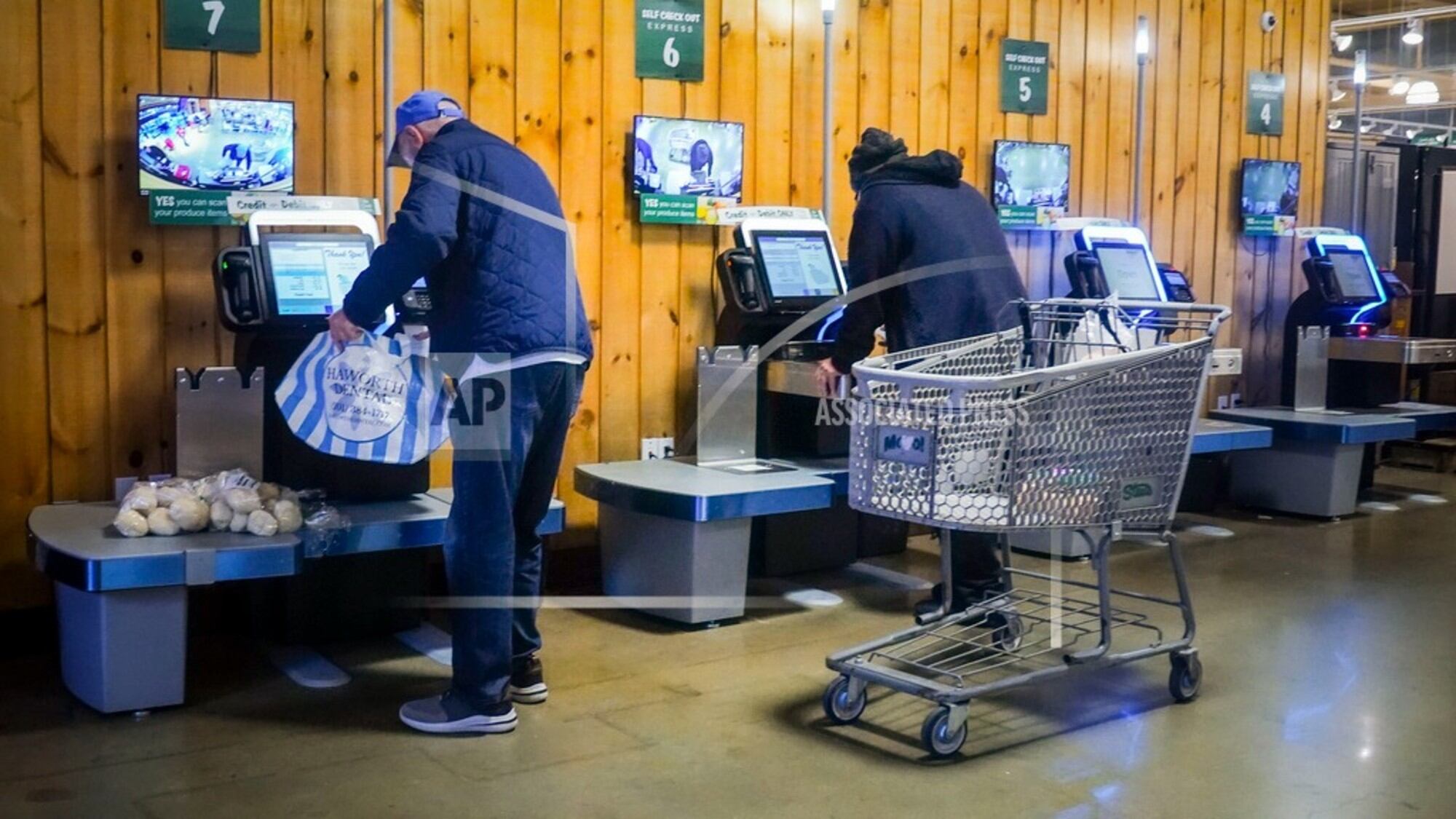
The promise of self-checkout was alluring: Customers could avoid long lines by scanning and bagging their own items, workers could be freed of doing those monotonous tasks themselves and retailers could save on labor costs.
Monsanto was ordered to pay $857 million to students and parent volunteers at a Washington school.
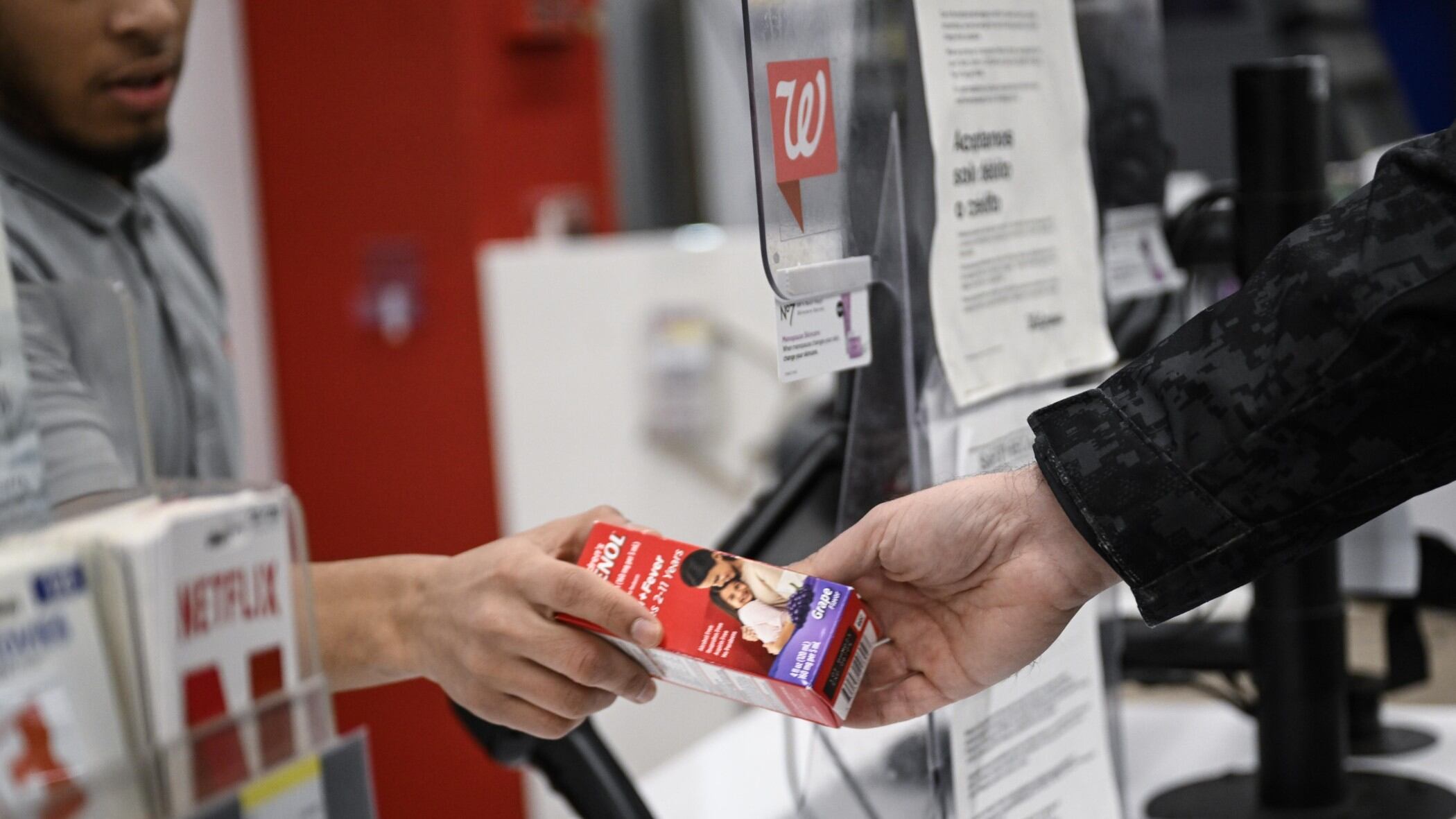
A federal judge has struck down hundreds of lawsuits filed against the makers of Tylenol and generic acetaminophen.
California regulators are preparing to vote on new rules for turning recycled wastewater into drinking water.
Hackers accessed Xfinity customers’ personal information by exploiting a vulnerability in software used by the company, the Comcast-owned telecommunications business announced this week.