Illinois state legislators are crafting legislation to help the state welcome innovation in cryptocurrency. Illinois state Rep. Michael Zalewski (D) explains the market opportunity he sees in this space.
"It has the chance to make government a little more efficient and user friendly," said Zalewski about the power of blockchain technology. "It's appealing to us because it allows us to hold information in an individualized way."
Zalewski says its important as lawmakers to foster growth in this booming industry. Chicago, Illinois is home to the first Bitcoin futures contracts CBOE and CME.
A new poll shows that nearly half of Americans want a minimalist lifestyle and 41% cited financial reasons for doing so. Joshua Becker, founder and editor of Becoming Minimalist, joined Cheddar News to discuss the financial and psychological benefits of removing the physical possessions not needed.
Airlines are expected to make nearly $10 billion in profits this year, despite a slowing economy, according to a new forecast from the International Air Transport Association.
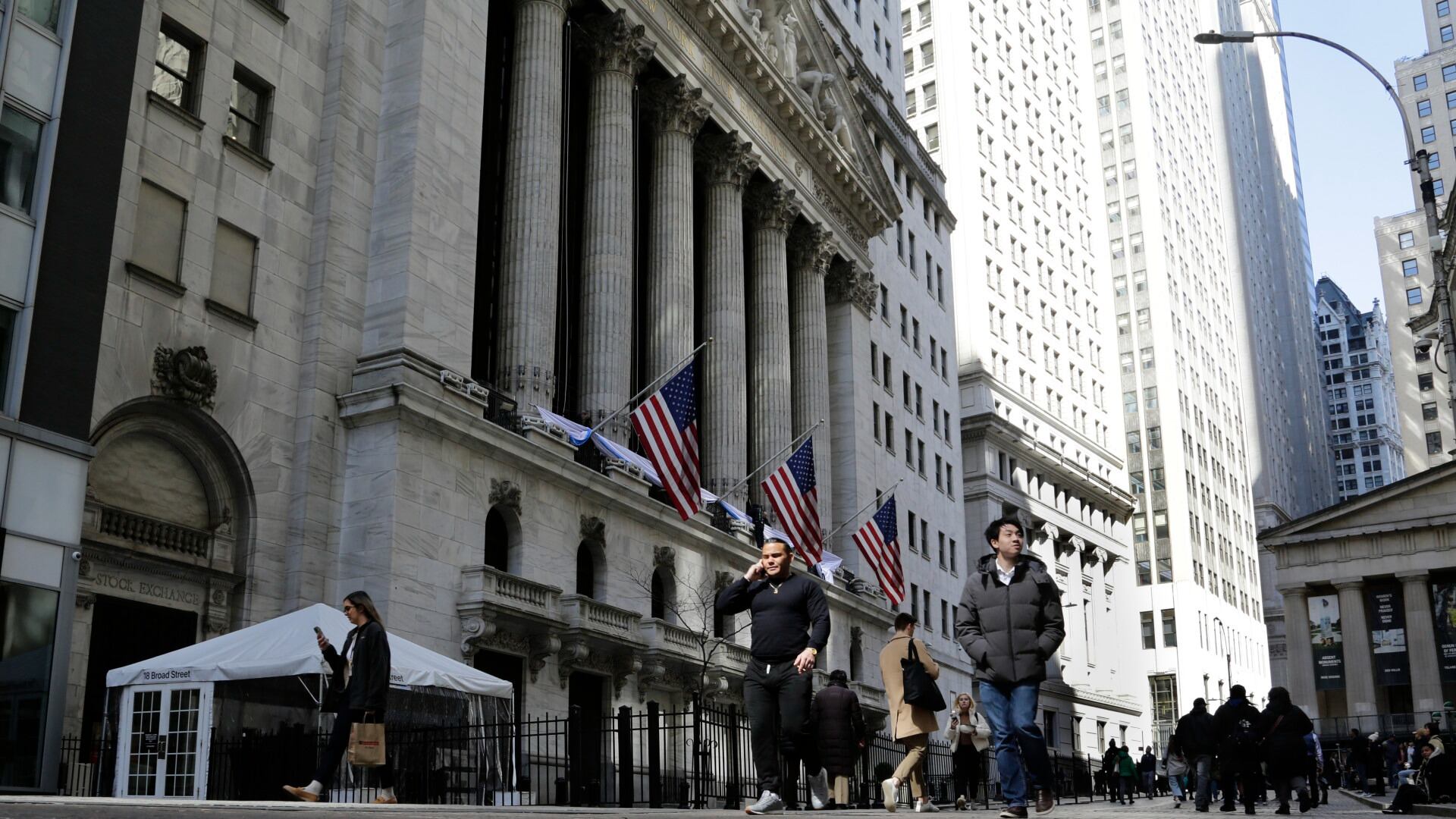
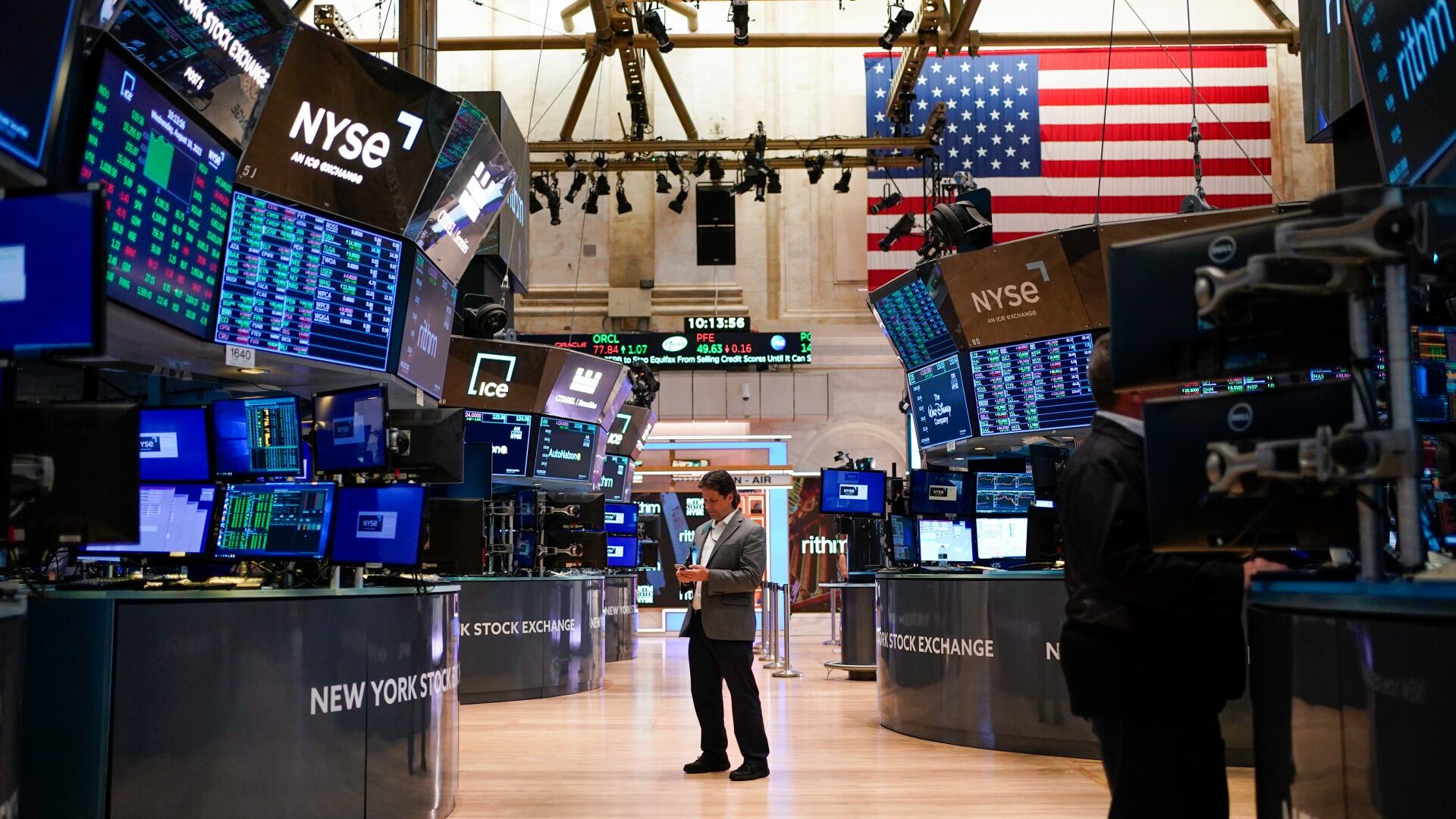
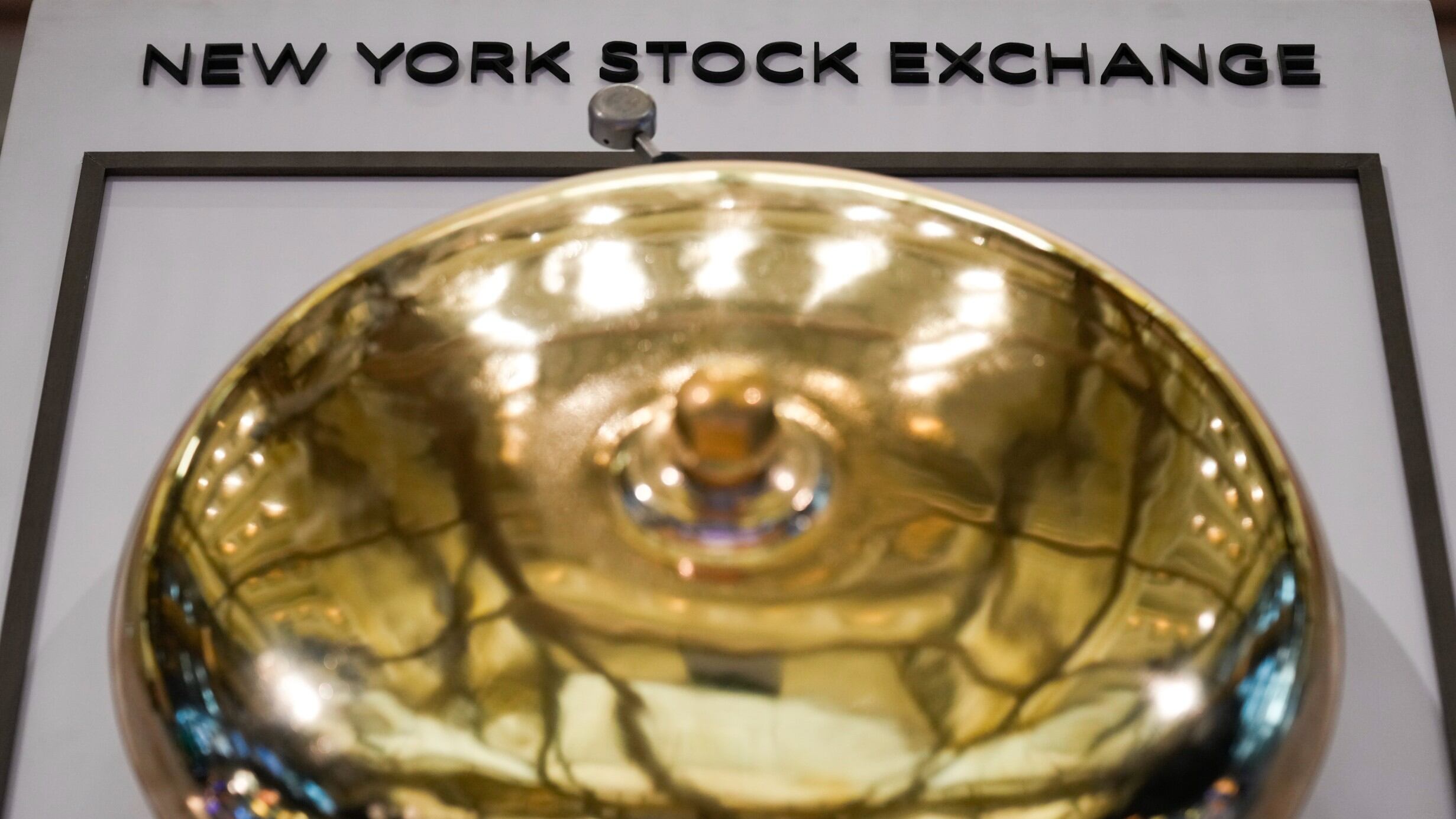
U.S. stocks are drifting Monday to begin what could be a quiet stretch following weeks of gains that rallied Wall Street to the edge of what's called a “bull market."