Wikipedia has joined the ranks of online platforms such as Facebook, Twitter, and Google to take steps to prevent disinformation on Election Day.
"When we talk about disinformation, what we mean is coordinated attempts to misinform the public, to get people to think about something that is incorrect or to get people to do something based on false information," Ryan Merkley, chief of staff at the Wikimedia Foundation, the nonprofit behind the online encyclopedia, told Cheddar. "When we talk about misinformation, what we mostly mean is when those attempts are successful and well-meaning folks who actually believe that information spread it even further."
In order to combat both mis- and disinformation, the nonprofit has assembled a special task force of technical, legal, and communication staff to provide support to the thousands of unpaid volunteers who the site relies on to write and edit entries.
"The number one defense against disinformation is volunteers showing up every day editing those articles, over 50 million articles worldwide, 300-plus languages," Merkley said. "Every day volunteers root out bad information and make sure that what's there is reliably sourced and available to everybody."
Merkley stressed that this is nothing new for Wikipedia. After two decades of building its capacity for transparency and accountability, he's confident the site can weather the 2020 election.
That doesn't mean the nonprofit isn't pulling out the stops for this highly-anticipated and contentious presidential election. One precaution, for instance, includes limiting edits of the 2020 U.S. election page to volunteer accounts older than 30 days and that have at least 500 edits to their name
Merkley explained that Wikimedia feels a special responsibility to ensure accuracy, given how much of the internet is integrated with its vast information database.
"If you ask Alexa a question, it's often answering with information pulled straight from Wikipedia, or if you do a Google search, in the sidebar where you see other information, a lot of that is pulled straight from Wikipedia," he said. "So if it's wrong on our platform, it could be wrong everywhere, and we care very deeply about getting that right."
As for the possibility of disinformation coming from the highest levels of power, Merkley said it makes no difference to Wikipedia's approach.
"Mis- and disinformation can come from anywhere," he said. "The important thing is whether or not that source is verifiable, whether the facts are reliable facts. It's less about where it comes from and more about what is the impact that is intended from that information."
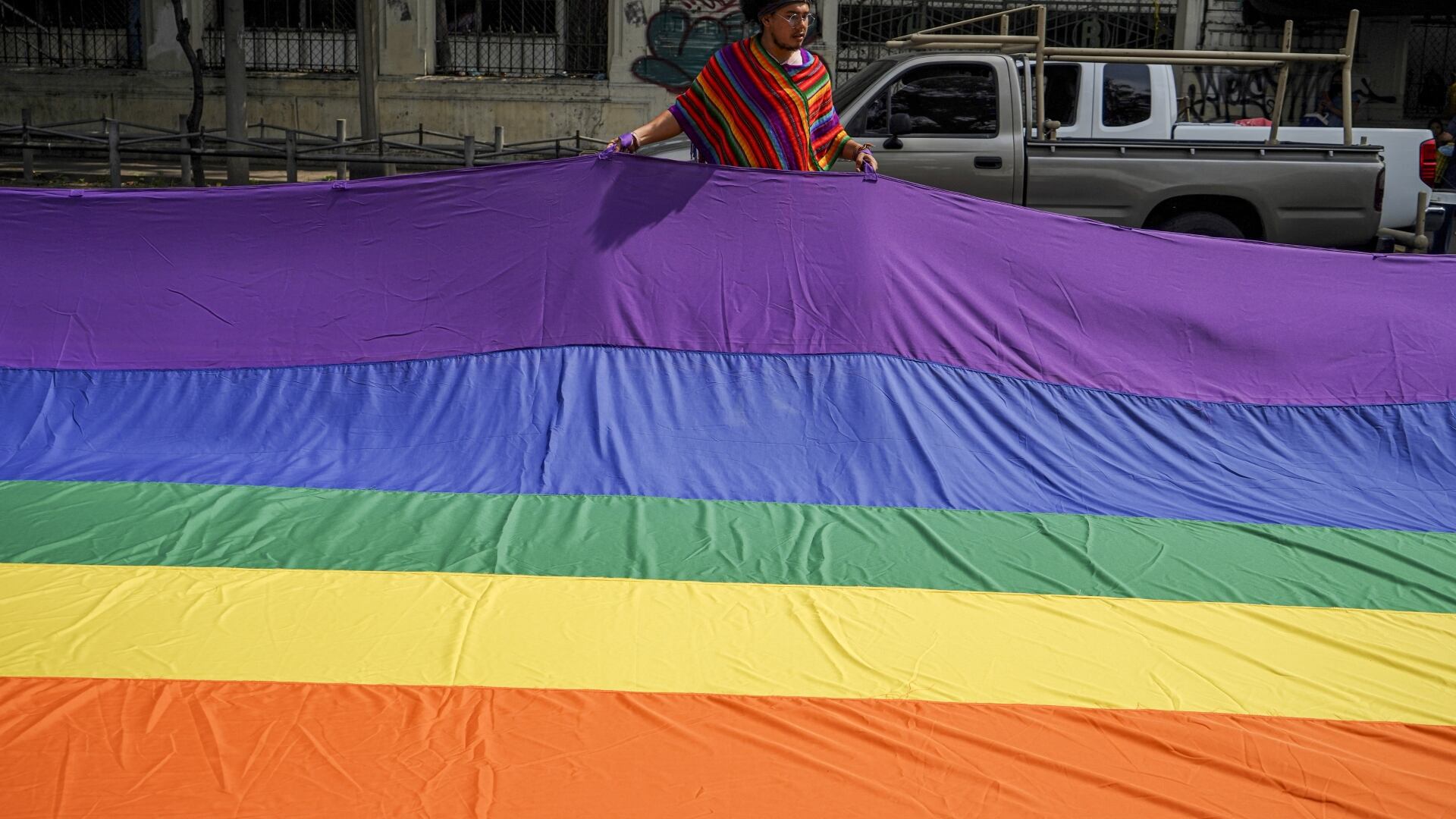
Liana Guzmán, CEO of FOLX Health, joins Cheddar News to discuss the company launching billboards across the country in response to anti-LGBTQ+ legislation.
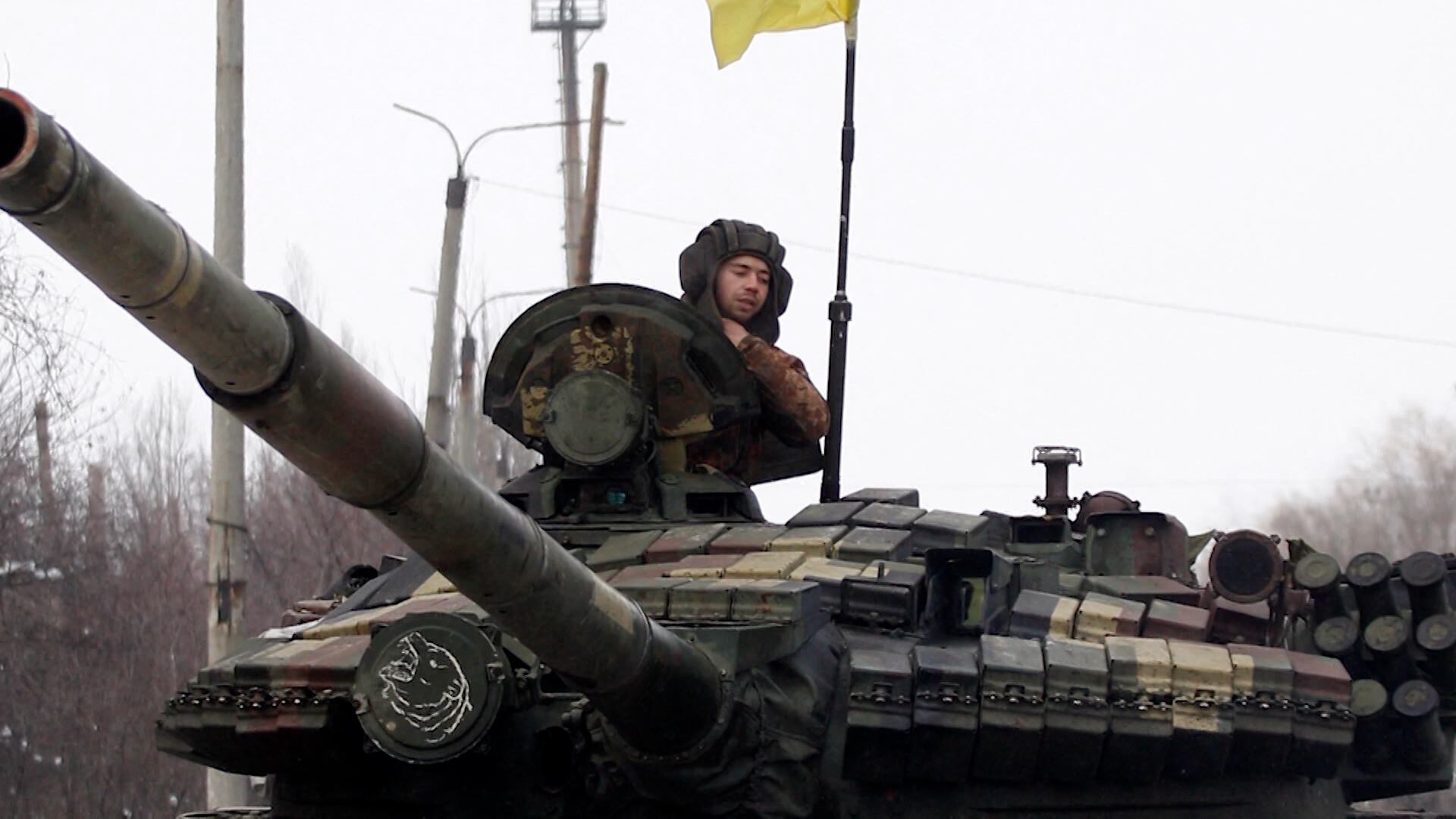
President Biden has announced an additional $800 million in military assistance to Ukraine, including artillery, armored personnel carriers, and helicopters. It comes as Russian forces appear to be preparing for a new, aggressive offensive in the eastern part of Ukraine. Paul McLeary, defense reporter for Politico, joined Cheddar to discuss this new round of aid and what it means for the U.S. commitment to arming the embattled country.
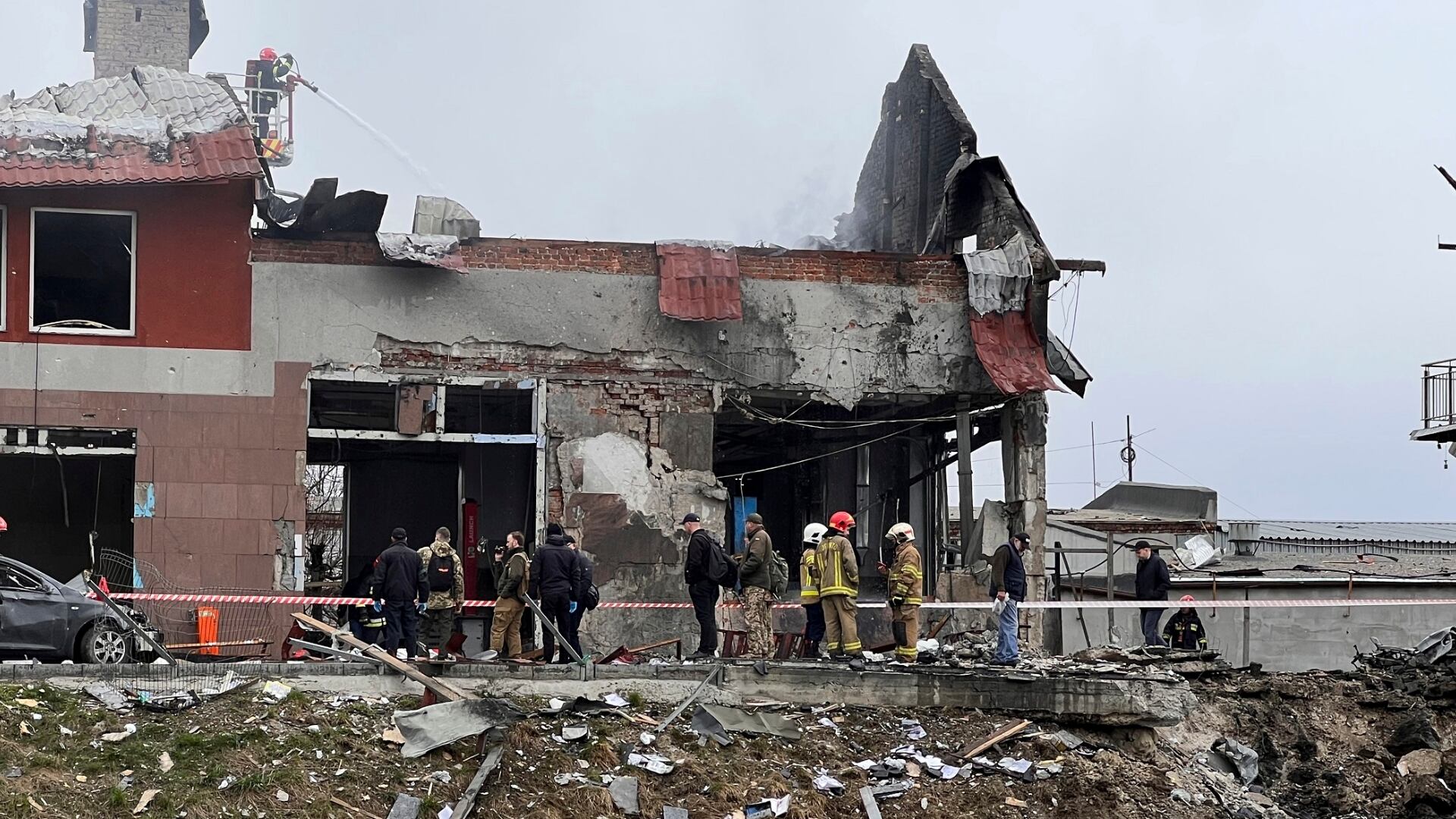
Catching you up on what you need to know on April 18, 2022, with Russian missile attacks on the Ukrainian city of Lviv killing seven, mass shootings in South Carolina and Pittsburgh, Lucky Charms cereal under official investigation by the FDA, and more.
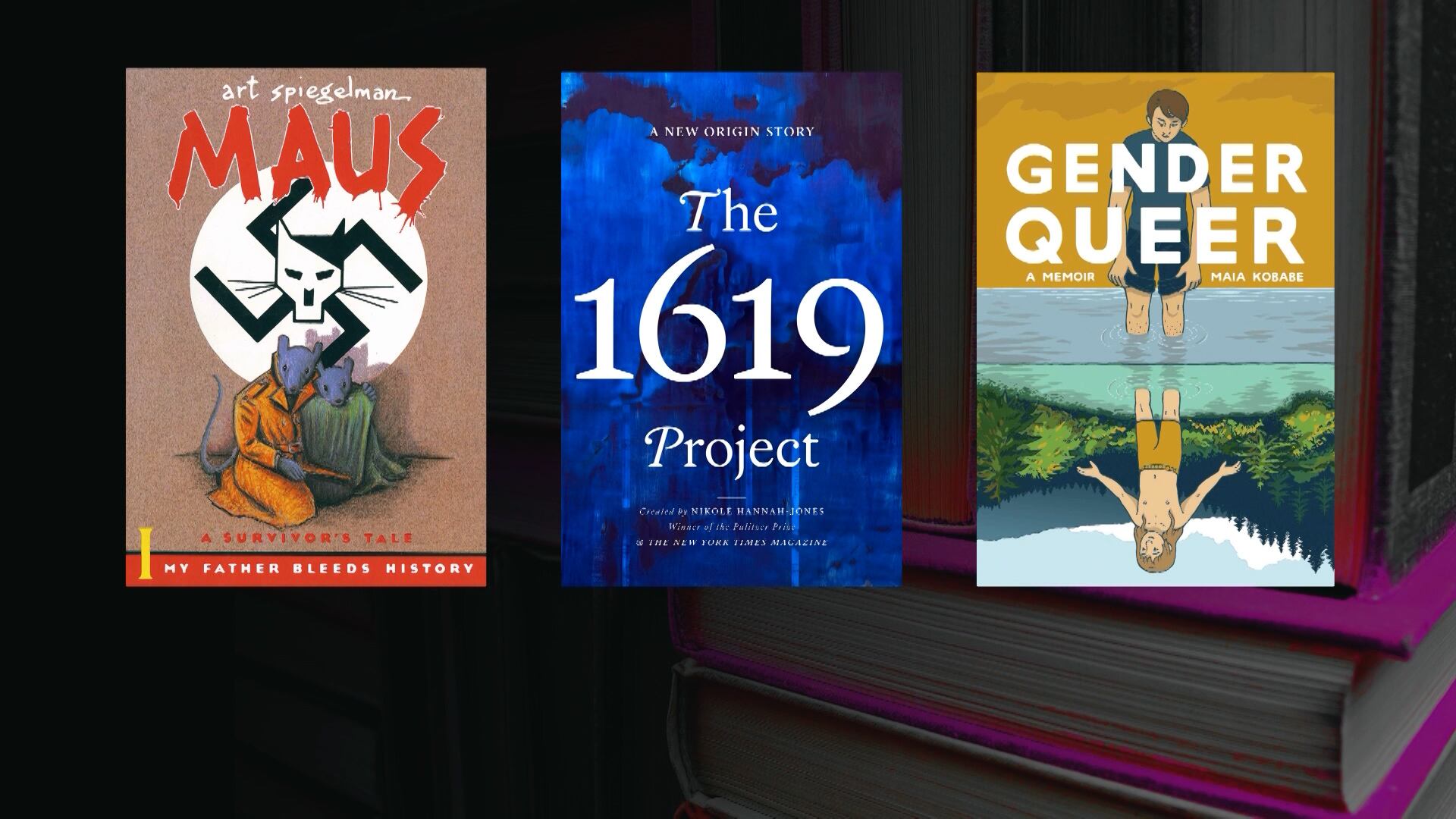
Activism is growing around the country in response to school boards banning books from shelves that focus on sexuality, gender, identity, or race. Jen Cousins, co-founder of The Florida Freedom to Read Project, joins Cheddar News to discuss.
As the Russian invasion of Ukraine intensifies, President Biden has announced a ban on importing Russian oil, gas, and energy. To discuss how this ban will impact the war and Americans, Amir Handjani, non-resident fellow at Quincy Institute, joins Cheddar News.
Thousands of protesters around the world are expressing their solidarity with Ukraine against Russia's invasion.
Jason Beardsley, national executive director of the Association of the U.S. Navy and national security expert, joins Cheddar News to discuss.
As gas prices surge amid the Russian invasion of Ukraine, other nations could potentially transition faster to using clean energy than previously expected. Philip K. Verleger, a senior fellow at the Niskanen Center, joined Cheddar News to explain how this could be a possibility in the near future. "Part of the reason I think we have this invasion and the tantrum that's being thrown by Russia, terrible tantrum, is because the Russians were trying to slow down the transition," he said. "Ironically they speeded it up."
Following the invasion of Ukraine, a multitude of Western companies have paused doing business with Russia. PepsiCo, Coca-Cola, McDonald's, and Starbucks are the most recent companies to temporarily cease operations in Russia. Dean of Miami Herbert Business School at the University of Miami, John Quelch, joined Cheddar News to discuss what message this sends to Russia and the Russian consumer. “I would not underestimate the collective strength of all of these multinational companies, essentially coming together to make their collective statement in support of the political statements that have come out of Washington," he said.
The war in Ukraine continues to reveal heartbreaking gut-wrenching stories. The war in itself is not only devastating but also expensive. Experts estimate that Russia is draining nearly $20 million dollars each day to continue occupying and invading Ukraine. All this could force the country to turn to cryptocurrencies. It's a major turn for the country that briefly considered outlined digital assets entirely, but it could also have serious implications for cryptos. Managing Director at Quantum Fintech Group, Harry Yeh, joined Cheddar to discuss more.