Some names are just the wurst.
Just four months after announcing that the hot dog-shaped Wienermobile was changing its name to the Frankmobile, the distinctive wiener on wheels is reverting to the original.
Oscar Mayer, which has several of the vehicles, announced Wednesday on Instagram that the Frankmobile is toast. The Wienermobile rides again.
The name change announced by The Kraft Heinz Company in May was meant to pay homage to the brand's 100% beef franks and their new recipe.
For fans of the original name, the change was, frankly, ridiculous.
“It’s been a franktastic summer!” the Instagram post said. “But like you, we missed this BUNderful icon. Help us welcome back the Wienermobile!”
Oscar Mayer was headquartered in the Wisconsin capital, Madison, for nearly 100 years before it moved to Chicago in 2015. The first Weinermobile was created in 1936, and it has gone through several iterations since then.
Those who drive Wienermobiles around to promotional events are known as Hotdoggers. Perhaps the most famous Hotdogger is former U.S. House Speaker Paul Ryan, who drove a Wienermobile one summer while in college.
Tou Thao, the last former Minneapolis police officer convicted in state court for his role in the killing of George Floyd, was sentenced Monday to 4 years and 9 months — even as he denied wrongdoing.
Cheddar News checked in from Staten Island to learn more about the Lenape people and how they lived before the Dutch settled in. Luke G. Boyd, director of education and public programs of Historic Richmond Town, discussed their story and showed their typical dwellings.
Elon Musk said his cage fight against Mark Zuckerberg will stream on 'X,' the app formerly known as Twitter.
Restaurant Week in New York City continues through Aug. 20 and Cheddar News checked out some of the most delicious and inspirational dishes at Dagon Restaurant, a Mediterranean-style eatery known for its exquisite cuisine and led by Chef Ari Bokovza.
Greta Gerwig's 'Barbie' movie has reached $1 billion in sales at the box office.
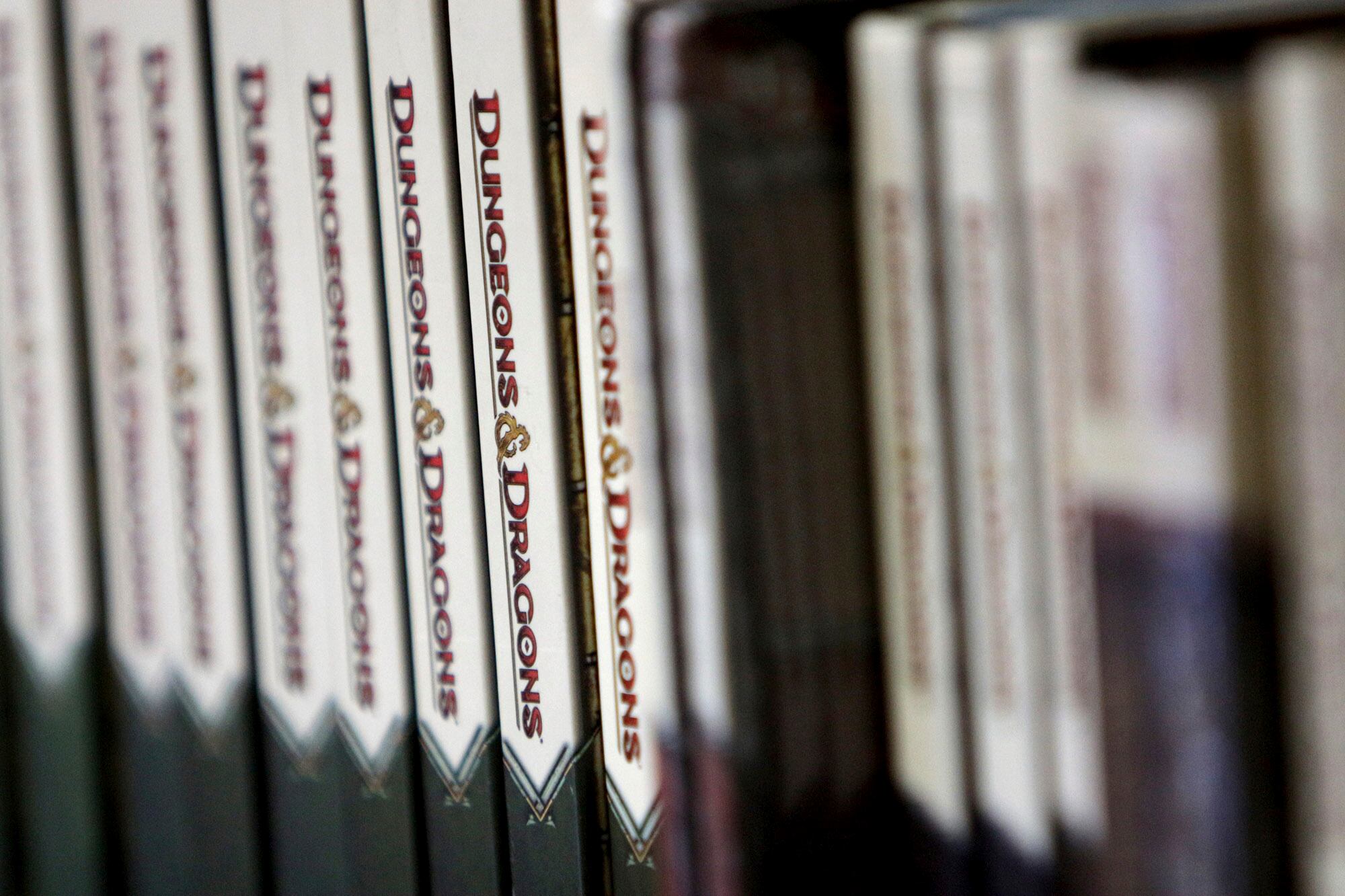
Dungeons & Dragons is updating its artists' guidelines and said illustrators will no longer work with artificial intelligence.
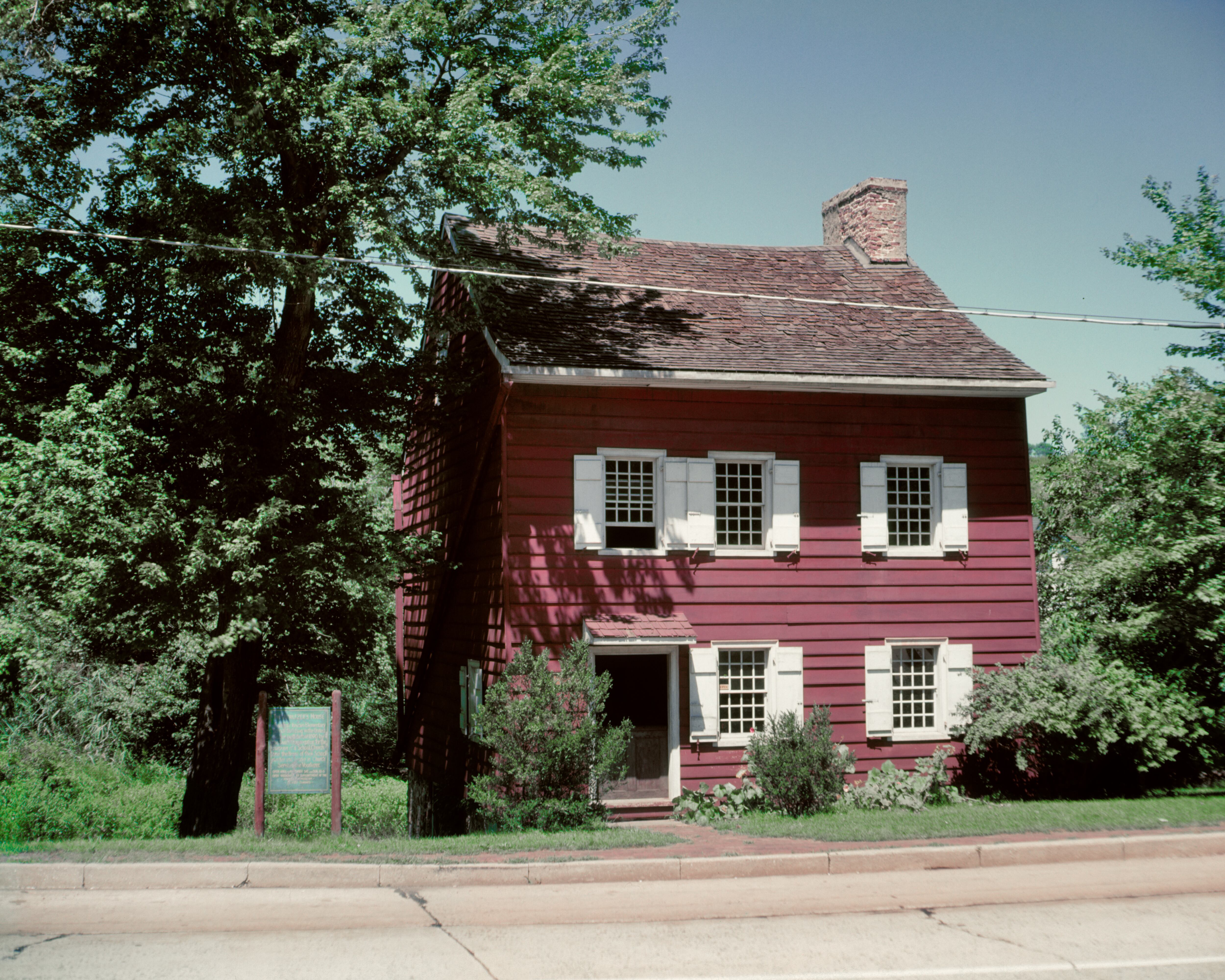
Luke G. Boyd, director of education and public programs of Historic Richmond Town, spoke with Cheddar News about Voorlezer's House in Staten Island, NY, the site of one of the oldest schoolhouses in the country. The historic building, which was built around the 1700s, and Boyd explained the history behind the schoolhouse.
After no big winner Friday night, the Mega Millions jackpot climbed to an estimated $1.55 billion.
Because no one matched all six numbers and won the estimated $1.35 billion jackpot, the top prize increased to $1.55 billion for the next drawing Tuesday night.
In just three weeks in theaters, “Barbie” is set to sail past $1 billion in global ticket sales, breaking a record for female directors that was previously held by Patty Jenkins, who helmed “Wonder Woman.”