The birds and the bees talk may need an upgrade soon. Scientists are working on ways to use blood and skin cells to replace sperm and eggs. So, will sex go by the wayside?
Karen Weintraub writes about the science behind these headlines in Scientific American. She says we are still years away from human babies being created with eggs and sperm. So far scientists have only created eggs out of skin cells from mice.
The idea of creating babies without parents will likely raise a number of ethical and cultural questions. Weintraub says the scientific studies are still in such early stages that they haven't begun to receive cultural scrutiny.
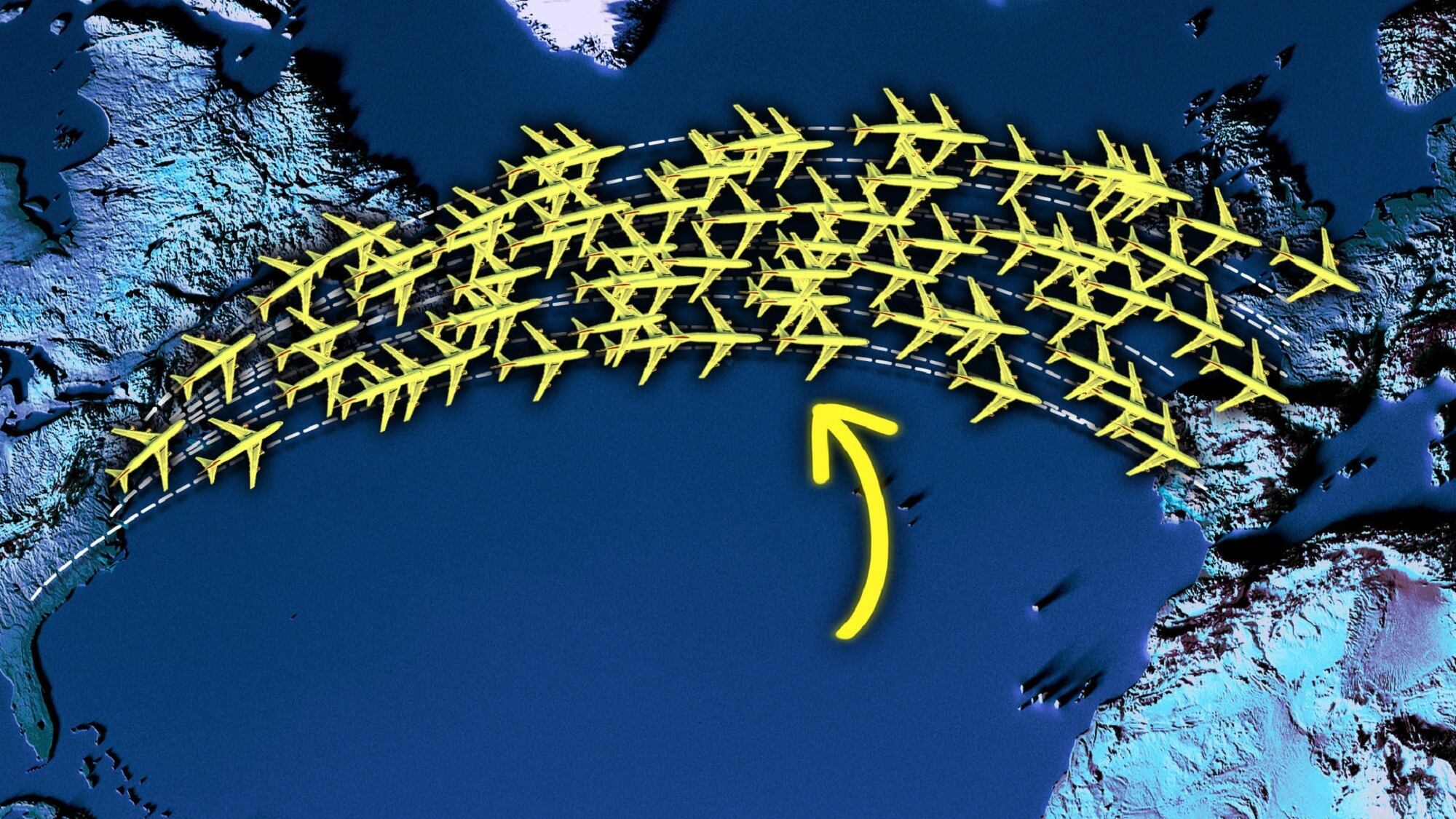
Cheddar explains the meteorological phenomenon called the jet stream.
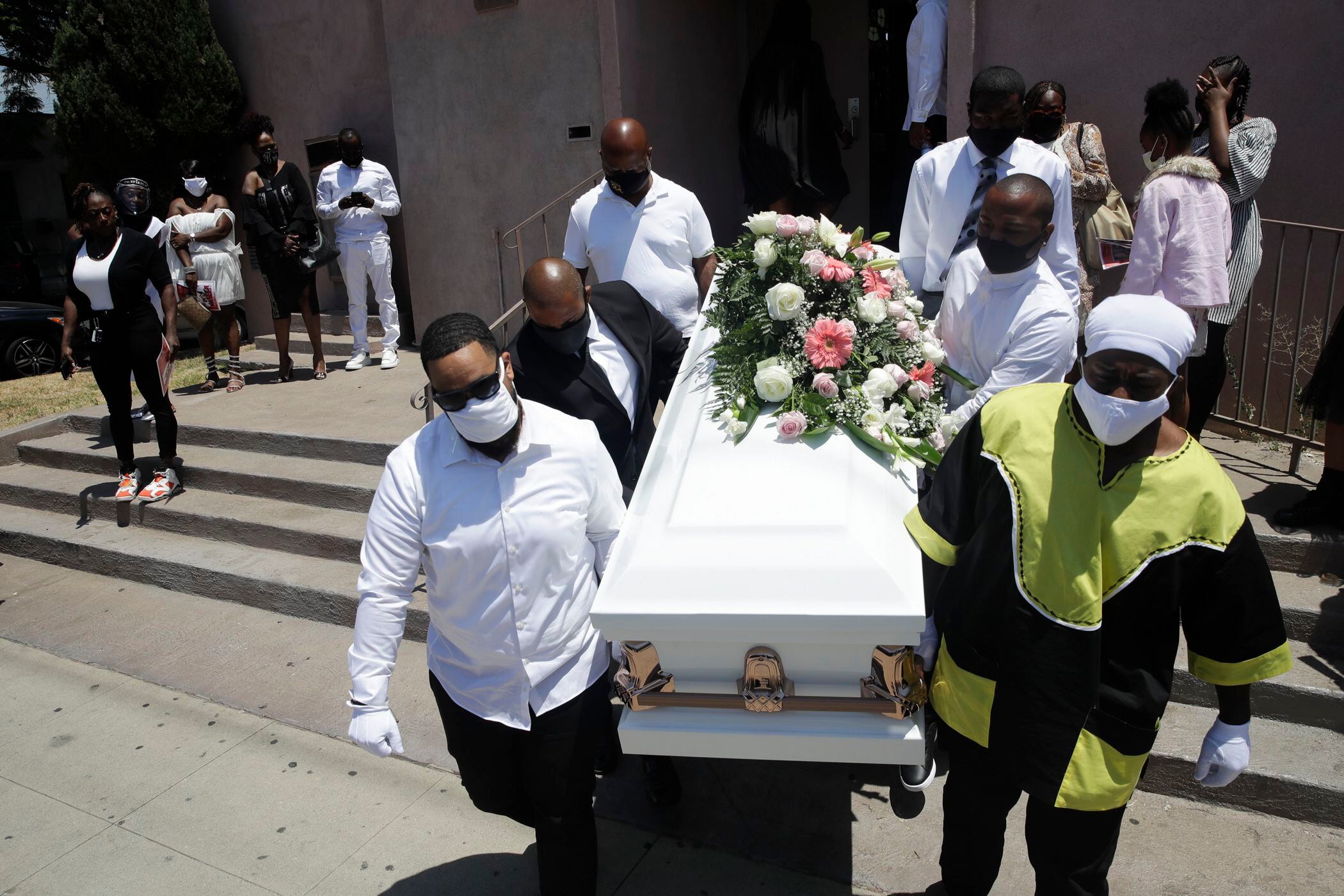
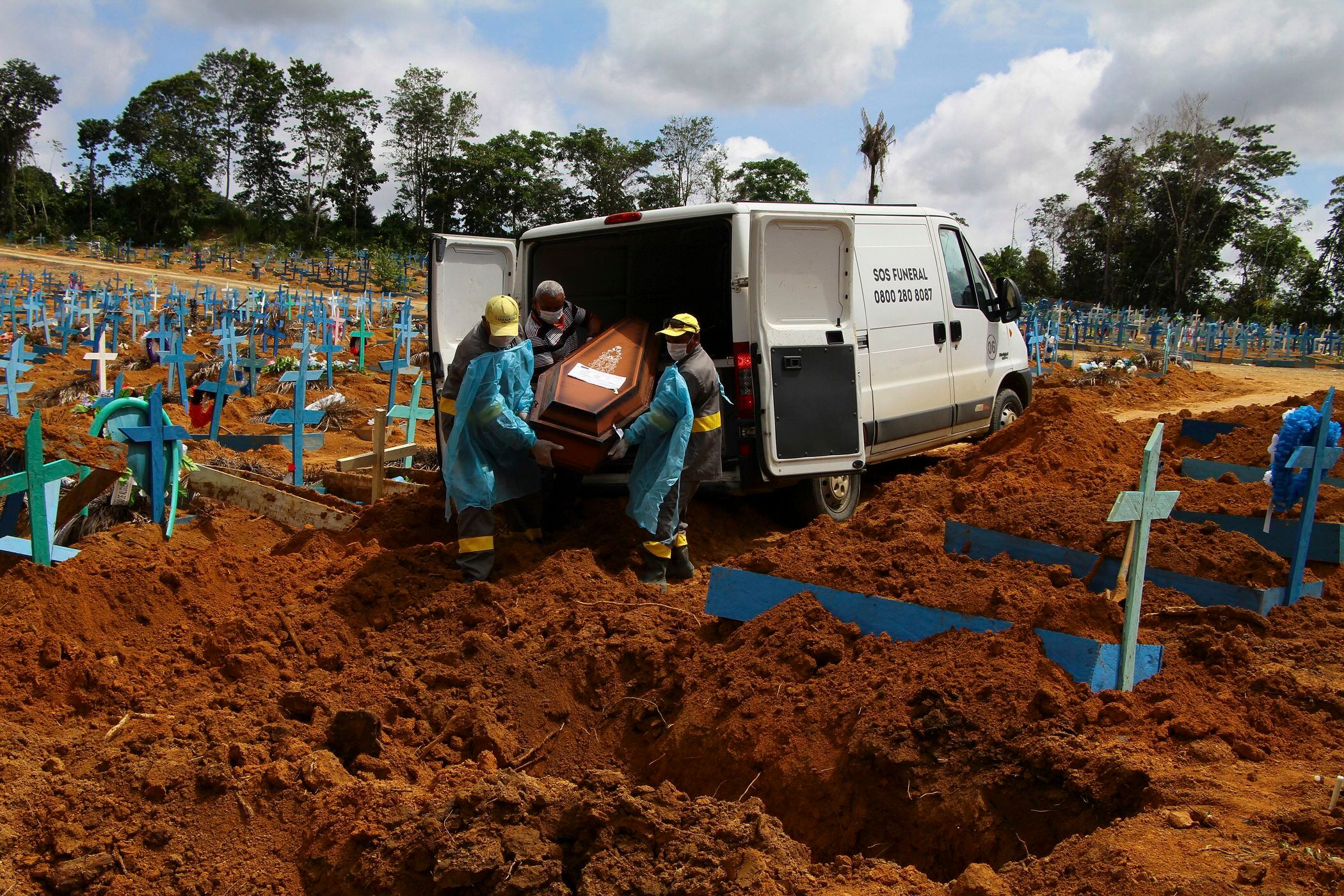
The U.S. death toll from the coronavirus has eclipsed 400,000 in the waning hours in office for President Donald Trump, whose handling of the crisis has been judged by public health experts to be a singular failure.
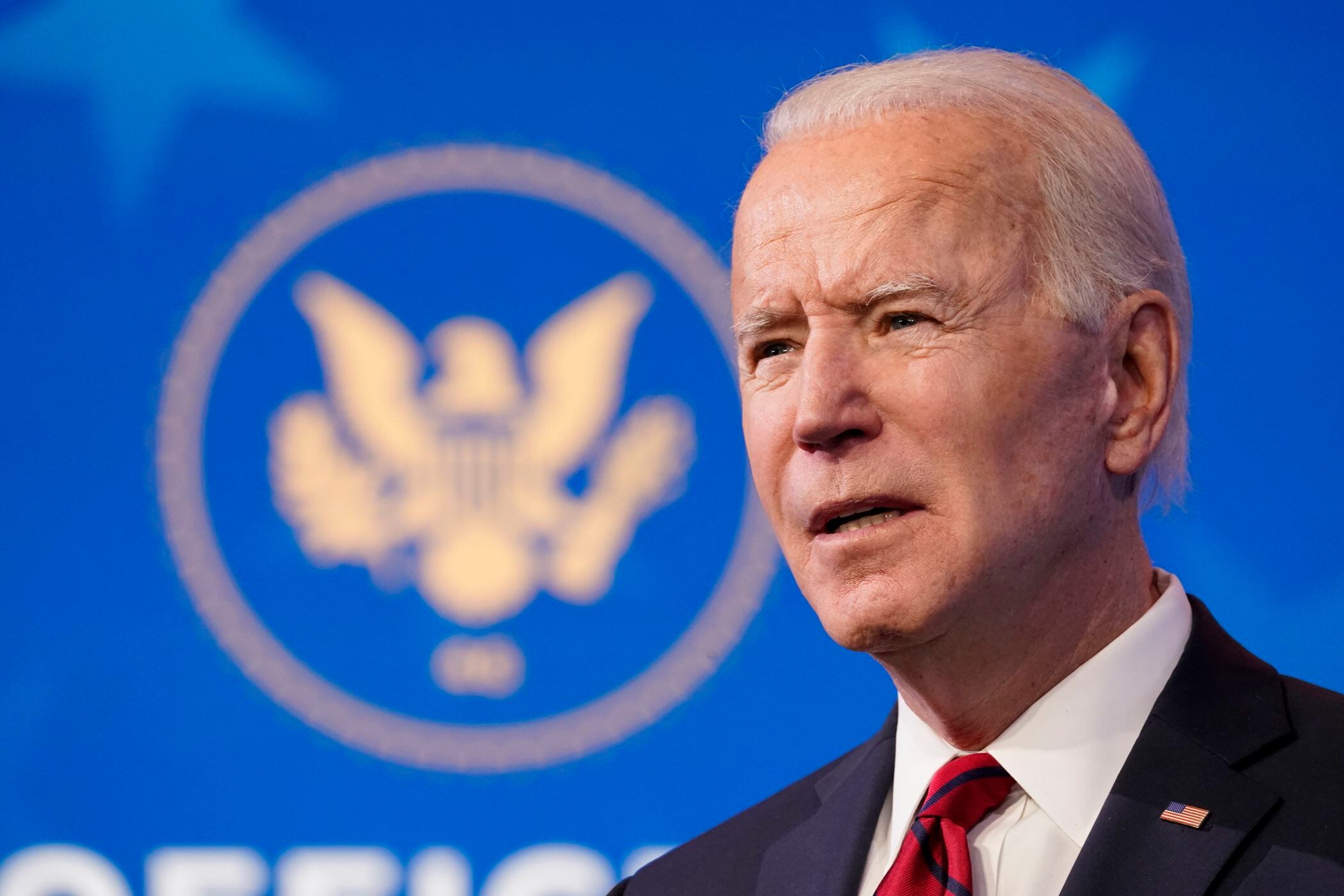
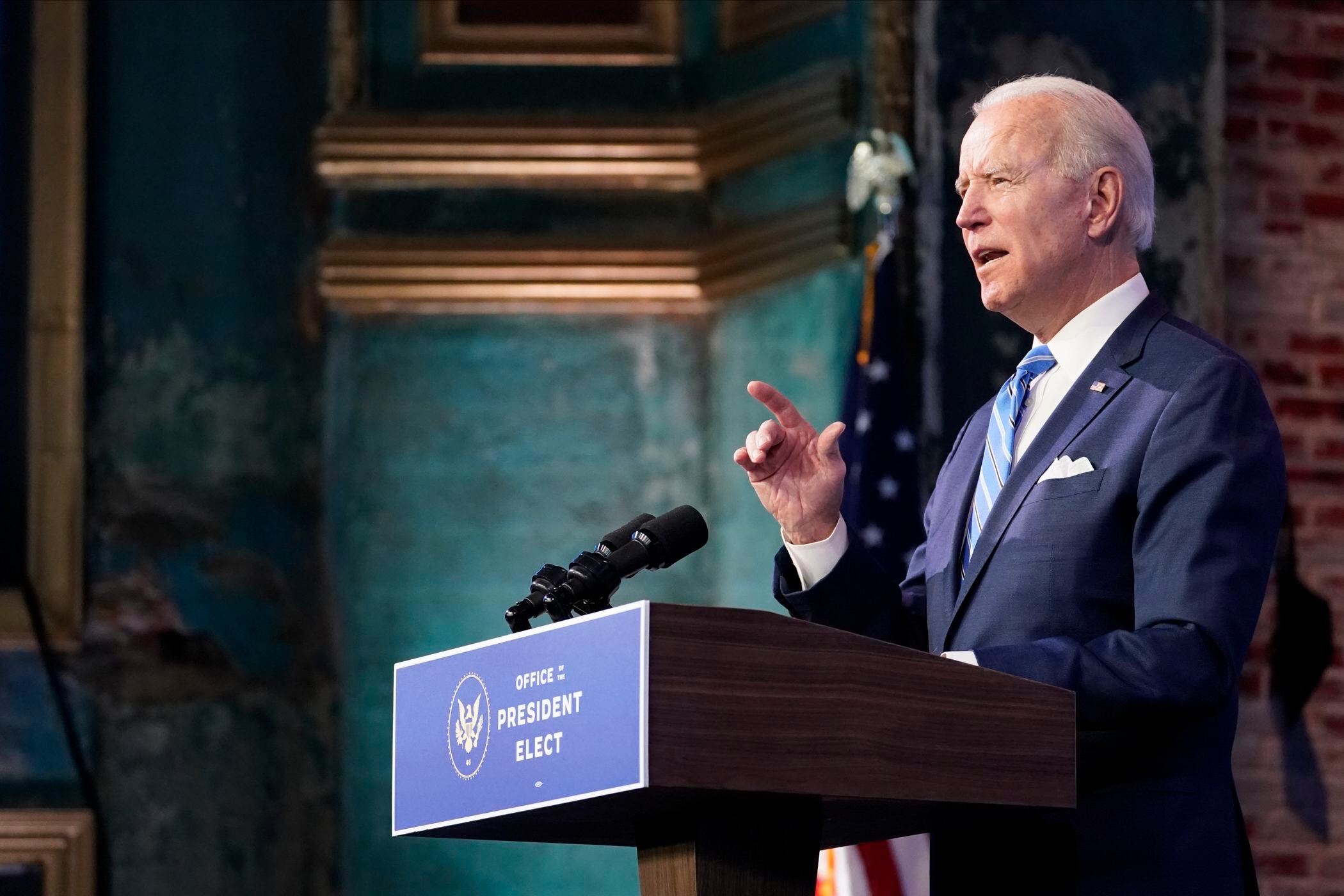
President-elect Joe Biden has tapped Pennsylvania Health Secretary Rachel Levine to be his assistant secretary of health, leaving her poised to become the first openly transgender federal official to be confirmed by the Senate.
The History Hit TV catalogue features an impressive library of history documentaries, interviews, podcasts and more.
From Wall Street to Silicon Valley, these are the top stories that moved markets and had investors, business leaders, and entrepreneurs talking this week on Cheddar.
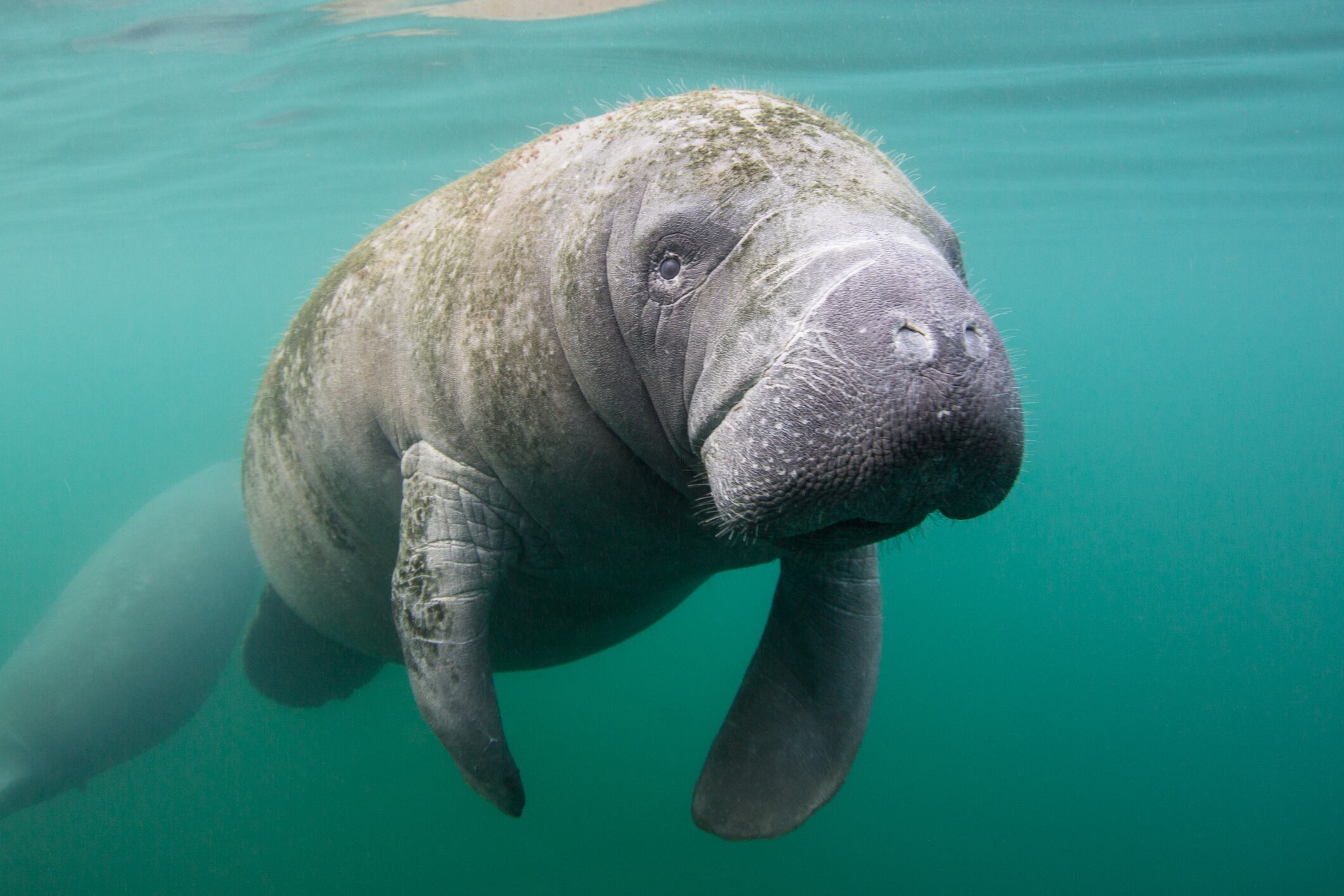
State and federal wildlife officials are investigating reports of a manatee found with “Trump” drawn on its back in a Florida river.
The global death toll from COVID-19 has topped 2 million. It crossed the threshold on Friday, according to a tally kept by Johns Hopkins University.
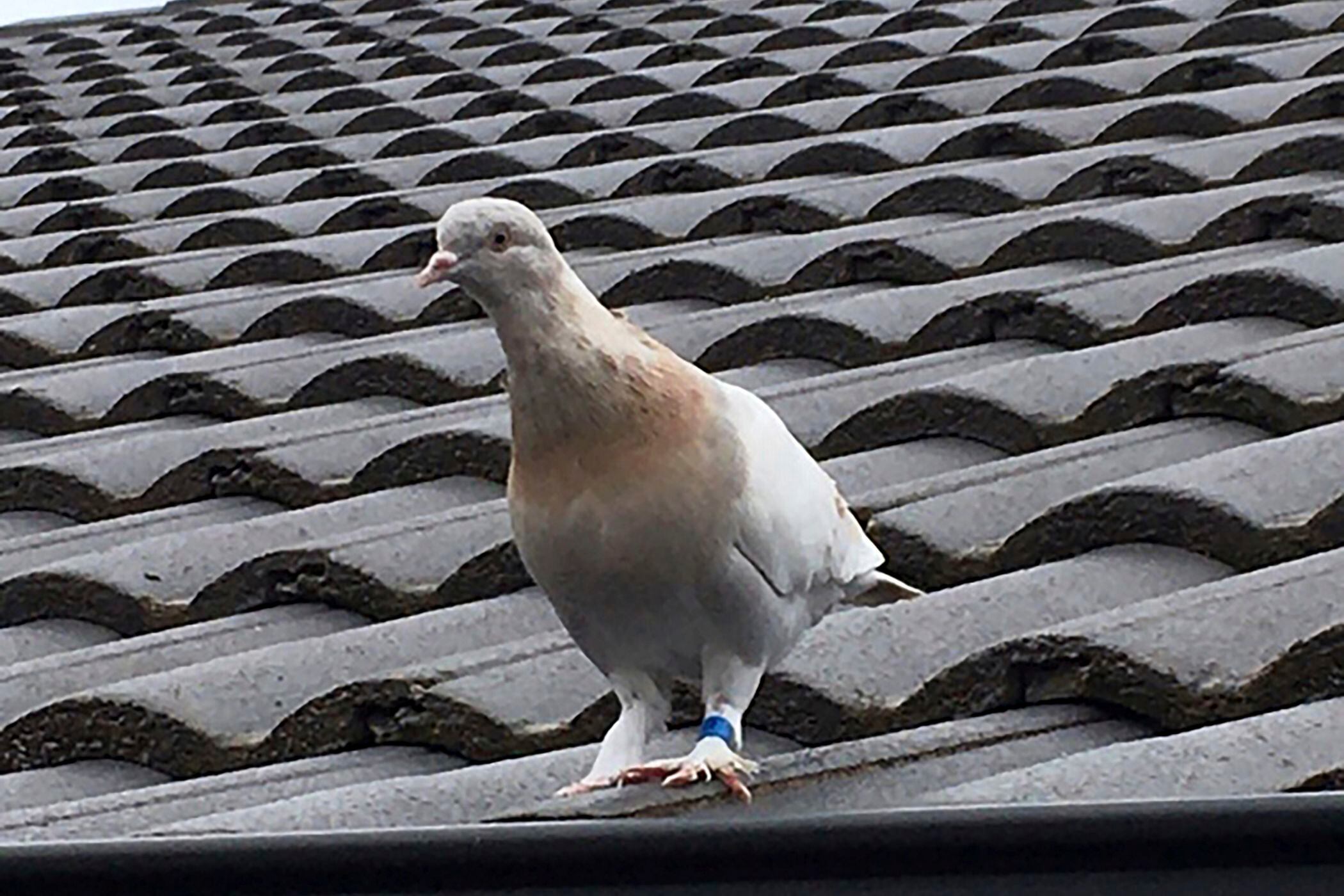
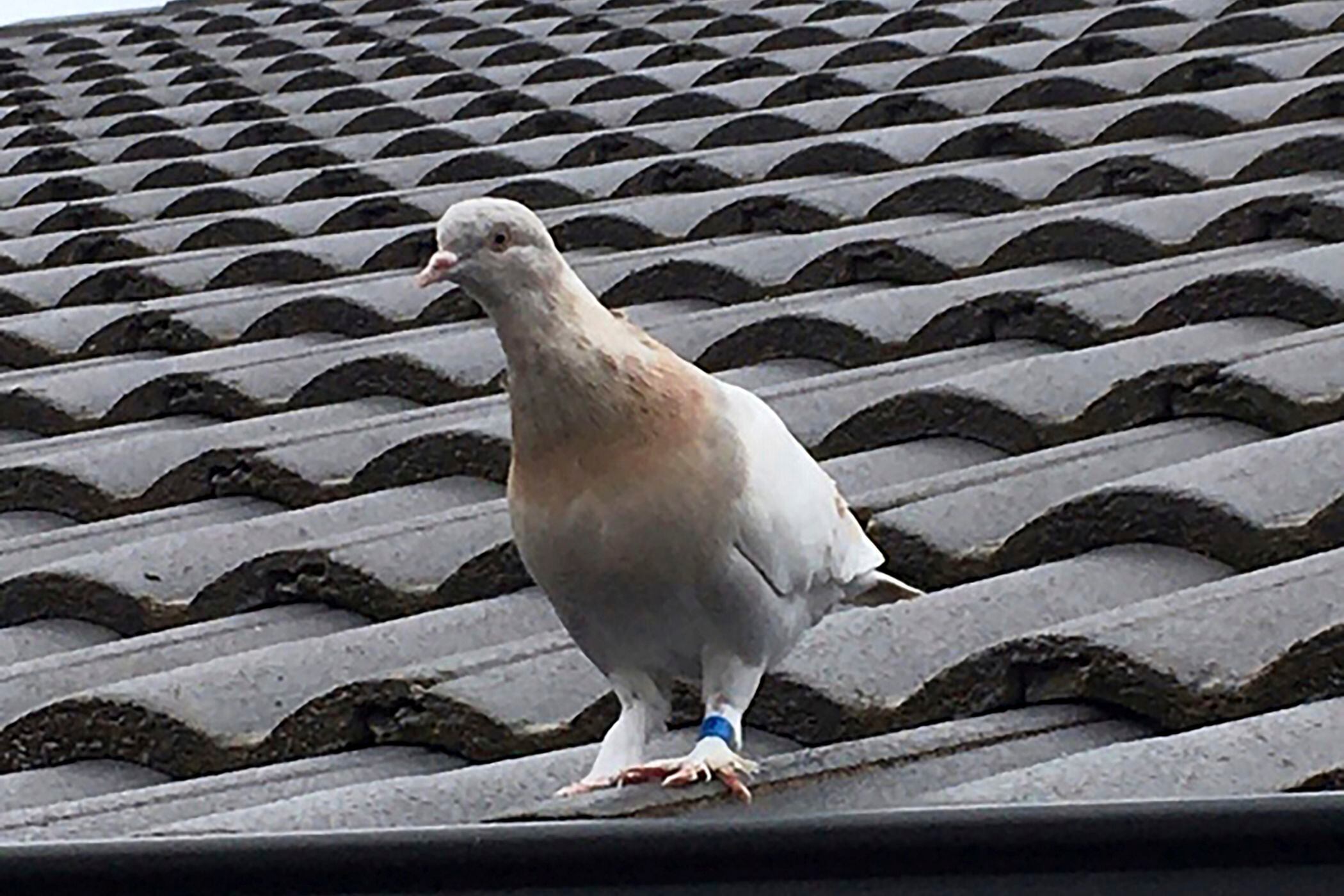
A pigeon that Australia declared a biosecurity risk has received a reprieve after a U.S. bird organization declared its identifying leg band is fake.
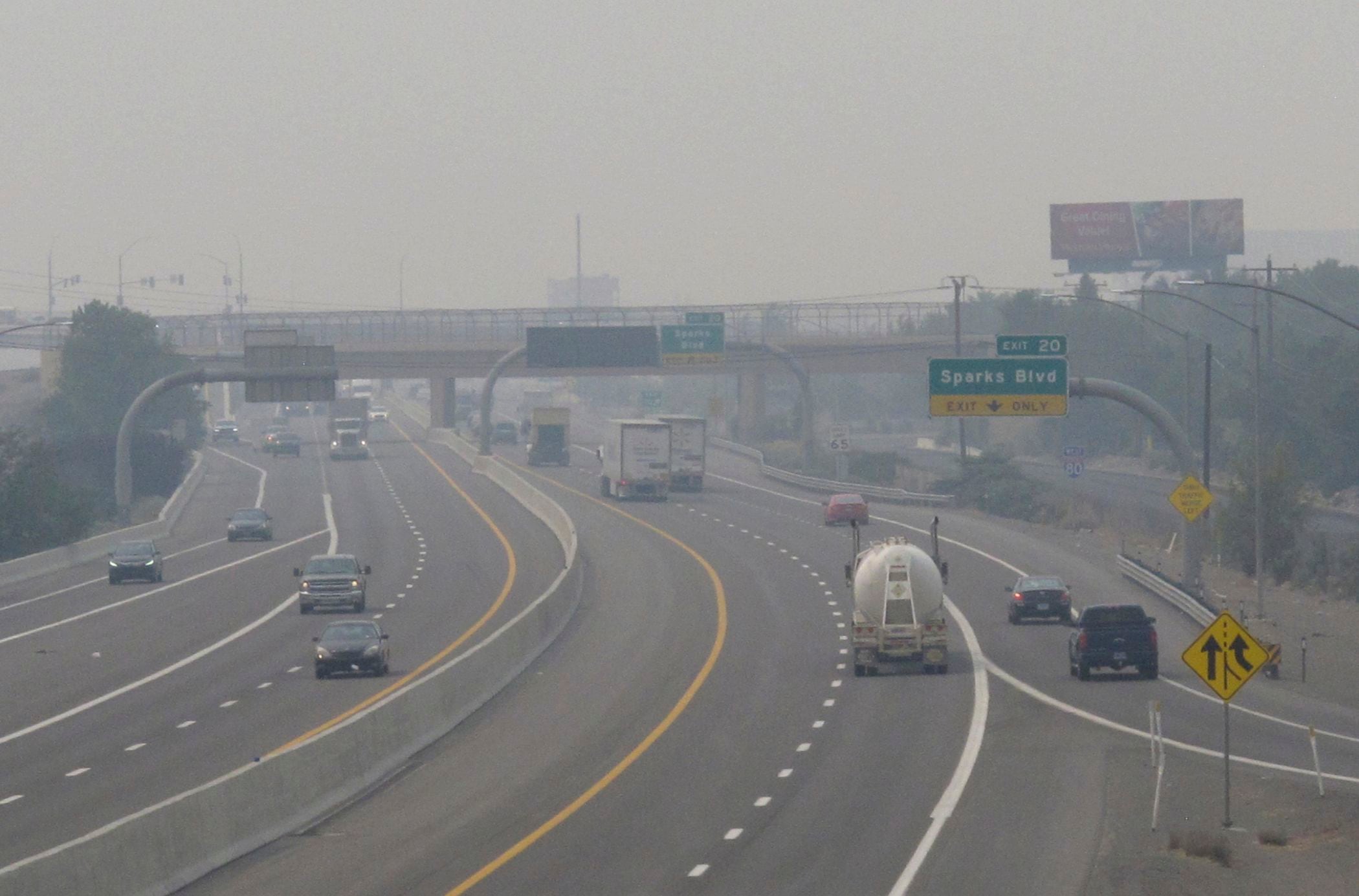
Several weather groups Thursday calculated that 2020 globally was extremely hot, but just how hot depended on who was measuring and how they were doing it.
A racing pigeon has survived an extraordinary 8,000-mile Pacific Ocean crossing from the United States to find a new home in Australia. Now authorities consider the bird a quarantine risk and plan to kill it.