The birds and the bees talk may need an upgrade soon. Scientists are working on ways to use blood and skin cells to replace sperm and eggs. So, will sex go by the wayside?
Karen Weintraub writes about the science behind these headlines in Scientific American. She says we are still years away from human babies being created with eggs and sperm. So far scientists have only created eggs out of skin cells from mice.
The idea of creating babies without parents will likely raise a number of ethical and cultural questions. Weintraub says the scientific studies are still in such early stages that they haven't begun to receive cultural scrutiny.
Australia’s Great Barrier Reef is spawning in an explosion of color as the World Heritage-listed natural wonder recovers from life-threatening coral bleaching episodes.
Climate change that may have contributed to a lobster boom in Maine could soon lead to a bust. Chloe Aiello reports.
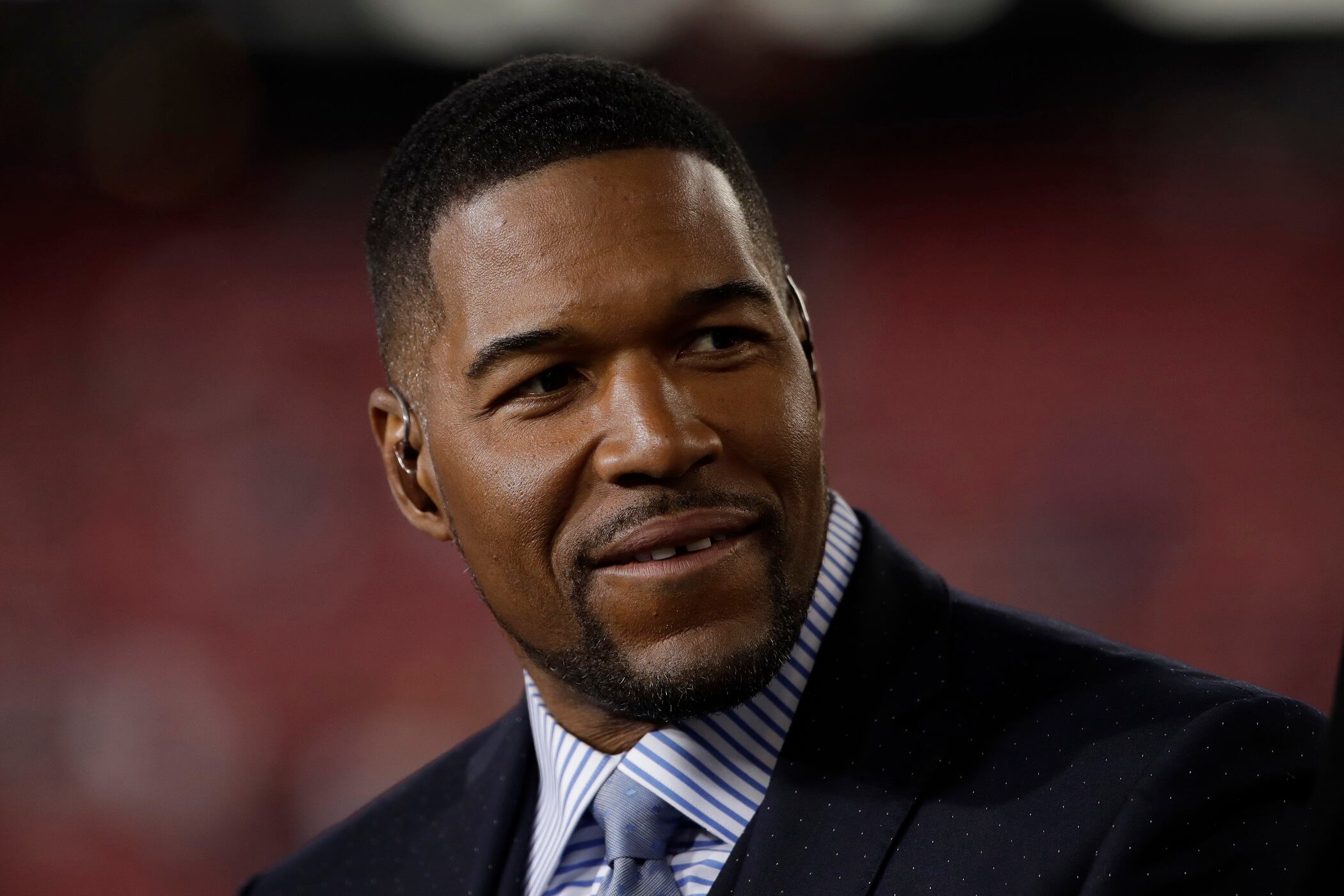
Good Morning America co-host Michael Strahan will be among the crew on Blue Origin’s next flight to space.
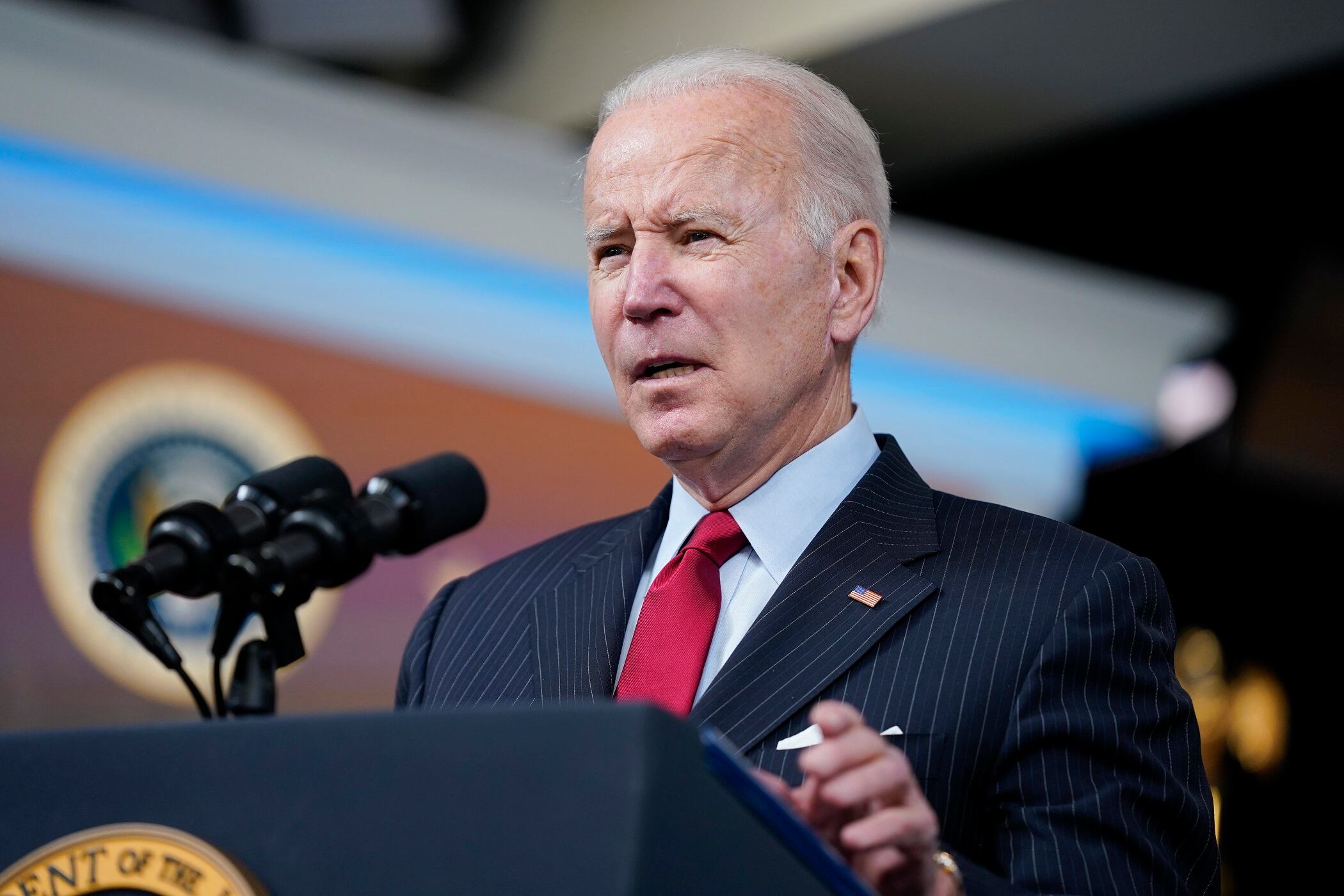
President Joe Biden is ordering a record-setting 50 million barrels of oil released from America's strategic reserve to help bring down energy costs.
All the news you Need2Know for Tuesday, November 23, 2021.
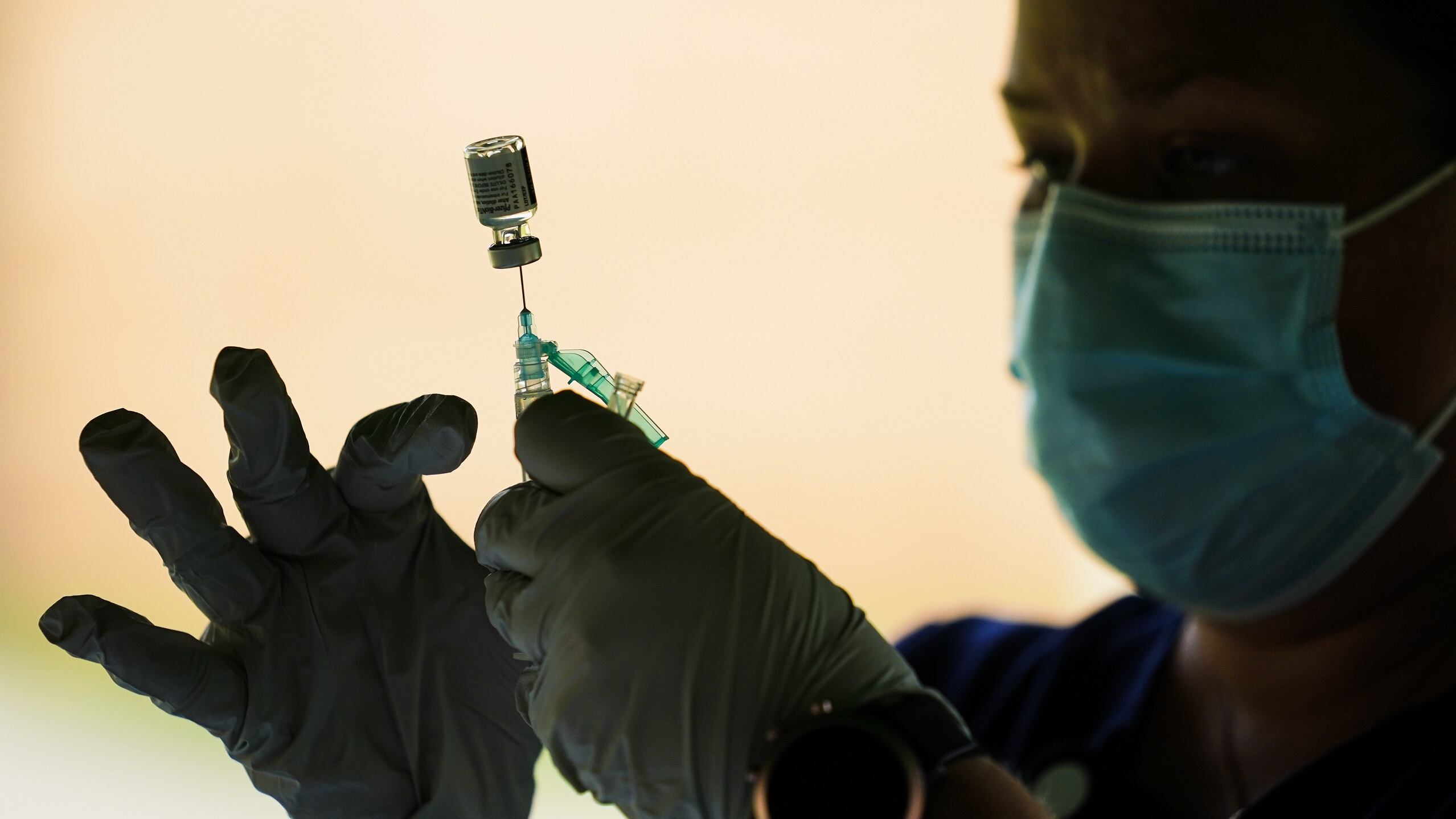
The U.S. is moving to open up COVID-19 booster shots to all adults, letting them choose another dose of either the Pfizer or Moderna vaccine.
U.S. health officials say an estimated 100,000 Americans died of drug overdoses in one year. That's a total the nation has never seen.
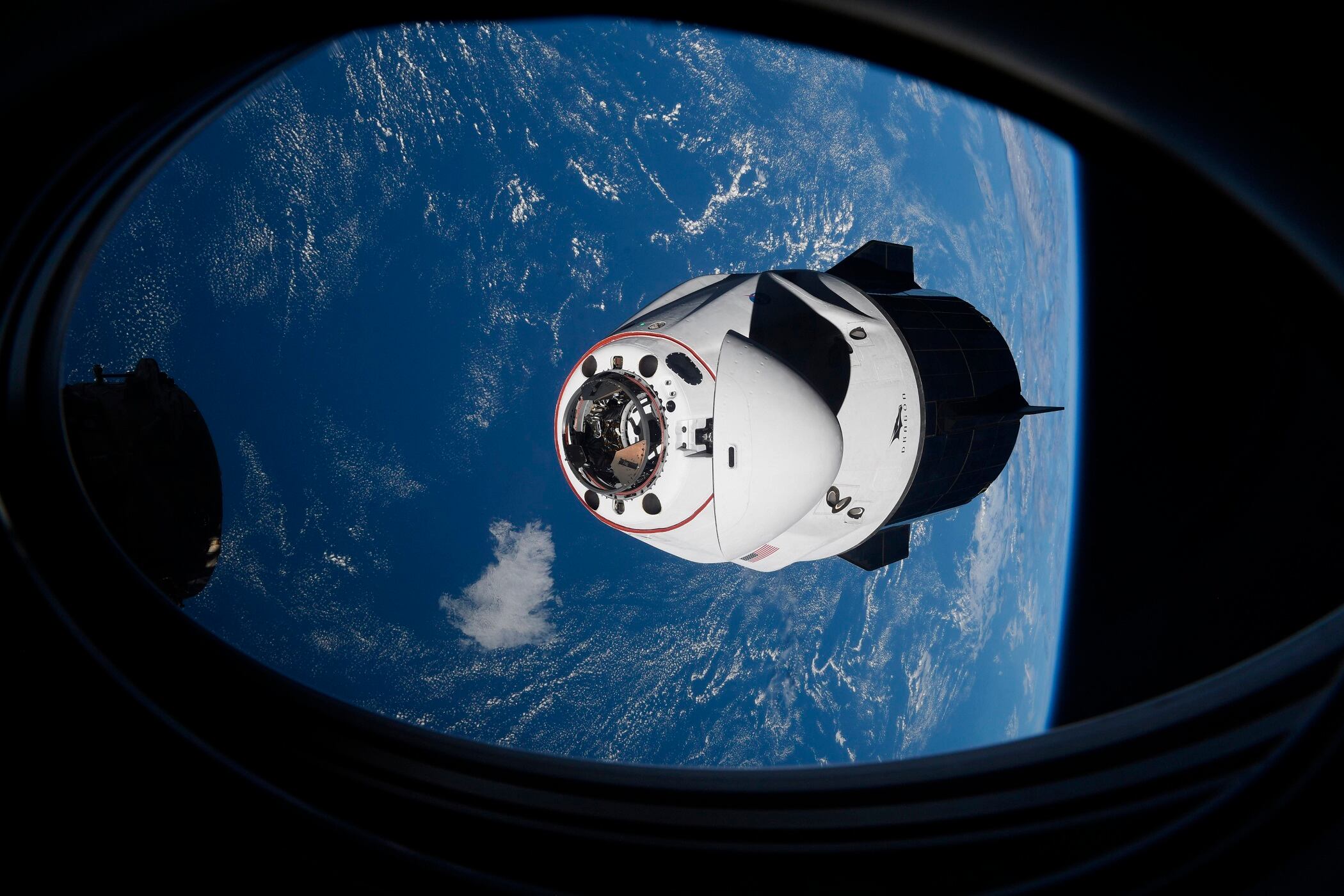
Russian officials on Tuesday rejected accusations that they endangered astronauts aboard the International Space Station by conducting a weapons test that created more than 1,500 pieces of space junk.
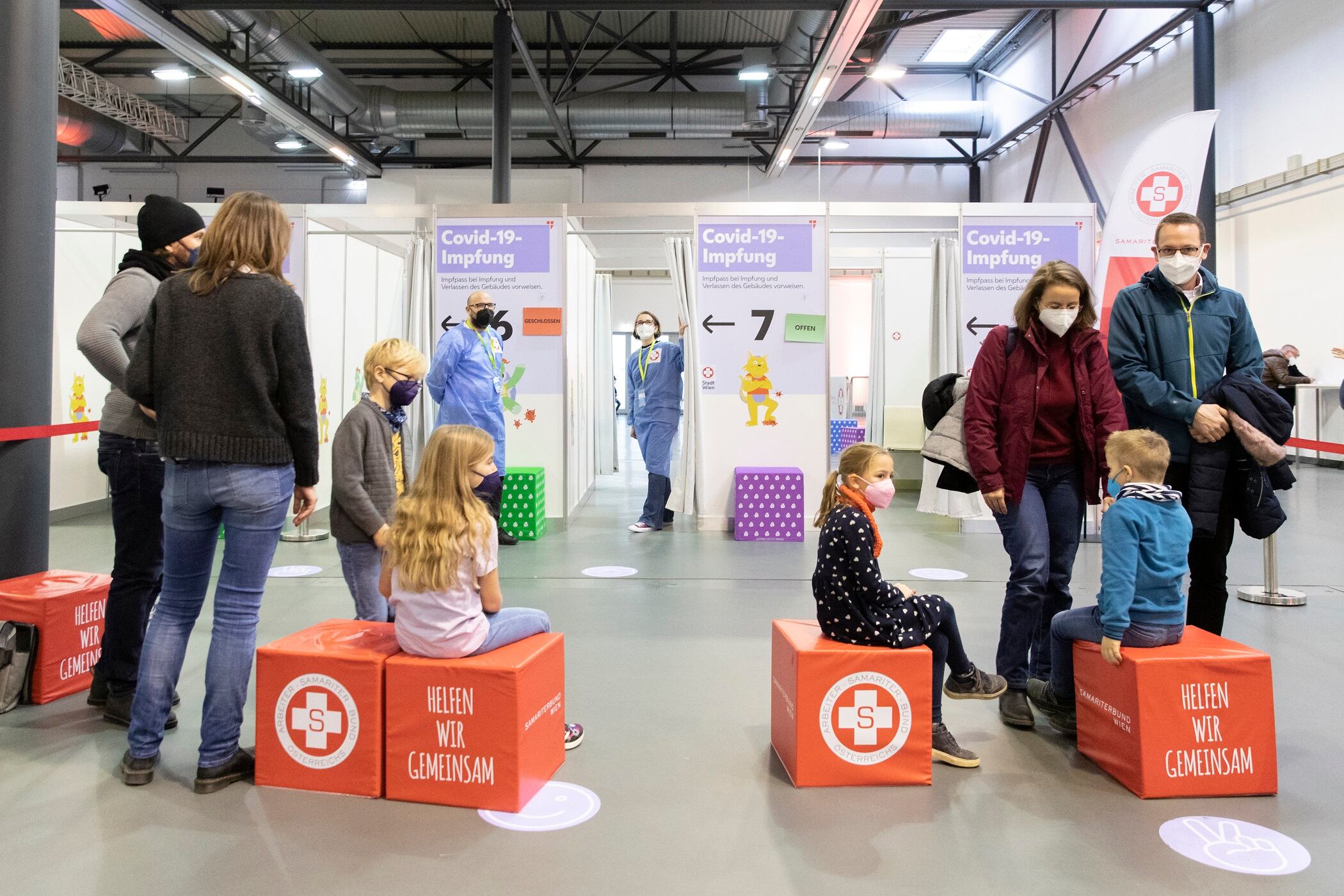
Austria has taken what its leader called the “dramatic” step of implementing a nationwide lockdown for unvaccinated people who haven’t recently had COVID-19.
Pfizer Inc. said Friday that its experimental antiviral pill for COVID-19 cut rates of hospitalization and death by nearly 90% in high-risk adults, as the drugmaker joins the race to bring the first easy-to-use medication against the coronavirus to the U.S. market.