Payment processing platform WePay is teaming up with TouchBistro, a point of service software for restaurants, to cook up innovation in the dining industry -- one that hasn’t really changed with the times.
“It’s only really recently that we’re seeing a lot of innovation there,” Bill Clerico, Co-founder and CEO of WePay, told Cheddar on Monday.
“The ability to order food ahead and pay at the table and see a menu on an iPad, those are some really cool things that are shaking up this old industry.”
The partnership was announced last week and, according to Clerico, it isn’t going to angle for the same slice of the market as competitors like Square.
“Square is really focused on the smaller restaurants, the smaller retailers,” explained Clerico. “Where we see TouchBistro play is sort of larger restaurants that need more sophisticated systems to manage a larger operation.”
“This market is massive and there are different competitors playing in different parts of that market.”
The partnership will roll out an instant payment processing system and an integrated mobile payment device so that customers can pay at the table.
Additionally, TouchBistro will be able to tap into the vast network of businesses that bank with Chase, which owns WePay.
For the full interview, [click here](https://cheddar.com/videos/cooking-up-innovation-in-the-restaurant-space).
Jeff Burnstein, President of the Association for Advancing Automation (A3), discusses humanoid robots, AI, smart manufacturing, and the future of U.S. industry.
Should kids be banned from social media? Nick Lichtenberg of Fortune breaks down the global push to restrict under-16 users and what it means for Big Tech.
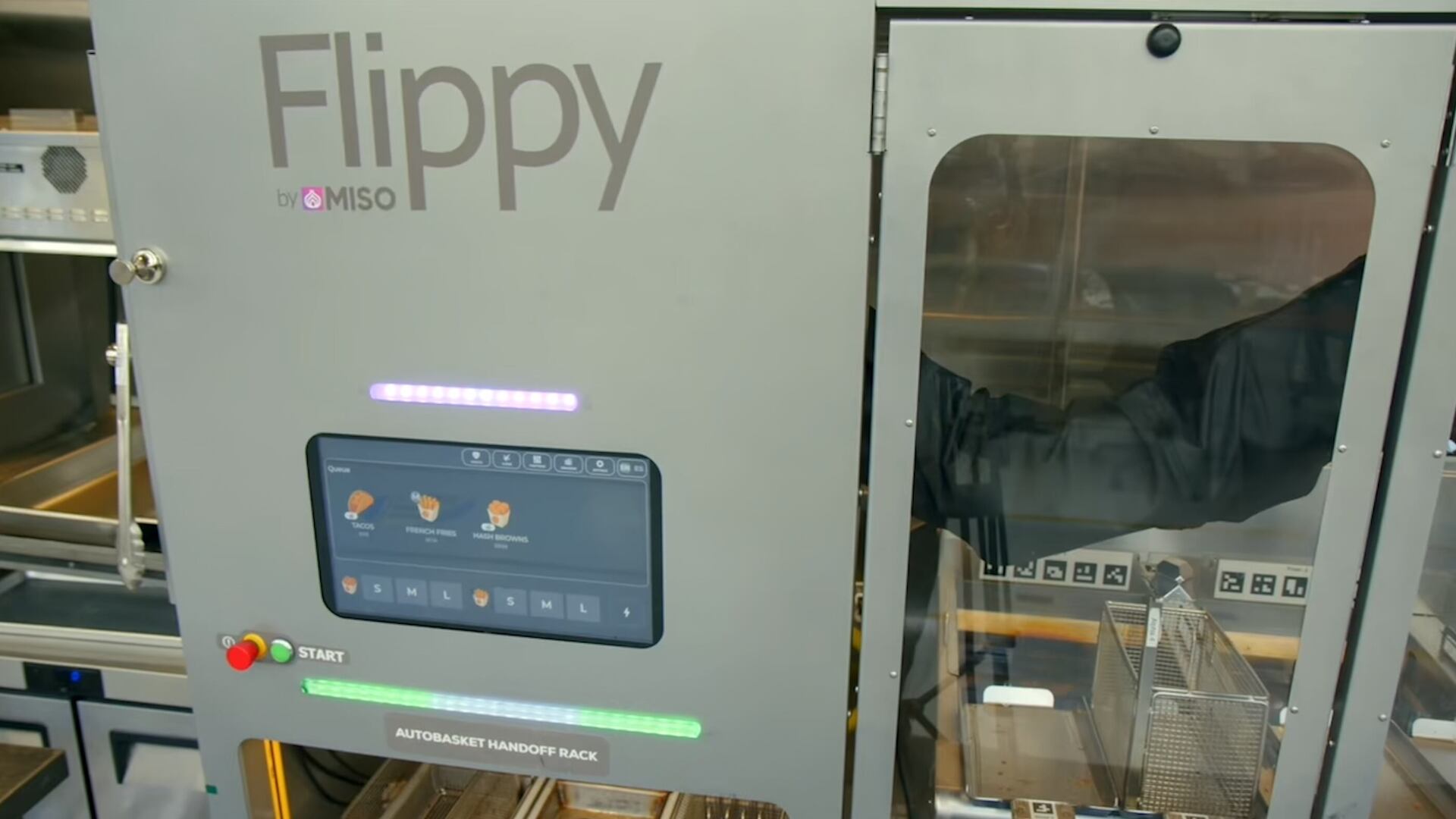
Miso Robotics CEO Rich Hull discusses Flippy Fry Station, the future of AI-powered restaurant automation and how acquiring Zume's IP could reshape food robotics
After two years of AI-fueled spending, Wall Street is asking what's next. Gil Luria breaks down monetization, valuations, winners, losers, and AI's future.
FIFA’s soccer World Cup promises to deliver $11.1 billion in spending and $30.5 billion economic impact for the U.S., but how much is it really helping?