Why U.S. Steelmakers Won't Win From Trump's Tariffs
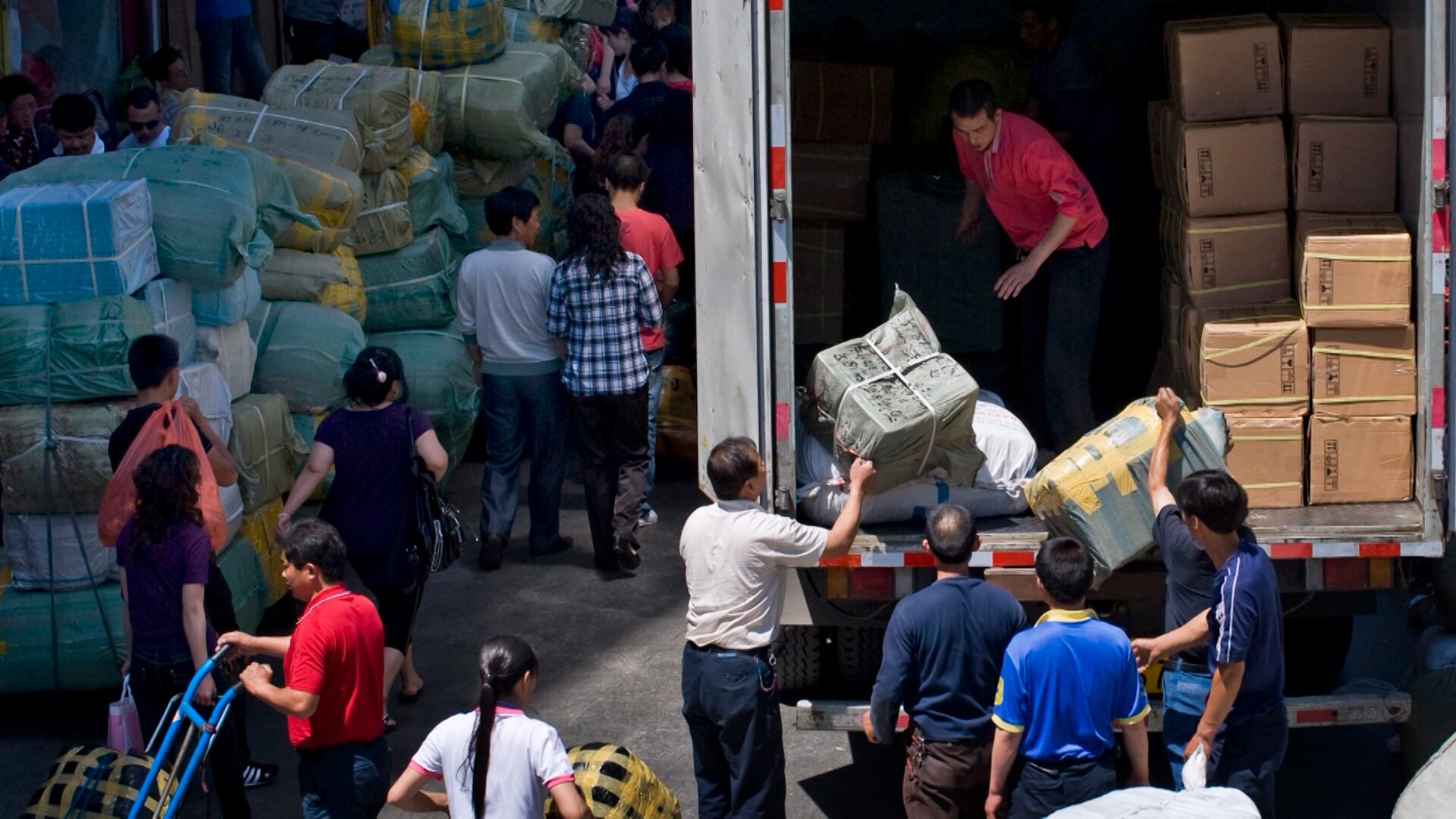
President Trump’s steel and aluminum tariffs may not result in the intended boom for the U.S. steel industry.
“If the automakers are using less metal, they’re selling less product because of these tariffs, eventually I think it’s going to hurt steel stocks,” said Patrick Sanders, Assistant Managing Editor at U.S. News & World Report.
He pointed out that Bank of America has already downgraded U.S. Steel in light of Trump’s announcement.
The tariffs could also hit employment numbers, said Sanders.
“The last time that we had steel tariffs was in 2003. About 200,000 people lost their jobs. A lot of those were in the auto industry.”
On Thursday, Trump stated he’d slap a 25 percent tax on steel imports and a 10 percent tarriff on aluminum imported into the U.S.
Trump claimed the policy would benefit American industrials, tweeting, “We must protect our country and our workers. Our steel industry is in bad shape.”
McDonald’s said Tuesday it is temporarily closing all of its 850 restaurants in Russia in response to the country's invasion of Ukraine. The burger giant said it will continue paying its 62,000 employees in Russia.
The price of nickel, one of the key minerals needed to produce stainless steel and lithium-ion batteries, saw an unprecedented surge Tuesday amid fears that Western sanctions could cut off Russian supplies of the crucial commodity.
Apple on Tuesday unveiled a new version of its budget-priced iPhone that’s capable of connecting to ultrafast 5G wireless networks, an upgrade that has been available on the company’s upscale models for more than a year.
Cheddar's Michelle Castillo looks into the growth in cigar smoking that took place during the pandemic, and how supply chain woes have come to hurt this industry as well.
From doughnut shops to Christmas tree growers, small businesses are as unique as their founders. In this episode of The Deep End, Cheddar News examines how social media helped small businesses survive the coronavirus pandemic, how an e-bike company is solving the last mile solution, and how a cannabis speakeasy is preparing for legalization in New York.
Whether you like to admit it or not, we’ve all indulged in a bit of retail therapy. In this episode, Cheddar News is exploring the shopping sphere, from toy store giants mounting a brick and mortar come back to weed superstores. We’re taking a look at how e-commerce companies are helping entrepreneurs, and how one magical franchise is creating a flagship for muggles.
Frances Newton Stacy, Director of Strategy at Optimal Capital, breaks down how skyrocketing commodity prices are impacting markets and what the Fed should be doing in order to avoid stagflation.
Adam Lampe, Co-Founder & CEO Mint Wealth Management, discusses the rising oil and commodities space and how the Fed will approach interest rate hikes amid the stellar February jobs report.
As Western companies cut ties with Russia over its invasion of Ukraine, there's a possibility their Chinese rivals could move in and fill the void. Major corporations such as Apple, Samsung, Dell, and more have halted sales in Russia in hopes of encouraging Putin to back down, but now it seems those sanctions could be presenting a unique opportunity for China. Michael Friedson, Co-founder and Executive Editor of The Media Line News Agency, joined Cheddar's Opening Bell to discuss how these Western boycotts are reshaping geopolitical alignments, the global economy, and international trade.