Why U.S. Steelmakers Won't Win From Trump's Tariffs
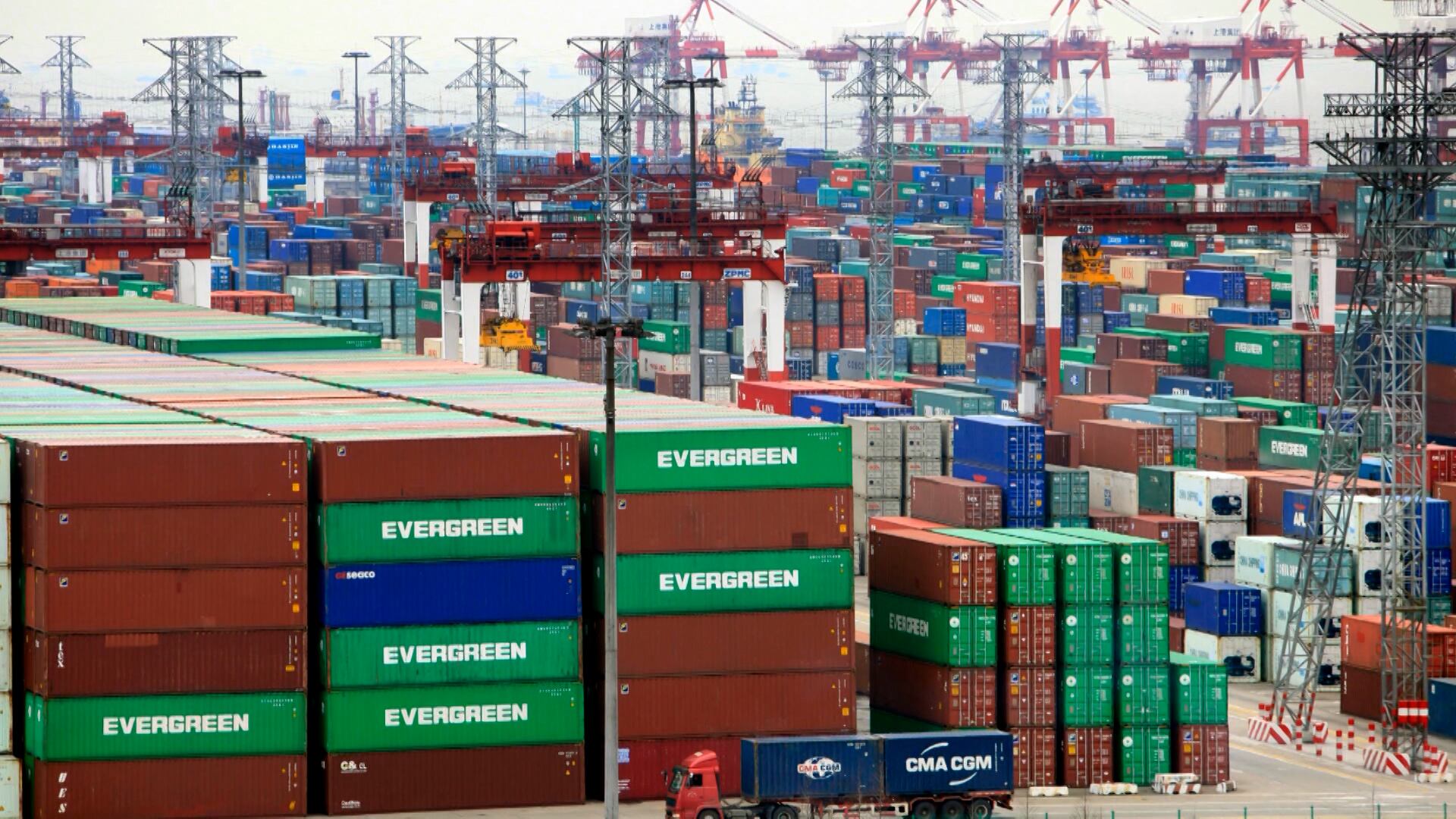
President Trump’s steel and aluminum tariffs may not result in the intended boom for the U.S. steel industry.
“If the automakers are using less metal, they’re selling less product because of these tariffs, eventually I think it’s going to hurt steel stocks,” said Patrick Sanders, Assistant Managing Editor at U.S. News & World Report.
He pointed out that Bank of America has already downgraded U.S. Steel in light of Trump’s announcement.
The tariffs could also hit employment numbers, said Sanders.
“The last time that we had steel tariffs was in 2003. About 200,000 people lost their jobs. A lot of those were in the auto industry.”
On Thursday, Trump stated he’d slap a 25 percent tax on steel imports and a 10 percent tarriff on aluminum imported into the U.S.
Trump claimed the policy would benefit American industrials, tweeting, “We must protect our country and our workers. Our steel industry is in bad shape.”
After Facebook and its family of platforms were down for nearly eight hours on Monday, other social media platforms like Snapchat saw a surge in usage. The social media platform already popular with teens saw a 20 percent jump in activity during Facebook's global outage.
Karyn Cavanaugh, Chief Investment Officer at Carolinas Wealth Management, joined Cheddar News to preview what to watch on Wall Street, as investor concerns about inflation, Fed tapering and supply chain blockages permeate the markets.
Shares for Netflix ($NFLZ) surged on survey data that showed people still saw the streaming platform as offering the best content compared to its competitors. A report by investment banking company Cowen Inc. reported the findings, rating it an outperform, and expects Netflix to garner 3.6 million new subscribers in Q3.
Banks are calling on Apple to lower fees for processing payments. The current model allows the tech giant to collect 0.15 percent on each transaction processed through Apple Pay.