Why U.S. Steelmakers Won't Win From Trump's Tariffs
President Trump’s steel and aluminum tariffs may not result in the intended boom for the U.S. steel industry.
“If the automakers are using less metal, they’re selling less product because of these tariffs, eventually I think it’s going to hurt steel stocks,” said Patrick Sanders, Assistant Managing Editor at U.S. News & World Report.
He pointed out that Bank of America has already downgraded U.S. Steel in light of Trump’s announcement.
The tariffs could also hit employment numbers, said Sanders.
“The last time that we had steel tariffs was in 2003. About 200,000 people lost their jobs. A lot of those were in the auto industry.”
On Thursday, Trump stated he’d slap a 25 percent tax on steel imports and a 10 percent tarriff on aluminum imported into the U.S.
Trump claimed the policy would benefit American industrials, tweeting, “We must protect our country and our workers. Our steel industry is in bad shape.”
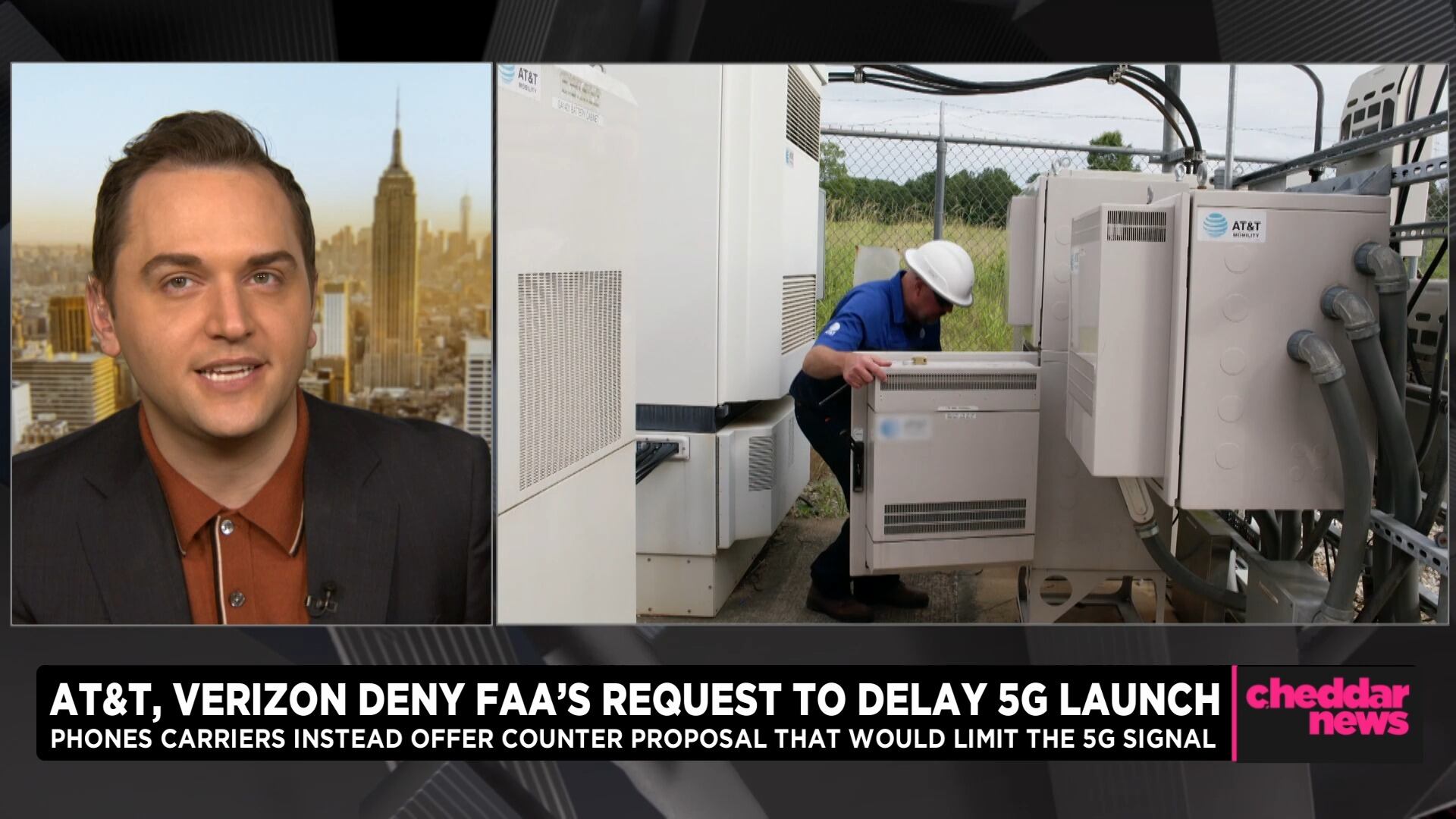
As cell carriers AT&T and Verizon planned to roll out nationwide 5G service this week, the FAA and U.S. DOT are asking the companies to pause their plans so more research can be done on the impact 5G has on aircraft technology. The companies are refusing, citing French regulations that limit wireless signals around airports while allowing research to continue. This week's launch wasn't the first time concerns have delayed 5G — last year, Airbus and Boeing express concerns, pushing the deadline into November, December, and then into this year. So what happens now — and what happens next? Will 5G roll out this year as expected? Jon Swartz, Senior Reporter at MarketWatch, joins Cheddar News' Closing Bell to discuss the state of the planned 5G rollout, why the FAA and U.S. Department of Transportation are asking carriers to stall the launch, and more.
Tyrone Ross, CEO of Onramp Invest, joins Cheddar News' Closing Bell, where he explains why he believes the current crypto slump is expected to persist and says that investors should be focusing more on Bitcoin's hashrate when it comes to metrics.
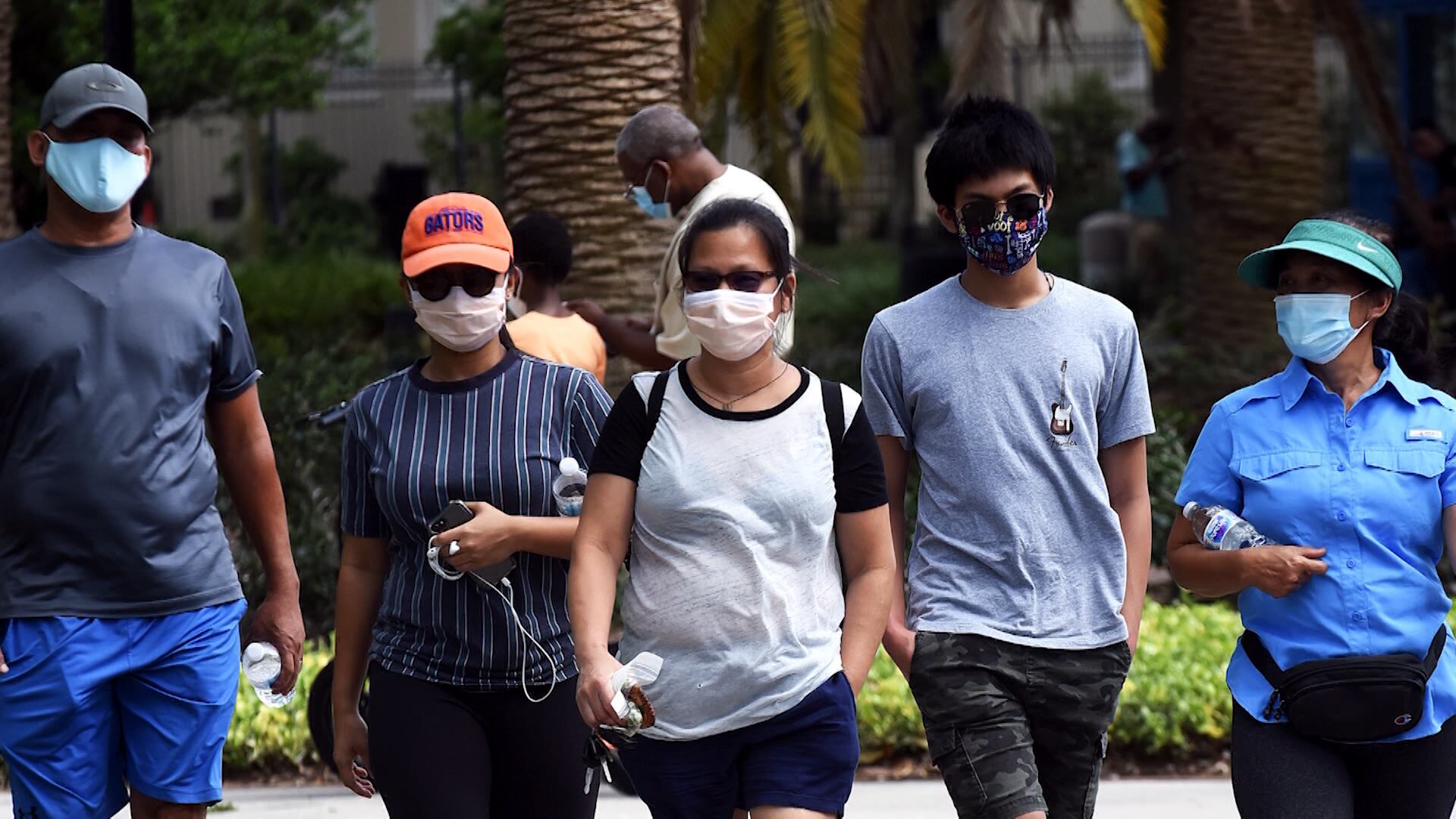
As the COVID-19 omicron variant continues to spread, thousands of flights have been canceled, restaurants and bars have been forced to re-adapt to outdoor and take-out dining, and consumers are canceling their travel and other plans. This all comes as the CDC recently updated its quarantine guidelines for people who test positive, slashing the isolation period from 10 days to five. That change was pushed by the airline industry as it continues to struggle with labor shortages. How will the variant continue to impact businesses large and small? Laura Reathaford, Partner at Lathrop GPM, and Tom Sacco, CEO, President, and Chief Happiness Officer of Iowa-based Happy Joe's Pizza and Ice Cream, join Cheddar News' Closing Bell to discuss employment law issues related to worker safety during COVID-19 outbreaks, and how small businesses are dealing with the latest wave, respectively.
Luke Larsen, senior editor at Digital Trends, joins Cheddar News to discuss the largest tech convention in the world, CES, kicking off in Las Vegas this week.