Why U.S. Steelmakers Won't Win From Trump's Tariffs
President Trump’s steel and aluminum tariffs may not result in the intended boom for the U.S. steel industry.
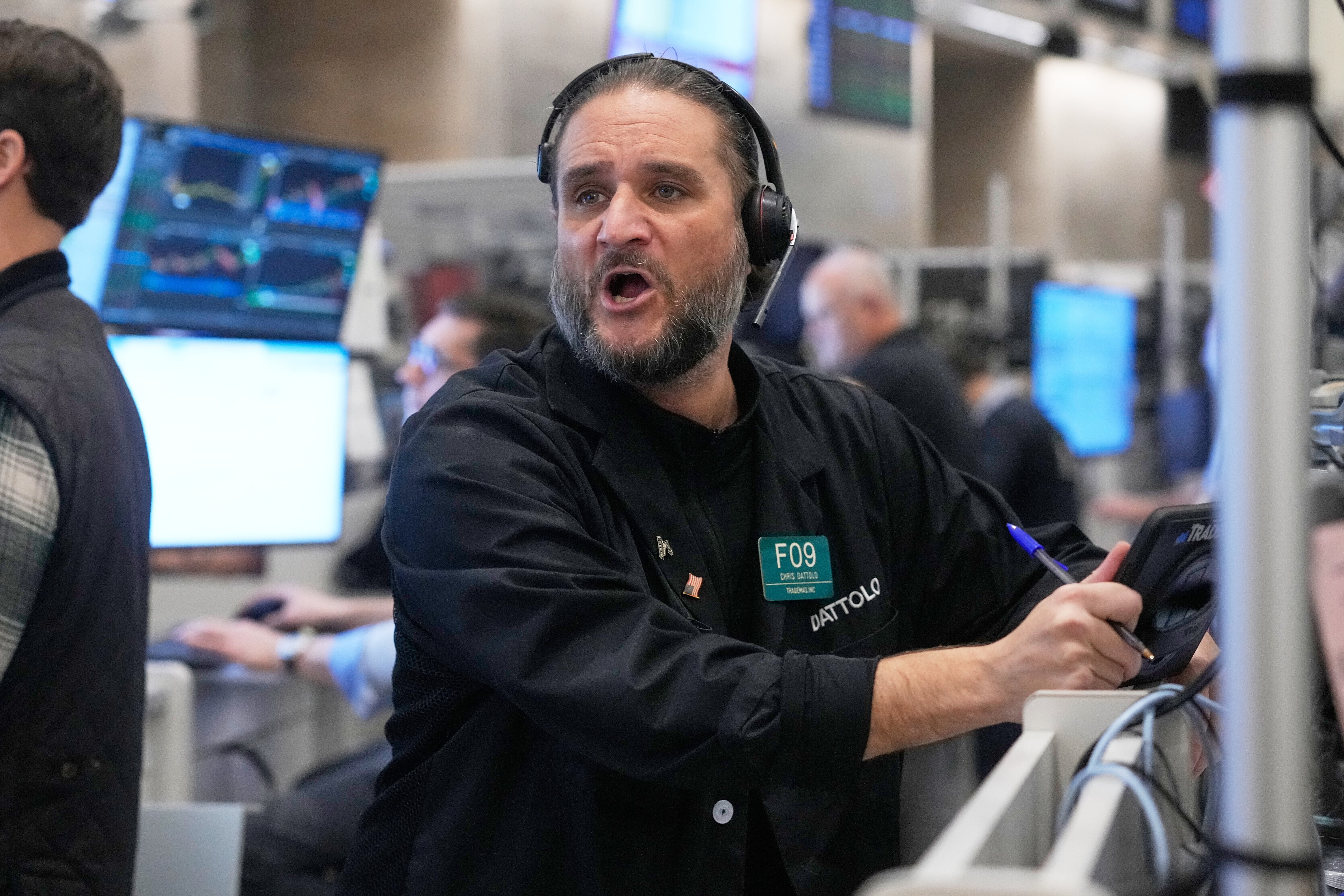
“If the automakers are using less metal, they’re selling less product because of these tariffs, eventually I think it’s going to hurt steel stocks,” said Patrick Sanders, Assistant Managing Editor at U.S. News & World Report.
He pointed out that Bank of America has already downgraded U.S. Steel in light of Trump’s announcement.
The tariffs could also hit employment numbers, said Sanders.
“The last time that we had steel tariffs was in 2003. About 200,000 people lost their jobs. A lot of those were in the auto industry.”
On Thursday, Trump stated he’d slap a 25 percent tax on steel imports and a 10 percent tarriff on aluminum imported into the U.S.
Trump claimed the policy would benefit American industrials, tweeting, “We must protect our country and our workers. Our steel industry is in bad shape.”
The U.S. economy is being held up in part by the AI boom, but that boom could still lead to broader prosperity or inequality, says a Nobel Prize winner.
Foundation Robotics co-founder Michael LeBlanc explains how humanoid robots are moving from the lab to military and industrial missions and what comes next.
Jeff Burnstein, President of the Association for Advancing Automation (A3), discusses humanoid robots, AI, smart manufacturing, and the future of U.S. industry.
Should kids be banned from social media? Nick Lichtenberg of Fortune breaks down the global push to restrict under-16 users and what it means for Big Tech.
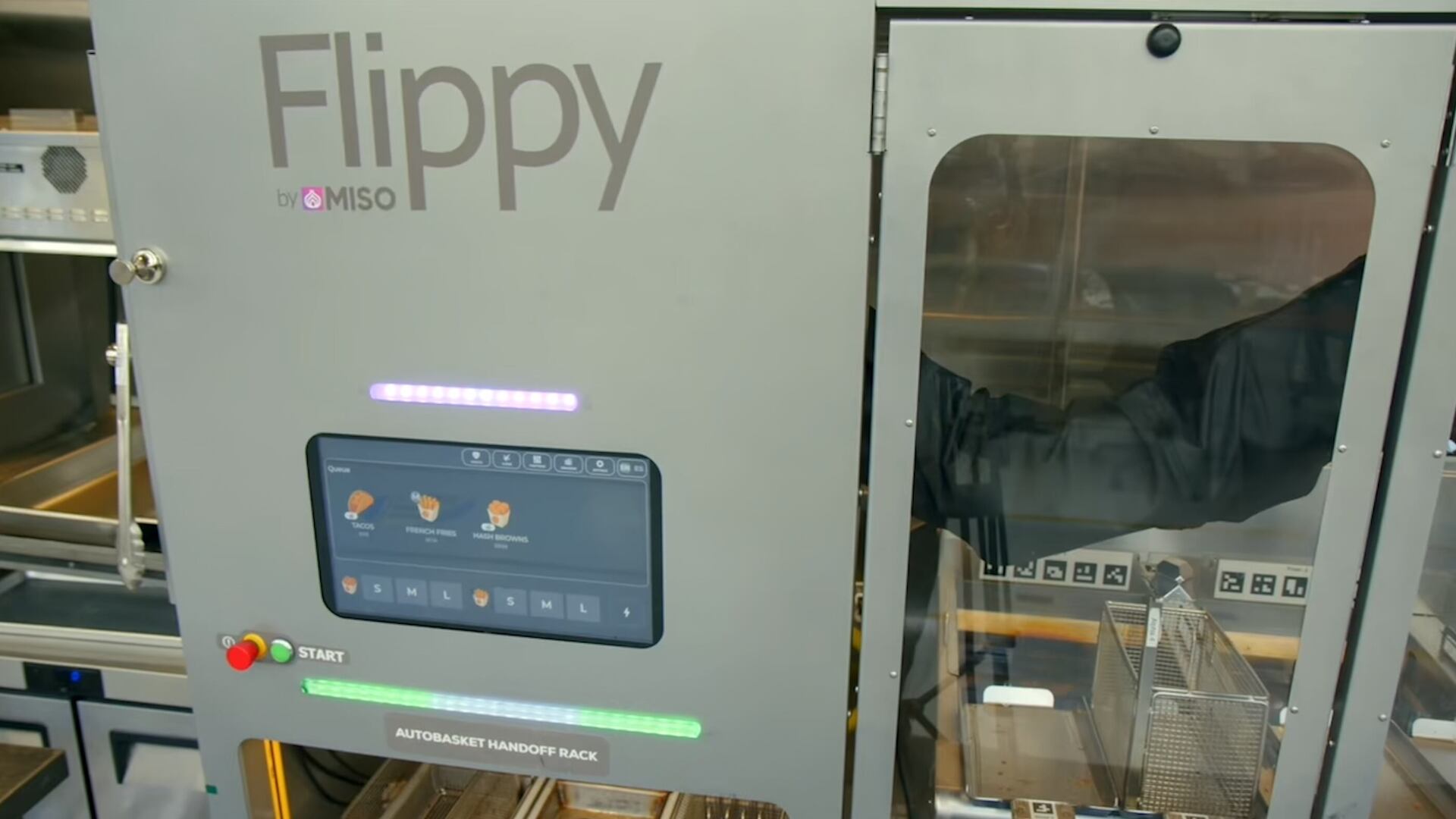
Miso Robotics CEO Rich Hull discusses Flippy Fry Station, the future of AI-powered restaurant automation and how acquiring Zume's IP could reshape food robotics
After two years of AI-fueled spending, Wall Street is asking what's next. Gil Luria breaks down monetization, valuations, winners, losers, and AI's future.