The rehab industry is getting a digital intervention. Kyle Rice is the co-founder of rehab.com and joins Cheddar to discuss his company's transparent overhaul to the treatment process. The site describes itself as the Expedia of the addiction treatment industry with its 16,000-location online database.
Rice explains why rehabilitation centers are so unregulated and how that makes the road to recovery even more difficult for the millions of Americans in treatment. He reveals rehab.com's business plan, adding how a sponsored hotline helps the company generate revenue. Then, the co-founder puts the current state of the addiction treatment industry in the context of the opioid addiction epidemic sweeping through the United States.
Finally, we discuss Google's recent decision to pull thousands of misleading AdWords for treatment centers around the country. Rice reveals how faulty marketing promises and corporate interests make recovering from addiction even harder than it already is. He explains why his company will decrease relapses and improve overall treatment quality.
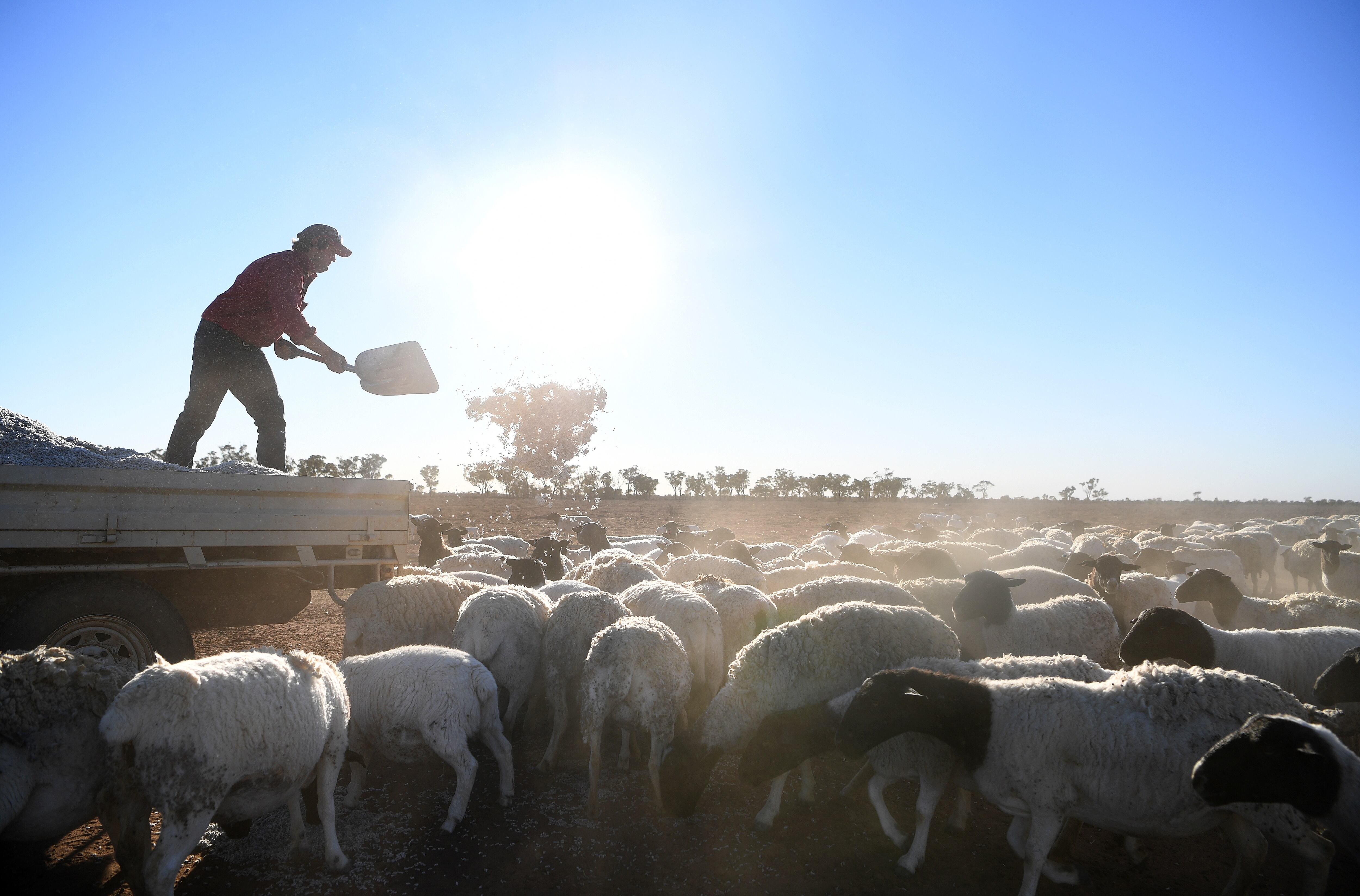
We spoke with a farmer about how tariffs, trade policy, drought, and packer consolidation are reshaping the economics of American ranching and farming.
John Serafini, CEO of Hawkeye 360, breaks down the company’s 87% revenue growth, global demand for space-based intelligence and plans to scale its business.
Dan Niles, Founder and Portfolio Manager at Niles Investment Management, breaks down NVIDIA’s blowout earnings, 70% growth forecast and AI spending boom.
Edwin Cywinski, CEO of SunScout Holding Limited, explains how solar-powered robotic mowers are transforming lawn care and the company’s plans to scale.
Nathan Bomey, Business Reporter at Axios and author of The Axios Closer newsletter, explains why Wall Street is turning NVIDIA’s AI chips into financial assets.
Jamie Siminoff, Founder and Chief Inventor of Ring, explains the company’s new TAKE encryption standard and its push to put privacy and video data control first
Xavier Martinez, News Associate at The Wall Street Journal, breaks down Moderna’s mRNA ambitions, its pipeline beyond COVID-19 and the challenges ahead.