The rehab industry is getting a digital intervention. Kyle Rice is the co-founder of rehab.com and joins Cheddar to discuss his company's transparent overhaul to the treatment process. The site describes itself as the Expedia of the addiction treatment industry with its 16,000-location online database.
Rice explains why rehabilitation centers are so unregulated and how that makes the road to recovery even more difficult for the millions of Americans in treatment. He reveals rehab.com's business plan, adding how a sponsored hotline helps the company generate revenue. Then, the co-founder puts the current state of the addiction treatment industry in the context of the opioid addiction epidemic sweeping through the United States.
Finally, we discuss Google's recent decision to pull thousands of misleading AdWords for treatment centers around the country. Rice reveals how faulty marketing promises and corporate interests make recovering from addiction even harder than it already is. He explains why his company will decrease relapses and improve overall treatment quality.
Fed Chair Jerome Powell weighed in on interest rates, some of Tesla's cybertrucks have been delivered, Apple and Paramount have reportedly discussed bundling their streaming services together and Panera Bread has reportedly filed to go public.
Build-A-Bear Workshop has been one of the most recognizable and beloved toy brands in the world since opening in 1997. Sharon Price John, CEO of Build-A-Bear Workshop, spoke with Cheddar News about its plans for the holiday season this year as well as the company's first animated feature film.
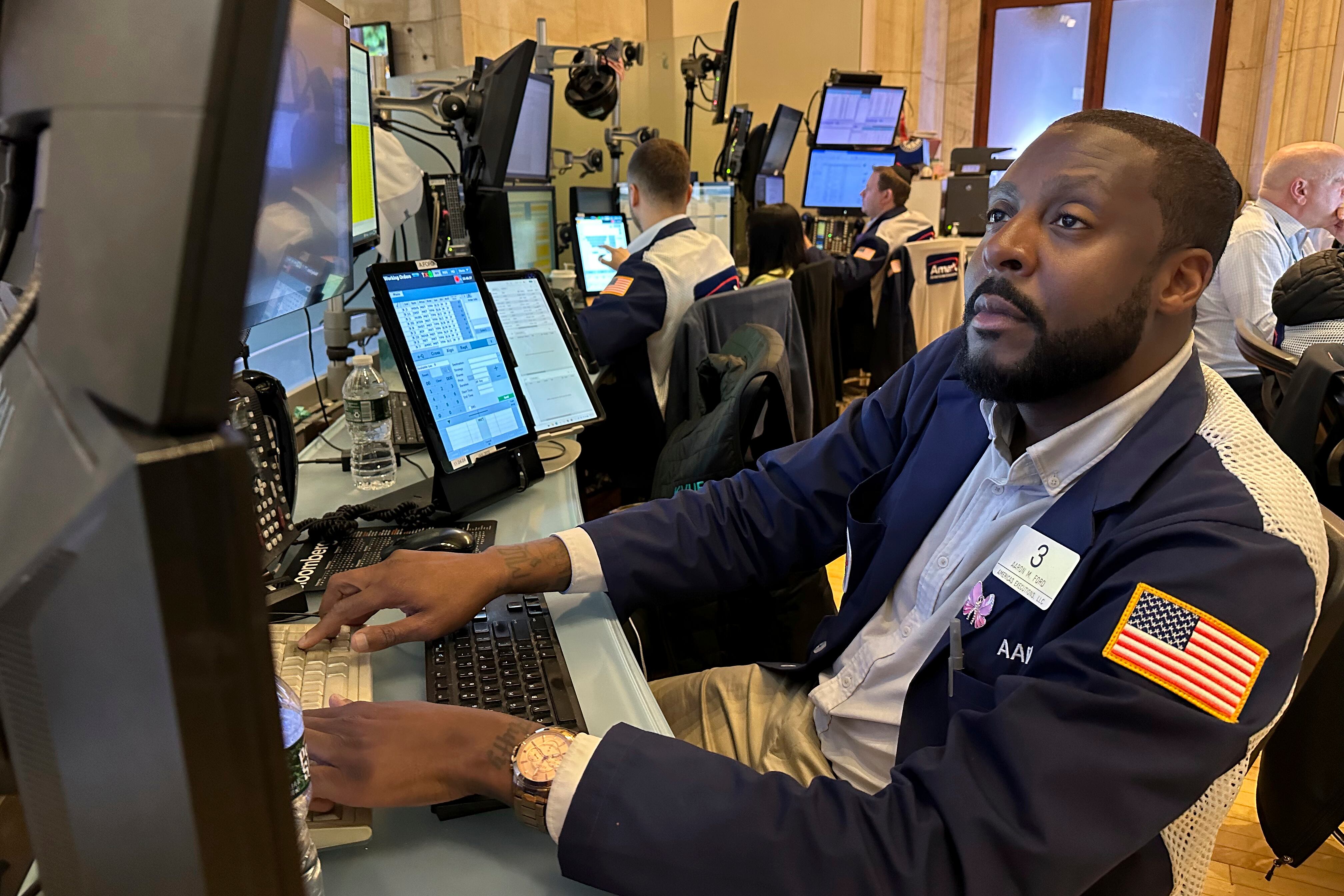
Stocks were generally flat after the opening bell on Friday ahead of Federal Reserve Chair Jerome Powell's comments in a speech at Spelman College later. Investors are growing optimistic that the central bank is done raising rates and may start cutting next year.
The network of nearly 4,800 fake accounts was attempting to build an audience when it was identified and eliminated by the tech company, which owns Facebook and Instagram.
Someone in China created thousands of fake social media accounts designed to appear to be from Americans and used them to spread polarizing political content in an apparent effort to divide the U.S. ahead of next year's elections, Meta said Thursday.