Why the World's Biggest Automakers Are Turning to This Company for Self-Driving Technology
Some of the world's leading automakers are all turning to the same company to help bring past the self-driving finish line. Aurora CEO and Co-Founder Chris Urmson joins Cheddar at CES to discuss his firm's newly-announced partnership with Volkswagen Group. He describes his company's goal as providing the "drivers," by way of software, for autonomous vehicles.
The partnership is focused on developing "mobility as a service" initiative in major cities. Urmson describes how Aurora will help Volkswagen Group's fleet of self-driving cars, known as Sedric, connect people in urban communities. He explains how the service initiative will help people with mobility issues of their own, as well as making transportation easier for commuters.
Urmson reveals how his company spent the past year working with Volkswagen Group to integrate its system into the automaker's fleet. He breaks down Aurora's high-pedigree founding team, including himself, a veteran of Google's self-driving initiative, and Sterling Anderson, one of the minds behind the launch of Tesla's Model X.
Cloud contact center software company Five9's shareholders voted against the $14.7 billion all-stock acquisition deal from Zoom. A return to offices and in-person meetings have been cited for at least some of the reasons the deal ultimately fell through.
Autonomous car companies Waymo and Cruise are one step closer to offering driverless ridesharing in California after receiving approval from the state's DMV to begin charging fees for their services. Both companies still need approval from the California Public Utilities Commission before offering rides to the public.
Honda is looking to get more futuristic. The automaker announced a $45 billion, six-year investment into developing rockets, robots, and flying cars, noting that these areas of R&D are extensions of their core business.
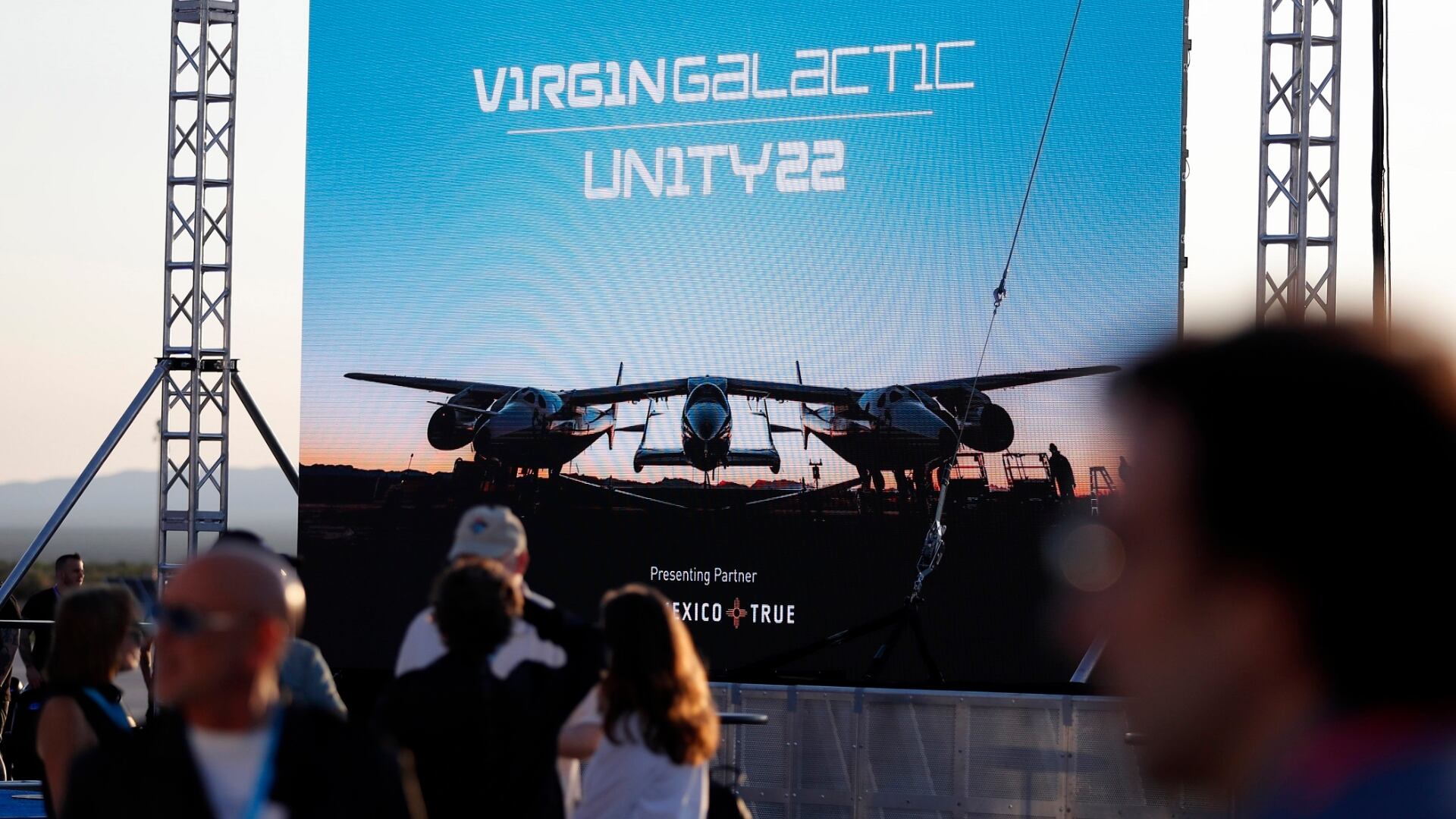
The FAA has completed its investigation of Virgin Galactic’s Unity 22 test flight on July 12 after the aircraft flew out of protected airspace on its descent back to Earth. Virgin Galactic has been given the green light to resume flights but must request a larger share of protected airspace for future missions.