While the cost of food is on the decline, breakfast lovers continue to reel from their dented wallets as the price of eggs and orange juice remain up.
Inflation has not been kind to the egg aficionados with prices as high as $7.37 for a dozen in states like California as recently as December and there are currently no signs of reprieve. Elsewhere, prices are cheaper than those in the Golden State but still expensive relative to the area. In December, the average U.S. price of eggs was $4.25
Supply chain disruptions have been identified as at least one of the issues causing prices to remain high but the avian bird flu has really wreaked havoc on the poultry industry. Right now, the market is experiencing the worst cases of bird flu and as a result more than 44 million egg-laying hens have died.
The issue is compounded when chickens that are at risk of contracting bird flu are euthanized in an effort to mitigate the spread. The New York Times reported that the depopulating of healthy birds on top of those that have succumbed to illness has slashed the nation's egg supply by more than 7 percent.
With egg demand peaking in December, customers could see a dropoff in price in the coming months.
While your scrambled eggs might cost a little less in the future, if you want to wash them down with some OJ, it will cost you.
Florida is currently experiencing its smallest citrus crop since the 1936-1937 season and it all started in early 2022. A January deep freeze in the sunshine state stunted growth of fruits, then Hurricane Ian bombarded the state and it was hit with another major hurricane in Nicole two months later in November.
The biggest culprit in the rise in cost of Florida oranges is the ongoing citrus tree disease. The disease, which causes leaves and fruit to drop prematurely, is typically spread via major rain events like hurricanes or through insects.
The U.S. Department of Agriculture anticipates around 20 million boxes of oranges to be produced this year, which is a 51 percent drop off from 2022.
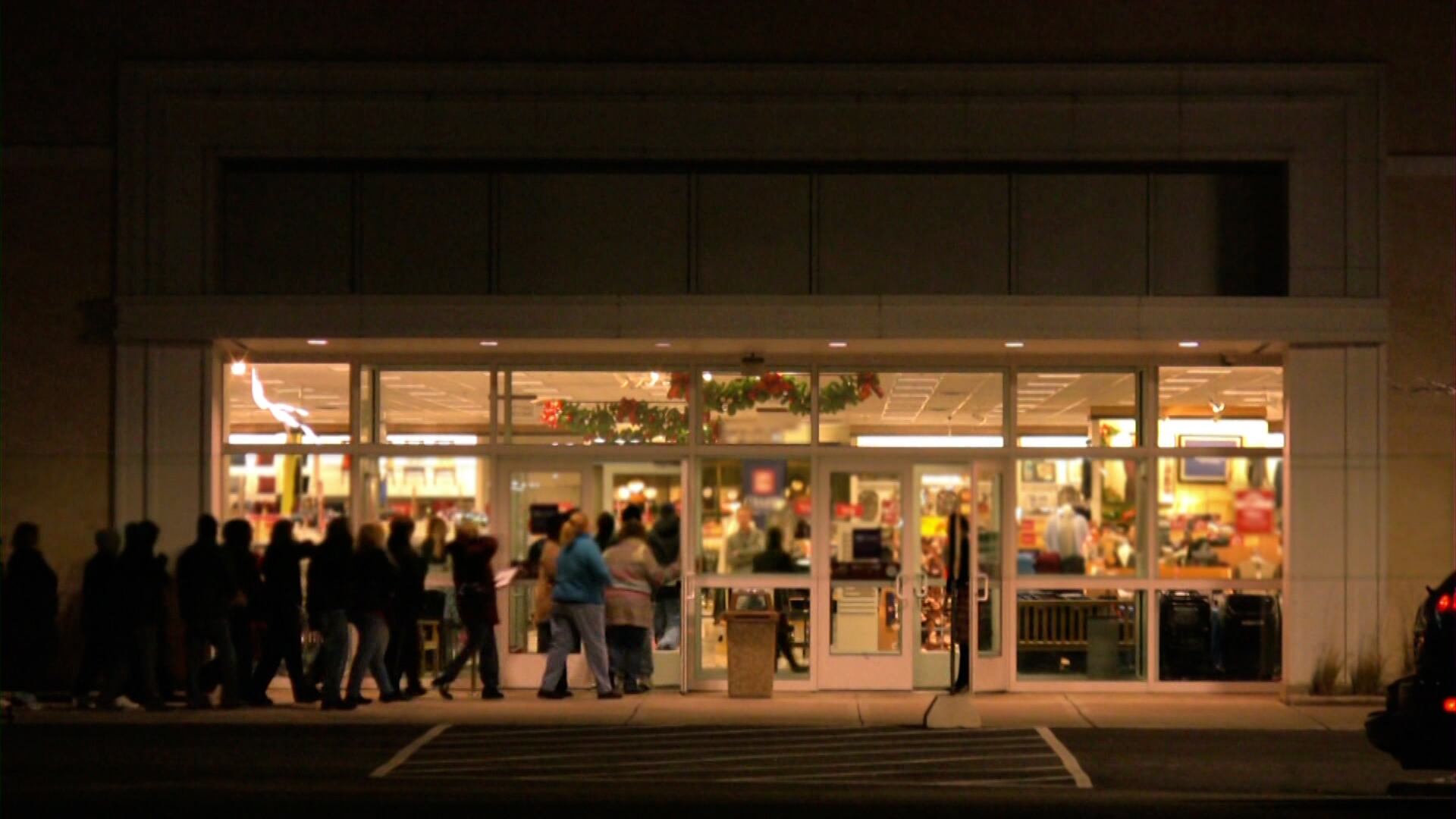
The typical holiday rush to malls and other retail outlets on "Super Saturday" fell by 26 percent compared to 2019. Melissa Gonzalez, CEO and founder of retail strategist Lionesque Group, told Cheddar that shopping habits had already been changing. "I just think there's a shift in general. And then there's just a lot more pre-planning, and I don't think that's going to go away," she said. "You saw a lot of holiday gift guides go out earlier and deals go out earlier, so I think that's just going to be a trend going forward." She also discussed how cryptocurrency is going to play a role in retail in 2022.
Jeanenne Tornatore, travel expert, media personality, content creator, and former Orbitz senior editor, joins Cheddar News' Closing Bell, where she runs through items flyers should be mindful of this holiday season as the omicron coronavirus variant continues to spread.
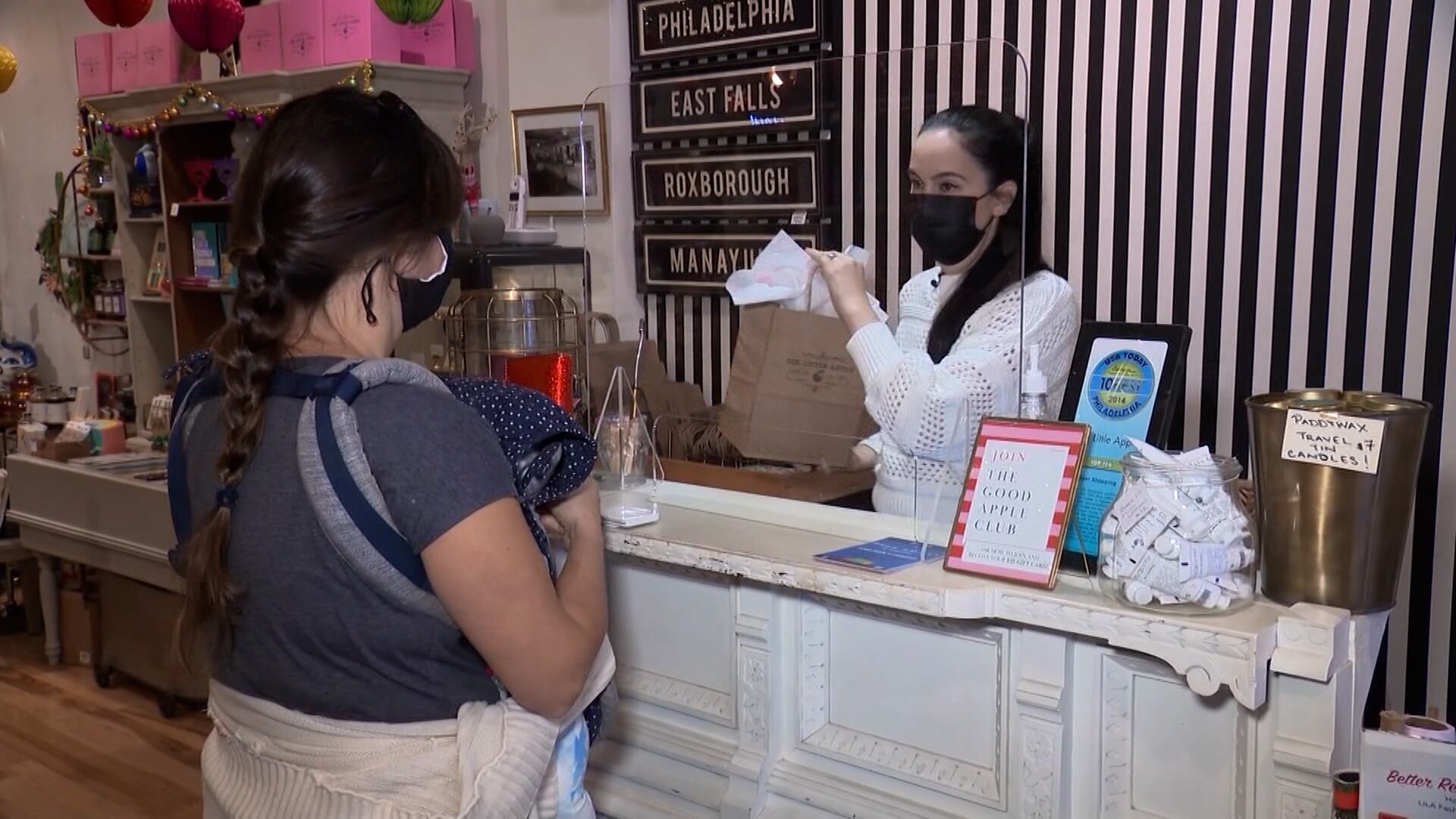
With only two days left until Christmas, last-minute shoppers are facing major issues caused by supply chain shortages and the rising omicron variant. Kristen Gall, president of Rakuten Rewards, joins Cheddar News to discuss.
Waze launched its first-ever "Year in Rear View" survey. Andrew Stober, Waze Head of Public Partnerships and Carpool, takes a look back at the year in travel to see the places we drove the most, the books and music that kept us entertained, and what we can expect in 2022.
Juan Perez Jr., education reporter for Politico, breaks down why Black Americans are leaving Chicago and how political controversy is impacting representation.
Marvel's "Spiderman: No Way Home" is the third highest-grossing film of the year and could be the only one to reach the $1 billion mark of 2021 with ticket sales already surpassing $750 million.