*By Michael Teich*
Amazon inked a new partnership with American Express, but don't expect the financial industry to be the next area the tech giant jumps into.
"The thing that people misunderstand is that tech companies don't want to manufacture financial products," said Lex Sokolin, Global Director of Fintech Strategy at Autonomous Research. "It's about making the ecosystem and the platform more powerful, and finance is just a feature inside of that."
American Express announced Tuesday it will launch a co-branded Amazon credit card for small businesses. The move accelerates Amazon's foray into financial products and strengthens its position as a lender. The goal, Sokolin said, is to enable small businesses to finance their activities, getting more products on Amazon's platform, and ultimately driving more commerce.
Plus, the opportunity costs of devoting itself to the financial industry are too high.
"Amazon has tremendous high-growth, super interesting, blue oceans to explore,” he said. "They could be investing in building a mortgage business, or they can build artificial intelligence business."
For the full segment, [click here.](https://cheddar.com/videos/amazon-bolsters-financial-prowess-with-new-credit-card)
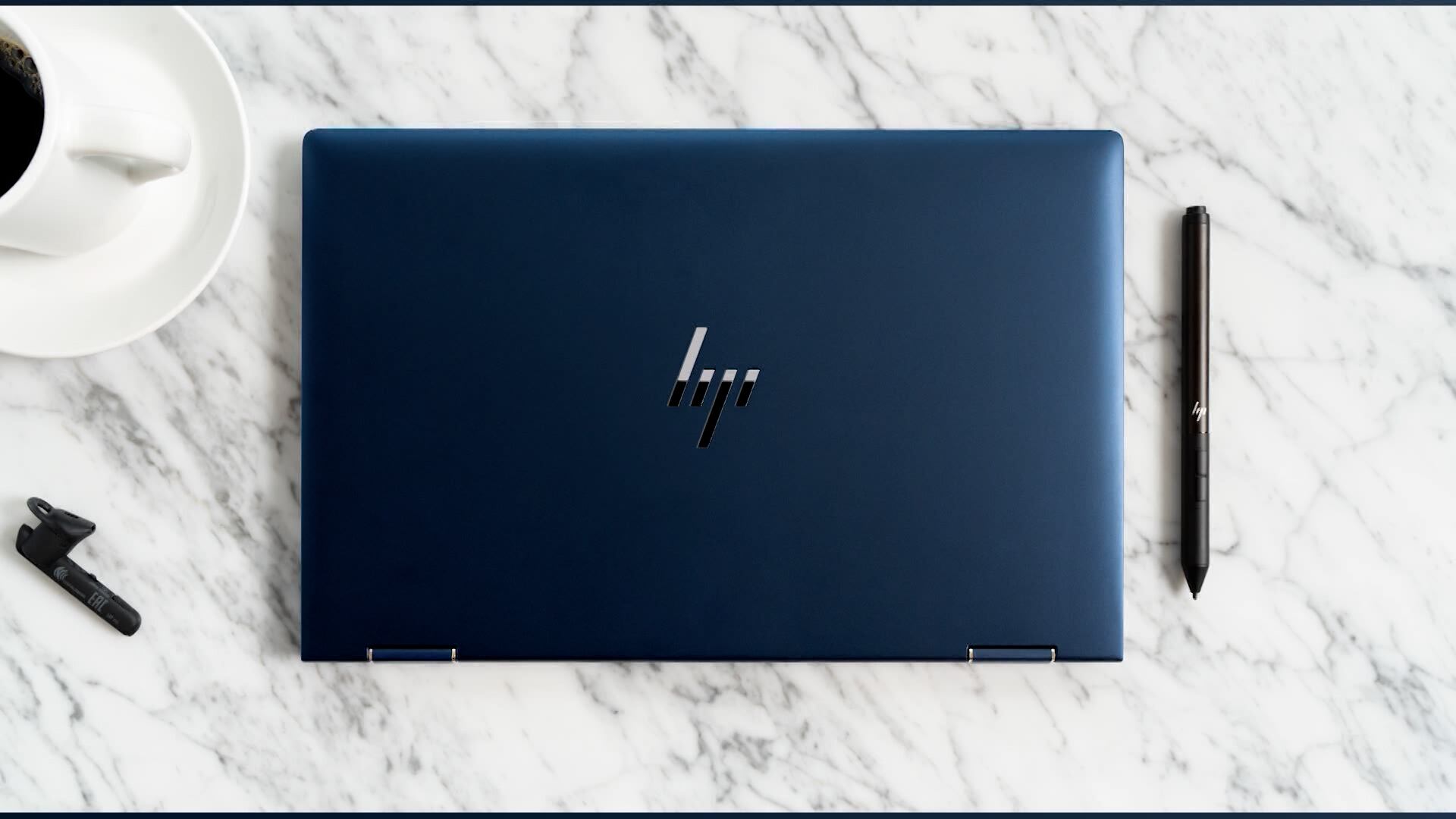
With the annual CES convention underway amid COVID, HP unveiled rolled out a number of new products virtually this year, including new gaming PCs and 4K display monitors. But as industries look toward a greener future, HP is working with the climate crisis in mind. James McCall, chief sustainability officer at HP, joined Cheddar's Kristen Scholer to discuss the company's climate goals, which includes reducing its carbon footprint to net-zero by 2040. He admitted that reaching the ambitious goal will be difficult because much of the company's emissions totals come from third parties. "A large part of our footprint is outside of HP's direct control. A lot of it comes either from our incoming supply chain, the materials, our manufacturing process, or about 30 to 40 percent of it comes from our consumer-use base," McCall told Cheddar.
Jared C. Bass, senior director for Higher Education at the Center for American Progress, joins Cheddar News to discuss how schools are navigating the Omicron variant.
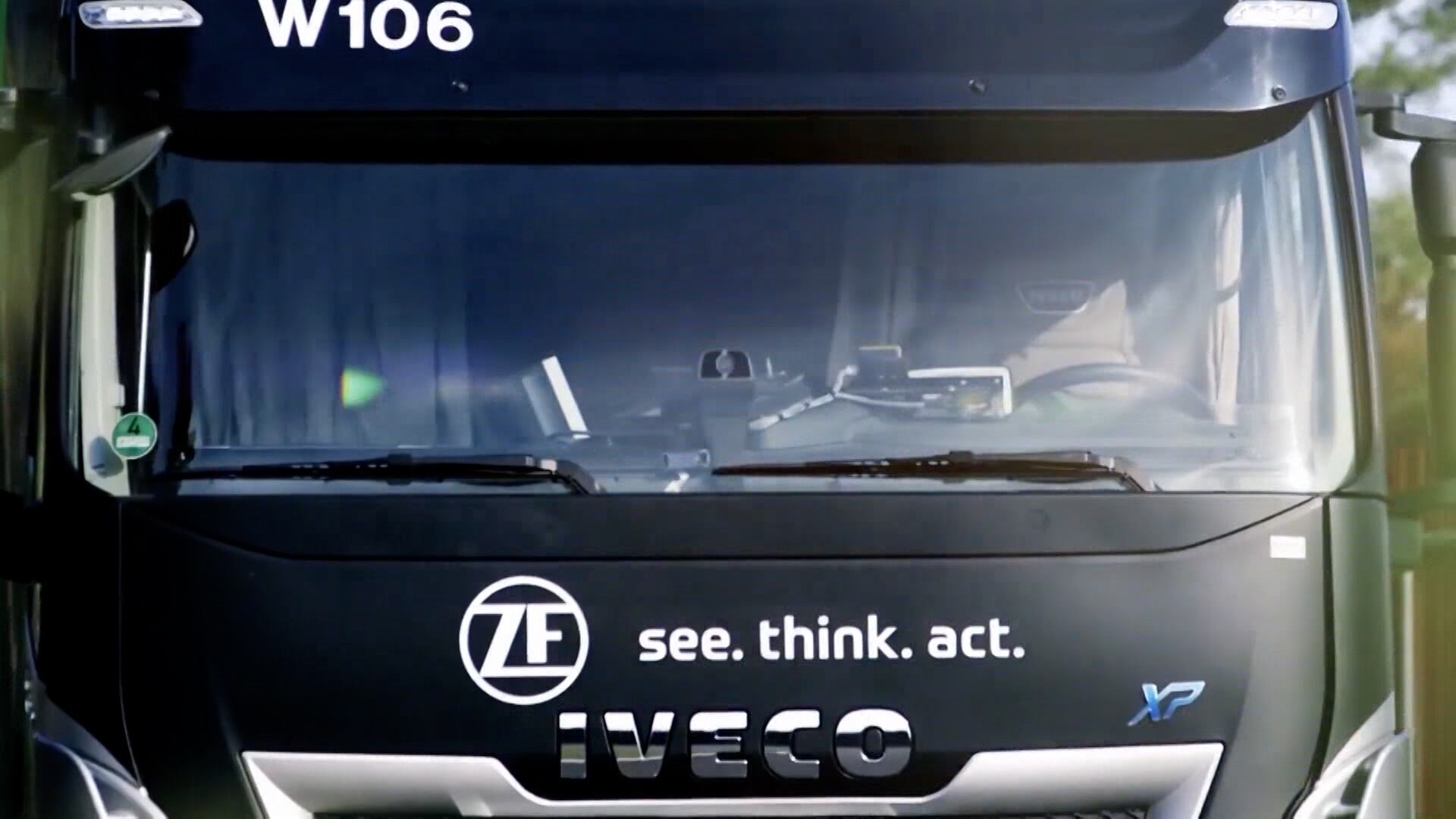
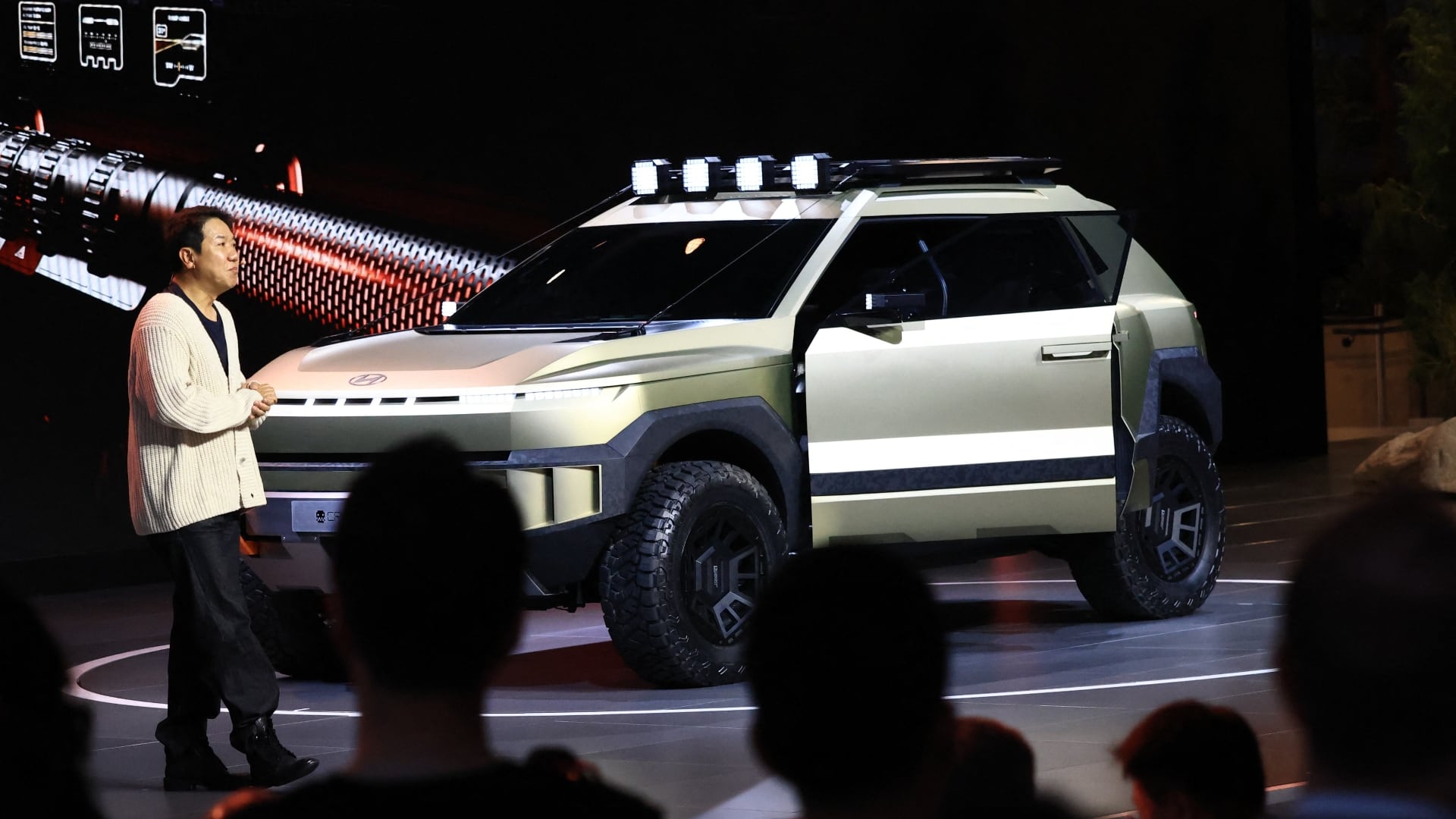
Martin Fischer, president of technology supplier for cars and commercial vehicles ZF North America, joined Cheddar to discuss the company's solutions for next-generation mobility in autonomous vehicles and its plans to usher in the next phase of electric vehicles. He also talked about the rising demand for self-driving technology on a global scale. "Whereas we are really active also there for passenger cars and commercial vehicles, what we showcase at CES now virtually is our autonomous shuttles," he said. "So, what that means is we bring these vehicles to busy city centers and can take traffic levels down."
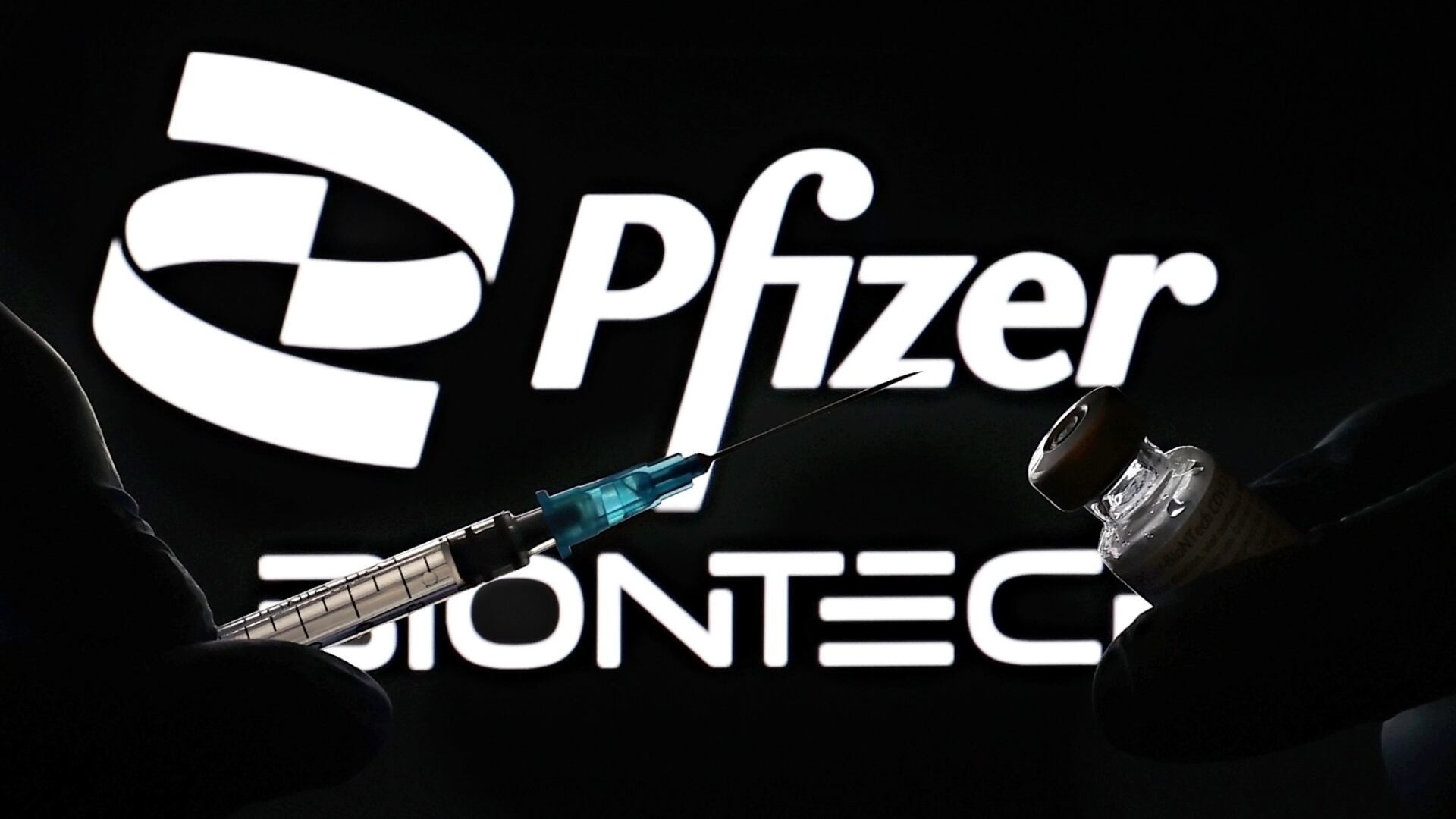
Pfizer and BioNTech are working to develop an mRNA-based shingles vaccine following the success of the COVID-19 shot. This latest collaboration will mark the third time the pharmaceutical companies have worked together on a vaccine.
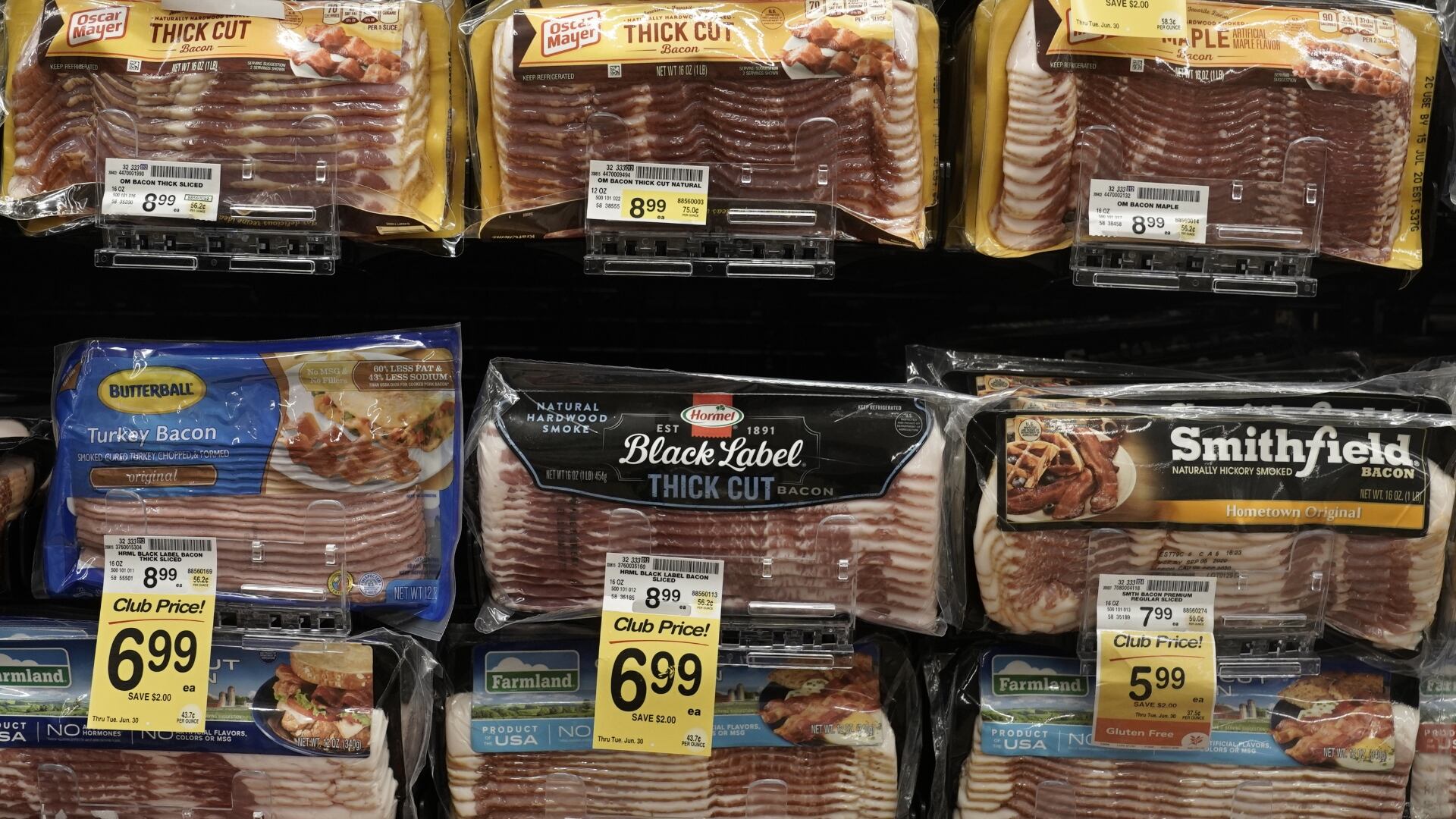
On Monday, President Biden announced his new plan to take on inflation by taking down the big meat monopolies - turning to the federal government's antitrust authorities to investigate the major meatpackers that control a significant share of the market. The White House plans to devote one billion dollars to aiding independent meat and poultry producers in an effort to undercut the few powerful meat producers that have control of the sector. Austin Frerick, deputy director of Thurman Arnold Project at Yale, joins Cheddar News to discuss.
Flight cancellations remain high nearly two weeks after the Christmas holiday, with more than 1,400 counted on Tuesday. Carriers are facing a number of factors including staff shortages linked to COVID-19 spread as well as inclement weather.