*By Michael Teich*
Amazon inked a new partnership with American Express, but don't expect the financial industry to be the next area the tech giant jumps into.
"The thing that people misunderstand is that tech companies don't want to manufacture financial products," said Lex Sokolin, Global Director of Fintech Strategy at Autonomous Research. "It's about making the ecosystem and the platform more powerful, and finance is just a feature inside of that."
American Express announced Tuesday it will launch a co-branded Amazon credit card for small businesses. The move accelerates Amazon's foray into financial products and strengthens its position as a lender. The goal, Sokolin said, is to enable small businesses to finance their activities, getting more products on Amazon's platform, and ultimately driving more commerce.
Plus, the opportunity costs of devoting itself to the financial industry are too high.
"Amazon has tremendous high-growth, super interesting, blue oceans to explore,” he said. "They could be investing in building a mortgage business, or they can build artificial intelligence business."
For the full segment, [click here.](https://cheddar.com/videos/amazon-bolsters-financial-prowess-with-new-credit-card)
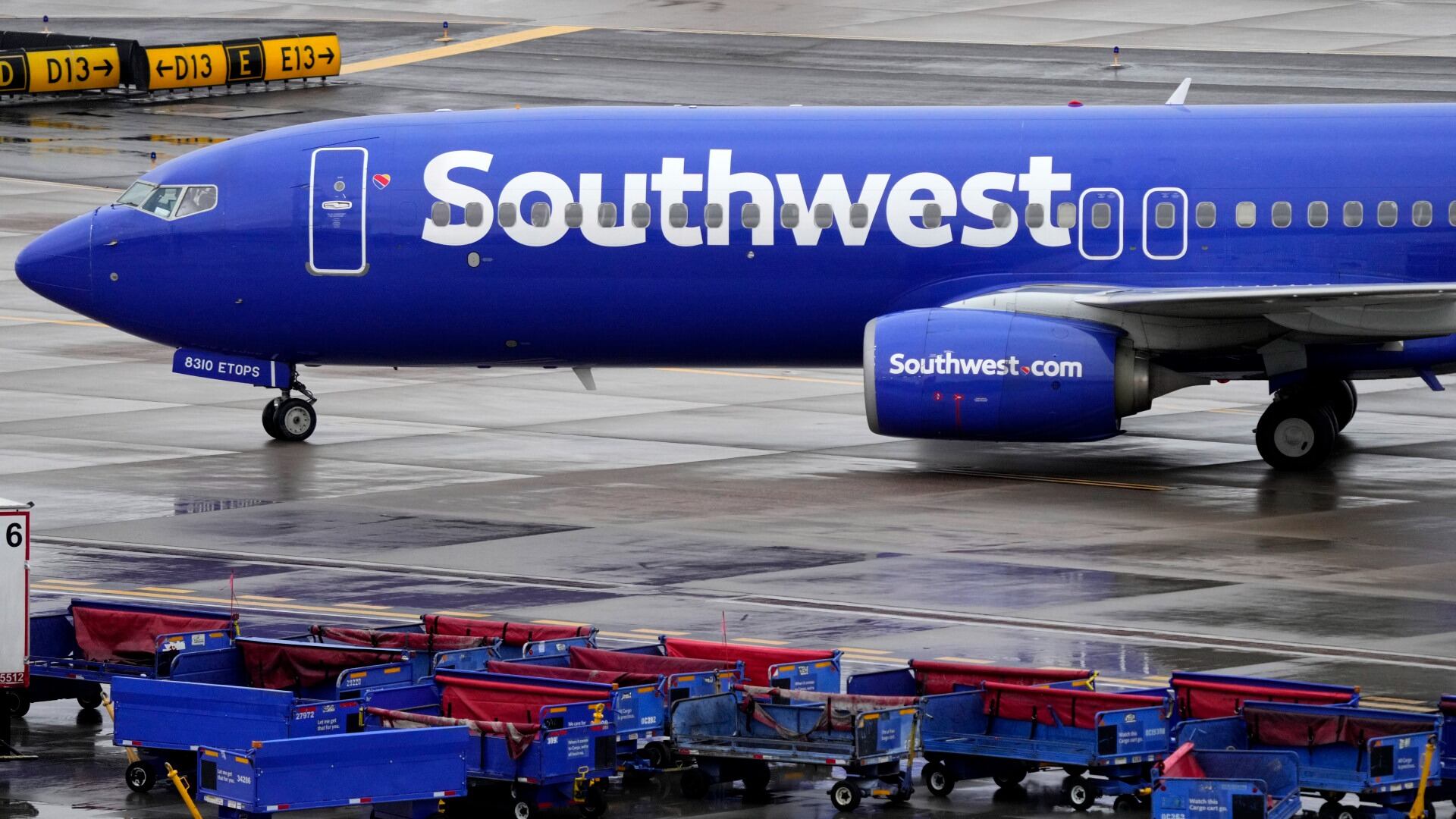
Southwest Airlines Co. has announced the return of its "Companion Pass" offer, which allows the airline's "Rapid Rewards" members to designate a companion who can travel with them for free between August 15 and September 30.
German carmaker Volkswagen said it plans to introduce 25 new electric vehicle models through 2030. As that roll out begins in earnest, Pablo Di Si, president and CEO of Volkswagen Group of America, provided Cheddar News with a breakdown of what consumers can expect from the line-up.
The market for rental apartment buildings is tumbling at its fastest-rate since 2009 in the wake of the Great Financial Crisis, according to a Washington Post report.
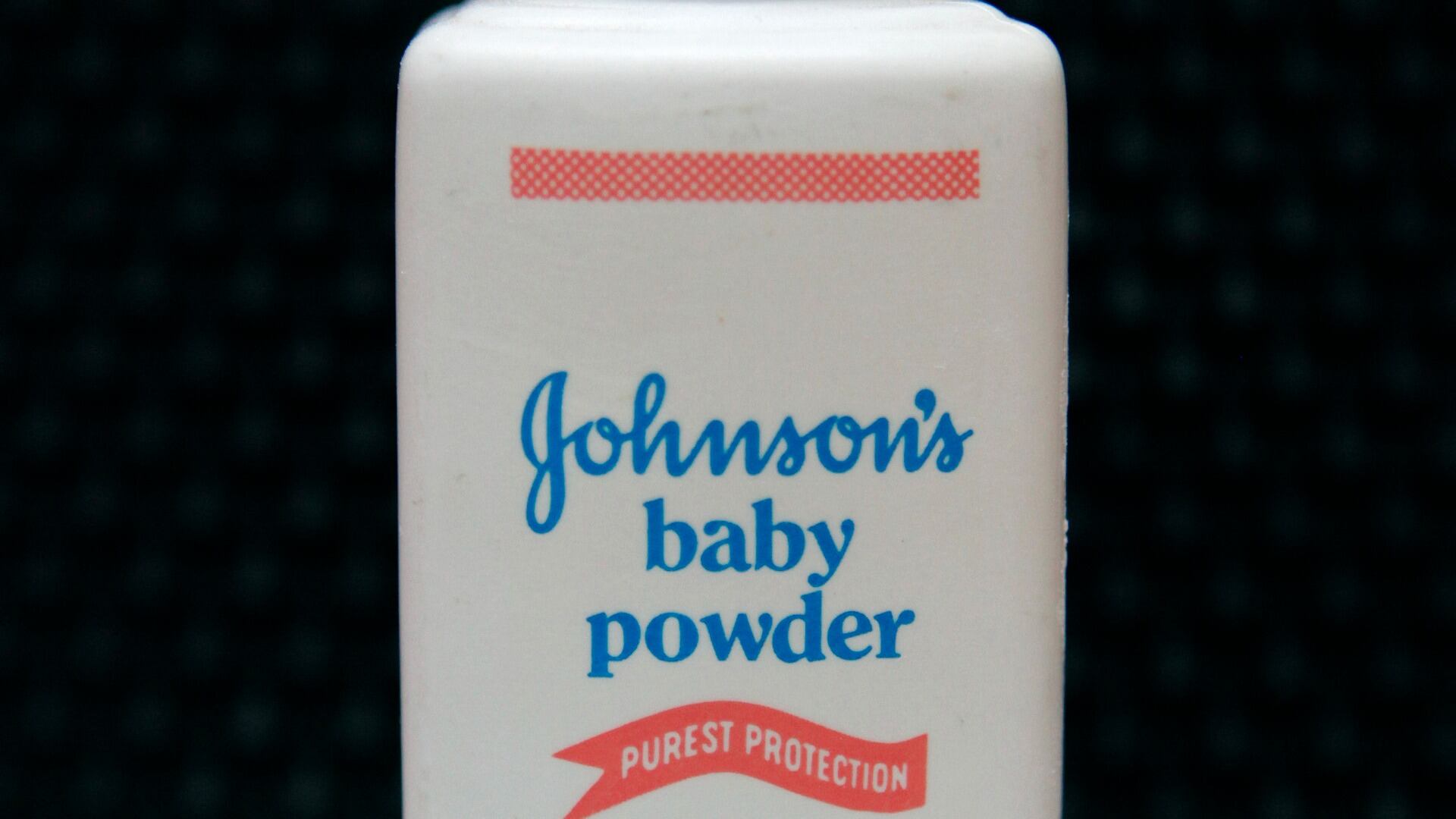
Johnson & Johnson is earmarking nearly $9 billion to cover allegations that its baby power containing talc caused cancer, more than quadrupling the amount that the company had previously set aside to pay for its potential liability.