*By Michael Teich*
Amazon inked a new partnership with American Express, but don't expect the financial industry to be the next area the tech giant jumps into.
"The thing that people misunderstand is that tech companies don't want to manufacture financial products," said Lex Sokolin, Global Director of Fintech Strategy at Autonomous Research. "It's about making the ecosystem and the platform more powerful, and finance is just a feature inside of that."
American Express announced Tuesday it will launch a co-branded Amazon credit card for small businesses. The move accelerates Amazon's foray into financial products and strengthens its position as a lender. The goal, Sokolin said, is to enable small businesses to finance their activities, getting more products on Amazon's platform, and ultimately driving more commerce.
Plus, the opportunity costs of devoting itself to the financial industry are too high.
"Amazon has tremendous high-growth, super interesting, blue oceans to explore,” he said. "They could be investing in building a mortgage business, or they can build artificial intelligence business."
For the full segment, [click here.](https://cheddar.com/videos/amazon-bolsters-financial-prowess-with-new-credit-card)
Cheddar News' Courtney Sturgeon reports from the Cboe floor with Alan Knuckman, Chief Market Strategist at Bulls Eye Option, to discuss strategies for options traders ahead of a busy trading week amid earnings, the FOMC meeting, and more.
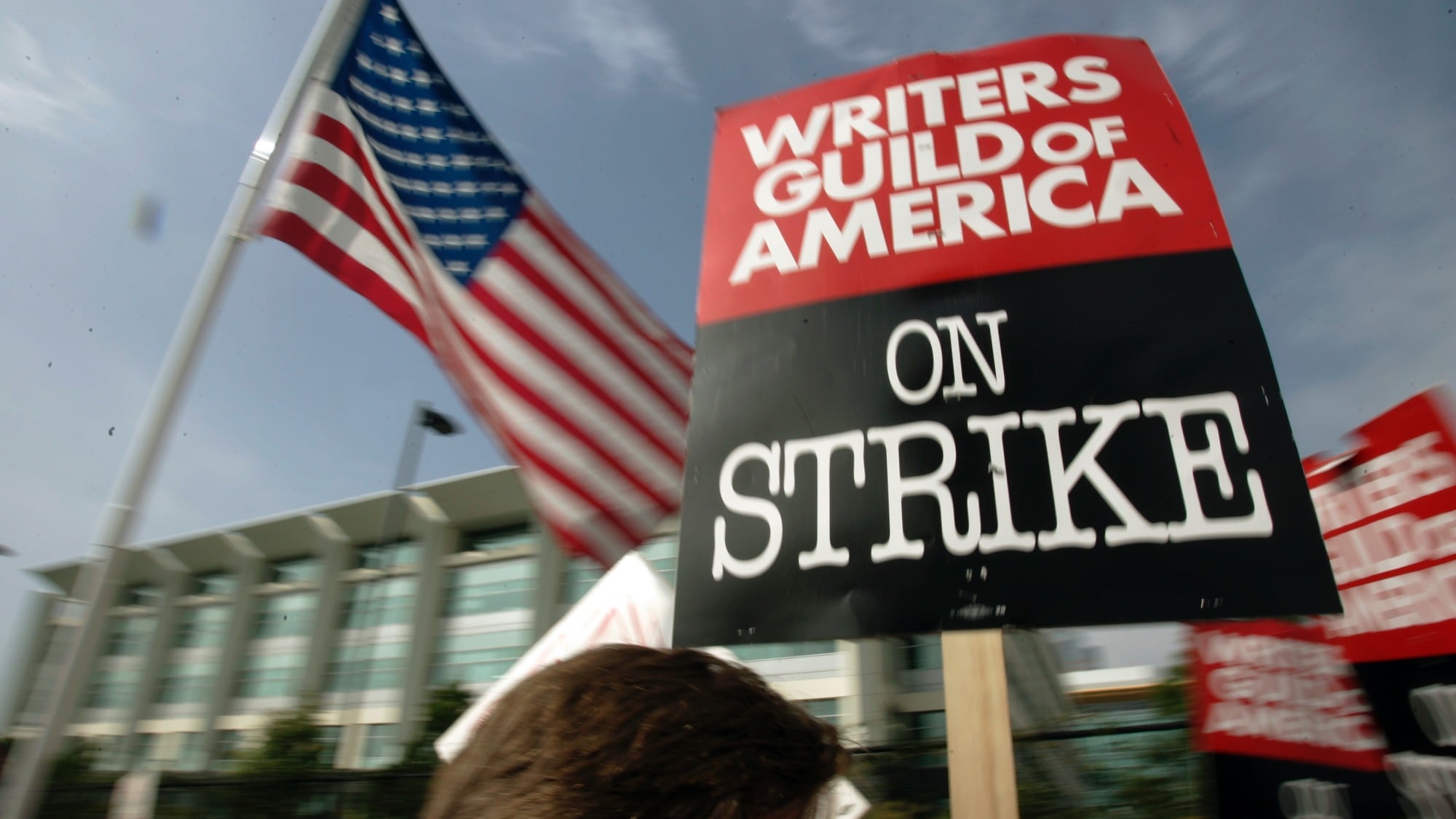
On Tuesday, the Writer’s Guild of America (WGA) kicked off its first strike in 16 years. Cheddar News' field reporter Ashley Mastronardi spoke with some of those picketing writers who said streaming giants need to catch up with the times and offer a higher wage and a bigger cut of residuals.
Airbnb is making a renewed push into renting single rooms in a nod to its beginnings and a realization that renting an entire house is too expensive for many travelers, especially younger ones.
Poised to raise interest rates Wednesday for a 10th time, Federal Reserve officials are facing two competing economic trends that could make their future rate decisions more difficult and treacherous.