Why Sun Basket Is More Like Stitch Fix Than Blue Apron
The troubles Blue Apron's faced since going public last year has raised one big question for other meal-kit delivery start-ups in the ever-more-crowded space: what makes you stand out?
But Sun Basket's CEO doesn't think that question applies to his company.
“For us, it’s a fundamentally very different business,” Adam Zbar told Cheddar.
While Sun Basket does deliver packaged, pre-portioned meal-prep kits, it specializes on specific diets from Paleo to Mediterranean to gluten-free. Zbar says that gives his customers a more curated experience, more akin [Stitch Fix](https://cheddar.com/videos/how-stitch-fix-navigated-a-male-dominated-vc-landscape), the online styling subscription service.
Grocery shopping is harder for people sticking to strict diets than it is for those who don't have restrictions, explained Zbar. He says the convenience provided by Sun Basket makes it less likely customers abandon their subscriptions.
“Our retention rates are much higher than other players in the field, and the reason why is that we focused on a need.”
The company’s business model seems to resonate with investors too. Earlier this year, Sun Basket raised another [$57.8 million](https://www.prnewswire.com/news-releases/sun-basket-raises-578-million-in-new-funding-led-by-august-capital-300588291.html) in funding.
For full interview, [click here](https://cheddar.com/videos/healthy-cooking-made-easy).
Tyson Foods is eliminating about 10 percent of corporate jobs and 15 percent senior leadership positions, according to a memo obtained by Reuters. The cuts are just the latest attempt to trim costs amid falling profits.
Verizon is taking steps to speed up its 5G network in rural areas. The company said it plans to extend its C-band 5G network across a larger suburban and rural footprint, meaning faster speeds for customers in those areas.
Facebook parent company Meta's first-quarter results surpassed Wall Street's modest expectations on both profit and revenue, sending its stock soaring in after-hours trading.
Another automaker is trying to cut its workforce to trim expenses and stay competitive as the industry makes the long and costly transition to electric vehicles.
The U.S. economy slowed sharply from January through March, decelerating to just a 1.1% annual pace as higher interest rates hammered the housing market and businesses reduced their inventories.
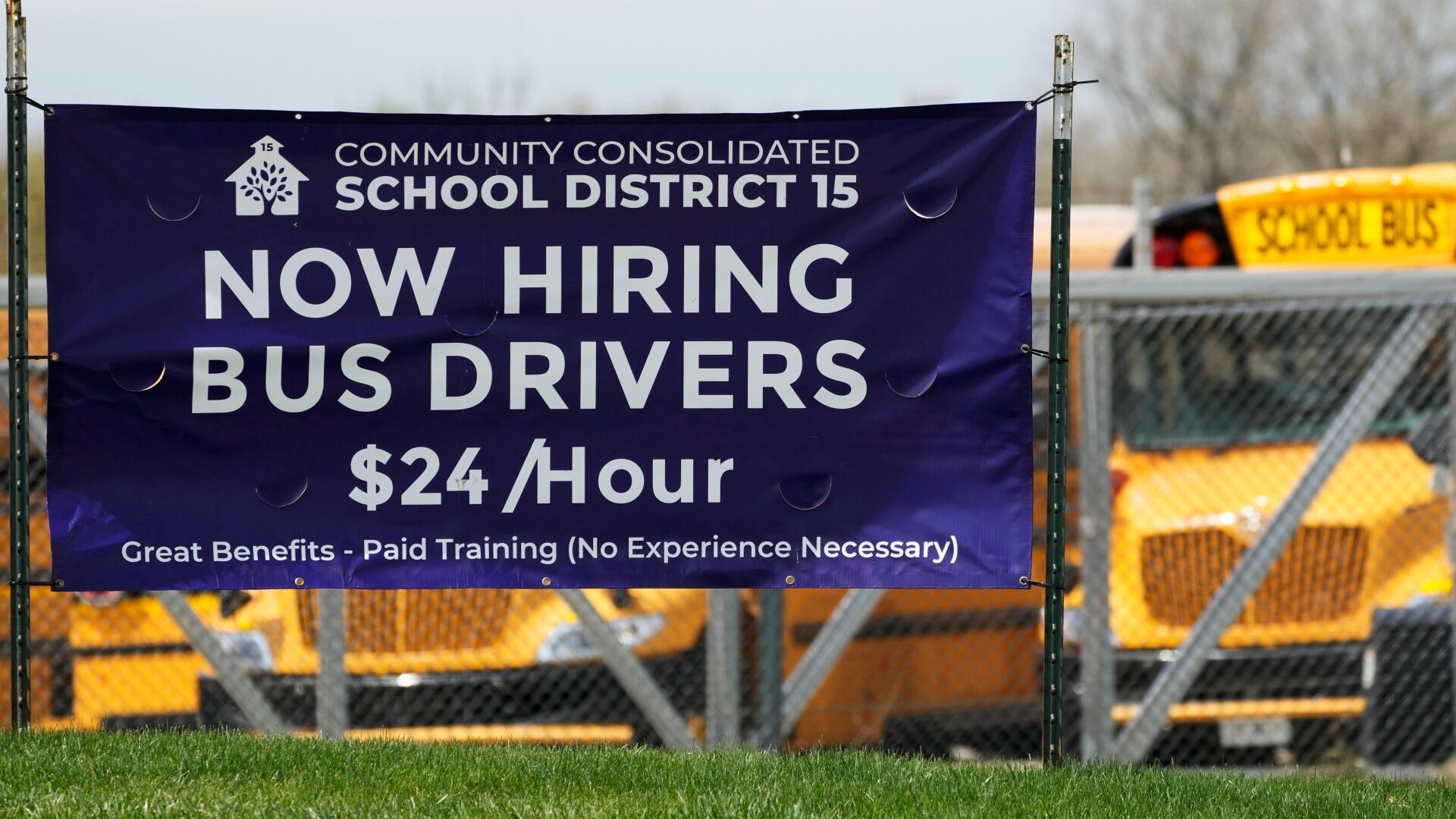
Applications for unemployment benefits in the U.S. fell last week as the labor market continues to show strength despite some weakness in other parts of the economy.