Why Sun Basket Is More Like Stitch Fix Than Blue Apron
The troubles Blue Apron's faced since going public last year has raised one big question for other meal-kit delivery start-ups in the ever-more-crowded space: what makes you stand out?
But Sun Basket's CEO doesn't think that question applies to his company.
“For us, it’s a fundamentally very different business,” Adam Zbar told Cheddar.
While Sun Basket does deliver packaged, pre-portioned meal-prep kits, it specializes on specific diets from Paleo to Mediterranean to gluten-free. Zbar says that gives his customers a more curated experience, more akin [Stitch Fix](https://cheddar.com/videos/how-stitch-fix-navigated-a-male-dominated-vc-landscape), the online styling subscription service.
Grocery shopping is harder for people sticking to strict diets than it is for those who don't have restrictions, explained Zbar. He says the convenience provided by Sun Basket makes it less likely customers abandon their subscriptions.
“Our retention rates are much higher than other players in the field, and the reason why is that we focused on a need.”
The company’s business model seems to resonate with investors too. Earlier this year, Sun Basket raised another [$57.8 million](https://www.prnewswire.com/news-releases/sun-basket-raises-578-million-in-new-funding-led-by-august-capital-300588291.html) in funding.
For full interview, [click here](https://cheddar.com/videos/healthy-cooking-made-easy).
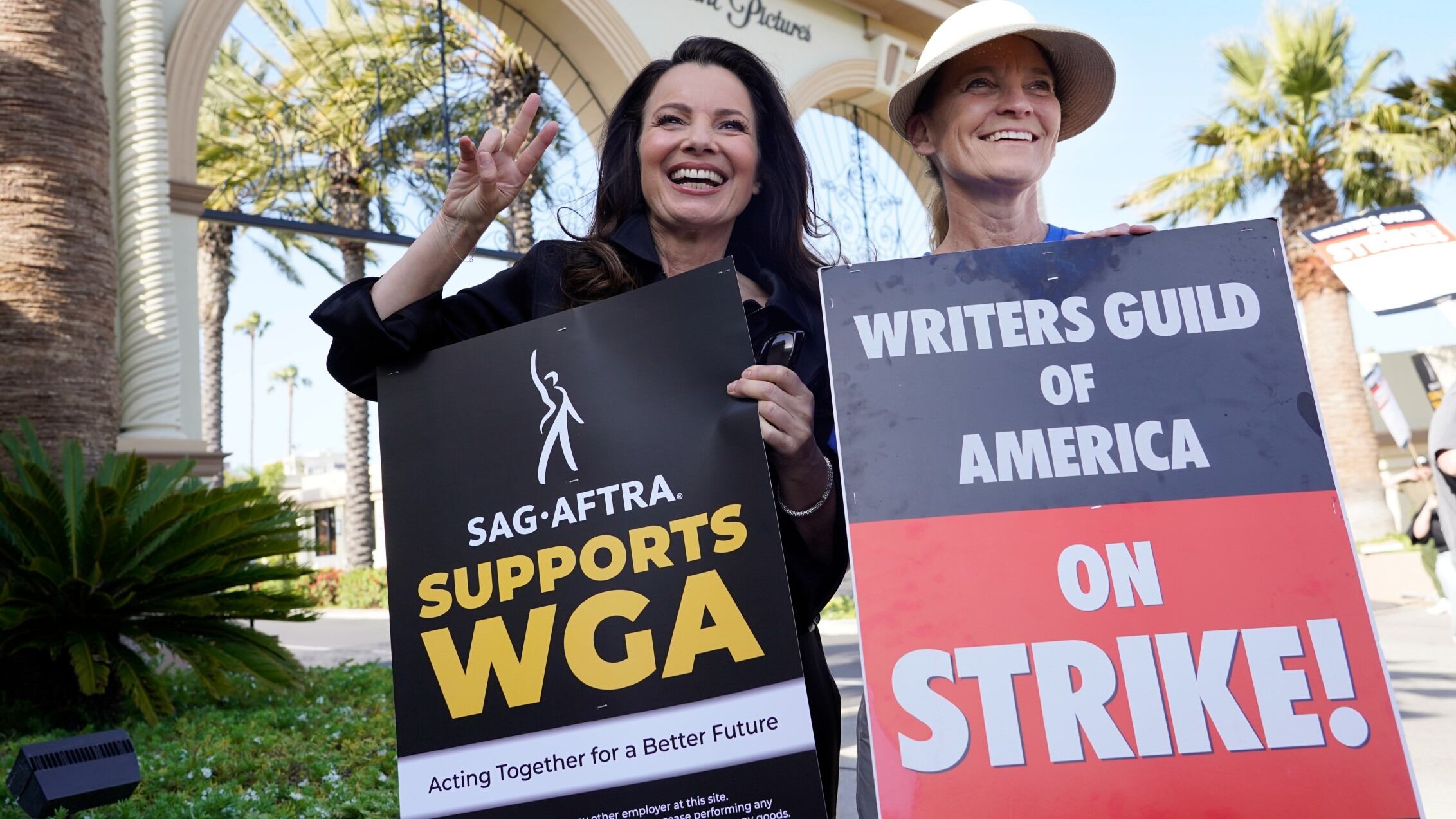
Unionized Hollywood actors on the verge of a strike have agreed to allow a last-minute intervention from federal mediators but say they doubt a deal will be reached by a negotiation deadline late Wednesday.
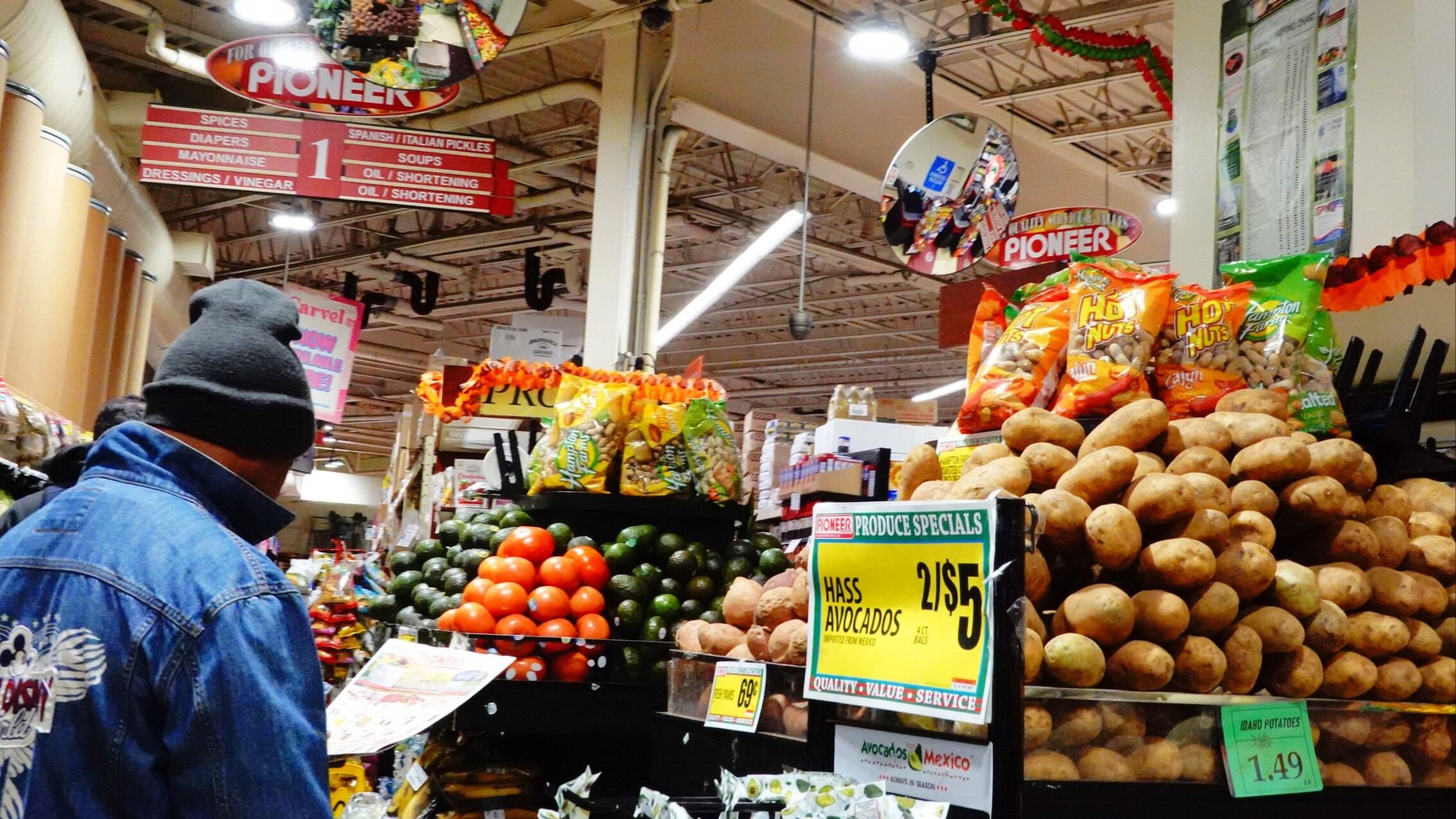
Squeezed by painfully high prices for two years, America’s households have gained some much-needed relief with inflation reaching its lowest point since early 2021 — 3% in June compared with a year earlier — thanks in part to easing prices for gasoline, airline fares, used cars and groceries.
A federal judge has handed Microsoft a major victory by declining to block its looming $69 billion takeover of video game company Activision Blizzard. Regulators sought to ax the deal saying it will hurt competition.
Bank of America will reimburse customers more than $100 million and pay $150 million in fines for “double-dipping” on overdraft fees, withholding reward bonuses on credit cards and opening accounts without customer consent.