It seems as though the legal battle between Stormy Daniels and President Donald Trump takes new twists and turns every day, playing out in headlines and on Twitter despite the non-disclosure agreement under dispute.
For former prosecutor Jonna Spilbor, all of this rests on an “unwinnable case” and may just be a publicity stunt.
“[In] simple contract law a deal is a deal,” Spilbor told Cheddar Friday.
“She got the money, she cashed the check, the deal is done...She cannot now go back and say ‘I want another deal.’ It doesn’t work that way.”
Daniels, the adult film star whose real name is Stephanie Clifford, allegedly had an affair with Trump back in 2006. During the 2016 presidential campaign, the then-candidate’s lawyer Michael Cohen, paid Daniels $130,000 in exchange for her silence.
Earlier this month, in an attempt to invalidate an attached non-disclosure agreement, Daniels filed a lawsuit claiming that deal with Cohen was null and void because Trump never signed it.
She sat down with CBS’s “60 Minutes” to tell her side of the story at the beginning of March. The interview will air next week.
For the full interview, click [here](https://cheddar.com/videos/stormy-daniels-case-against-trump).
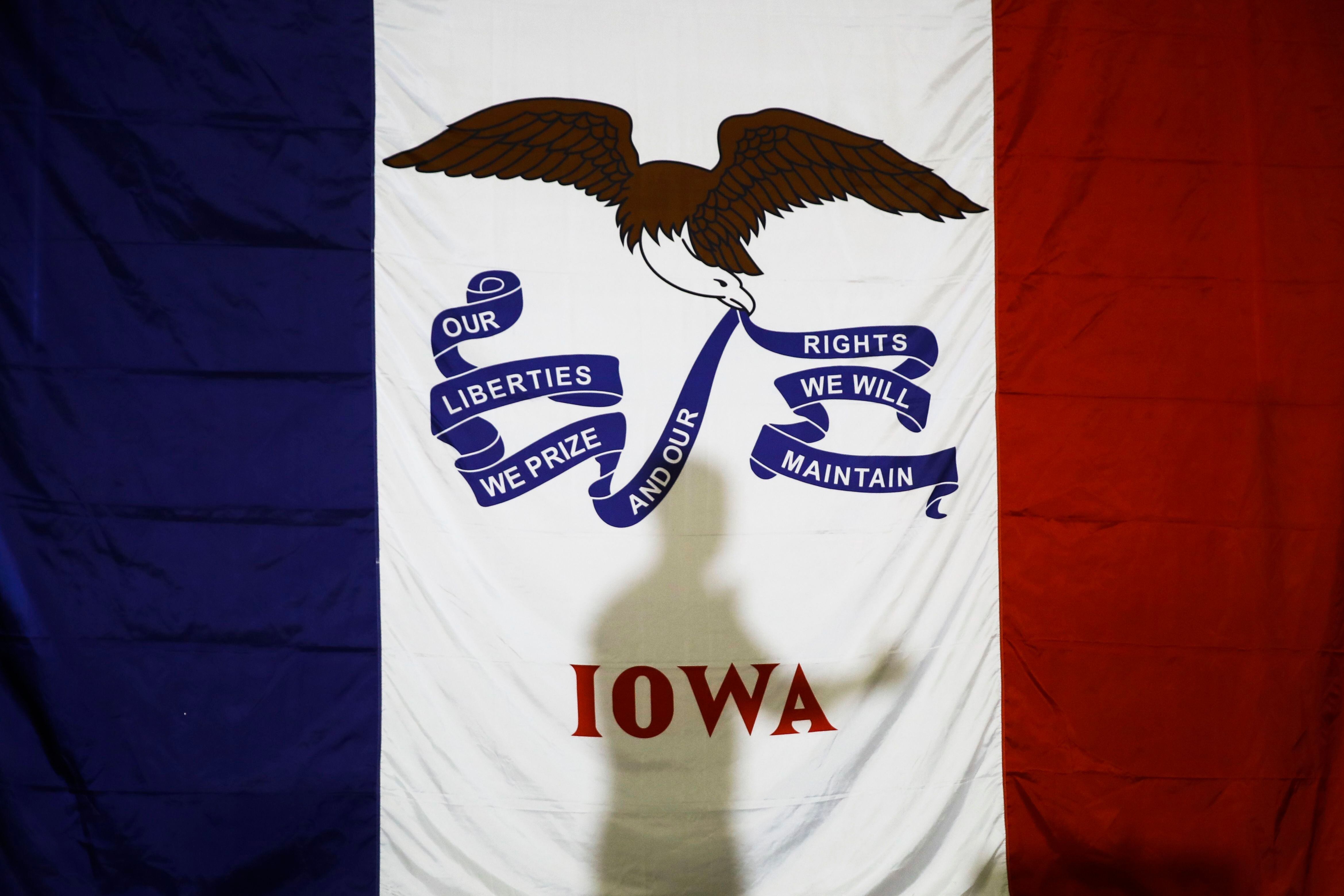
Since the 1970s, Iowa has been the home of the first caucus, but it hasn't always selected the eventual nominees for each political party.
These are the headlines you Need 2 Know for Monday, February 3, 2020.
The Senate approved a resolution that will allow a final impeachment vote on Wednesday, after both the Iowa caucuses and the State of the Union address.
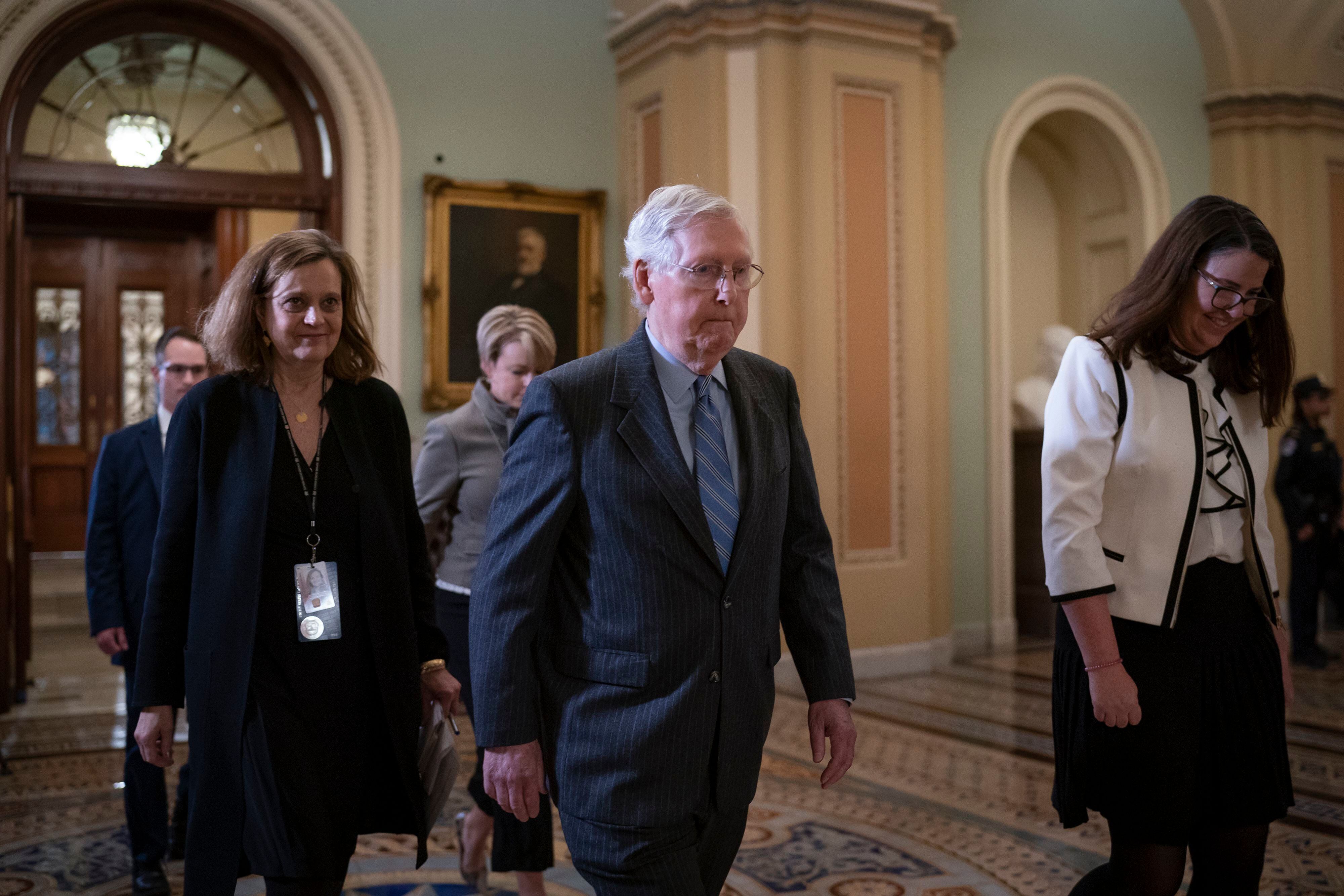
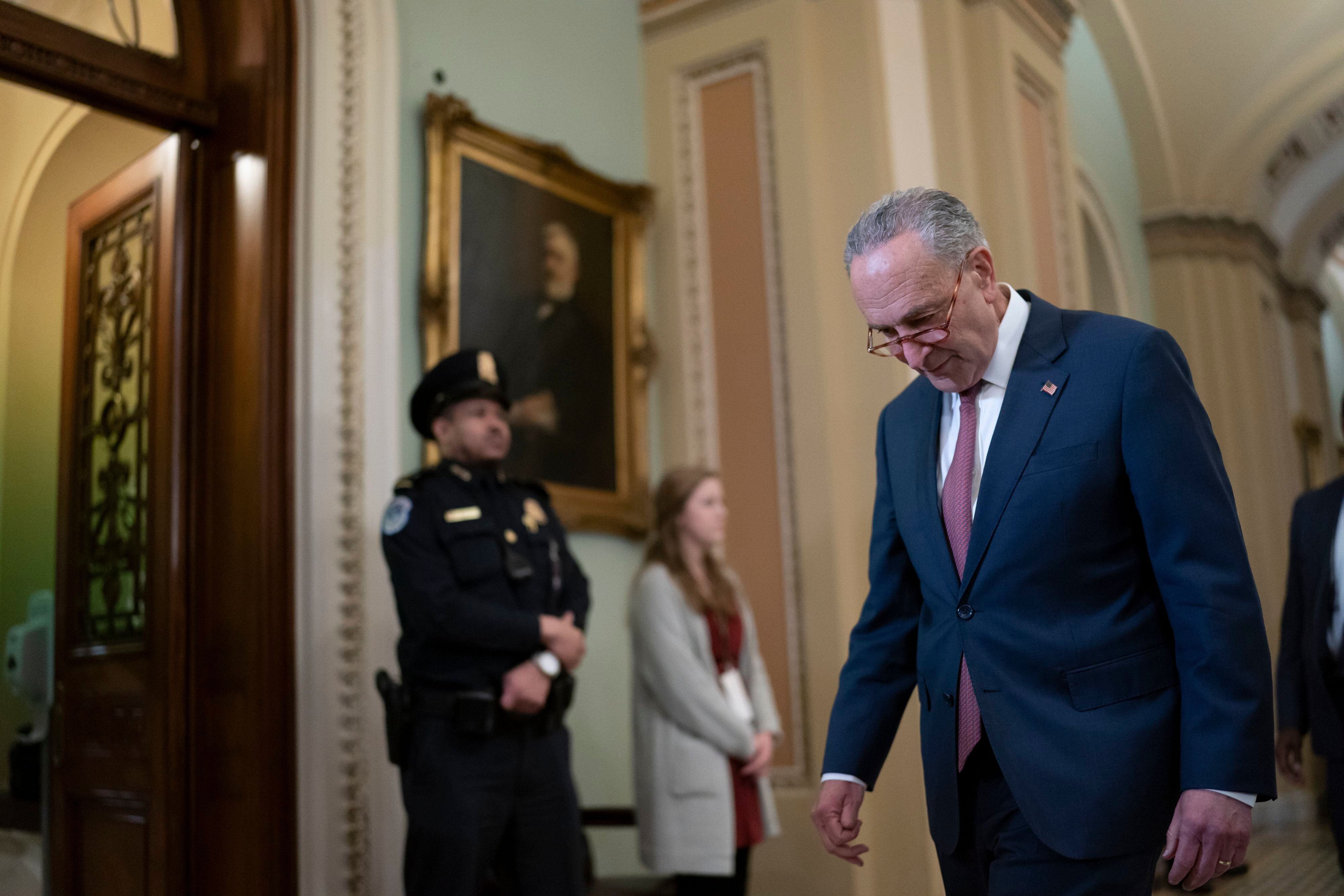
Senators voted against calling more witnesses today, after Senator Mitch McConnell called a quorum call, during which McConnell and his Democratic counterpart Chuck Schumer were seen huddling on the floor of the senate, likely discussing how to proceed.
Senators will get four hours of debate Friday before voting on whether to call witnesses and introduce documents — a vote expected to fail.
These are the headlines you Need 2 Know for Friday, January 31, 2020.
While the sitting president faces charges of abuse of power and obstruction of Congress, his two predecessors are also facing a reckoning in the Guantánamo Bay military tribunal. President Trump’s Senate impeachment trial and the Guantánamo Bay tribunal both hinge in large part on the same unresolved issue: how much information can the executive withhold in the name of national security?
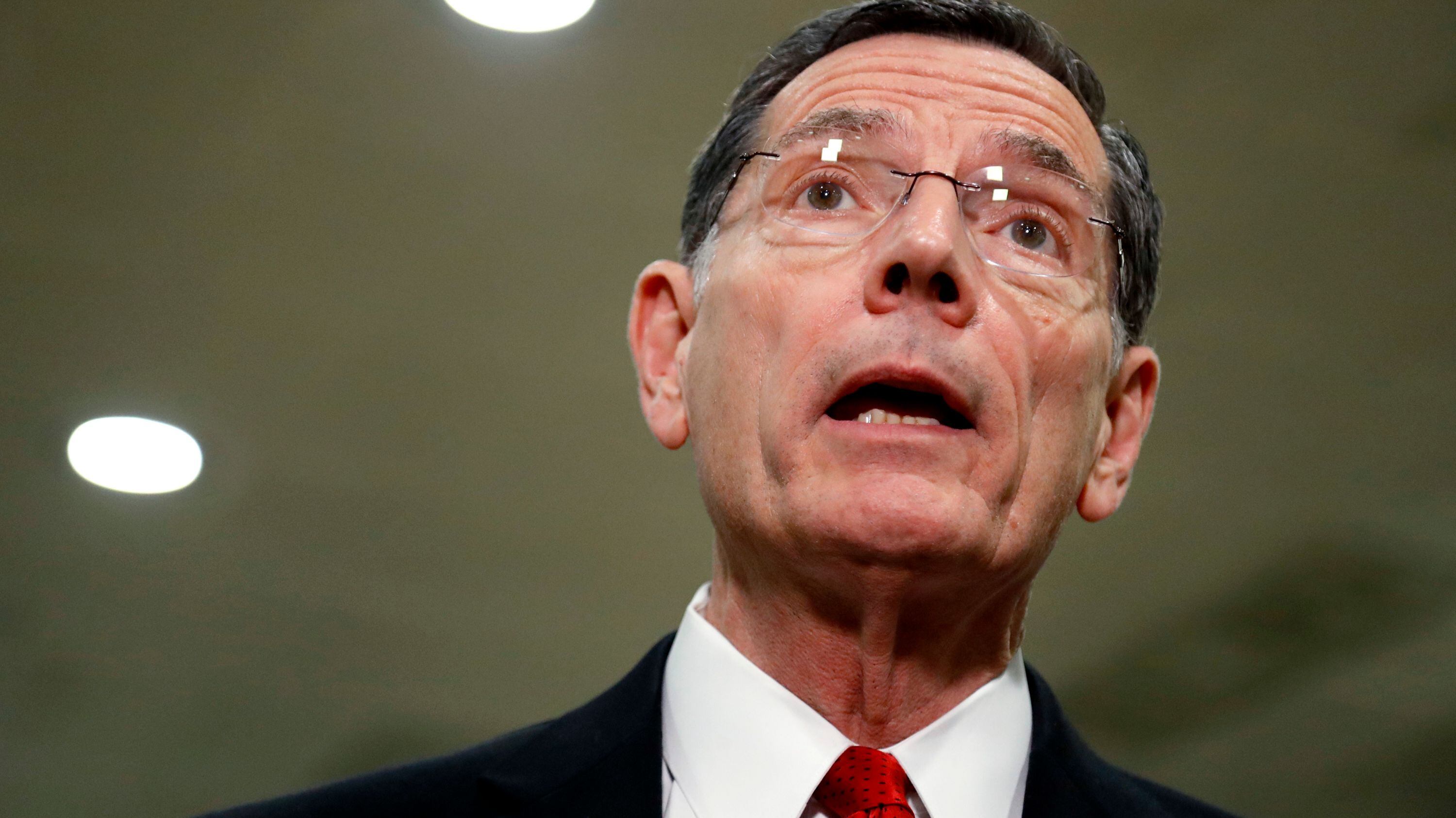
Senator John Barrasso (R-Wyo.) told reporters during the break that Republicans have the ”momentum” to move to end the trial tomorrow without witnesses.
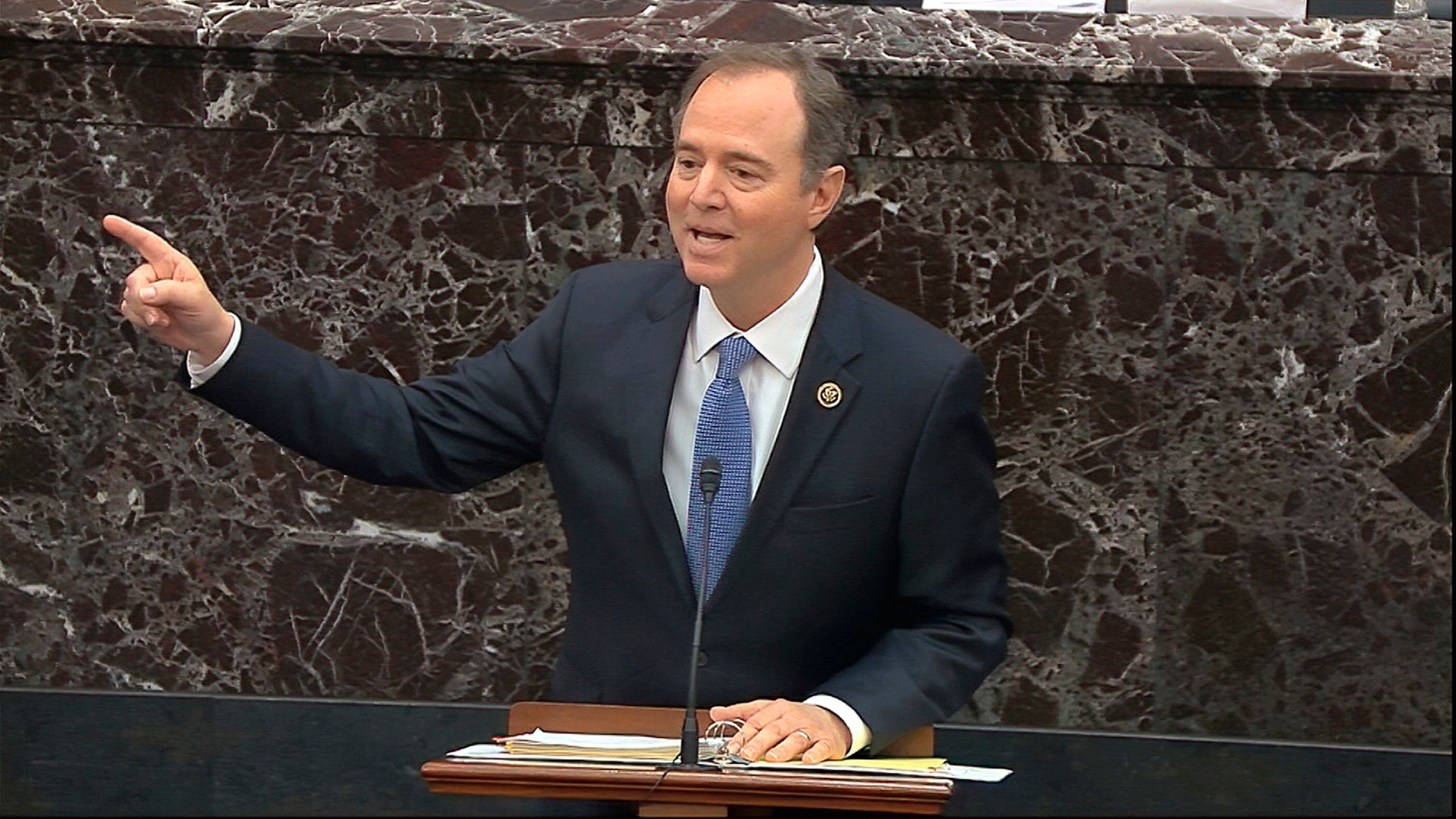
Lead House Manager Adam Schiff in Trump's impeachment trial brought a little incredulous humor into the proceedings when he pointed out the Justice Department's contradictory position on subpoenas being presented in federal court on the same day.
The Committee met twice last week but held off making the designation that allows the organization to ramp up the international response to the coronavirus.