Why Ripple Embraces Regulations in the Crypto Space
The prospect of increased regulations may have the crypto world reeling, but one Ripple exec says he welcomes any changes.
“There are definitely fraudulent campaigns and projects out there that are trying to take advantage of investor interest in this category,” managing director Danny Aranda told Cheddar.
“Having regulatory clarity for entrepreneurs is a very, very good thing. It gives you a clear state of play, let’s you know what the rules are.”
His comments echo the concerns prompting intensified scrutiny of the space.
Google this week said it will ban ads for cryptocurrencies and other unregulated financial products starting in June in an attempt to combat potential scams. Facebook made a similar decision earlier this year.
But Aranda isn’t worried. He said during Thursday’s interview that, whether controls come from regulators or social media platforms, new rules only help the industry.
“Over the long term, what you’ll see is greater regulatory clarity in the space,” he said. “You’ll see greater acceptance about best practices.
“The markets will become more educated about what are good projects, and that would make everyone more comfortable in the underlying value of these things.”
Activision Blizzard on Thursday released its first annual report on diversity and inclusion, and the results showed that the company has a long way to go before hitting its goals.
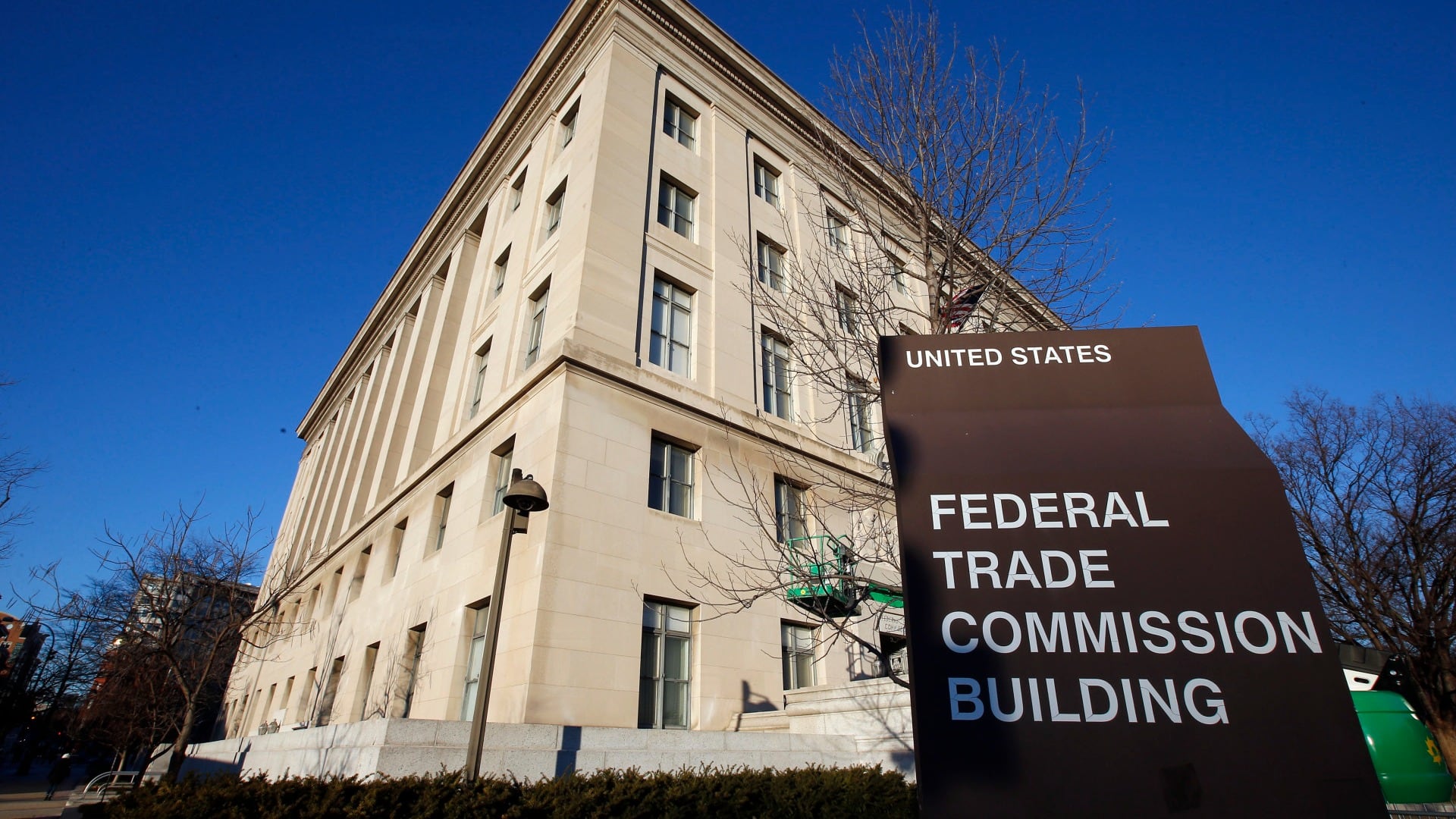
The Federal Trade Commission (FTC) has proposed a new rule that would make it easier for consumers to cancel free subscriptions. The so-called "click to cancel" provision requires sellers to make it as easy for users to cancel subscriptions as it was to subscribe.
Ford's business will gradually transition from its internal combustion vehicles to battery electric vehicles, but combustion vehicles will continue to grow for the next few years, CFO John Lawler told Cheddar News.
The U.S. Department of Health and Human Services has released a plan to overhaul the nation's organ transplant system, which has long been plagued by sometimes lethal delays and IT failures.
Web browser Mozilla is investing $30 million into launching a startup, called Mozilla.ai, focused on building a "trustworthy, independent, and open-source AI ecosystem."