Workforce information company Glassdoor released its annual Employees' Choice Awards, highlighting the best places to work, and the highest-rated CEOs. This year, Facebook three-peated, snagging the top spot yet again for 2018. The company has managed to rank in the top five since 2011.
Glassdoor CEO Robert Hohman says the award methodology is quantitative.. The company determines the winner based on employee feedback over the last year, through company reviews and ratings. Facebook employees, in particular, rave about their work’s impact, and the transparent work culture.
“People talk about the fact that their work gets to impact 2 billion people around the planet,” Hohman said. “There’s only a couple of companies in the world that can say that. You’re talking Facebook, you’re talking Google, that’s about it.”
Facebook competed against companies such as management consulting company Bain & Company, Boston Consulting Group, In-and-Out Burger, and Google, which respectively rounded out the top five. The executive says that individuals are seeking a work environment that combines business and purpose.
It's Friday at long last. Jill and Carlo cover the latest on Omicron, including a possible superspreader event in NYC. Plus, previewing the November jobs report, a new Zoom feature no one asked for, and when it's no longer a good idea to eat Thanksgiving leftovers.
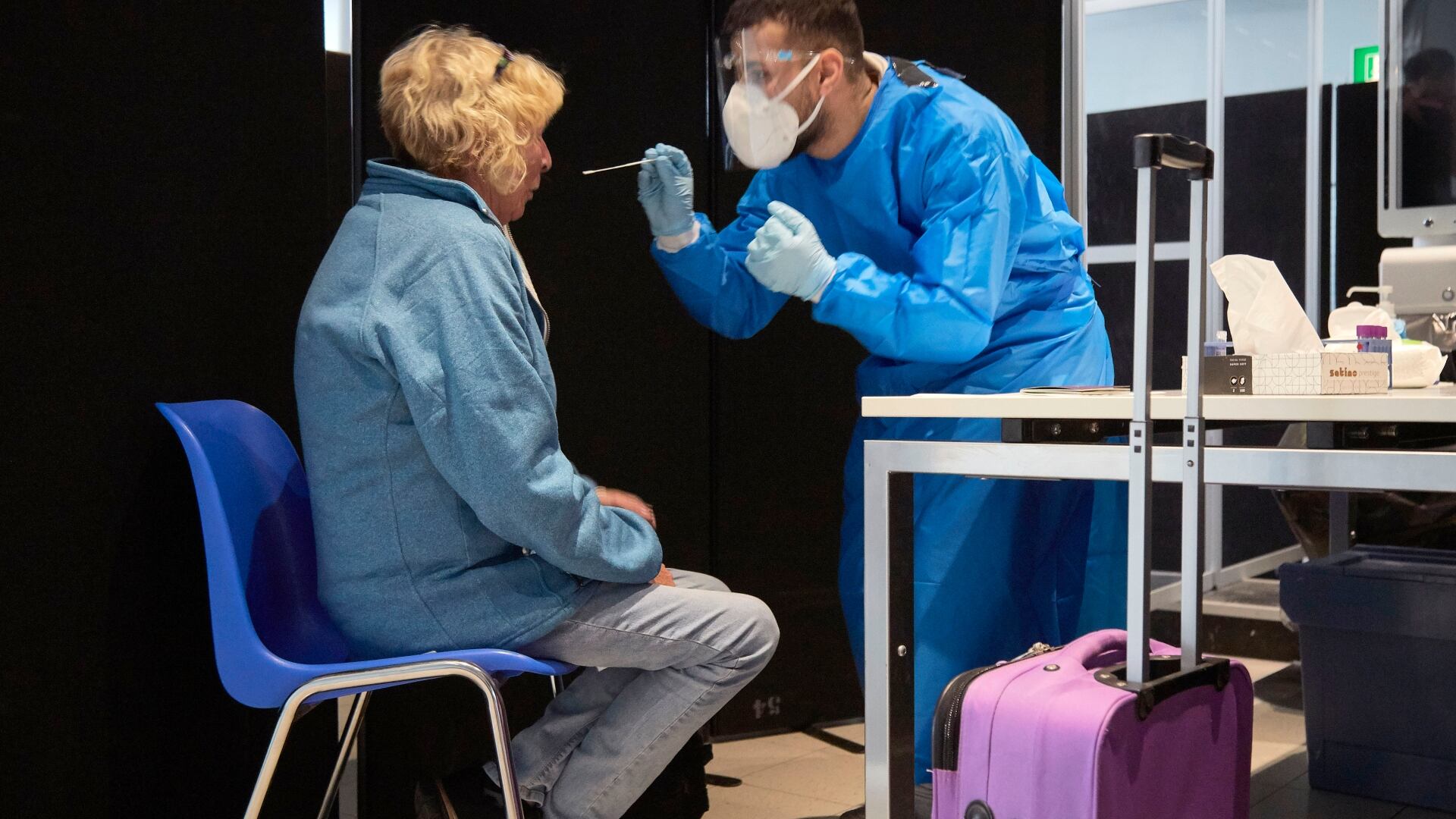
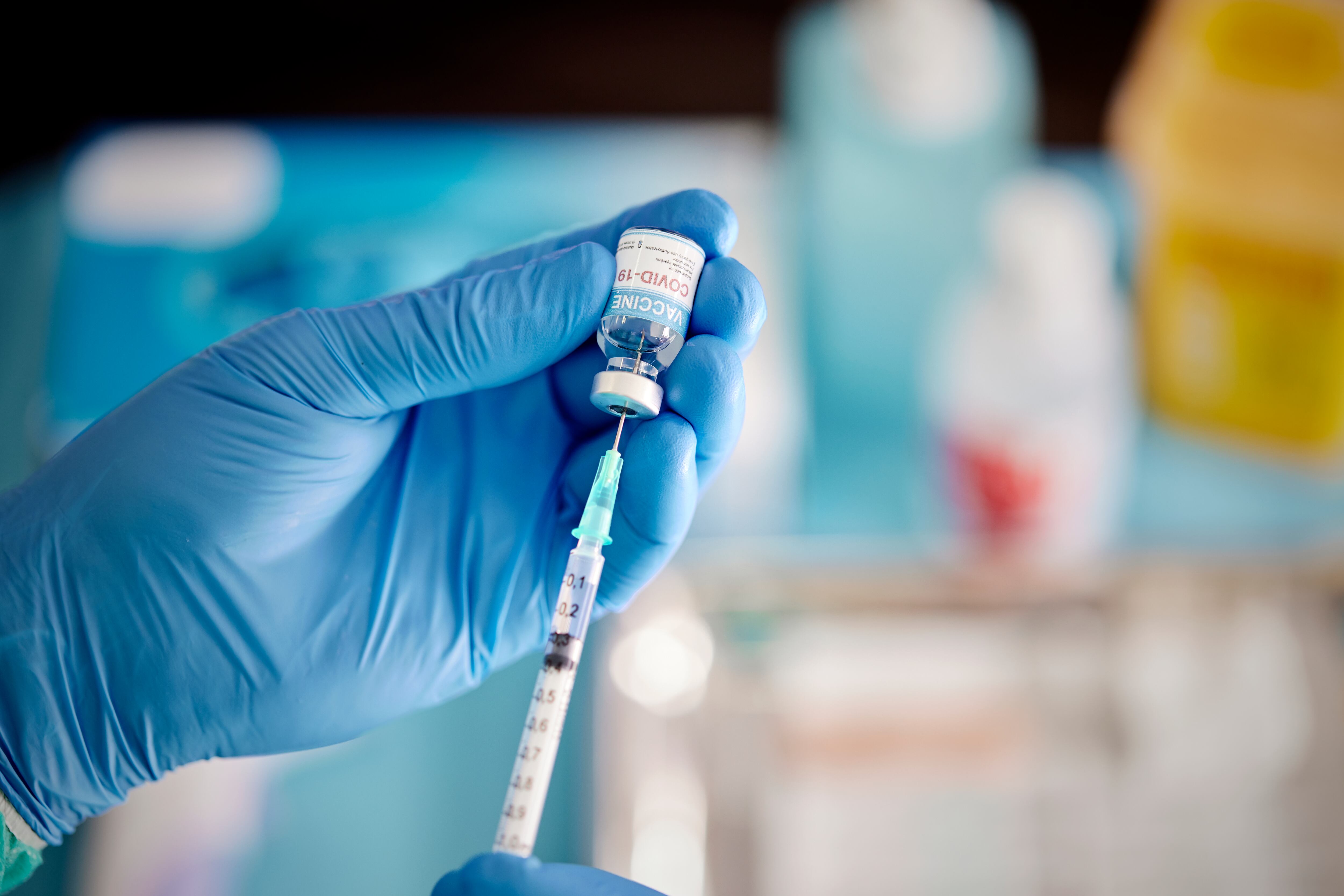
Three cases of the new omicron COVID-19 variant have been confirmed in the U.S. Cheddar speaks with global infection disease specialist Dr. Rajeev Fernando on how to prepare for a possible new coronavirus wave.
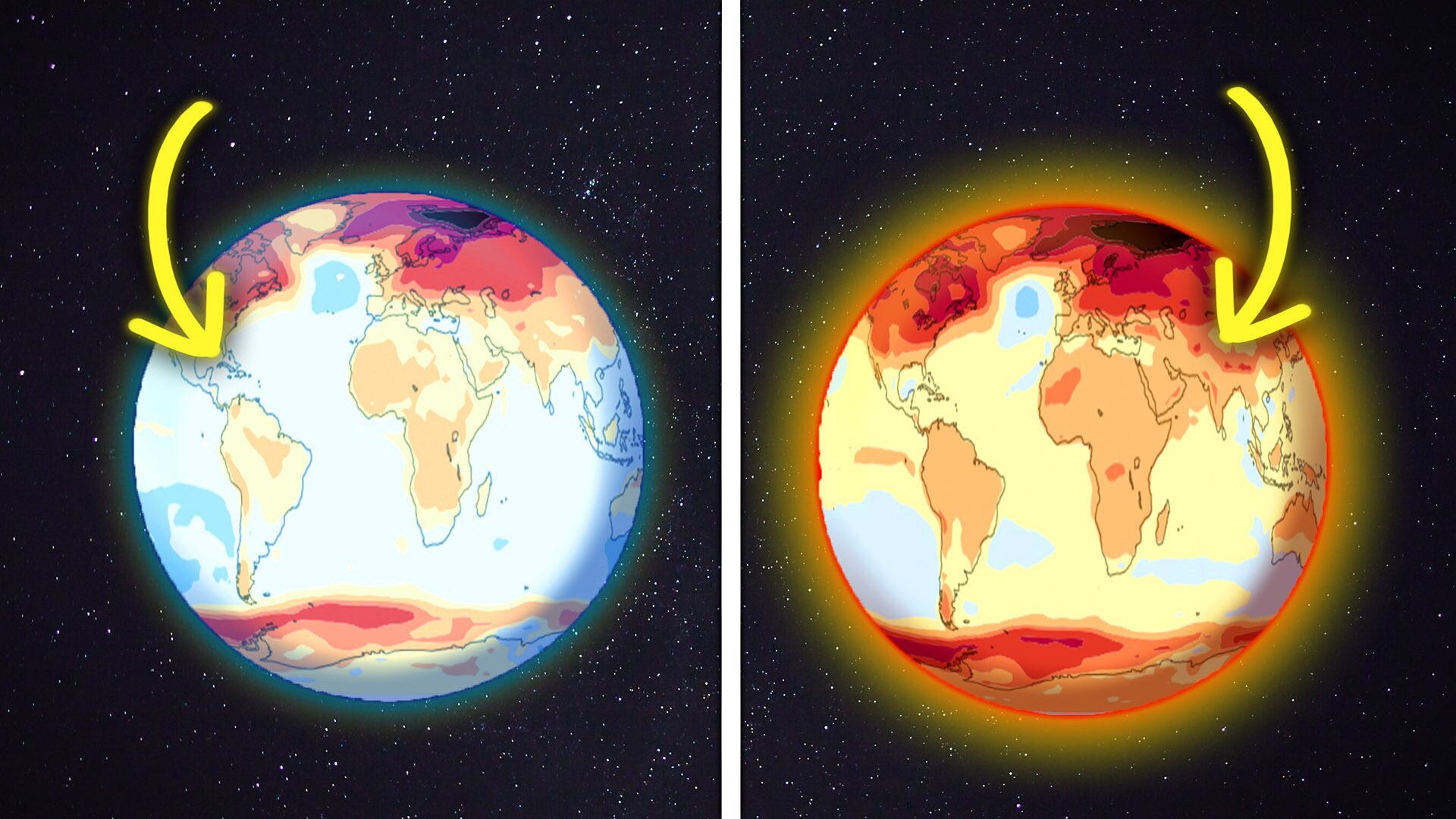
In 2015, 193 parties signed the Paris Agreement. In doing so, they agreed to pursue efforts to limit the average global temperature increase to 1.5° Celsius - or 2.7 degrees Fahrenheit -above pre-industrial levels. To be clear, our planet is already 1.1 degrees hotter than it was 150 years ago. But most scientists agree that an increase of just .4 more degrees will drastically change the world. However, it would continue to be livable. Things do get murky, though, as the projections increase above that.
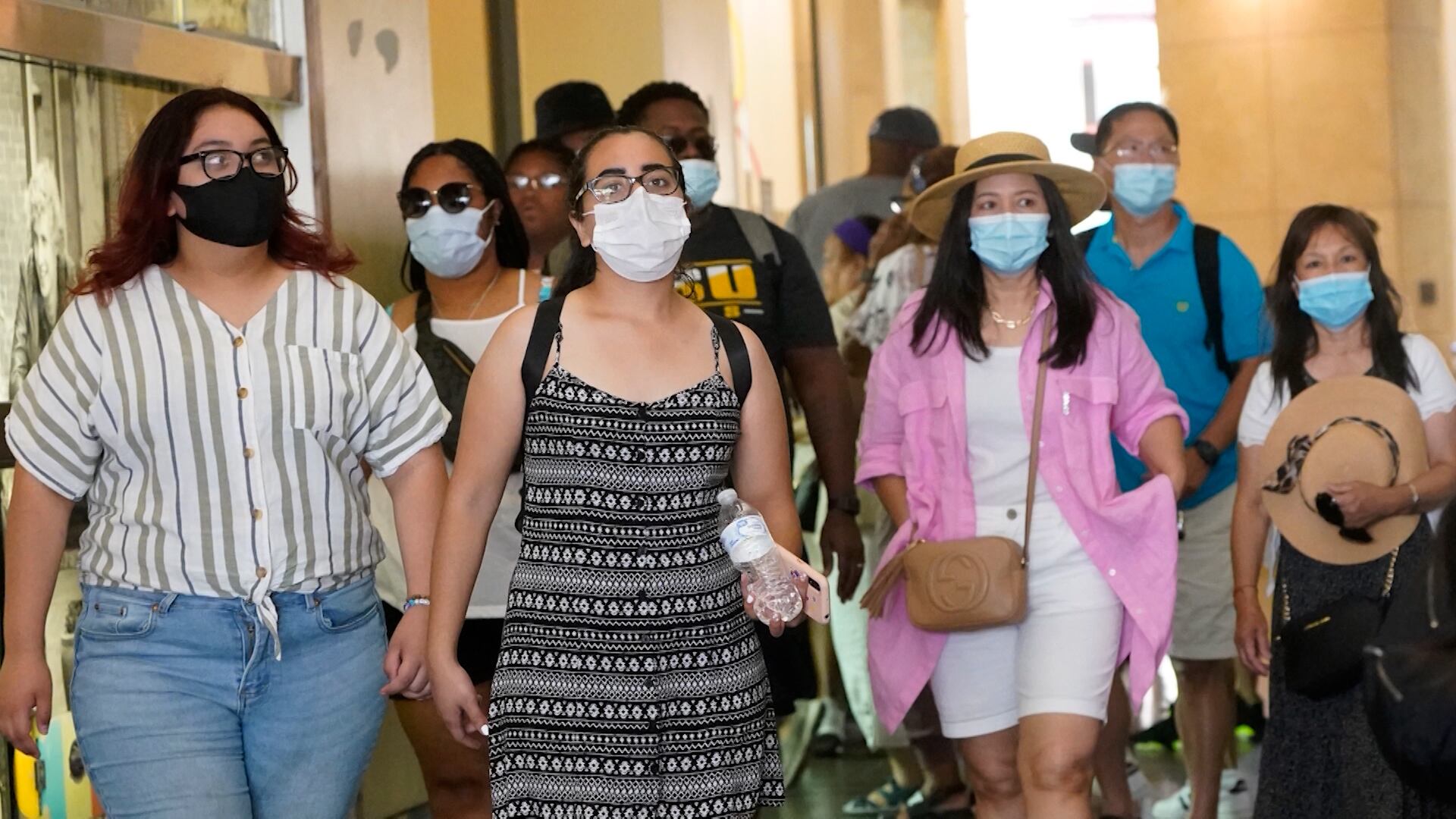
Dr. Jen Caudle, family physician and associate professor at Rowan University, joined Cheddar to break down how people can protect themselves and family amid the uncertainty of the new Omicron COVID-19 variant. Caudle emphasized the importance of getting vaccinated against COVID-19 with so much still uncertain about the pandemic. "We have to remember delta variant is still here in the United States," she said. "We're still losing too many people every single day to this virus."
Jill and Carlo discuss what appears to be the beginning of the end of Roe v. Wade, another victim dies following the school shooting in Michigan, Omicron in the U.S., Trump's Covid chronology and more.
Was it a coincidence that the omicron coronavirus variant evolved in a region with low vaccination rates? Cheddar speaks with epidemiologist Dr. Eric Feigl-Ding on the topic.
Astra founder, chairman, and CEO Chris Kemp spoke to Cheddar's Kristen Scholer about his company's first successful launch into orbit last month, becoming the fastest space company to reach orbit using a privately developed liquid-fueled rocket. He also noted that the company's priority is to "improve life on Earth from space" by rapidly increasing the number of low-orbiting satellites to do everything from connecting people to monitoring weather patterns.
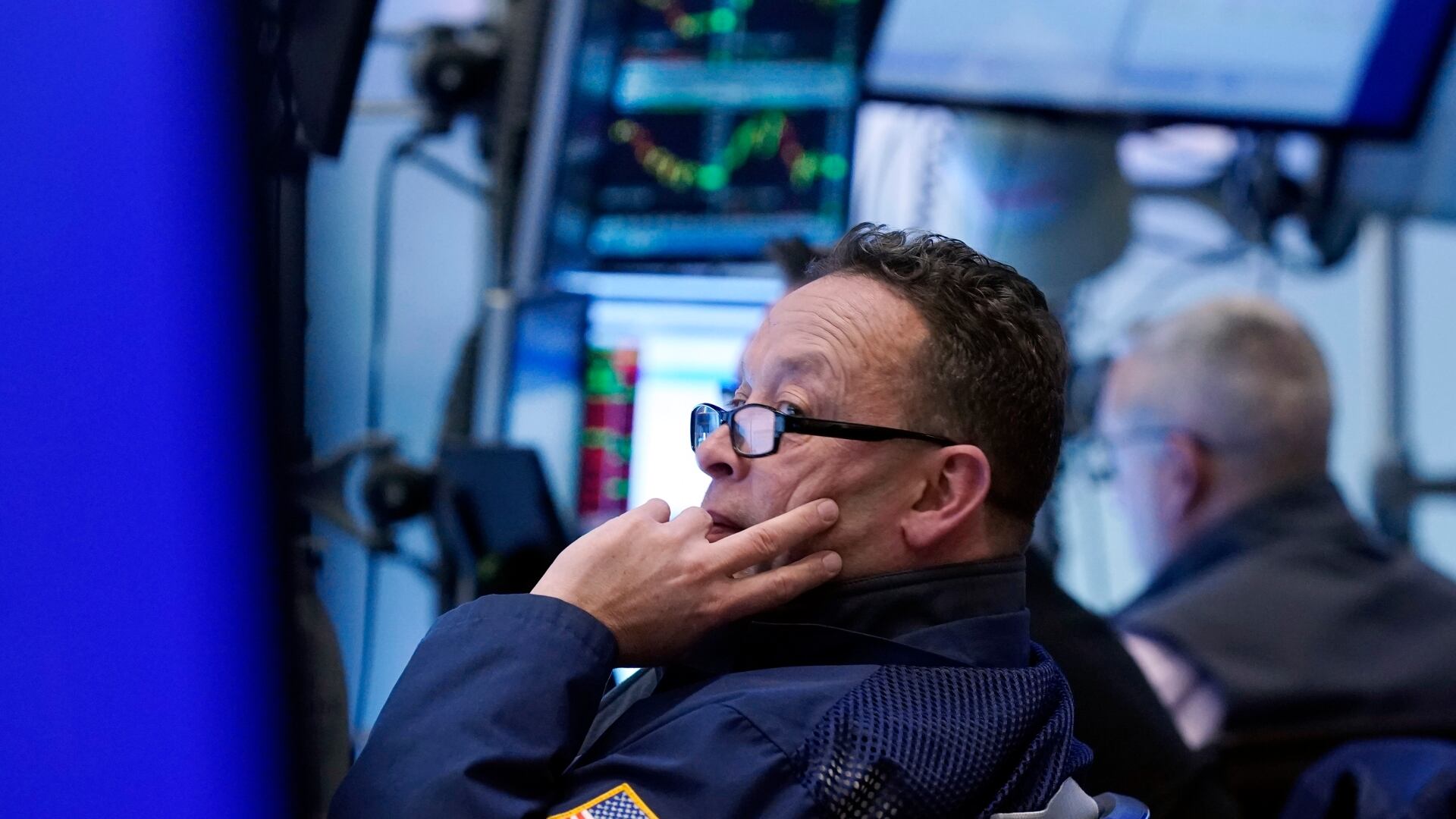
Stocks closed at session lows Wednesday as investors grew skittish over the first reported case of the COVID-19 omicron variant in California. Josh Sailar, Partner at Blue Zone Wealth Advisors, joins Cheddar News' Closing Bell to discuss investor worry over the new variant, the Fed dropping the word 'transitory' to describe inflation and potentially speeding up their asset tapering timeline, 2022 predictions, and more.