Why Pennsylvania's Special Election Could Swing Blue
The historically Republican District 18 of Pennsylvania could swing blue in Tuesday’s special election, according to Kyle Kondik, Managing Editor at political website Sabato’s Crystal Ball.
Democratic candidate Conor Lamb is “a good fit culturally for the district,” he told Cheddar, citing Lamb’s military background and moderate views on issues like abortion and guns.
Meanwhile, Republican candidate Rick Saccone “is a standard economic conservative,” said Kondik, which doesn’t necessarily sit well with the largely blue-collar residents of the district.
The race in the 18th District is shaping up as a potential bellwether for the midterm elections in November. President Trump carried the district by 20 points in 2016, and a Democratic win there would be a huge blow to him and to the GOP.
As a sign of how critical the party and the White House view the race, Trump will travel to the district on Saturday for a Saccone campaign rally. Friday afternoon, the president tweeted: Look forward to being in Pennsylvania tomorrow in support of Rick @Saccone4PA18. Big crowd expected in Moon Township. Vote Rick and see you there! #MAGA
Several weeks ago, Ivanka Trump, the president’s daughter campaigned with Saccone, and on Monday, Donald Trump Jr. will campaign with the Republican.
To regain control of the house, Democrats need to win 24 seats now held by the GOP. And many political experts believe the party has a good chance, particularly given the historic tendency of the party that controls the White House to lose seats in Congress during the midterms.
“Generally, the party that holds the White House pays a penalty down the ballot, particularly in special elections like we’re seeing in Pennsylvania on Tuesday,” Kondik said.
“Turnout is always significantly lower than a presidential election,” explained Kondik. “The out-party is sometimes more motivated to show up to vote.” On top of that, President Trump’s overall approval rating is hovering at a meager 40 percent.
Kondik also pointed out that the district, largely composed of the southern suburbs of Pittsburgh, has a demographic makeup that veers from Trump’s base.
Voters generally have higher-than-average incomes and higher-than-average educational attainment. “It’s a Trump district, but it’s also full of voters who are sort of skeptical of Trump even though they voted for him.”
The special election was called after Rep. Patrick Murphy resigned amid reports that he had encouraged his lover to have an abortion despite his strong anti-abortion stance.
“It’s a true toss up, which is kind of crazy in and of itself,” said Kondik.
For the full interview, [click here](https://cheddar.com/videos/pennsylvanias-special-election-gives-pollsters-a-sneak-peak-into-the-2018-midterms).
The Biden administration on Tuesday quietly launched its website for Americans to request free at-home COVID-19 tests, a day before the site was scheduled to officially launch.
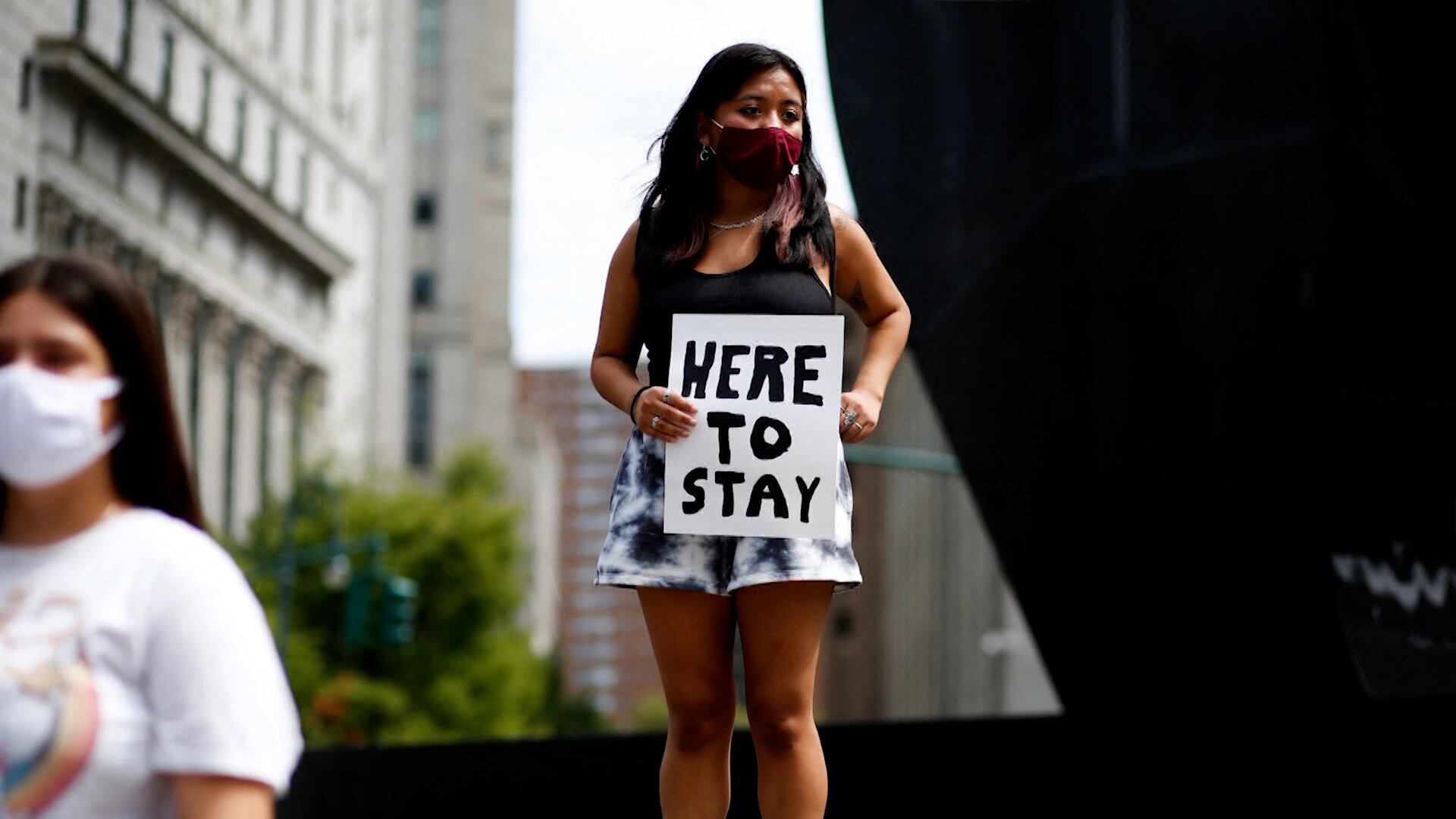
Just 27% of voters aged 18-29 approve of the job Biden is doing as president, according to a survey from The Economist and YouGov late last year. Santiago Mayer, executive director of Voters of Tomorrow, joins Cheddar Politics to discuss why President Biden is losing support among young voters.
Jesse Lehrich, co-founder of Accountable Tech, joins Cheddar News to discuss it being one year since Trump was exiled from social media and the former President's new platform 'Truth Social.'
Cliff Albright, co-founder of the group Black Voters Matter, joins Cheddar Politics to discuss why he boycotted President Biden's voting rights speech this week, and the push from Senate Democrats to debate and vote on the Freedom to Vote Act and the John Lewis Voting Rights Advancement Act.
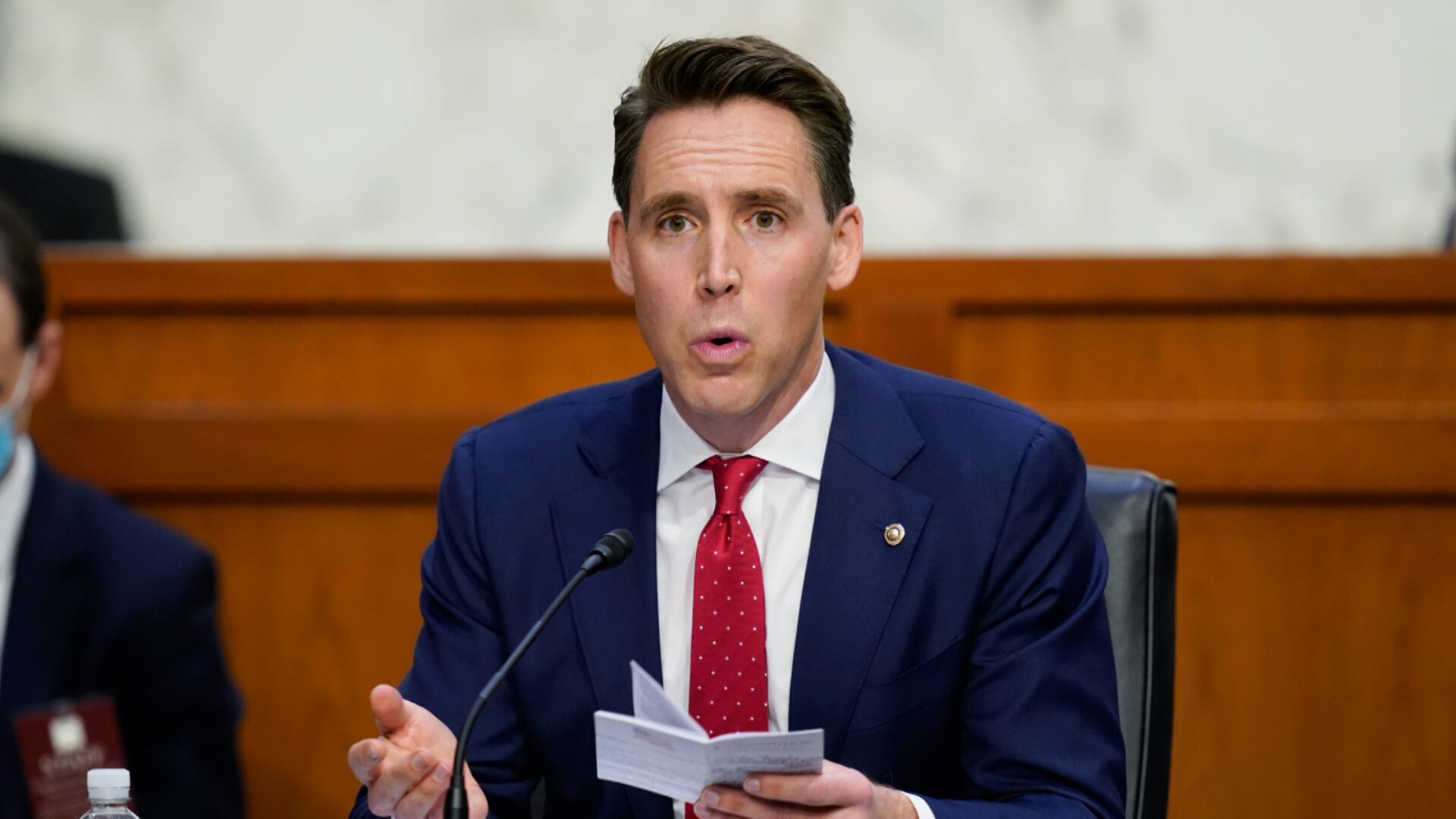
Senator Jon Ossoff (D-Ga.) has teamed up with fellow Democratic senator and former astronaut Mark Kelly to introduce the Ban Congressional Stock Trading Act, a bill to essentially end stock trading by sitting lawmakers. From the other side of the aisle, Senator Josh Hawley (R-Mo.) introduced his own legislation to enact something similar. The dueling bills come at a time when it's popular to constrain members of Congress from owning and trading stocks. Karl Evers-Hillstrom, a business and lobbying reporter at The Hill, spoke to Cheddar about the significance of the bills, and what they could mean for lawmakers, their families, and staffers moving forward.
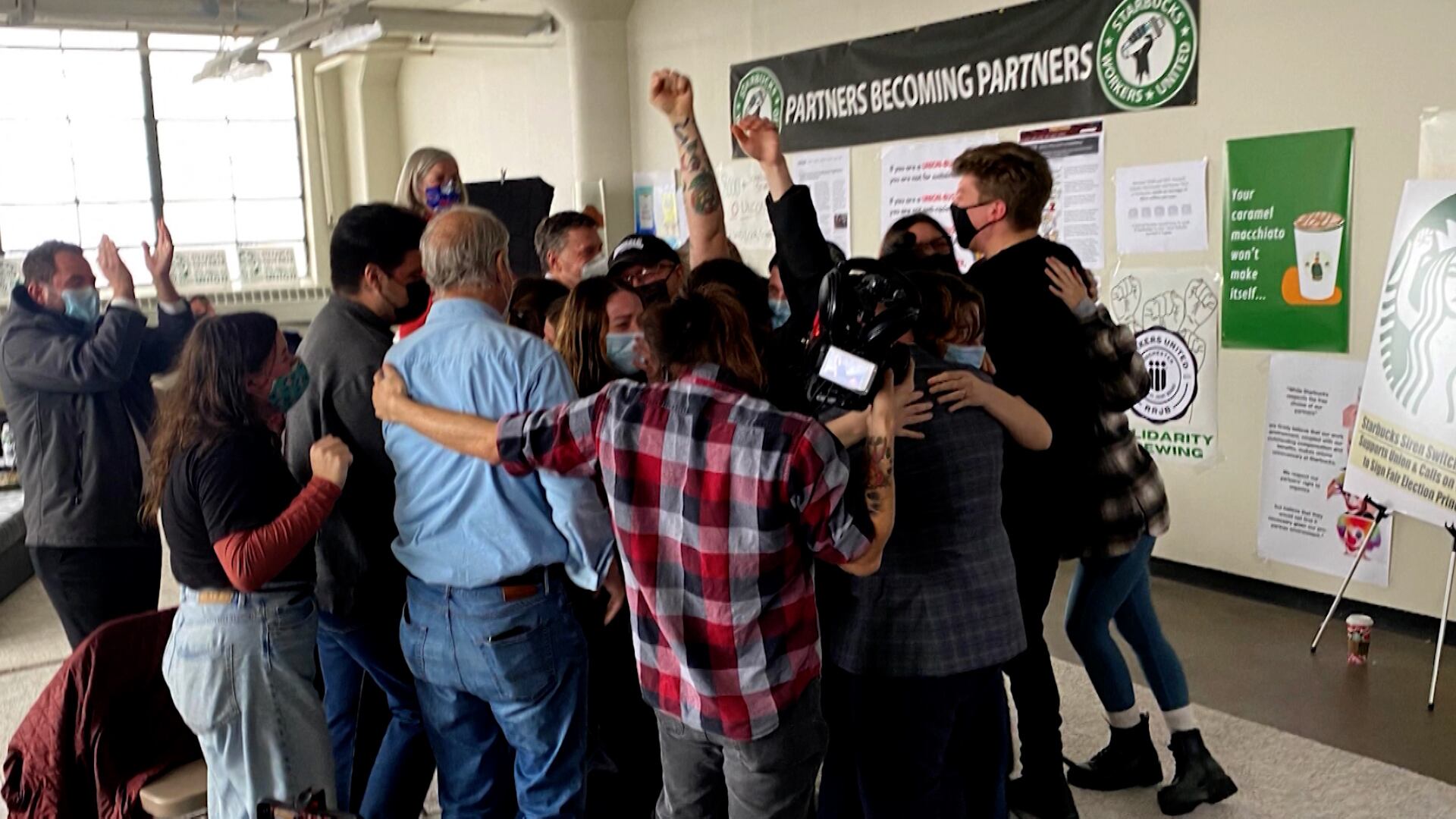
A second Starbucks location in the U.S. has officially voted to unionize. On Monday, the National Labor Relations Board announced workers at the Starbucks store located in the Buffalo, NY suburb of Cheektowaga voted 15-9 in favor of being represented by Workers United, an affiliate of the Service Employees International Union. The New York Times reports votes were tallied in December but remained inconclusive as the union challenged the ballots of several employees it said did not work at the store. A Starbucks spokesperson has said that it may appeal the labor board's decision, which comes as several other Starbucks stores across the country are also pushing to form a union. Danka Dragic, shift supervisor for the second Starbucks store in the country to unionize, joined Cheddar News' Closing Bell to discuss.