Why Pennsylvania's Special Election Could Swing Blue
The historically Republican District 18 of Pennsylvania could swing blue in Tuesday’s special election, according to Kyle Kondik, Managing Editor at political website Sabato’s Crystal Ball.
Democratic candidate Conor Lamb is “a good fit culturally for the district,” he told Cheddar, citing Lamb’s military background and moderate views on issues like abortion and guns.
Meanwhile, Republican candidate Rick Saccone “is a standard economic conservative,” said Kondik, which doesn’t necessarily sit well with the largely blue-collar residents of the district.
The race in the 18th District is shaping up as a potential bellwether for the midterm elections in November. President Trump carried the district by 20 points in 2016, and a Democratic win there would be a huge blow to him and to the GOP.
As a sign of how critical the party and the White House view the race, Trump will travel to the district on Saturday for a Saccone campaign rally. Friday afternoon, the president tweeted: Look forward to being in Pennsylvania tomorrow in support of Rick @Saccone4PA18. Big crowd expected in Moon Township. Vote Rick and see you there! #MAGA
Several weeks ago, Ivanka Trump, the president’s daughter campaigned with Saccone, and on Monday, Donald Trump Jr. will campaign with the Republican.
To regain control of the house, Democrats need to win 24 seats now held by the GOP. And many political experts believe the party has a good chance, particularly given the historic tendency of the party that controls the White House to lose seats in Congress during the midterms.
“Generally, the party that holds the White House pays a penalty down the ballot, particularly in special elections like we’re seeing in Pennsylvania on Tuesday,” Kondik said.
“Turnout is always significantly lower than a presidential election,” explained Kondik. “The out-party is sometimes more motivated to show up to vote.” On top of that, President Trump’s overall approval rating is hovering at a meager 40 percent.
Kondik also pointed out that the district, largely composed of the southern suburbs of Pittsburgh, has a demographic makeup that veers from Trump’s base.
Voters generally have higher-than-average incomes and higher-than-average educational attainment. “It’s a Trump district, but it’s also full of voters who are sort of skeptical of Trump even though they voted for him.”
The special election was called after Rep. Patrick Murphy resigned amid reports that he had encouraged his lover to have an abortion despite his strong anti-abortion stance.
“It’s a true toss up, which is kind of crazy in and of itself,” said Kondik.
For the full interview, [click here](https://cheddar.com/videos/pennsylvanias-special-election-gives-pollsters-a-sneak-peak-into-the-2018-midterms).
Following the invasion of Ukraine, a multitude of Western companies have paused doing business with Russia. PepsiCo, Coca-Cola, McDonald's, and Starbucks are the most recent companies to temporarily cease operations in Russia. Dean of Miami Herbert Business School at the University of Miami, John Quelch, joined Cheddar News to discuss what message this sends to Russia and the Russian consumer. “I would not underestimate the collective strength of all of these multinational companies, essentially coming together to make their collective statement in support of the political statements that have come out of Washington," he said.
The war in Ukraine continues to reveal heartbreaking gut-wrenching stories. The war in itself is not only devastating but also expensive. Experts estimate that Russia is draining nearly $20 million dollars each day to continue occupying and invading Ukraine. All this could force the country to turn to cryptocurrencies. It's a major turn for the country that briefly considered outlined digital assets entirely, but it could also have serious implications for cryptos. Managing Director at Quantum Fintech Group, Harry Yeh, joined Cheddar to discuss more.
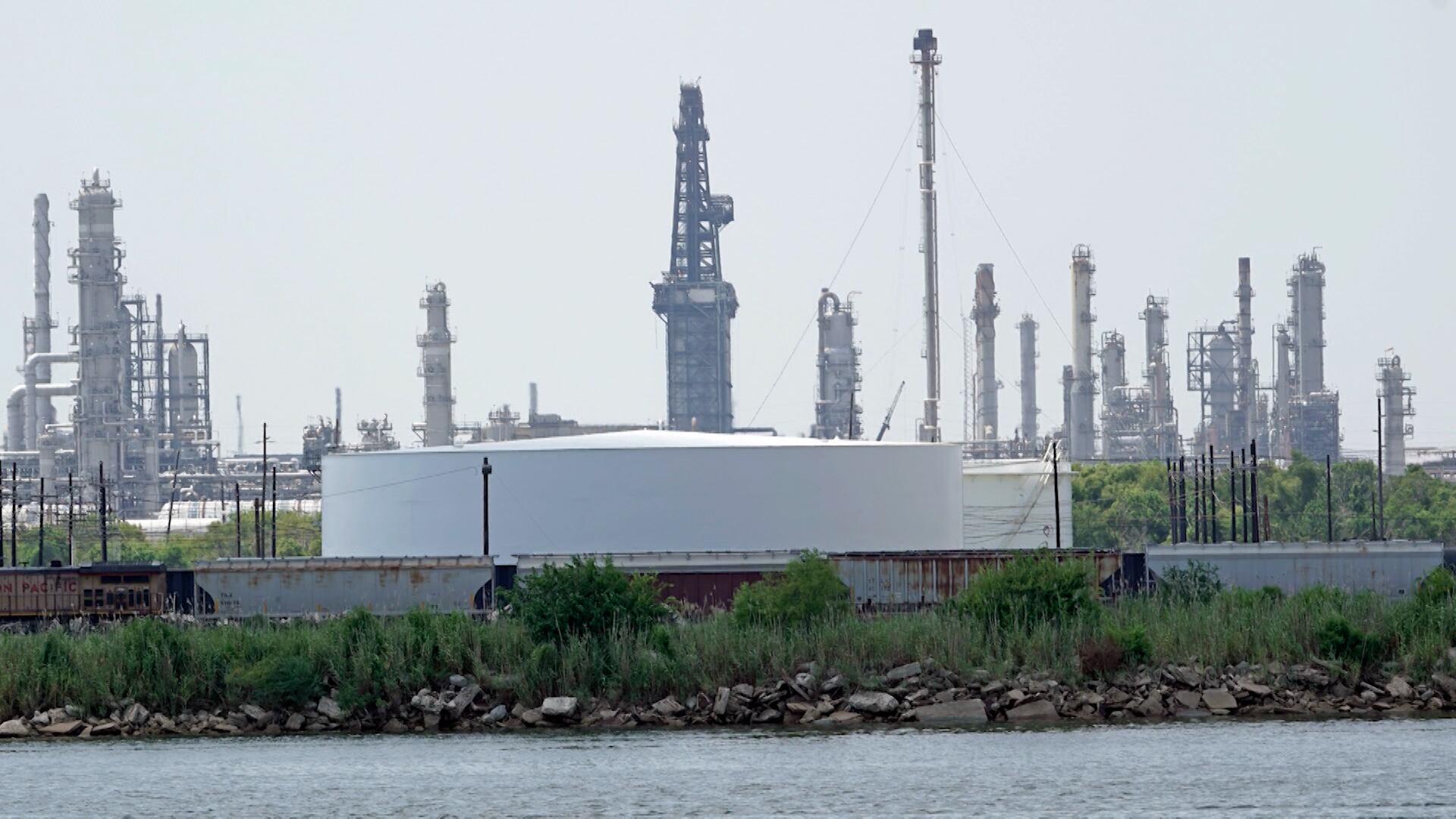
President Biden announced a ban on Russian oil and natural gas imports to the U.S. in response to its invasion of Ukraine, a move he warned could lead to an even greater surge in gas prices. The ban is prompting a conversation about the current oil production levels in the U.S. and whether or not the industry can ramp up production to soften the blow to American families at the gas pump. Clark Williams-Derry, Energy Finance Analyst with the Institute for Energy Economics and Financial Analysis, breaks down the state of the U.S. oil industry and how the ban might impact production levels here at home.
PepsiCo, Coca-Cola, McDonald’s, and Starbucks are the latest American food brands to have halted business operations in Russia after having faced scrutiny and criticism for originally failing to do so amid the country's invasion of Ukraine.
As Russia intensifies its war on Ukraine, President Biden announced a ban on oil imported from the aggressor nation. Critics of Russia have said this would be the best way to force Putin to pull back, but curbs on Russian oil exports are expected to send already skyrocketing oil and gas prices even higher, further impacting consumers, businesses, financial markets, and the global economy. Leslie Beyer, CEO of the Energy Workforce and Technology Council, joined Cheddar News' Closing Bell to discuss. "It's certainly going to increase pricing, but it is the right thing to do," she said. "The industry itself has already pulled out of the significant portion of its operations in Russia."
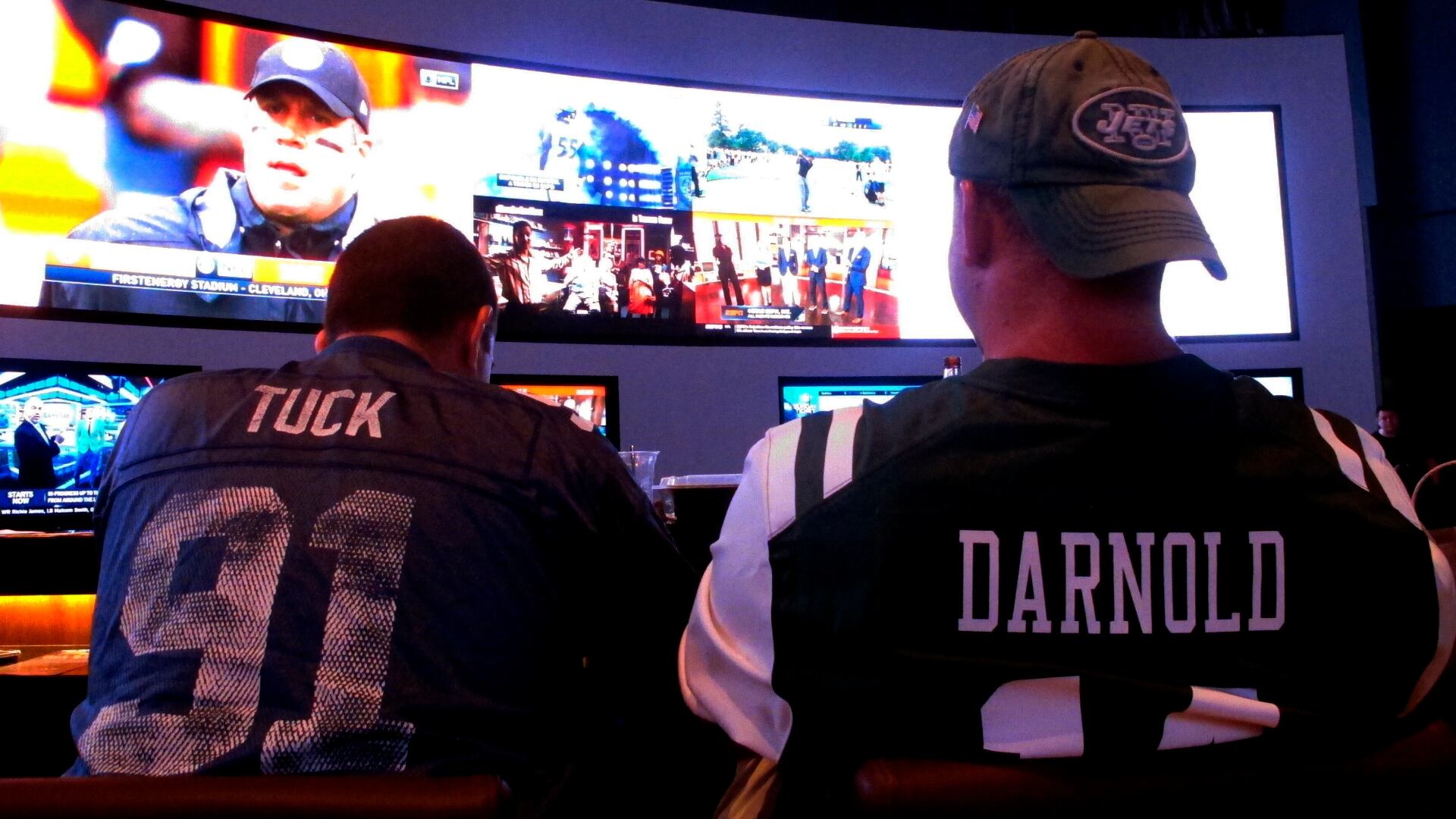
Sports Betting in the U.S. is booming. According to industry experts, we could see another boom this year as more states move towards statewide legalization of sports wagering. While this comes as huge news for fans, there are some very real concerns as to whether or not sports betting potentially poses a threat to public health. Senior Clinician at the Caron Treatment Centers, Eric Webber, joined Cheddar to discuss more.
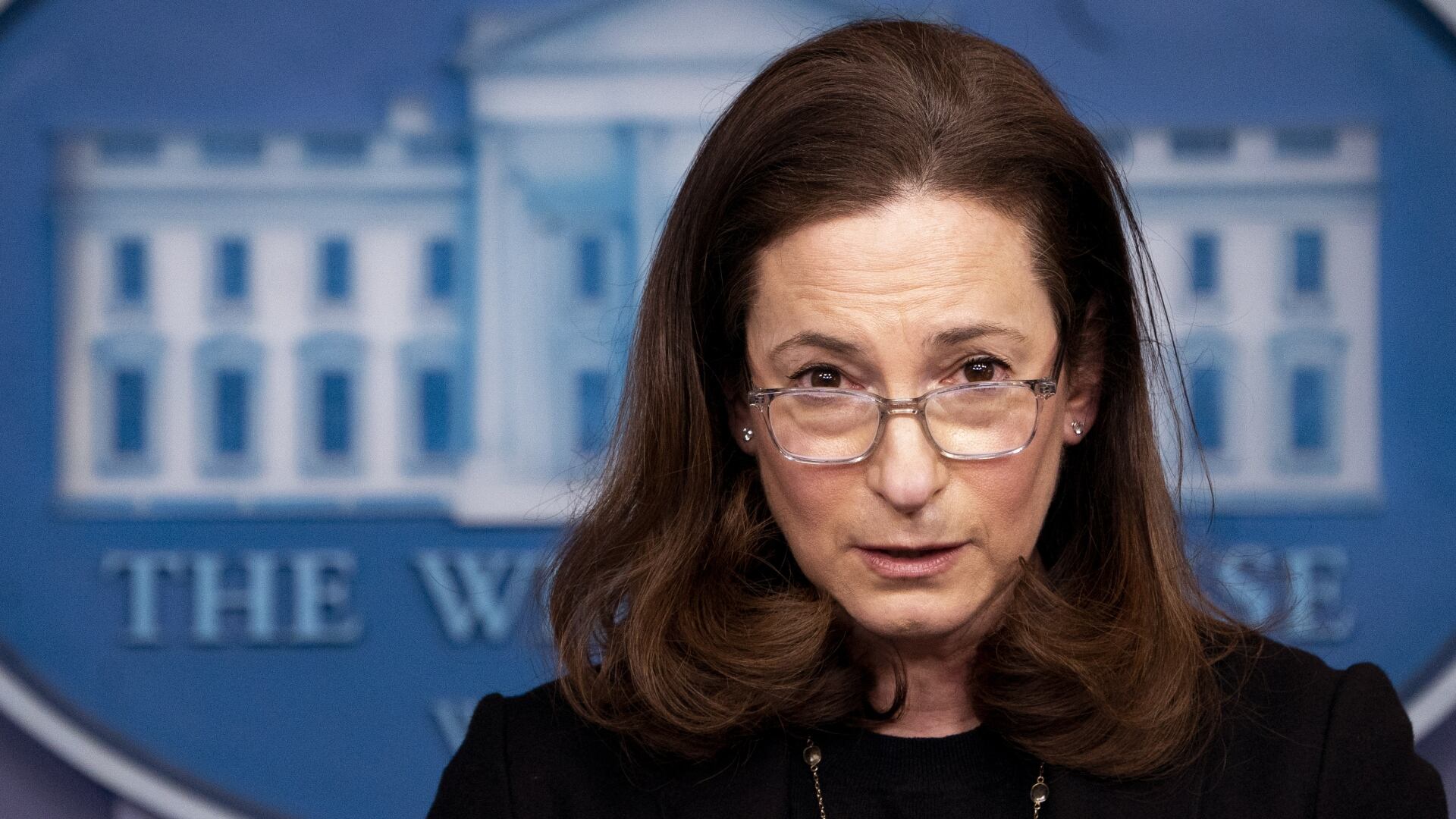
The Biden administration has made gender policy a core part of how it governs. The president established the first Gender Policy Council. It's on the same level as the National Security Council, Domestic Policy Council and National Economic Council, putting the interests of women and other underserved groups at the table for the most important policy discussions.
Cheddar News sat down with Jennifer Klein, executive director and co-chair of the White House Gender Policy Council, to discuss the council's work and its significance during Women's History Month.
State Representative Jessica González, Vice Chair of the Texas House LGBTQ Caucus, joins Cheddar News to discuss the latest Texas anti-transgender directive.
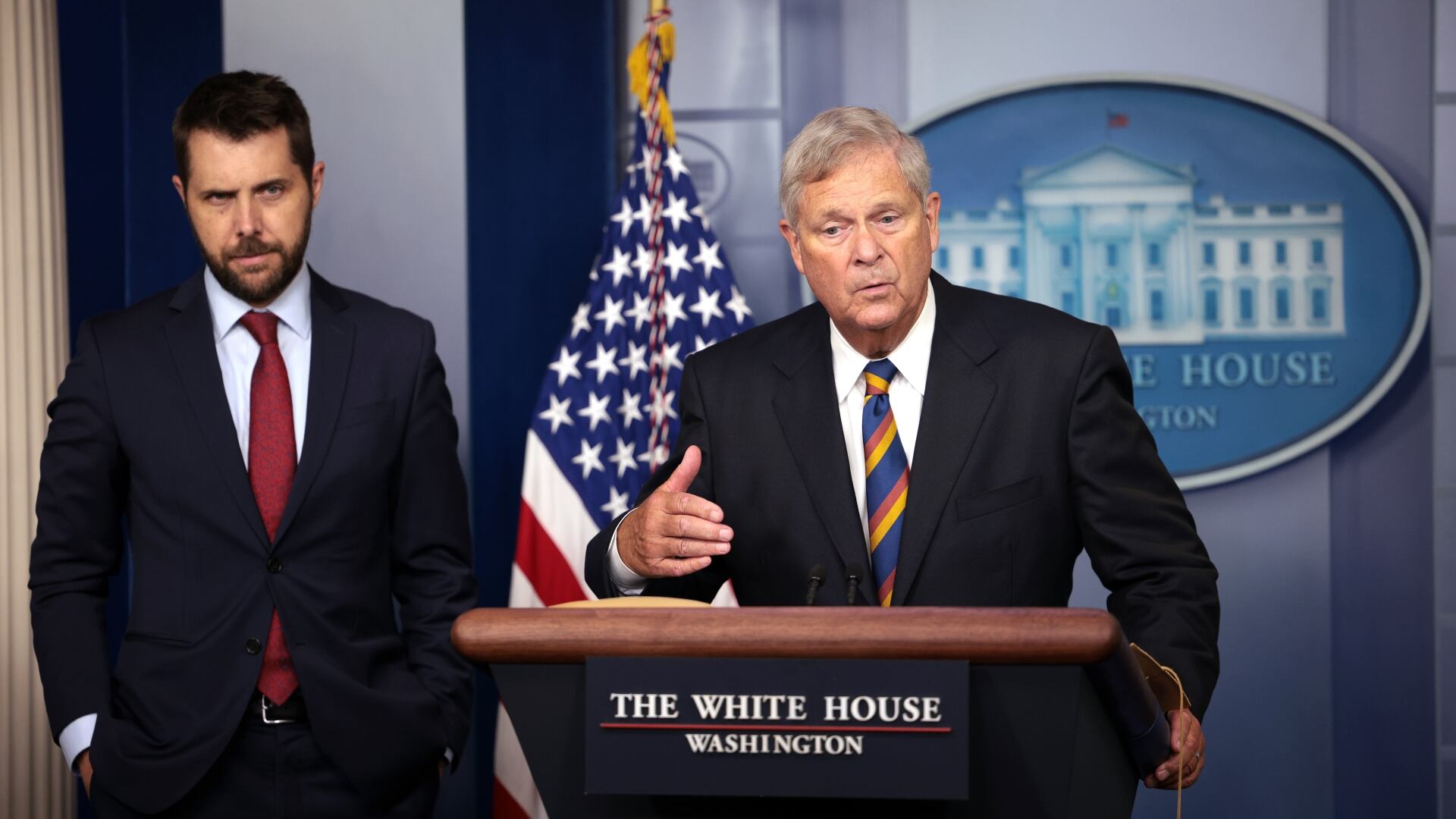
The United States Secretary of Agriculture, Tom Vilsack joins None of the Above to discuss the newly emerging conflict in Europe, what it means for agriculture in the states, dairy and meat consumption, and how the department is planning to promote climate-smart agriculture.