Parents who have no problem making a doctor's appointment when their children have a cough, sneeze, or sniffle appear to be resistant when it comes to mental health.
Parents Magazine and the Child Mind Institute conducted a new survey to find out why parents hesitate before getting mental-health expertise for their children.
"If your child has a fever you take them to the doctor, if your child has an emotional pain, it should be the same thing," said Liz Vaccariello, the editor-in-chief of Parents Magazine, in an interview with Cheddar on Tuesday.
A new survey of about 400 parents in the United States found 62% would wait more than five weeks to get their children help with a mood or behavior disorder.
Of the families that said they would think twice before pursuing treatment options, most (83%) said they try to avoid an overreaction and would rather wait to see if symptoms resolve on their own. Other reasons include the perceived cost of mental-health care and the fear that their children would be labelled mentally ill.
"All of these are myths and we're trying to overcome that," said Vaccariello.
She said parents should be vigilant about monitoring their children's behavior for potential warning signs. Doctors describe these potential symptoms as "pink flags" instead of "red flags" because they're often subtle indicators of mental illness.
Vaccariello said symptoms include sleep disturbances, obsessive thoughts, and debilitating fears.
"It's one thing to be scared of a bee, it's another thing to be terrified to go outside because you don't want to be stung by a bee," she said.
There are fewer than 9,000 clinical child psychiatrists in the United States, but Vaccariello said parents can also reach out to child psychologists, therapists, and school counselors.
"Even something like that can be helpful and healing for the whole family," she said.
For full interview, [click here](https://cheddar.com/videos/why-do-parents-wait-to-seek-help-on-mental-health-issues).
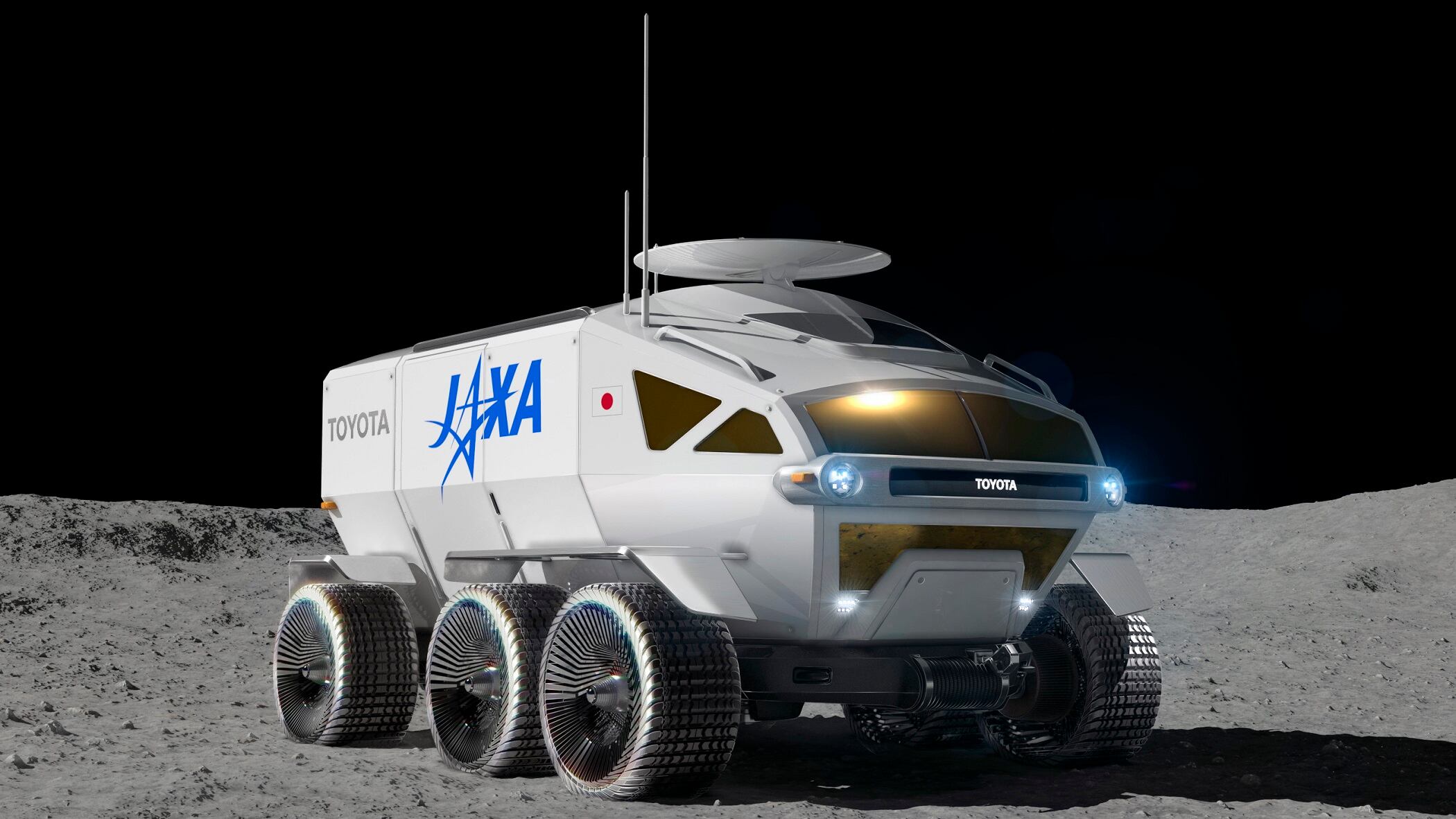
Toyota says it's working with Japan’s space agency on a vehicle to explore the lunar surface, with ambitions to help people live on the moon by 2040 and eventually live on Mars.
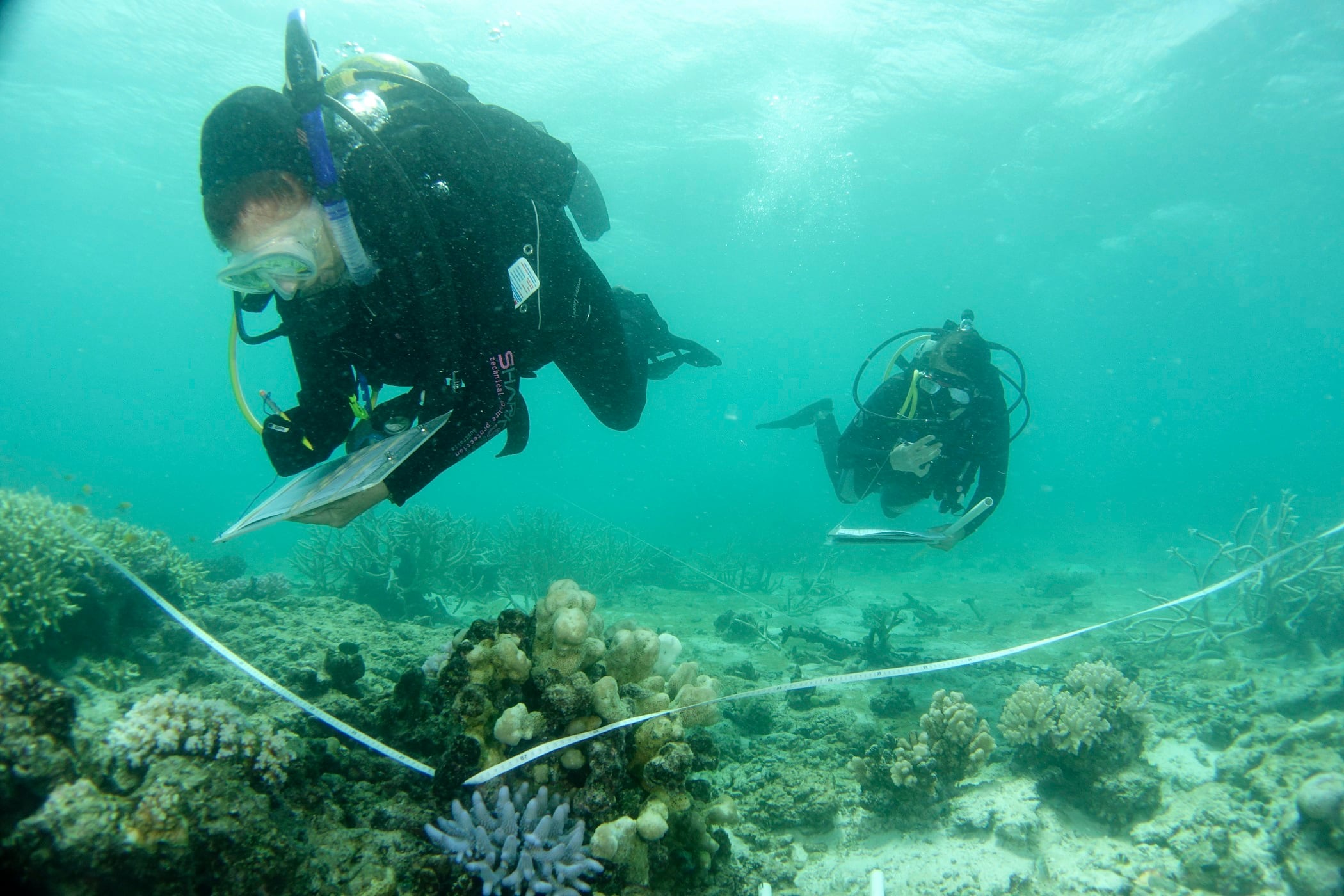
he Australian government has pledged to spend another 1 billion Australian dollars ($704 million) over nine years on improving the health of the Great Barrier Reef after stalling a UNESCO decision on downgrading the natural wonder’s World Heritage status.
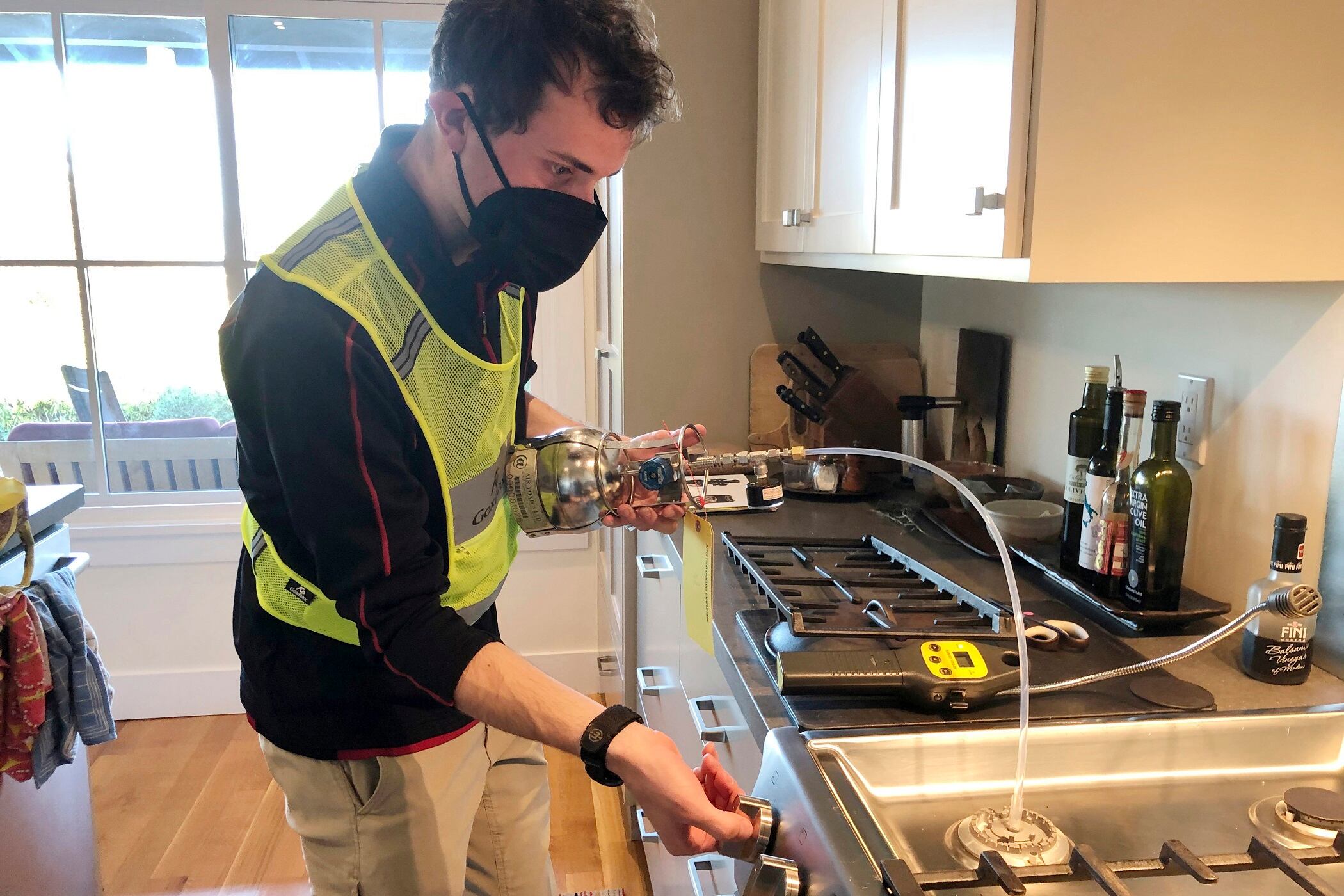
The study by California researchers that was published in Thursday’s journal Environmental Science & Technology found that more than 2.6 million tons of methane leaks into the air from gas stoves in the United States even when they aren't running.
Denmark’s government says it will scrap most pandemic restrictions next week, even as neighboring Sweden has extended its own measures for another fortnight.
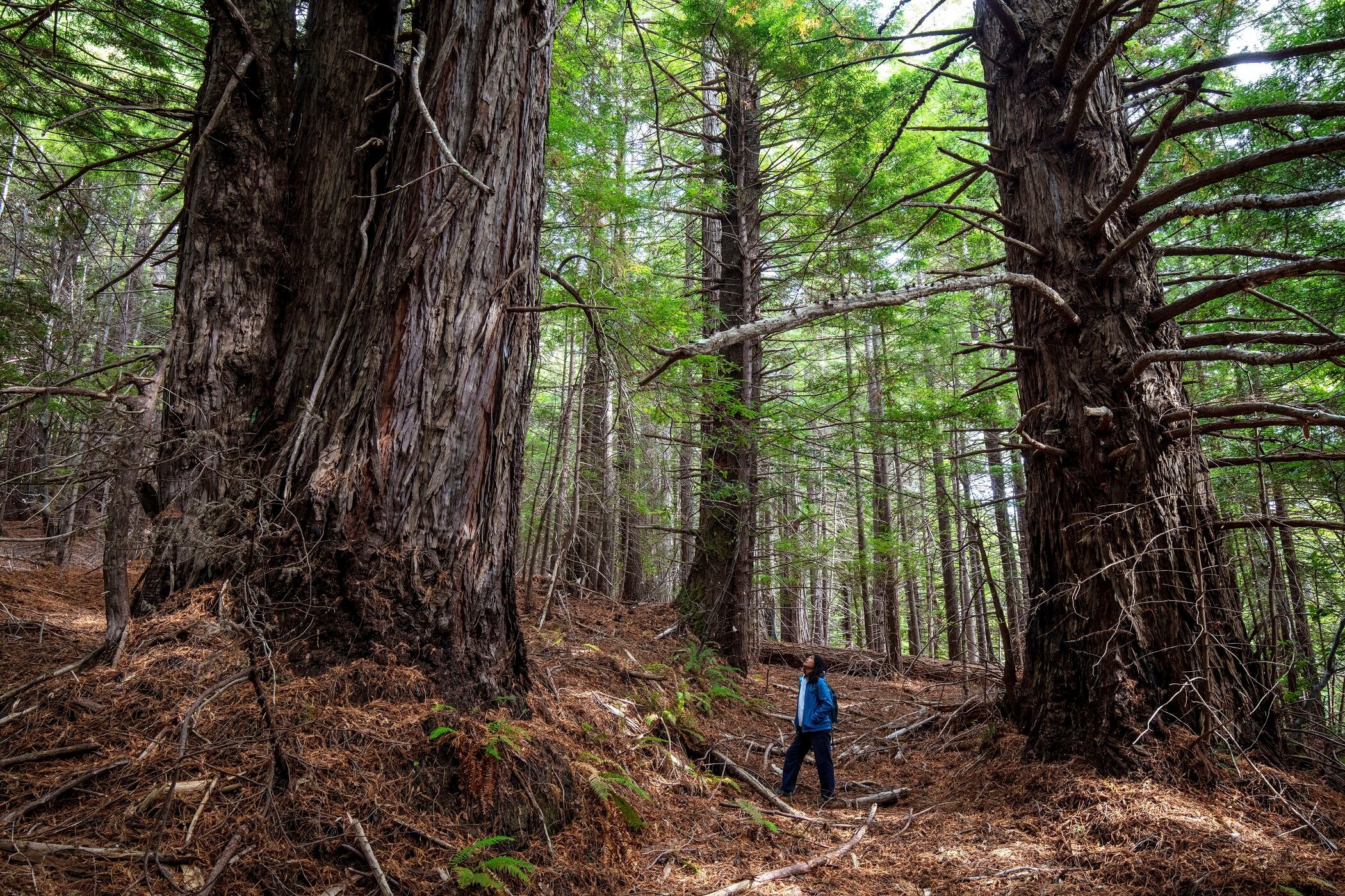
A conservation group is turning over a historic redwood grove on the Northern California coast to descendants of the original Native American inhabitants.
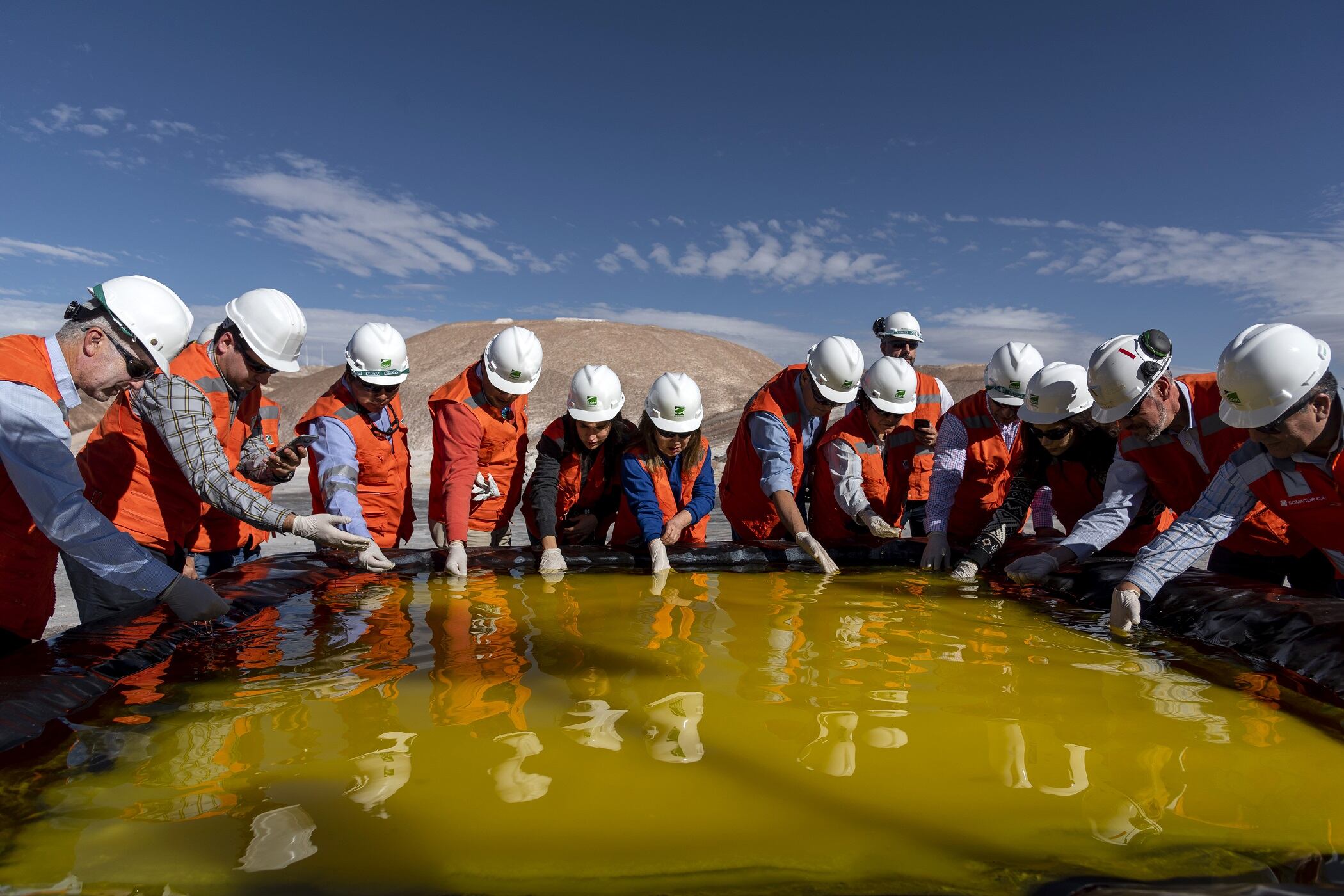
Arguably the biggest challenge to the rise of electric vehicles is their outsized demand for rare earth minerals. Cheddar's Alex Vuocolo does a deep dive into the struggle over securing supply chains for a green tech future.
New research suggests giving extra cash to low-income mothers can change their infants’ brain development.
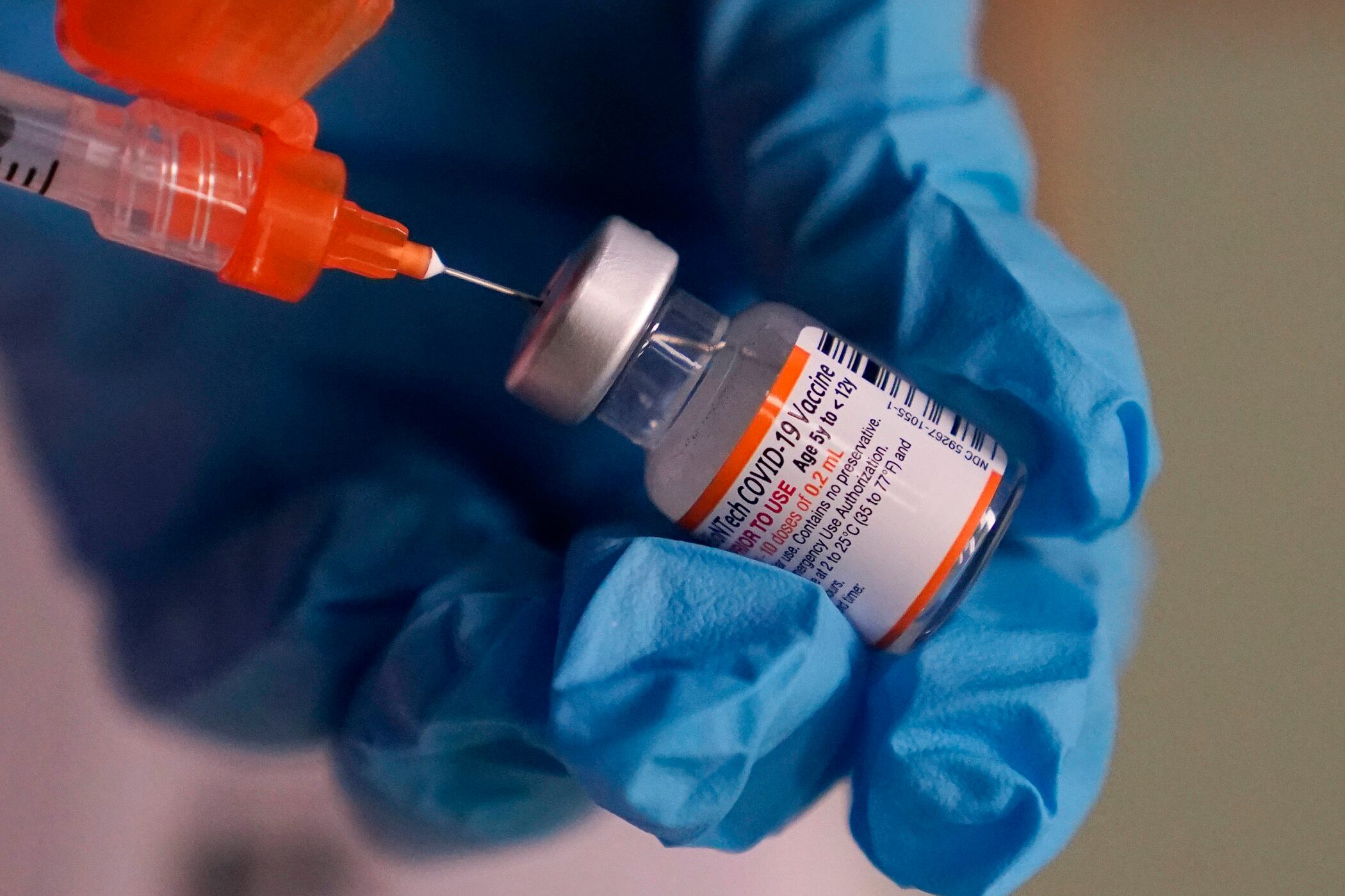
Pfizer and BioNTech have begun studying a COVID-19 vaccine tweaked to match to the omicron variant in healthy adults.
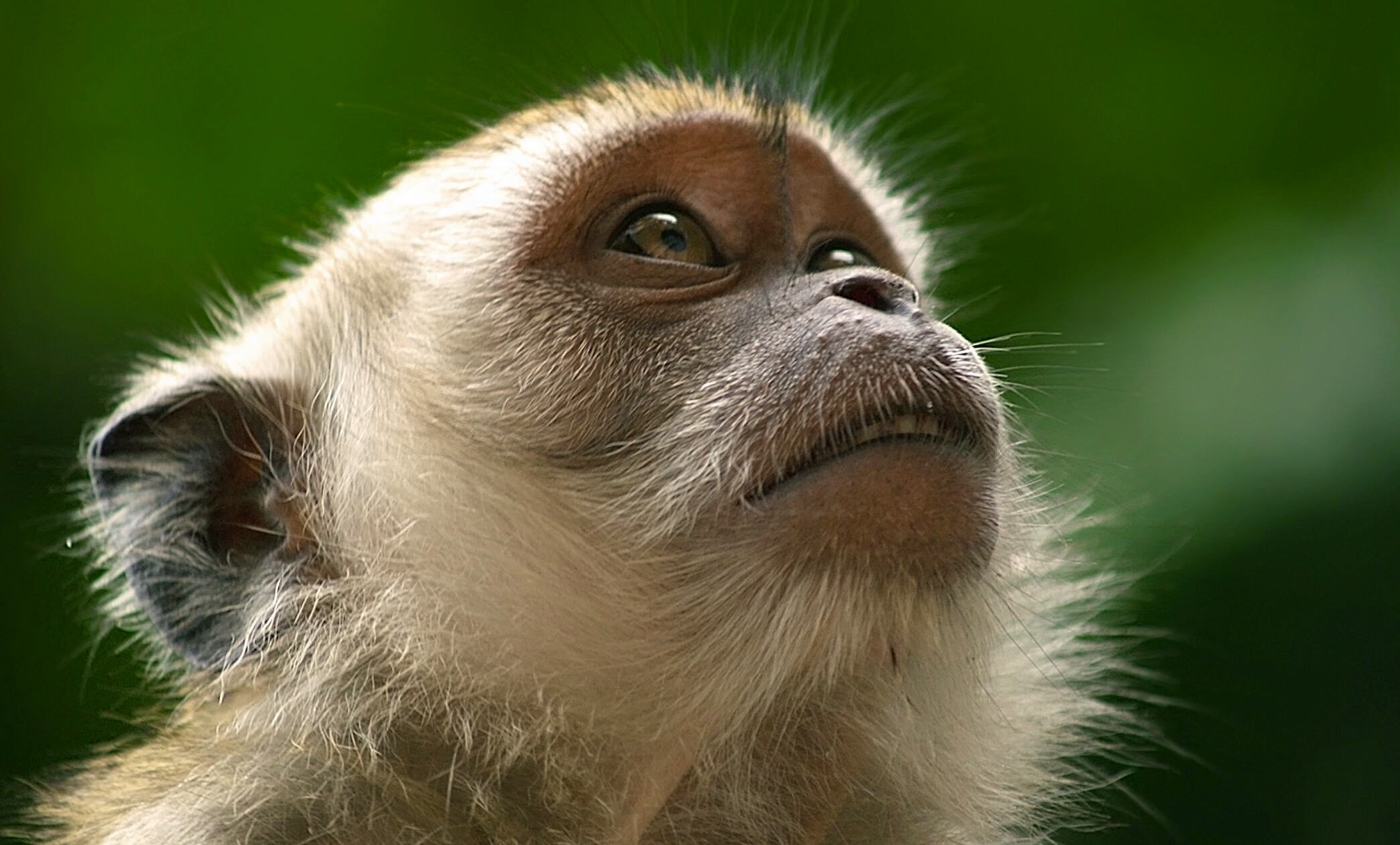
Federal authorities say the last of the escaped monkeys from a Pennsylvania highway crash of a truck towing a trailer load of the animals has been accounted for.
They say life is about the journey, not the destination — and how you get there makes all the difference. Americans shunned train stations, roadways, and airports amid the coronavirus pandemic, never realizing things could be fundamentally different when they return. In this episode, we're exploring the evolving world of transportation, from how we get around to how goods get to us.