Why Parents Hesitate Before Seeking Mental-Health Expertise
Parents who have no problem making a doctor's appointment when their children have a cough, sneeze, or sniffle appear to be resistant when it comes to mental health.
Parents Magazine and the Child Mind Institute conducted a new survey to find out why parents hesitate before getting mental-health expertise for their children.
"If your child has a fever you take them to the doctor, if your child has an emotional pain, it should be the same thing," said Liz Vaccariello, the editor-in-chief of Parents Magazine, in an interview with Cheddar on Tuesday.
A new survey of about 400 parents in the United States found 62% would wait more than five weeks to get their children help with a mood or behavior disorder.
Of the families that said they would think twice before pursuing treatment options, most (83%) said they try to avoid an overreaction and would rather wait to see if symptoms resolve on their own. Other reasons include the perceived cost of mental-health care and the fear that their children would be labelled mentally ill.
"All of these are myths and we're trying to overcome that," said Vaccariello.
She said parents should be vigilant about monitoring their children's behavior for potential warning signs. Doctors describe these potential symptoms as "pink flags" instead of "red flags" because they're often subtle indicators of mental illness.
Vaccariello said symptoms include sleep disturbances, obsessive thoughts, and debilitating fears.
"It's one thing to be scared of a bee, it's another thing to be terrified to go outside because you don't want to be stung by a bee," she said.
There are fewer than 9,000 clinical child psychiatrists in the United States, but Vaccariello said parents can also reach out to child psychologists, therapists, and school counselors.
"Even something like that can be helpful and healing for the whole family," she said.
For full interview, [click here](https://cheddar.com/videos/why-do-parents-wait-to-seek-help-on-mental-health-issues).
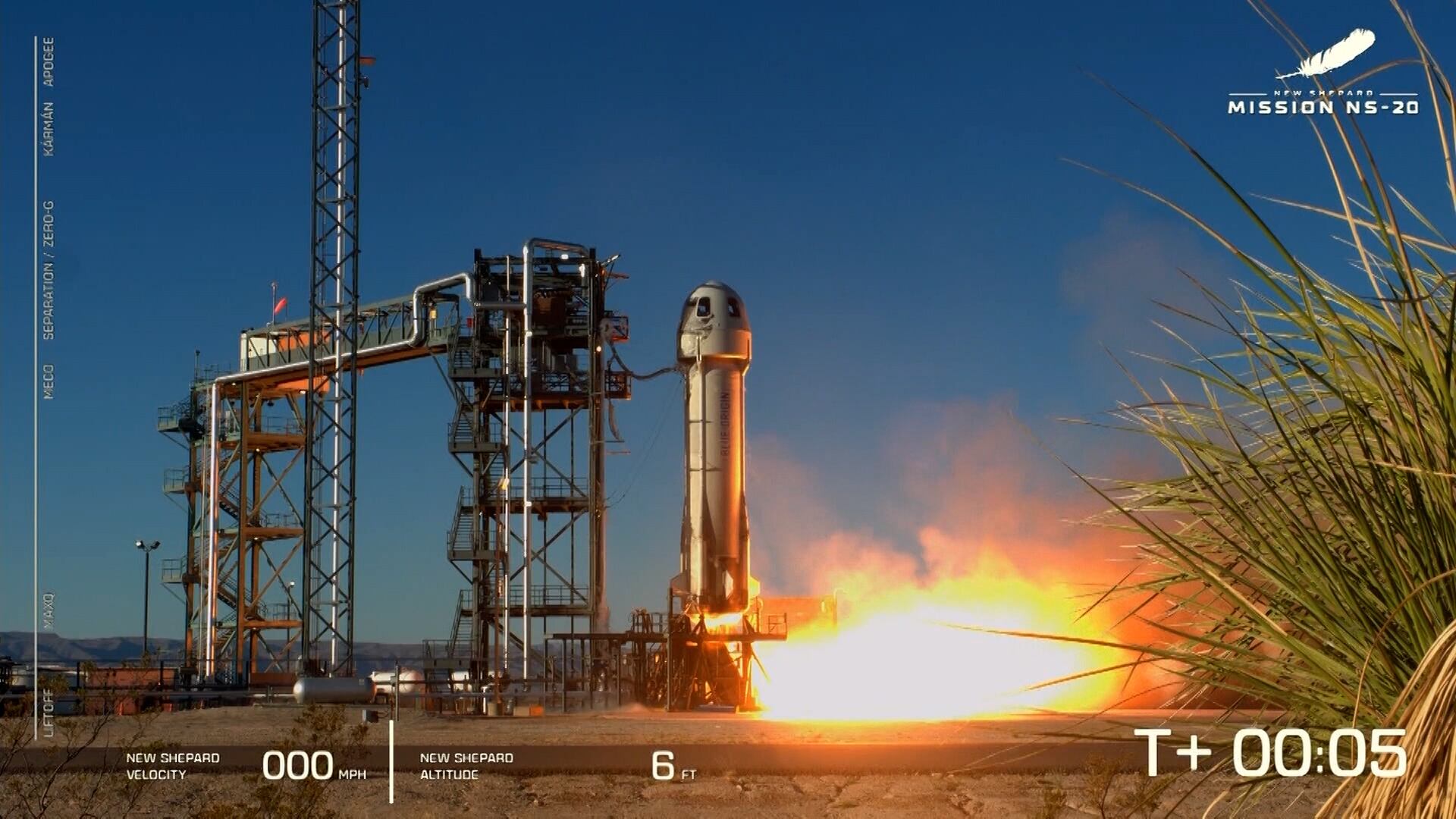
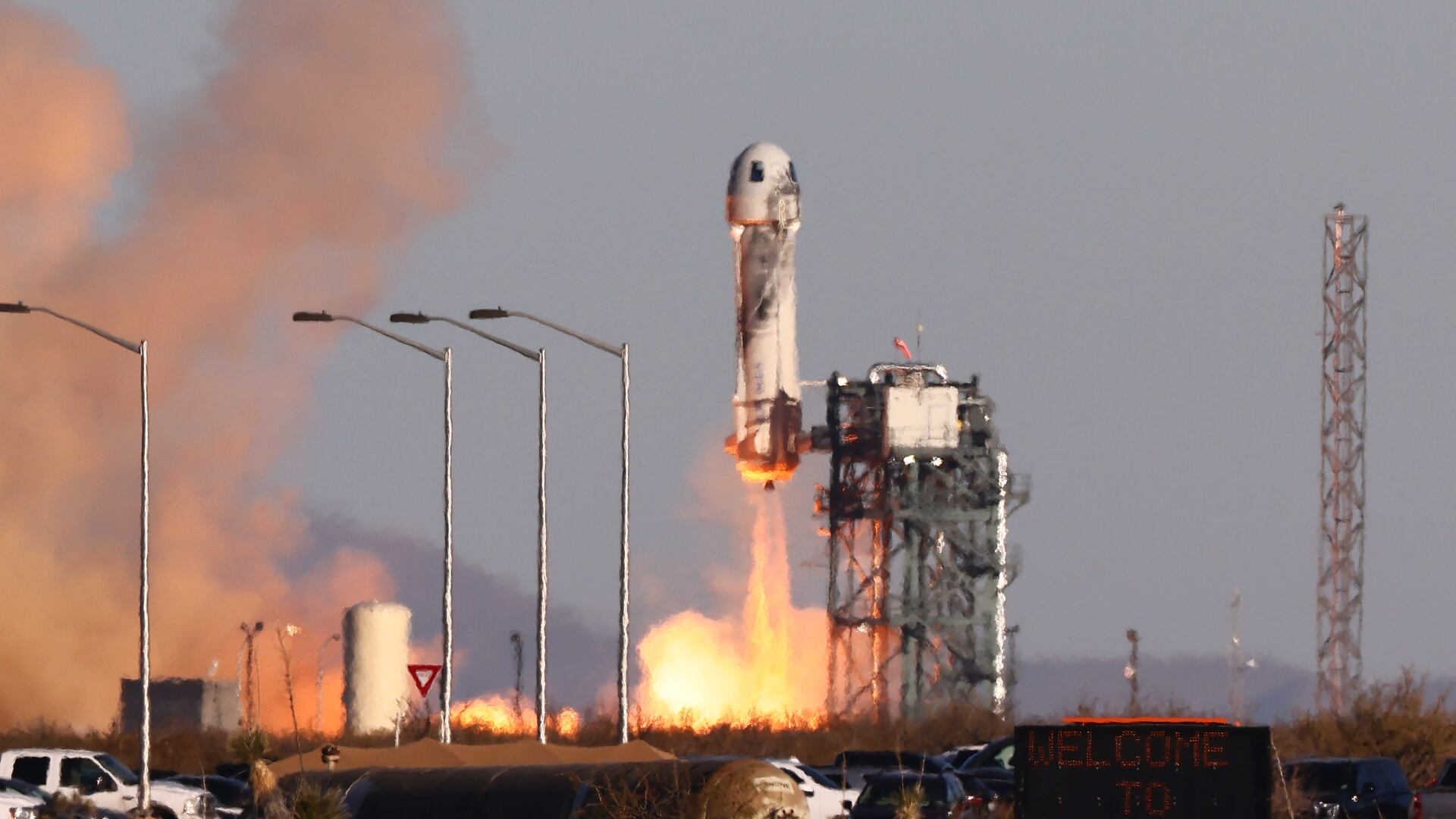
Jeff Bezos’ aerospace company Blue Origin successfully held a fourth civilian launch into space on Thursday. Former NASA Astronaut, Leroy Chiao, joined Cheddar News to talk about the significance of this launch for the future of civilian launches and to discuss the issue of safety. "This is opening space up to more people, raising more awareness, which is good for the entire industry," Chiao said. He also discussed the nature of pricing the tickets for space tourism.
The most popular and most valuable cryptocurrency is also the least eco-friendly - data shows that Bitcoin mining generates the same amount of carbon emissions as the entire country of Thailand. According to nonprofit Fair Planet, 96 million tons of carbon dioxide emissions come from Bitcoin mining every year. Now, a consortium of climate activist groups is calling on the Bitcoin industry to cut its energy use by making changes to its software code. Michael Brune, former executive director of the Sierra Club, joins Cheddar News' Closing Bell to discuss.
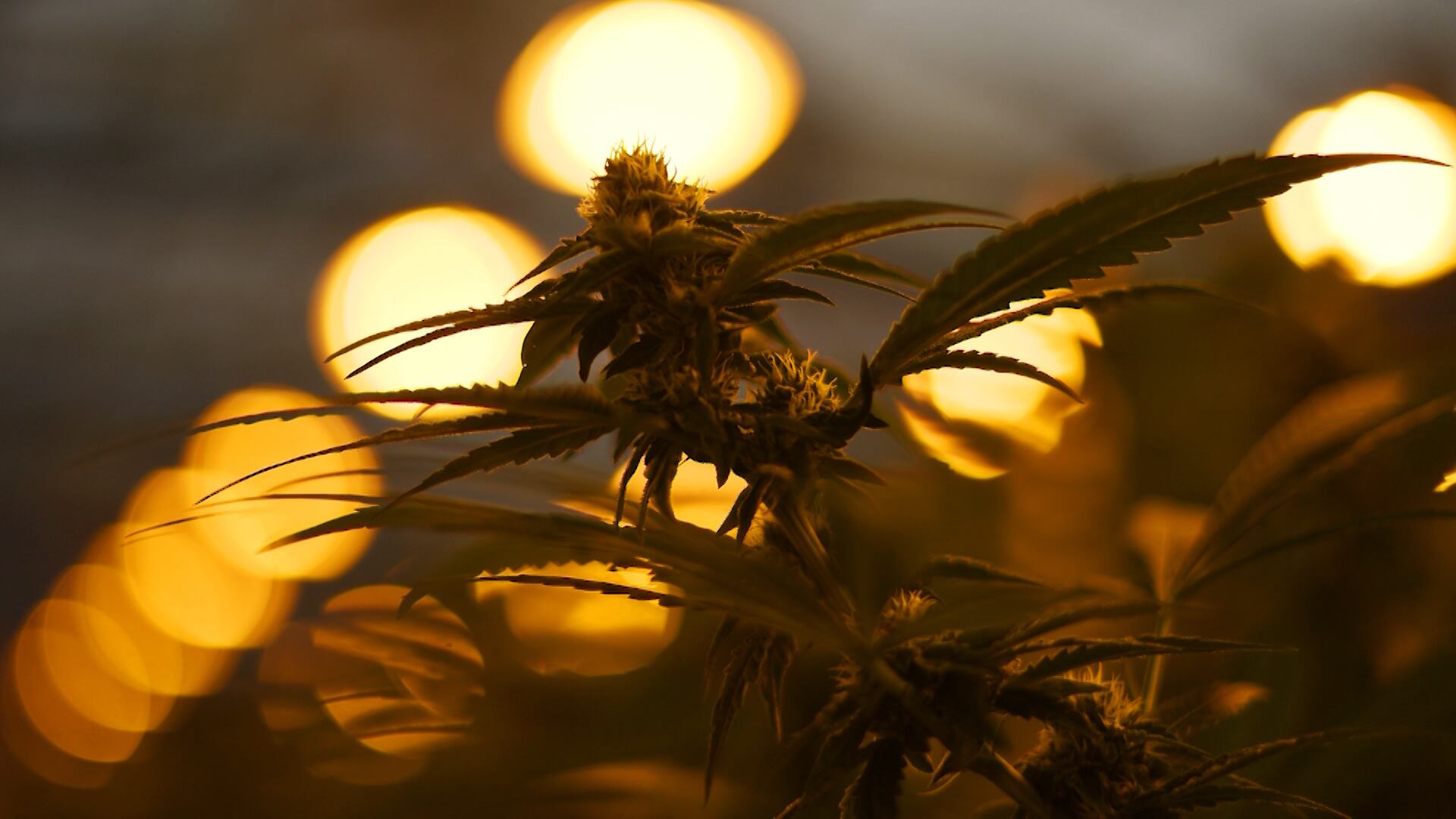
A cannabis software startup is offering a first-of-its-kind perk for its employees - reimbursements for legal cannabis purchases. Jointly Better bills itself as an experience-based cannabis wellness tracker and product platform. In an attempt to attract top talent, the company will reimburse up to $150 a month for its workers' lawful cannabis purchases. David Kooi, co-founder and CEO of Jointly, joins Cheddar News' Closing Bell to discuss.
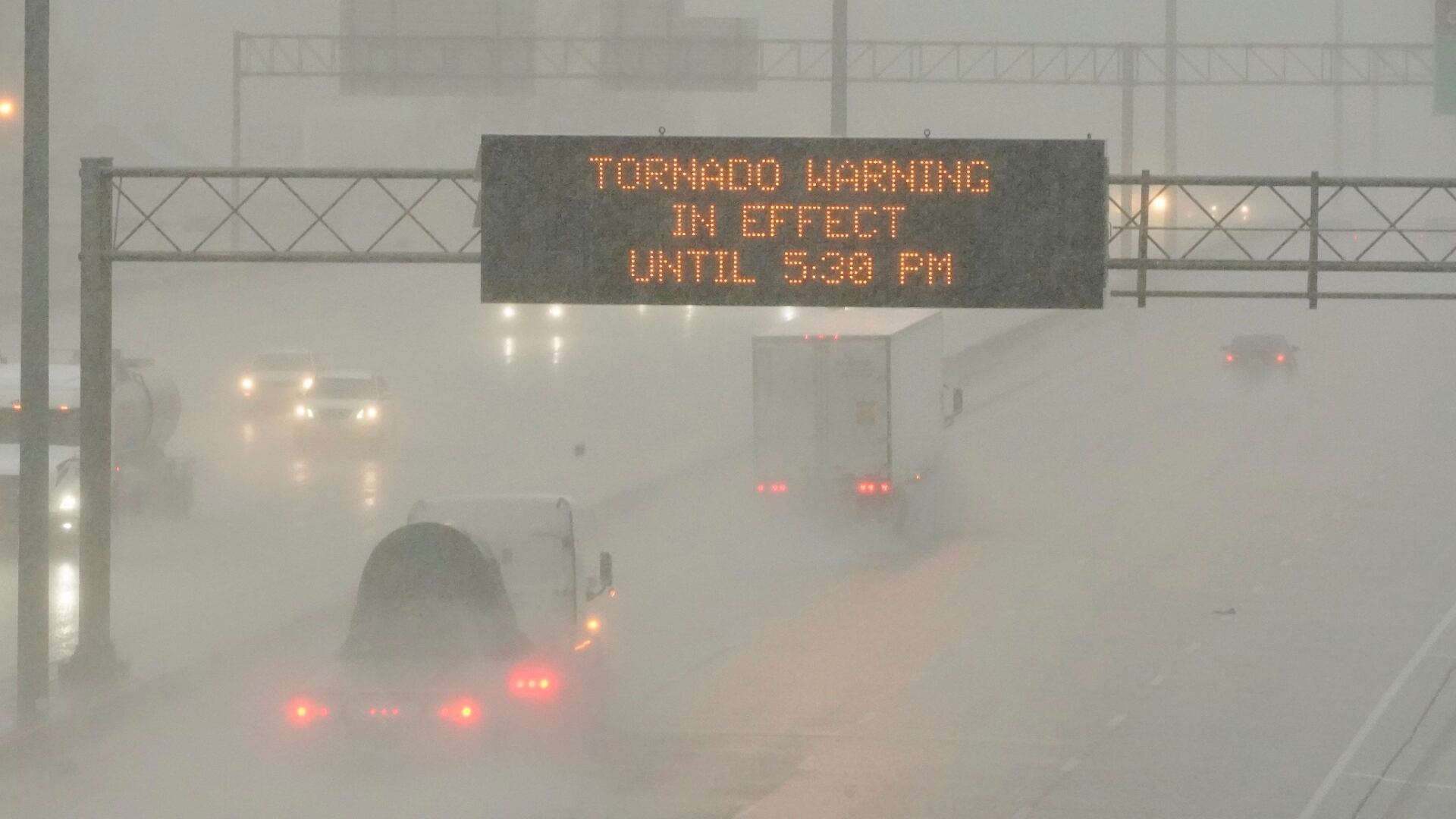
Catching you up on what you need to know on Mar 31, 2022, with updates on Biden's push for more COVID funding, a wave of storms hammering the South, Etsy sellers going on strike, and more.
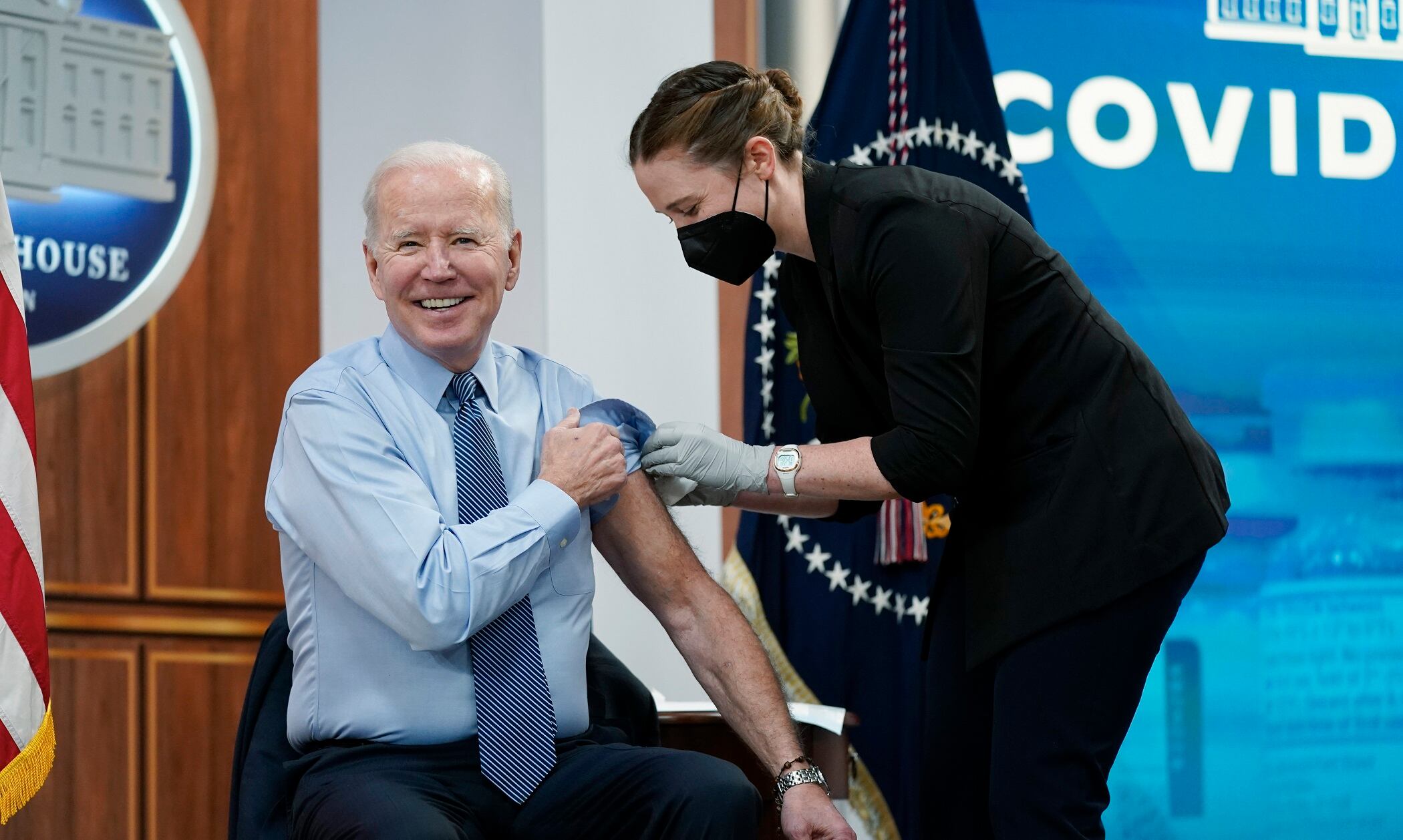
President Joe Biden has gotten a second booster dose of the Pfizer COVID vaccine, and he used the occasion Wednesday to call on Congress to pass billions of dollars in additional funding to fight the pandemic.
Catching you up on what you need to know on March 30, 2022, with updates on what is happening in Kyiv, the FDA releases plans for a fourth dose of COVID vaccines, COVID subvariant BA.2 becomes dominant variant in the U.S., employees at Conde Nast form a union, and more.
A NASA astronaut is back on Earth after a yearlong, record-setting spaceflight. He caught a Russian ride from the International Space Station on Wednesday with two cosmonauts.
Blue Origin is gearing up for its first launch of the year, set for March 31st, but it's not the only one. NASA is also days away from making history with its first private mission to the International Space Station. Three amateur astronauts, who have each paid about $55 million for their seat, will reach the ISS and spend eight days at the off-earth outpost. Jim Cantrell, CEO and co-founder of Phantom Space, joins Cheddar News to discuss what the future of space tourism may look like.