Why Parents Hesitate Before Seeking Mental-Health Expertise
Parents who have no problem making a doctor's appointment when their children have a cough, sneeze, or sniffle appear to be resistant when it comes to mental health.
Parents Magazine and the Child Mind Institute conducted a new survey to find out why parents hesitate before getting mental-health expertise for their children.
"If your child has a fever you take them to the doctor, if your child has an emotional pain, it should be the same thing," said Liz Vaccariello, the editor-in-chief of Parents Magazine, in an interview with Cheddar on Tuesday.
A new survey of about 400 parents in the United States found 62% would wait more than five weeks to get their children help with a mood or behavior disorder.
Of the families that said they would think twice before pursuing treatment options, most (83%) said they try to avoid an overreaction and would rather wait to see if symptoms resolve on their own. Other reasons include the perceived cost of mental-health care and the fear that their children would be labelled mentally ill.
"All of these are myths and we're trying to overcome that," said Vaccariello.
She said parents should be vigilant about monitoring their children's behavior for potential warning signs. Doctors describe these potential symptoms as "pink flags" instead of "red flags" because they're often subtle indicators of mental illness.
Vaccariello said symptoms include sleep disturbances, obsessive thoughts, and debilitating fears.
"It's one thing to be scared of a bee, it's another thing to be terrified to go outside because you don't want to be stung by a bee," she said.
There are fewer than 9,000 clinical child psychiatrists in the United States, but Vaccariello said parents can also reach out to child psychologists, therapists, and school counselors.
"Even something like that can be helpful and healing for the whole family," she said.
For full interview, [click here](https://cheddar.com/videos/why-do-parents-wait-to-seek-help-on-mental-health-issues).
An FDA panel has recommended the low-dose Pfizer vaccine for kids ages five to 11. The recommendation now cues up the FDA to authorize the vaccine. Next week, the CDC will consider its own authorization. Once signed off by the CDC, the Pfizer vaccine can be administered in children immediately. Dr. Christina Johns, Senior Medical Advisor at PM Pediatrics, joined Cheddar's Search for a Cure.
Dr. Vivek Cherin, Internal Medicine Physician at Amita Health, joined Cheddar's Search for a Cure to break down what we need to know about eligibility and availability of COVID-19 vaccine boosters.
World leaders will converge this weekend at the 2021 G20 Summit in Rome and the UN COP26 conference in Glasgow with the climate crisis on the agenda. Lord Adair Turner, chair of the Energy Transitions Commission, joined Cheddar to discuss what people can expect to come out of the climate-focused conferences. Turner also noted that one of the biggest hurdles for the attending nations will be coming to a uniform decision on expanding on the Paris Climate Accord goals that have become insufficient to prevent global warming by 1.5 degrees celsius.
Nicole Lambert, President at Myriad Genetics joins ChedHER to discuss how to expand access to genetic testing for all women, and how her experience as a 'pre-vivor' motivates her role in the industry.
Carlo and Baker cover Facebook's big rebrand, the latest on Biden's economic agenda and more. Plus, ranking the best Halloween candy and the worst couple's costumes.
Proptech startup Juno recently raised $20 million in a Series A funding round. The company says the funds will be used to further its mission of building sustainable and affordable apartment buildings across the United States. Juno Co-Founder and CEO Jonathan Sherr joined Cheddar News' Closing Bell to discuss.
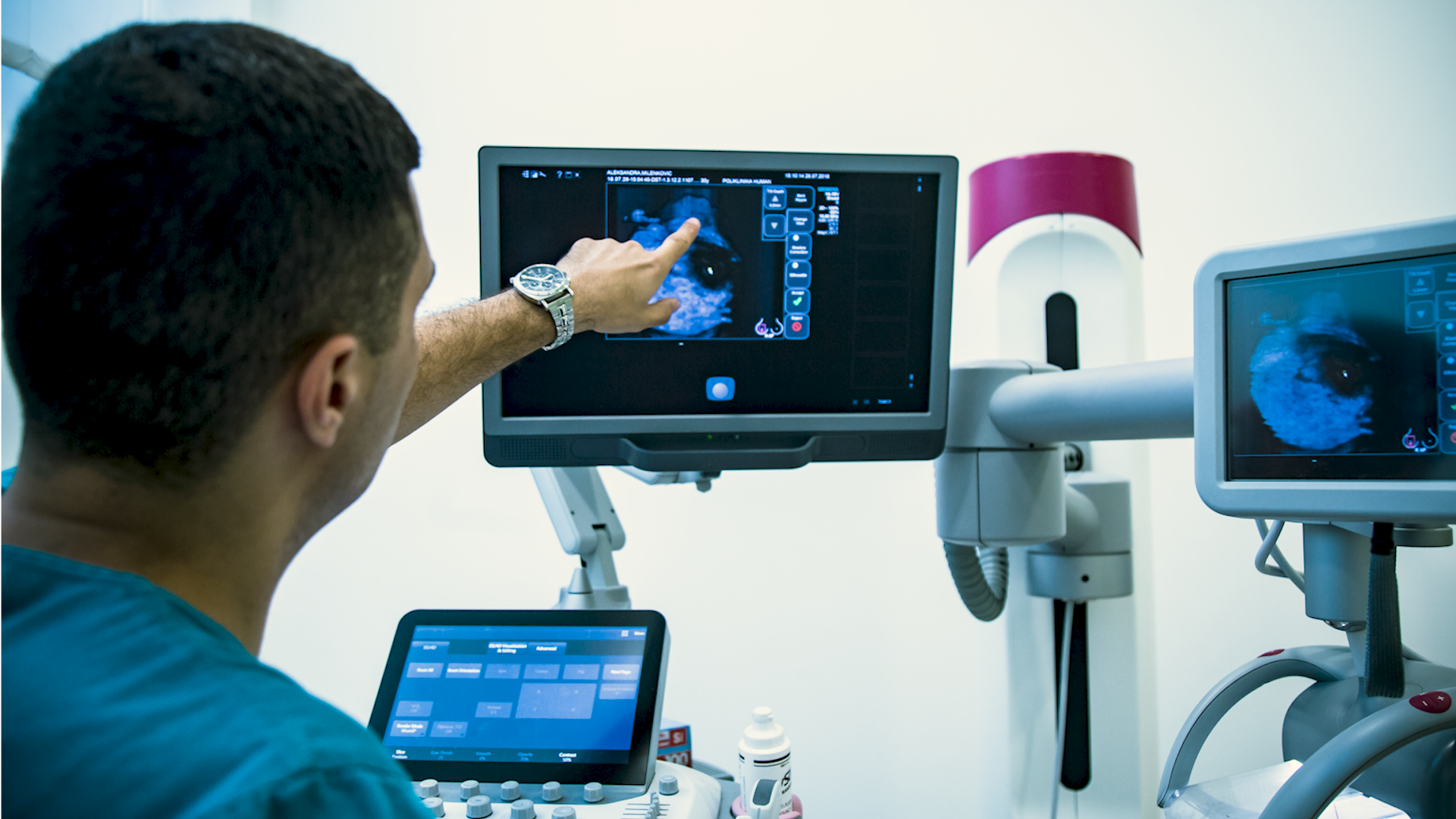
Stacey Stevens, President of iCAD, joins 'Cheddar Innovates' to discuss how 'Profound A.I. Risk' works as a short-term breast cancer risk estimation for women.
On this episode of 'Cheddar Innovates': President of iCAD breaks down how its technology is being used as a short-term breast cancer risk estimation for women; A look at Curiosity Stream's 'The Science of Thrills.'
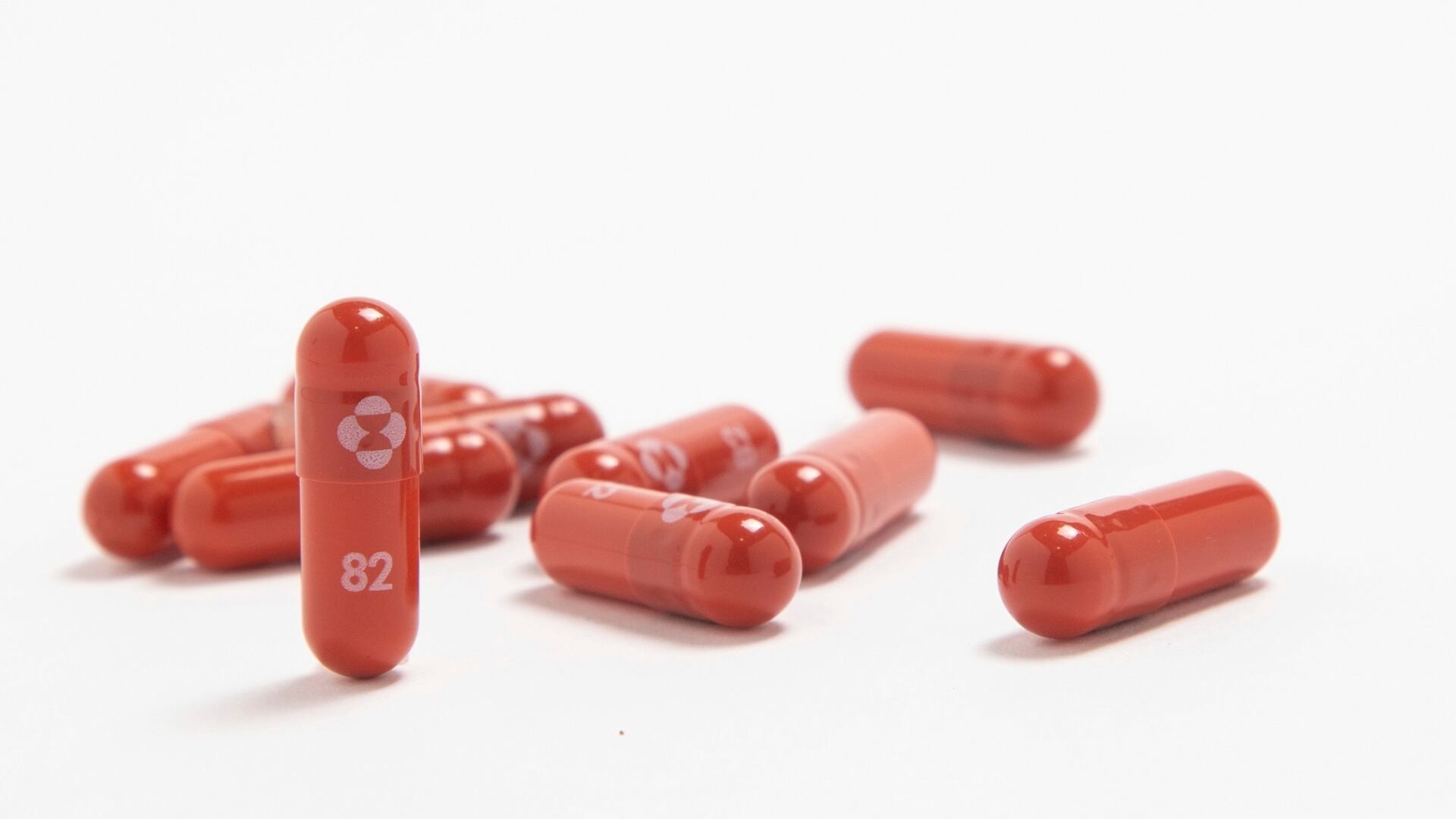
Pharmaceutical company Merck has announced that it will share the formula of its COVID-19 pill with poor countries free of charge. The company still intends to charge wealthier nations leaving the end cost at more than $700 per five-day treatment course.
Dems race for a deal on President Biden's economic agenda ahead of his big foreign trip. What to make of the latest threat assessment in Afghanistan. Plus, the meme cryptocurrency of the moment that's now worth more than many Fortune 500 companies.