Why Parents Hesitate Before Seeking Mental-Health Expertise
Parents who have no problem making a doctor's appointment when their children have a cough, sneeze, or sniffle appear to be resistant when it comes to mental health.
Parents Magazine and the Child Mind Institute conducted a new survey to find out why parents hesitate before getting mental-health expertise for their children.
"If your child has a fever you take them to the doctor, if your child has an emotional pain, it should be the same thing," said Liz Vaccariello, the editor-in-chief of Parents Magazine, in an interview with Cheddar on Tuesday.
A new survey of about 400 parents in the United States found 62% would wait more than five weeks to get their children help with a mood or behavior disorder.
Of the families that said they would think twice before pursuing treatment options, most (83%) said they try to avoid an overreaction and would rather wait to see if symptoms resolve on their own. Other reasons include the perceived cost of mental-health care and the fear that their children would be labelled mentally ill.
"All of these are myths and we're trying to overcome that," said Vaccariello.
She said parents should be vigilant about monitoring their children's behavior for potential warning signs. Doctors describe these potential symptoms as "pink flags" instead of "red flags" because they're often subtle indicators of mental illness.
Vaccariello said symptoms include sleep disturbances, obsessive thoughts, and debilitating fears.
"It's one thing to be scared of a bee, it's another thing to be terrified to go outside because you don't want to be stung by a bee," she said.
There are fewer than 9,000 clinical child psychiatrists in the United States, but Vaccariello said parents can also reach out to child psychologists, therapists, and school counselors.
"Even something like that can be helpful and healing for the whole family," she said.
For full interview, [click here](https://cheddar.com/videos/why-do-parents-wait-to-seek-help-on-mental-health-issues).
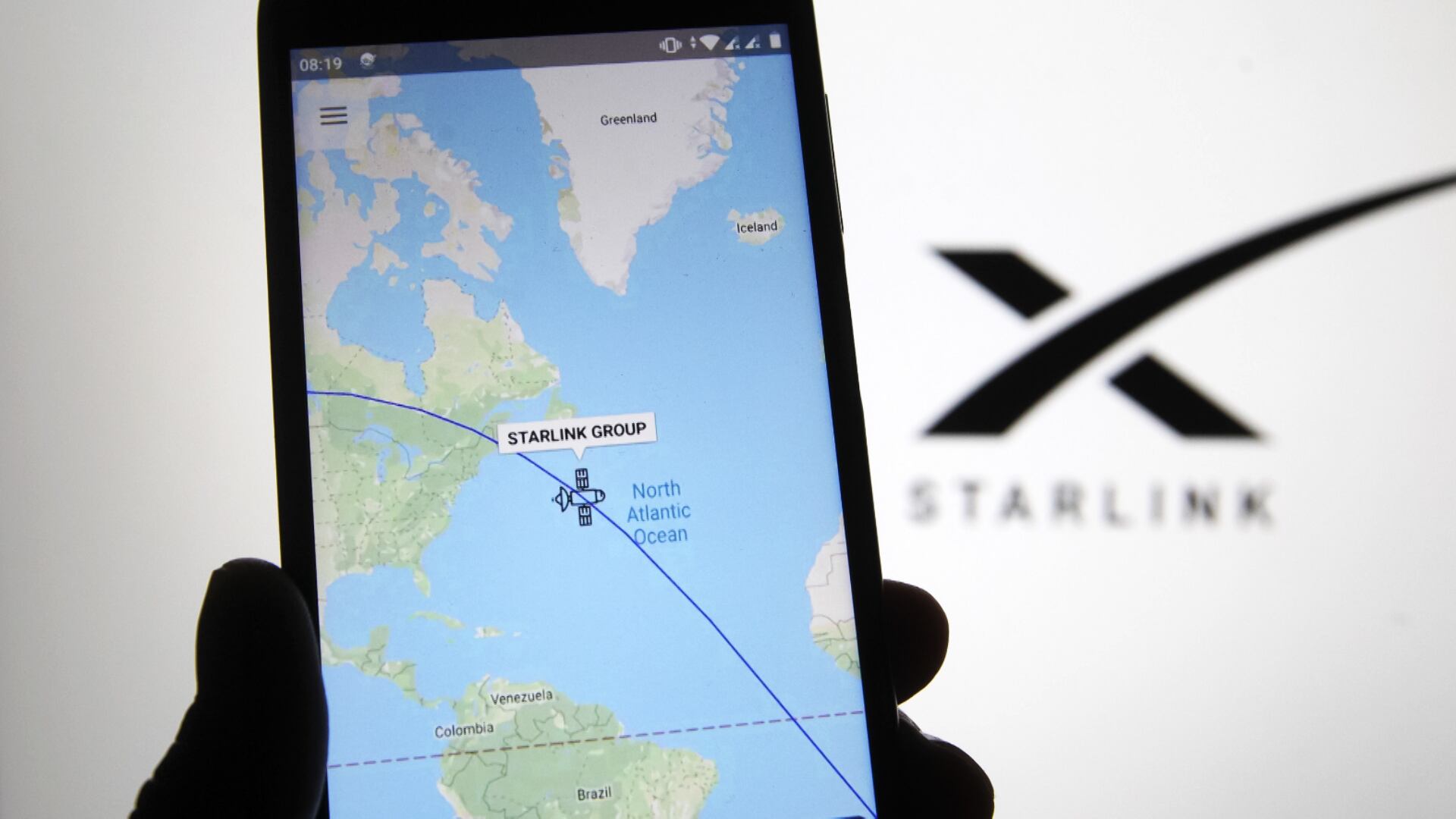
Amazon plans to launch its first prototype satellites for Project Kuiper, an internet-from-space venture, in 2022. It's the first major step in the e-commerce giant's plan to rival SpaceX by building a network of satellites in space, providing internet to rural, underserved communities around the world. Loren Grush, senior science reporter for the Verge, discusses the project and how it could transform internet access moving forward.
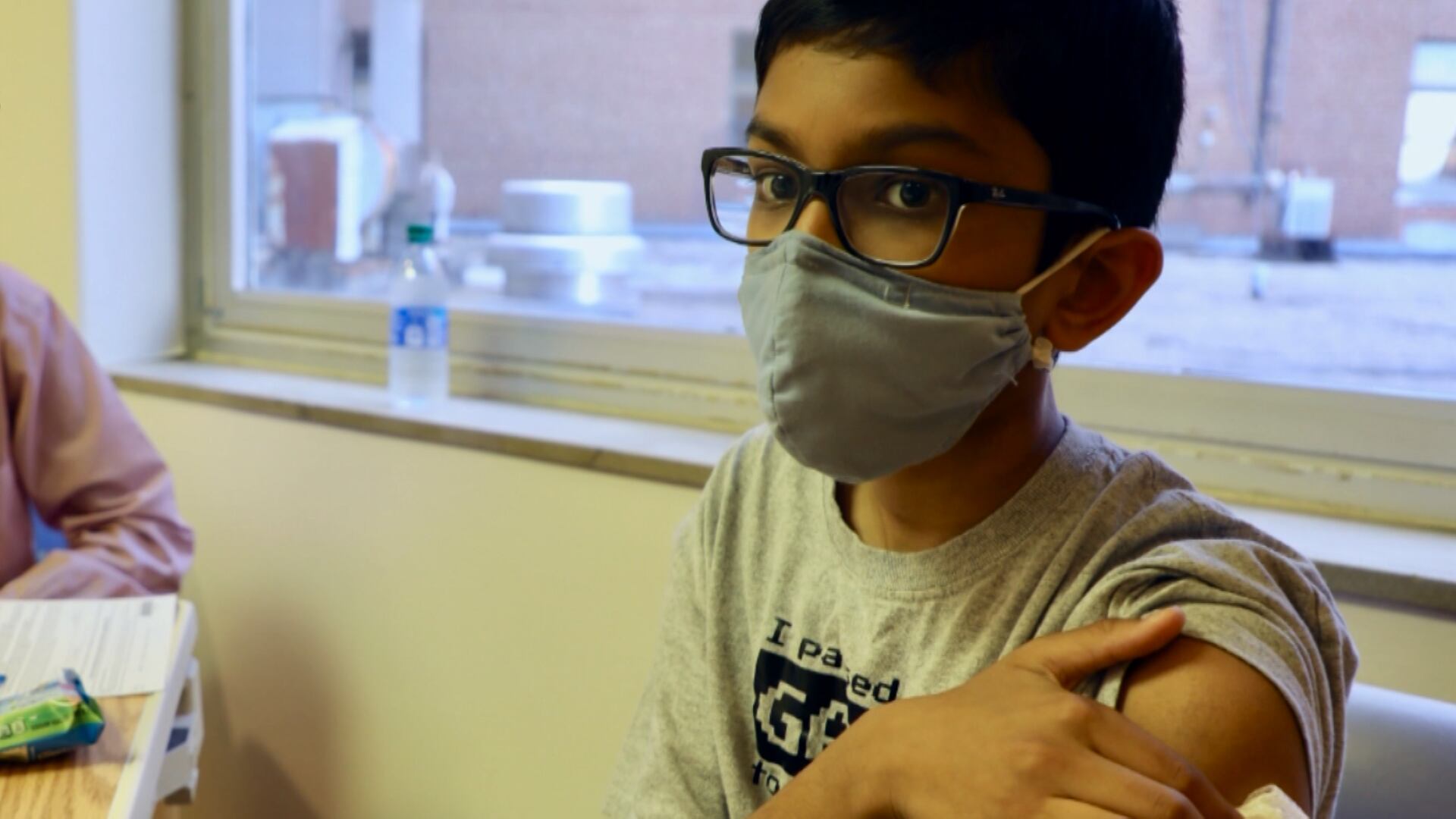
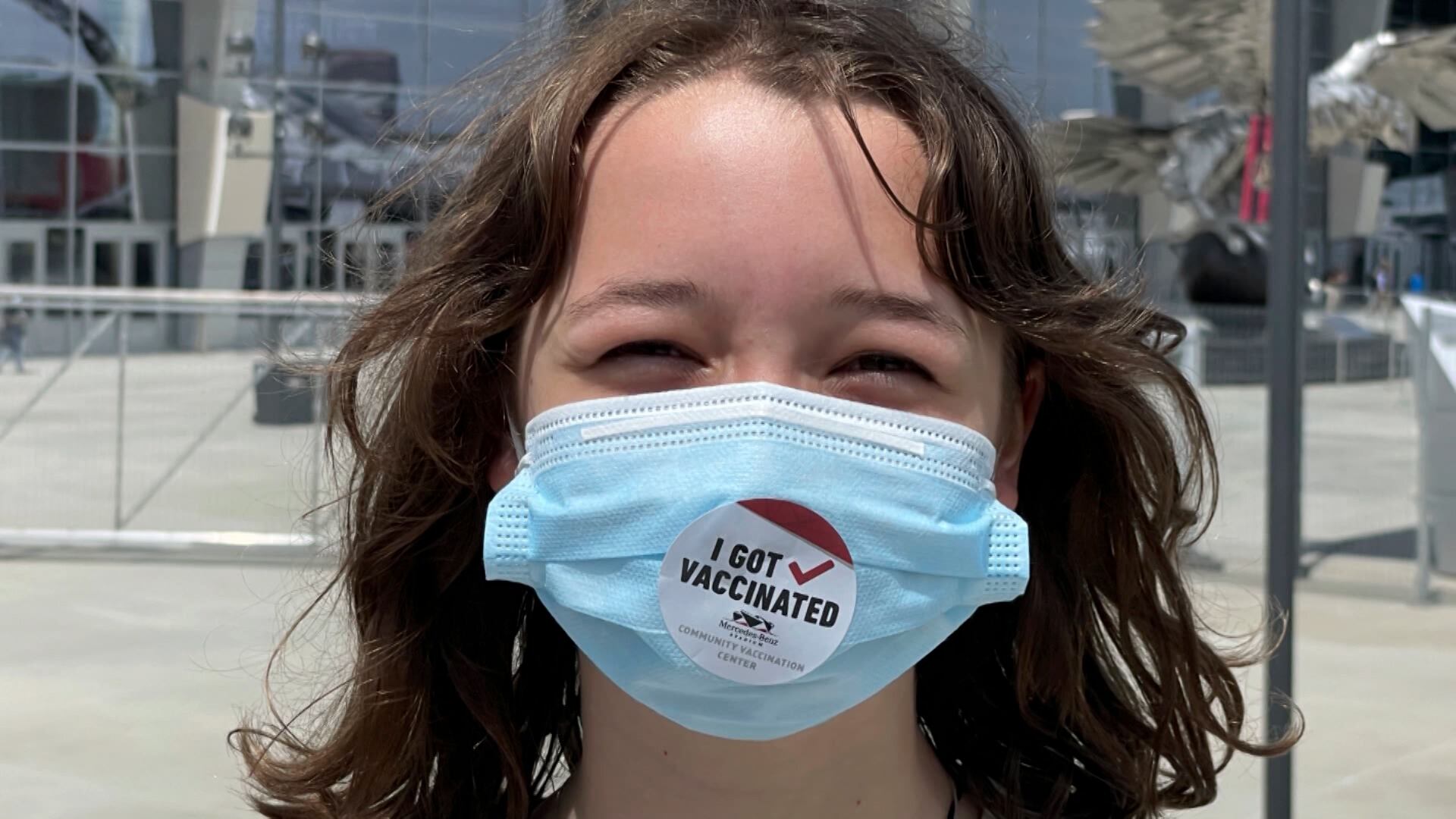
The FDA is assessing whether the Moderna vaccine can cause heart problems in adolescents. Professor Peter Pitts, founder of the Center for Medicine in the Public Interest and former FDA Associate Commissioner, discusses what the FDA is looking into and what it means for the millions of kids yet to be vaccinated.
Pfizer posted an earnings beat in its third quarter, with revenue soaring over 134% thanks to solid Covid-19 vaccine sales. Pfizer also raised its outlook for the full-year, expecting revenue to surpass $80 billion. Peter Andersen, CEO & founder of Andersen Capital Management, joined Cheddar Movers to discuss.
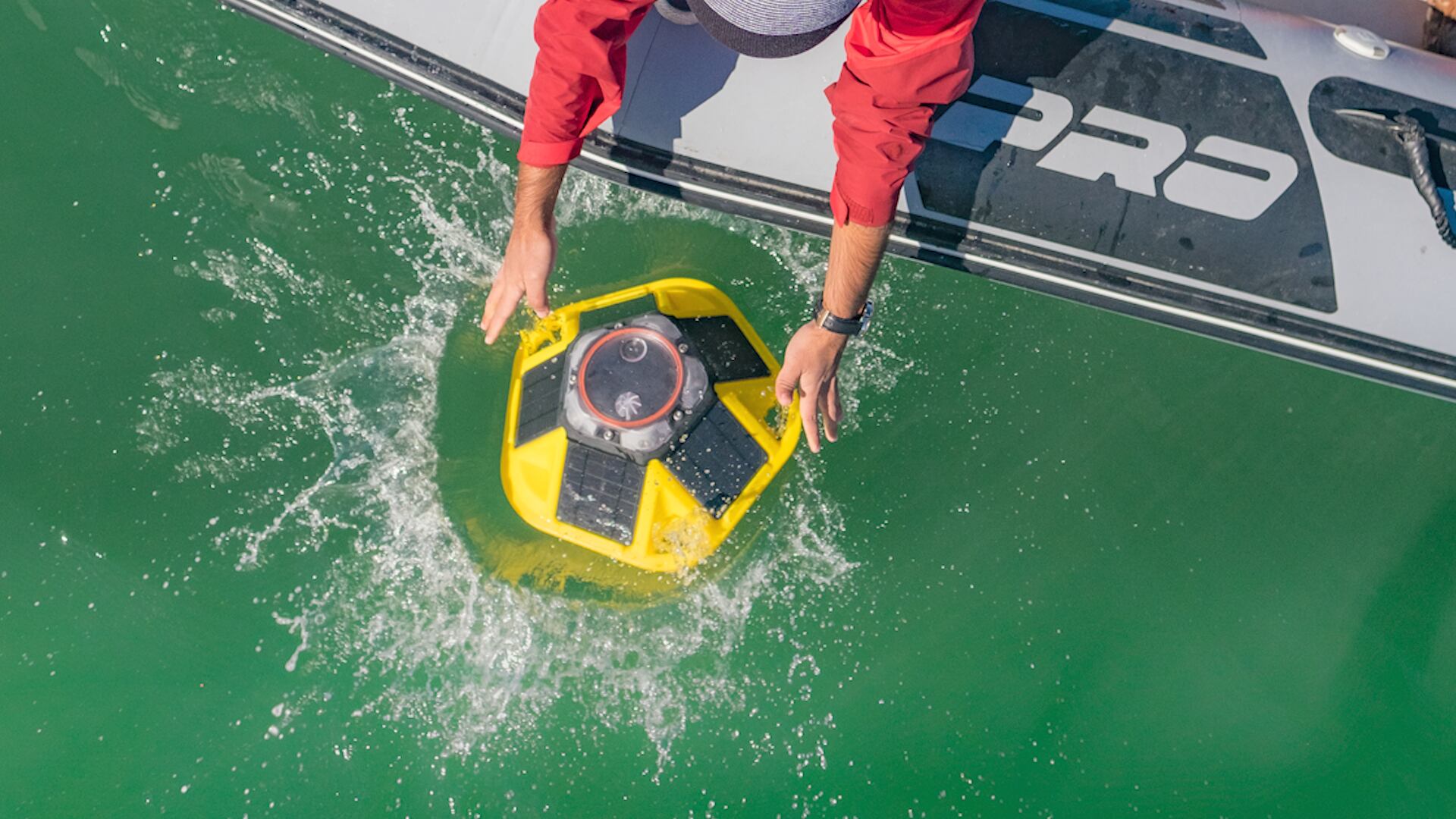
Cheddar gets a look at Curiosity Stream's 'Ancient Oceans'; Deep-sea biologist Heather Bracken-Grissom sheds light on some of the monsters that we can and cannot explain lurking in the darkness of the ocean's depths; Tim Janssen, CEO of Sofar Ocean, discusses Sofar Ocean's latest round of Series B funding, and how Sofar Ocean is helping connect all five oceans to help everything from climate change to the global shipping industry.
Tim Janssen, CEO of Sofar Ocean, joins 'Cheddar Reveals' to discuss Sofar Ocean's latest round of Series B funding, and how Sofar Ocean is helping connect all five oceans to help everything from climate change to the global shipping industry.
Deep-sea biologist Heather Bracken-Grissom joins 'Cheddar Reveals' to shed light on some of the monsters that we can and cannot explain lurking in the darkness of the ocean's depths.
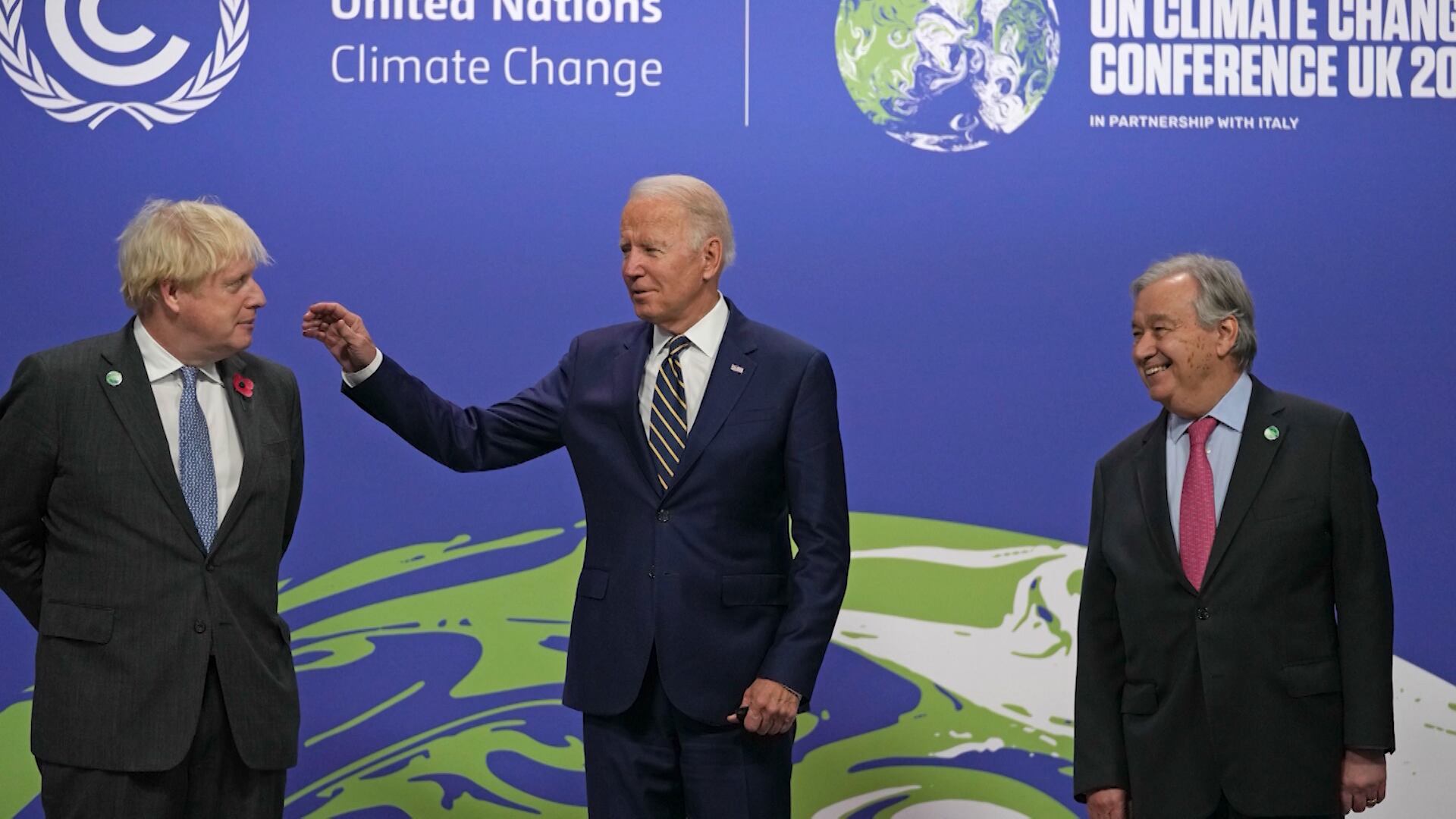
Leaders around the world have come together to discuss plans to bring action towards the Paris Agreement along with solutions on how to solve the evolving climate change crisis at the COP26 Summit. President and CEO of Center for International Environmental Law Carroll Muffett, joined Cheddar to discuss more.
Rachel Cleetus, the policy director and lead economist of the climate and energy program for the Union of Concerned Scientists, joined Cheddar to break down some of the key goals from the COP26 summit and why leaders must focus on the science of climate change instead of getting bogged down by petty politics and the fossil fuel industry. "The main thing they have to do, make sure we're cutting our emissions sharply within this decade because the science shows that we have to cut global emissions in half by 2030 if we're going to meet our goals of averting some of the most catastrophic impacts of climate change," she said.
Coastal cities around the world are grappling with sea level rise. And building a seawall? Not so fast. While a sea wall can be effective in certain scenarios, it can make the effects of sea level rise worse. That’s why municipalities are looking into creative alternatives.